

Lymphatic system detox: Evidence-based natural support
TL;DR:
- Movement, hydration, and lifestyle are key for maintaining lymphatic health.
- UK guidelines support manual lymphatic drainage and compression garments for lymphatic issues.
- Herbal remedies lack strong scientific evidence and should complement, not replace, clinical and lifestyle approaches.
The wellness industry is flooded with claims about ‘detoxing’ your lymphatic system, from expensive supplements to elaborate cleanse protocols. Yet the medical and wellness worlds often promote conflicting views on what lymphatic detox actually means, and whether it is even possible. This article cuts through the noise. It focuses on what UK clinical guidance actually supports, what lifestyle choices genuinely help, and where herbal products fit into a realistic, evidence-informed approach to lymphatic health.
Table of Contents
- How the lymphatic system works: The basics you need to know
- Evidence-based practices for lymphatic support in the UK
- Holistic strategies: Lifestyle tips for supporting lymphatic flow
- Herbal products and natural remedies: Where evidence stands
- A realistic perspective: What wellness trends get wrong about lymphatic detox
- Connect with targeted lymphatic wellness solutions
- Frequently asked questions
Key Takeaways
| Point | Details |
|---|---|
| Evidence matters most | NHS-approved practices like MLD, exercise, and diet are best for lymphatic health—not wellness fads. |
| Herbal support is limited | Herbal remedies are promising but lack robust clinical backing; use only as complementary options. |
| Lifestyle impacts lymph flow | Daily movement, hydration, and anti-inflammatory foods consistently support lymphatic function. |
| Consult professionals | Always seek medical guidance before adopting new treatments, especially if you have health conditions. |
| Avoid detox myths | Lymphatic detox does not lead to dramatic weight loss or ‘toxin flush’; rely on evidence and expert guidance. |
How the lymphatic system works: The basics you need to know
The lymphatic system is a network of vessels, nodes, and organs working constantly beneath the surface. It performs three core jobs: maintaining fluid balance in your tissues, supporting your immune response, and clearing waste products from cellular activity. Unlike the cardiovascular system, it has no central pump. The heart moves blood. Your lymphatic system relies entirely on muscle contractions, breathing patterns, and body movement to push fluid through its vessels.
This distinction matters. When you sit still for long periods, lymph fluid can pool. When you move regularly, breathe deeply, and stay hydrated, the system flows as it should. That is why UK lymphatic system guidance consistently points to movement and lifestyle as the foundation of lymphatic health.
Core functions of the lymphatic system:
- Collecting excess interstitial fluid and returning it to the bloodstream
- Transporting dietary fats and fat-soluble vitamins from the gut
- Filtering lymph fluid through lymph nodes to neutralise pathogens
- Producing and transporting white blood cells (lymphocytes)
- Removing cellular debris and metabolic waste
The lymphatic system maintains fluid balance, supports immunity, and relies on movement rather than a central pump. This is why claims about ‘flushing toxins’ through special teas or supplements are largely unsupported. The body’s actual detoxification workhorses are the liver and kidneys, not the lymphatic system itself.
Fact check: The NHS lymphoedema information page does not recommend any detox product or supplement. It focuses on physical management techniques and clinical intervention.
| Lymphatic system role | Primary mechanism |
|---|---|
| Fluid balance | Returns excess tissue fluid to blood |
| Immune support | Filters pathogens through lymph nodes |
| Waste clearance | Removes cellular debris via vessel flow |
| Fat absorption | Transports dietary fats from gut |
For anyone exploring natural ways to support lymphatic health, understanding these mechanics first prevents wasted effort and money on approaches without a physiological basis.
Evidence-based practices for lymphatic support in the UK
With the basics covered, let us explore what UK guidelines actually recommend for lymphatic health.
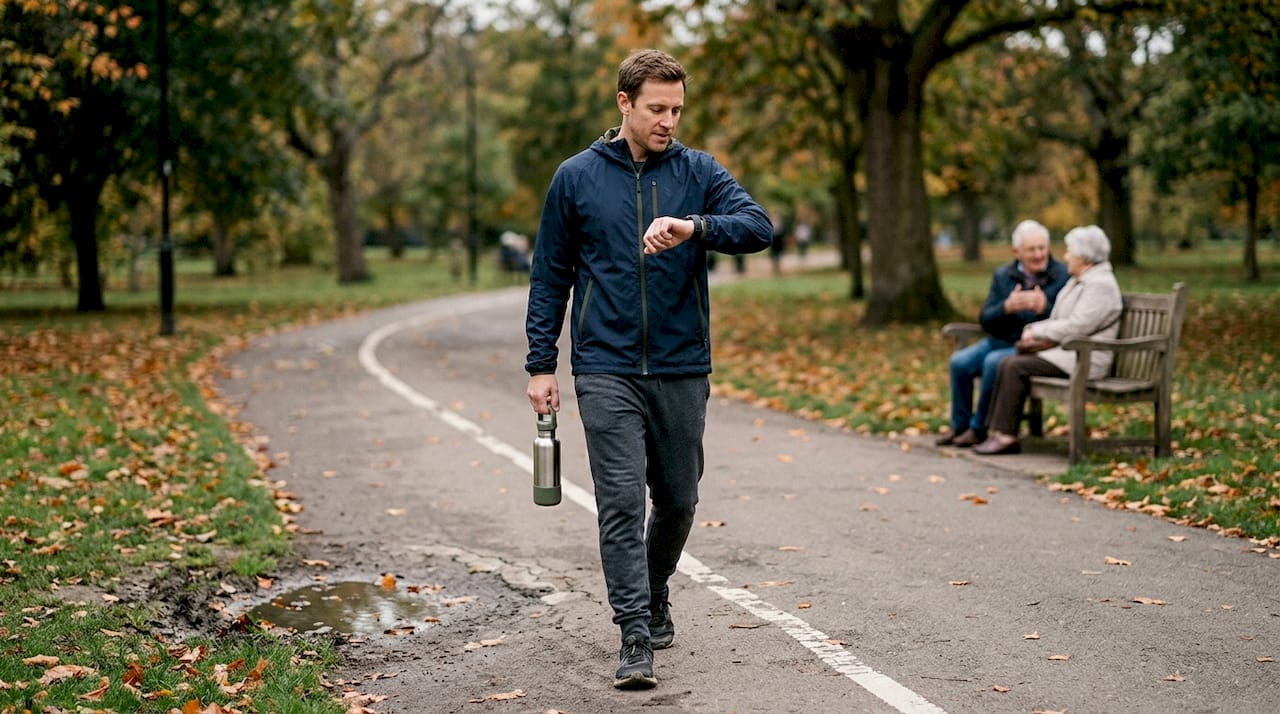
Manual Lymphatic Drainage (MLD) and lifestyle changes can reduce lymphoedema volume; NHS recommends these for symptom control. MLD is a specialist, gentle massage technique performed by trained therapists. It uses specific hand movements and pressure sequences to encourage lymph flow through the system. It is not a standard sports massage and should not be confused with general relaxation treatments.
Clinically supported approaches for lymphatic health in the UK:
- Manual Lymphatic Drainage (MLD) by a certified practitioner
- Compression garments worn consistently throughout the day
- Regular aerobic and resistance exercise
- Skin care to reduce infection risk, particularly in limbs affected by lymphoedema
- Dietary changes: reducing processed foods, salt, and alcohol
- Consistent hydration throughout the day
Pro Tip: MLD is a skilled technique. Seek a therapist certified by the Lymphoedema Support Network or equivalent UK body. Unqualified massage carries risk in sensitive cases.
| Intervention | Clinical evidence | NHS endorsed |
|---|---|---|
| Manual Lymphatic Drainage | Moderate to strong | Yes |
| Compression garments | Strong | Yes |
| Regular exercise | Strong | Yes |
| Herbal supplements | Very limited | No |
| Detox teas or cleanses | No clinical evidence | No |
For those researching lymphatic support evidence or considering complementary options, the NHS is clear: the focus is symptom management, not cure. Full NHS lymphoedema treatment guidance outlines the structured programme patients receive, centred on education, physical therapy, and garment use.
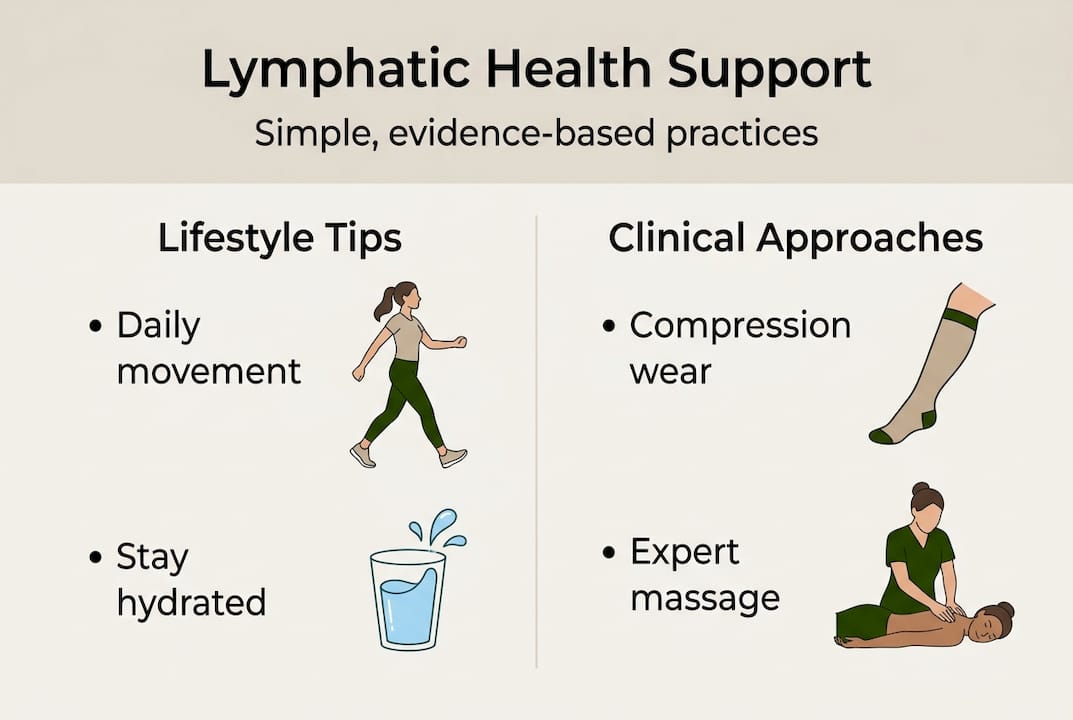
Exploring herbs for lymphatic support can sit alongside these clinical approaches, but not in place of them. The evidence hierarchy matters here.
Holistic strategies: Lifestyle tips for supporting lymphatic flow
Beyond clinical approaches, lifestyle choices can make a real difference. These are not substitutes for medical care where needed, but they are genuine, practical tools.
Holistic practices like deep breathing, dry brushing, hydration, and anti-inflammatory diet support lymph flow. Each of these works through simple physiological principles that align directly with how the lymphatic system operates.
Practical lifestyle tools for lymphatic flow:
- Daily movement: Walking, swimming, yoga, and rebounding (mini-trampoline) all stimulate muscle contractions that push lymph fluid through vessels. Even 20 to 30 minutes daily makes a measurable difference.
- Hydration: Lymph is approximately 95% water. Drinking 8 or more glasses daily keeps fluid moving and prevents thickening of lymphatic fluid.
- Dry brushing: Use a natural-bristle brush on dry skin in long strokes towards the heart, starting from the feet and hands. This stimulates surface lymphatic vessels and encourages circulation. Always brush on dry skin before showering.
- Anti-inflammatory diet: Prioritise leafy greens, citrus fruits, berries, garlic, and ginger. These foods support immune function and reduce systemic inflammation that can burden lymphatic tissue.
- Deep diaphragmatic breathing: The thoracic duct, the largest lymphatic vessel in the body, is directly stimulated by changes in chest pressure during deep breathing. Ten slow breaths several times daily genuinely assists lymph movement.
- Avoiding processed foods, excess salt, and alcohol: All three increase fluid retention and systemic inflammation, placing greater demand on an already burdened system.
Pro Tip: Consistency matters far more than intensity. Ten minutes of movement daily outperforms a single two-hour session each week when it comes to lymphatic flow.
For broader context on holistic inflammation relief or natural wellness for lymphatic swelling, these lifestyle tools are the foundation every other approach should be built upon.
Herbal products and natural remedies: Where evidence stands
With holistic lifestyle tips in hand, let us examine the evidence and limitations around herbal products and natural remedies.
Herbal products show limited empirical evidence and are not recommended in major guidelines like the NHS. That is the honest starting point. Small pilot studies have examined herbs including Astragalus and Paeoniae rubra for their potential role in lymphatic function, with some encouraging preliminary findings. But preliminary is the operative word.
What the current evidence shows for herbal remedies:
- Small pilot studies suggest some herbs may support immune modulation and reduce inflammation
- No large-scale, randomised controlled trials confirm lymphatic-specific benefits
- Cochrane reviews and NHS guidelines do not include herbal remedies in primary treatment recommendations
- Some herbs interact with medications or are contraindicated in certain conditions
- Products vary significantly in quality, concentration, and preparation method
‘Herbal remedies can complement a wellness plan but should not replace established clinical approaches.’ This reflects mainstream guidance across UK integrative medicine.
The lymphatic drainage massage evidence from Medical News Today similarly highlights the importance of distinguishing between supportive wellness tools and clinically validated treatments.
For those exploring herbal oils for swelling relief, herbal products for inflammation, or using a structured herbal lymph massage guide, combining these with lifestyle strategies and clinical oversight provides the most grounded approach. Herbal remedy comparisons can help identify what fits your specific situation.
Pro Tip: Always consult your GP before adding herbal supplements to your routine, particularly if you are on prescribed medication or managing a diagnosed lymphatic condition.
A realistic perspective: What wellness trends get wrong about lymphatic detox
Now, let us address the broader conversation and offer a candid take on what really works.
The wellness industry profits significantly from overstating what the lymphatic system does and how easily it can be ‘detoxed’. The truth is more straightforward. No strong empirical data supports ‘detox’ claims in healthy people; the liver and kidneys are the primary detox organs. The lymphatic system supports immunity and fluid balance. It benefits from movement, not cleanses.
What NHS-backed evidence actually endorses is far less glamorous: consistent exercise, adequate hydration, compression where indicated, and MLD under qualified supervision. Herbal products and oils may genuinely support comfort, reduce surface inflammation, and complement a wellness routine. But they are supportive, not curative.
The most grounded approach treats lymphatic support evidence as a guide for choosing what to prioritise. Movement and clinical care come first. Herbal and holistic tools fill a genuine complementary role.
Pro Tip: If a product promises to ‘detox’ your lymphatic system dramatically or rapidly, that is a signal to apply more scrutiny, not less.
Connect with targeted lymphatic wellness solutions
Having separated trend from truth, here is where you can continue learning and find curated resources.
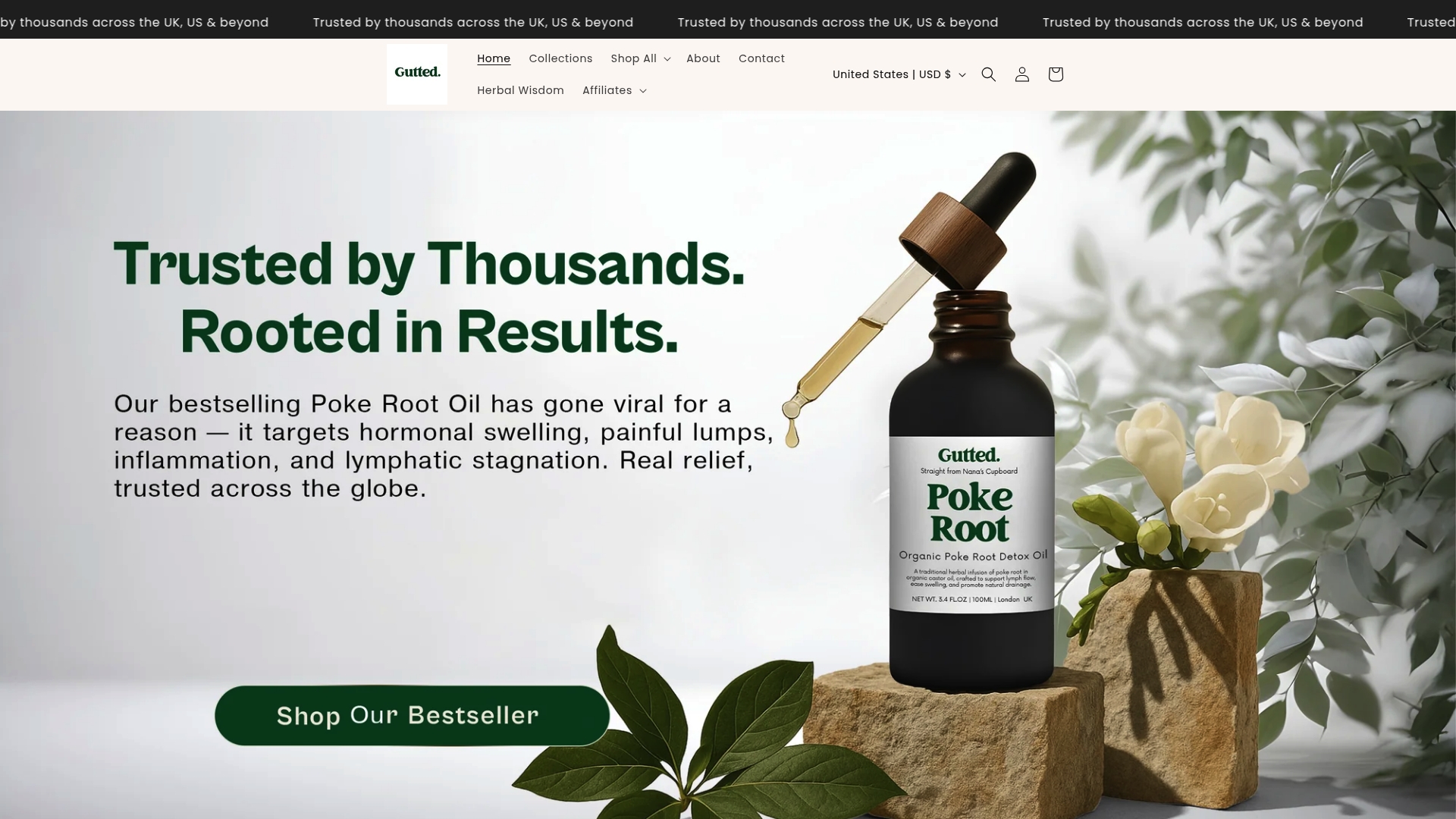
At Get Gutted, we focus on practical, evidence-aware herbal wellness for people who want natural support alongside a grounded lifestyle approach. Our Organic Poke Root Oil infused in Castor Oil is handcrafted in small batches using slow-infusion methods. Alongside it, we offer Soursop Leaves, Apricot Kernels, and Essiac tea blends, all selected to complement, not replace, the clinical and lifestyle practices outlined above. Explore our range and articles to make informed choices for your lymphatic wellness journey.
Frequently asked questions
Can you actually detox your lymphatic system with herbal products?
Herbal products show promising but insufficient evidence for routine lymphatic support; NHS guidelines recommend lifestyle measures as the most effective foundation.
Are lymphatic drainage massages suitable for everyone?
MLD is safe for most people, but contraindicated in active infections, cancer, heart failure, and kidney disease; always consult your GP before beginning treatment.
What are the most effective methods for lymphatic system support?
NHS recommends compression garments, exercise, hydration, and specialised massage as the core interventions for lymphatic support and symptom management.
Does improving lymphatic flow reduce inflammation or swelling?
MLD improves tissue perfusion and reduces swelling; clinical evidence supports its use for managing oedema and inflammation in diagnosed lymphatic conditions.
Is there scientific proof that lymphatic detox leads to weight loss?
No evidence supports weight loss through lymphatic detox; the lymphatic system aids fluid balance, while fat reduction depends on caloric and metabolic factors.