

Lymphatic drainage: natural ways to reduce swelling
TL;DR:
- The lymphatic system clears waste, controls swelling, and supports immunity, crucial for overall health.
- Manual lymphatic drainage and daily movement can reduce swelling and improve lymph flow.
- Supportive care includes hydration, exercise, herbal remedies, but consult healthcare providers if conditions worsen.
Lymphatic drainage is often dismissed as a luxury spa treatment with little real-world impact. That view is wrong. Your lymphatic system plays a central role in clearing waste, controlling swelling, and keeping your immune defences working. When flow slows down, you feel it: persistent puffiness, heaviness in the limbs, fatigue that does not lift. Lymphatic drainage stimulates the lymphatic system to move fluid, reduce swelling, and support immune function. This article explains what the lymphatic system actually does, how drainage techniques work, and which natural methods can support it every day.
Table of Contents
- What is the lymphatic system and why does it matter?
- How does lymphatic drainage work?
- Natural support for lymphatic drainage: remedies, herbs, and lifestyle
- Safety, side effects, and who should avoid lymphatic drainage
- The uncomfortable truth about natural lymphatic drainage
- Explore trusted support for your lymphatic health
- Frequently asked questions
Key Takeaways
| Point | Details |
|---|---|
| Lymphatic health matters | A well-functioning lymphatic system helps reduce swelling and boost your immune defence naturally. |
| Gentle techniques help | Natural lymphatic drainage methods like MLD or self-massage can support body fluid balance and ease symptoms. |
| Everyday habits are key | Regular movement, hydration, and a balanced lifestyle are the most reliable ways to keep your lymphatic system in good shape. |
| Safety comes first | MLD is generally safe but not for everyone—consult your healthcare provider before starting, especially if you have medical conditions. |
What is the lymphatic system and why does it matter?
The lymphatic system is one of the most overlooked systems in the body. Most people know about blood circulation, but the lymphatic network runs alongside it, doing a very different job. It collects excess fluid from tissues, filters it through lymph nodes, and returns it to the bloodstream. It also carries immune cells and absorbs dietary fats from the gut.
Unlike blood, lymph fluid has no dedicated pump. The heart keeps blood moving. Lymph relies on muscle contractions, breathing, and physical movement to flow. When you sit still for long periods, or when the system is under stress, fluid can pool in tissues. The result is swelling, often in the legs, arms, or face.
The lymphatic system drains excess fluid, fights infection, and absorbs fats. It depends on muscle movement, breathing, and external stimulation to function properly. This is why exercise, massage, and certain herbal approaches can all make a practical difference.
Signs that lymphatic flow may be sluggish include:
- Persistent swelling in the arms, legs, or face
- A feeling of heaviness or tightness in the limbs
- Skin that feels firmer or looks puffier than usual
- Fatigue that is not explained by sleep or activity levels
- Recurrent minor infections or slow wound healing
“The lymphatic system is not a passive bystander. It is actively involved in immunity, fluid balance, and waste clearance. Supporting it is a practical health decision, not a wellness trend.”
For those interested in lymphatic support remedies, understanding the system’s basic function is the right starting point. The more you understand what the system needs, the better placed you are to support it with the right tools.
The lymphatic system also plays a role in skin health. When fluid stagnates near the surface, skin can appear dull, congested, or prone to puffiness, particularly around the face and jaw. Supporting drainage in these areas through gentle massage or movement can make a visible difference over time.
How does lymphatic drainage work?
Manual lymphatic drainage, commonly called MLD, is a specialised massage technique. It uses light, rhythmic strokes directed towards the nearest lymph nodes. The pressure is deliberately gentle, far lighter than a standard deep-tissue massage. The goal is to encourage fluid movement through the lymphatic vessels, not to work on muscle tissue.
MLD follows a specific sequence. Practitioners typically begin at the neck, where major lymph nodes are clustered, then work outwards and downwards. This clears the central pathways first, making space for fluid from the extremities to move through. The technique is methodical and slow by design.
MLD reduces swelling and supports immune function through gentle, rhythmic massage. The evidence is strongest for people with diagnosed lymphoedema, particularly following cancer treatment. MLD combined with compression can reduce limb volume by 30 to 37%, with an additional 7% reduction when MLD is added on top of compression alone.
Those most likely to benefit include:
- People with diagnosed lymphoedema, particularly post-surgical cases
- Individuals recovering from cancer treatment, especially breast cancer
- Those with chronic swelling in the limbs not linked to a specific condition
- People managing post-injury or post-operative fluid retention
- Individuals seeking general support for circulation and fluid balance
Pro Tip: If you notice persistent swelling or have been treated for cancer, speak to your GP or a qualified lymphoedema therapist before starting any drainage routine.
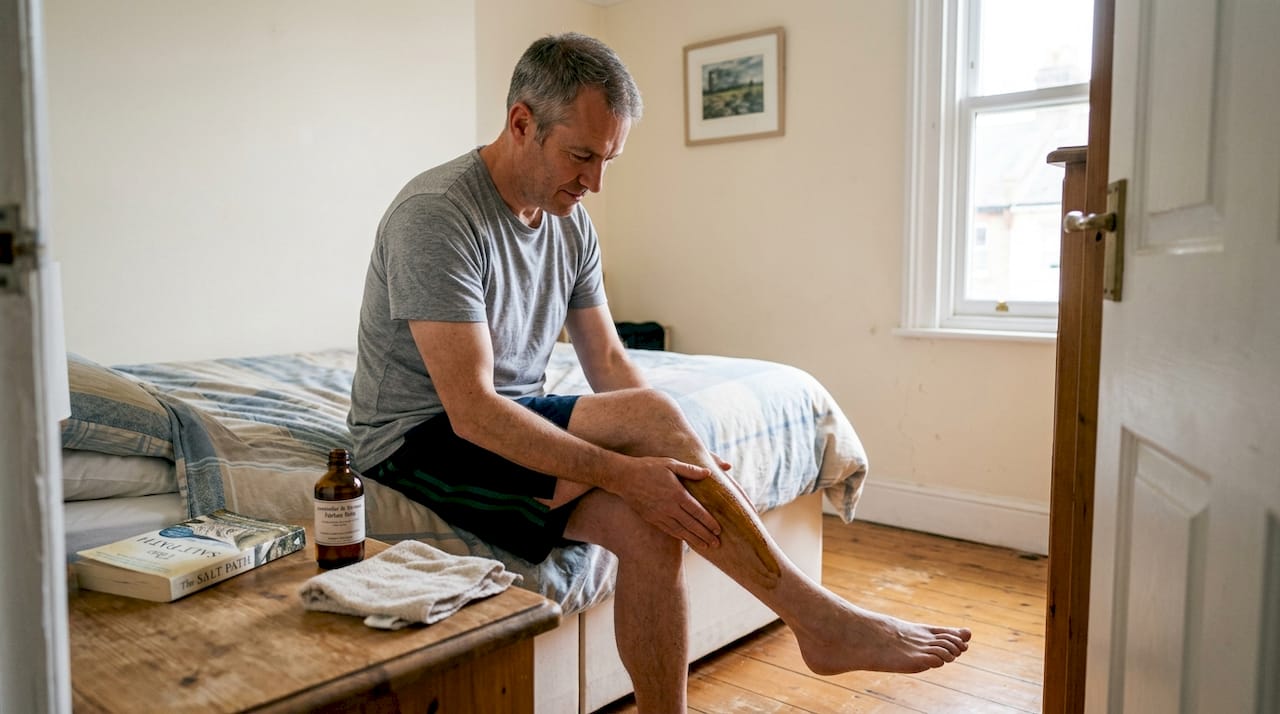
For everyday use, self-massage techniques adapted from MLD can be practised at home. Using an oil during massage, such as castor oil or a poke root infusion, can help the hands glide smoothly and may add additional benefit to the routine. Learn more about lymphatic massage benefits and how to structure a herbal lymph massage at home. The mechanics of drainage massage are well documented for those wanting a deeper technical understanding.
Natural support for lymphatic drainage: remedies, herbs, and lifestyle
Manual techniques are only one part of the picture. Daily habits and natural remedies can meaningfully support lymphatic flow, particularly for those dealing with mild swelling or general sluggishness.
The NHS recommends a holistic approach to lymphoedema that includes specialised massage, compression garments, exercise, skincare, and a healthy diet. Traditional herbs such as cleavers are widely used for lymphatic support, though robust clinical trial evidence remains limited.
| Approach | What it does | Evidence level |
|---|---|---|
| Specialised massage (MLD) | Moves lymph fluid, reduces swelling | Strong for lymphoedema |
| Compression garments | Prevents fluid re-accumulation | Strong for lymphoedema |
| Exercise and movement | Stimulates lymph flow via muscle action | Strong, widely recommended |
| Hydration | Maintains fluid balance and viscosity | Moderate, practical |
| Dry brushing | Stimulates surface circulation | Anecdotal, low risk |
| Cleavers and herbal teas | Traditional lymphatic support | Limited RCT evidence |
| Castor oil massage | Topical support, traditional use | Anecdotal, low risk |
Practical self-care tips to support lymphatic flow daily:
- Drink adequate water throughout the day, aiming for 1.5 to 2 litres
- Walk or move for at least 30 minutes daily to activate muscle pumping
- Try dry brushing before showering, using long strokes towards the heart
- Incorporate herbal teas such as cleavers or red clover into your routine
- Elevate swollen limbs when resting to assist fluid return
- Avoid prolonged sitting or standing without movement breaks
For those wanting to boost lymphatic flow naturally, combining movement with topical support offers the most practical starting point. Exploring lymphatic detox herbs and reading a herbal remedy comparison can help you make informed choices.
Pro Tip: Herbal remedies work best as part of a broader routine. Do not replace NHS-recommended care with herbs alone, particularly if your swelling is significant or worsening.
Safety, side effects, and who should avoid lymphatic drainage
Lymphatic drainage is generally safe for most people. However, there are clear situations where it is not appropriate, and knowing them matters.
MLD is considered safe and well-tolerated but is not suitable for everyone. Specific contraindications include acute infection, congestive heart failure, deep vein thrombosis, and active cancer. In these cases, stimulating lymph flow without medical supervision can cause harm.
Who should avoid MLD without medical clearance:
- Anyone with an active infection, including cellulitis or fever
- Those with congestive heart failure or significant cardiac conditions
- Individuals with known or suspected deep vein thrombosis
- People currently undergoing active cancer treatment
- Those with untreated thyroid conditions or kidney disease
For the general population without these conditions, self-massage and gentle drainage techniques carry minimal risk. The key is starting gently, using appropriate pressure, and not forcing fluid movement in areas that are acutely inflamed or painful.
“MLD is more effective in early and mild cases. Self-massage is possible for some with professional advice, but always consult a healthcare provider if you have or suspect lymphedema.”
MLD is most effective in early or mild presentations. Waiting until swelling is severe reduces the effectiveness of any intervention, manual or herbal. For those exploring remedies for swelling, acting early and consistently produces better outcomes than occasional intensive treatments.
If you are unsure whether drainage techniques are suitable for you, a brief conversation with your GP is the most efficient step. Qualified lymphoedema therapists are available through the NHS in many areas and can provide personalised guidance.
The uncomfortable truth about natural lymphatic drainage
Most wellness content about lymphatic drainage overstates what it can do for healthy people. The strongest evidence applies to those with diagnosed lymphoedema, post-surgical swelling, or cancer-related fluid retention. For someone without these conditions, the benefits of regular MLD or herbal supplements are real but modest.
This does not mean natural support is pointless. It means the foundation matters more than the remedy. Consistent movement, adequate hydration, and avoiding prolonged stagnation do more for lymphatic health than any single product or treatment. Daily habits are the mechanism. Everything else is supplementary.
Many people reach for a holistic balance remedy when what they actually need is to move more, drink more water, and reduce inflammatory load through diet. Herbs and oils support a system that is already being looked after. They are not a substitute for the basics.
The honest position is this: natural lymphatic support works best as a consistent, layered practice. Not a one-off detox. Not a trending technique. A daily commitment to the conditions your lymphatic system needs to function.
Explore trusted support for your lymphatic health
If you are ready to take a practical, evidence-informed approach to lymphatic health, the right tools make a difference.
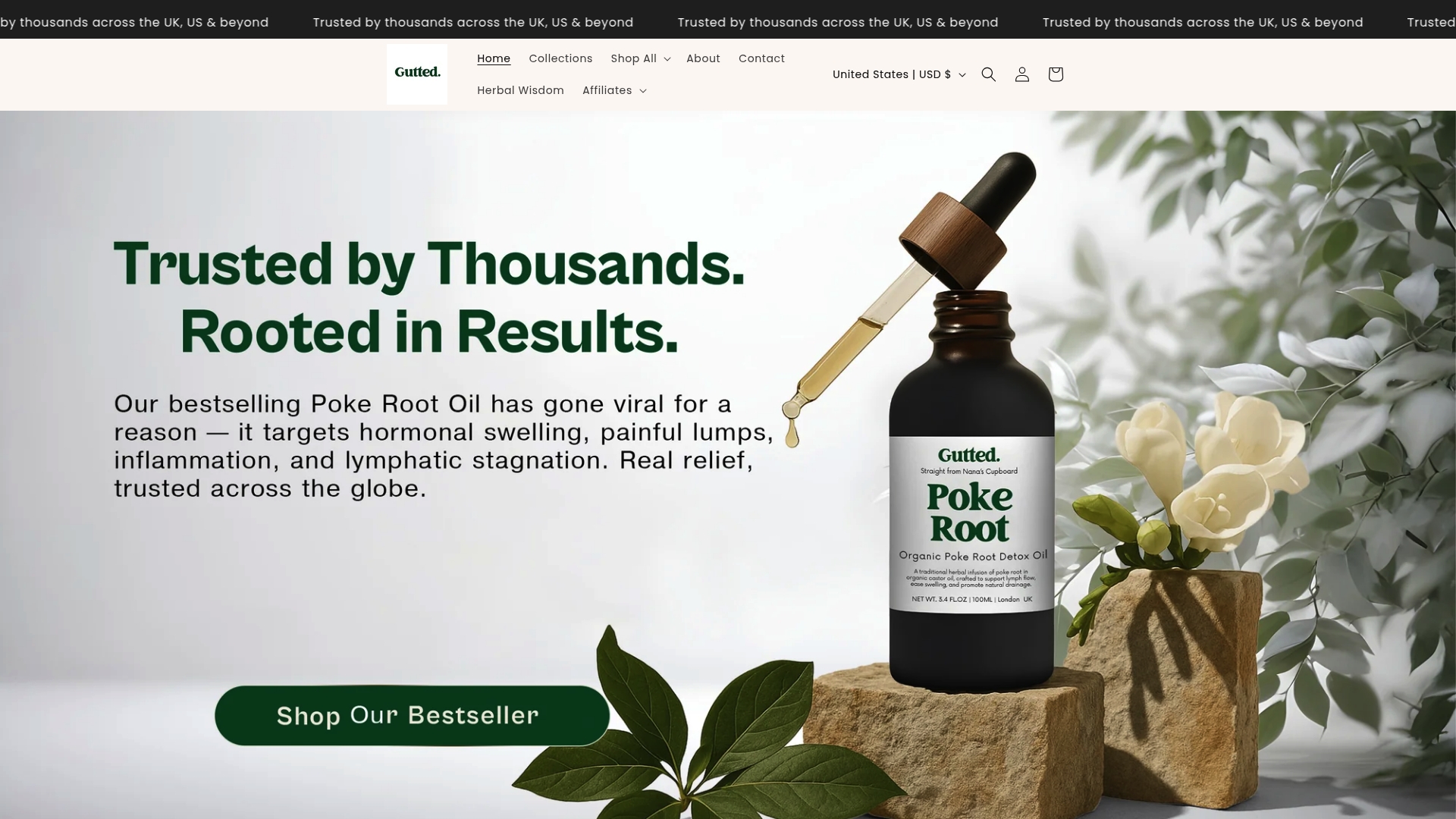
At Get Gutted, we offer handcrafted herbal products designed to support lymphatic drainage and reduce swelling naturally. Our Organic Poke Root Oil infused in Castor Oil is used as part of daily massage routines to support fluid movement and ease areas of discomfort. Alongside this, our Soursop Leaves, Apricot Kernels, and Essiac tea blends offer complementary internal support for detox and balance. Each product is made in small batches using traditional slow-infusion methods. Explore the full range and find what fits your routine.
Frequently asked questions
What symptoms suggest my lymphatic system could use support?
Common signs include persistent swelling of the arms or legs, sluggishness, recurrent infections, or a feeling of heaviness. Poor lymph flow can also contribute to fatigue and skin changes.
Can I safely do lymphatic drainage at home?
Gentle self-massage techniques can help, but always consult a healthcare provider if you have or suspect lymphoedema or other medical conditions. Self-massage guidance from a professional is crucial for those with lymphoedema risk.
Are herbal remedies for lymphatic health backed by evidence?
Some herbs like cleavers are traditionally used for lymphatic support, but robust scientific proof is limited. Prioritise well-established lifestyle measures and use herbs as a complement, not a replacement.
Who should avoid lymphatic drainage treatments?
Those with acute infection, heart problems, blood clots, or active cancer should avoid these treatments unless advised otherwise by a medical professional. MLD is unsuitable for several specific conditions.
How quickly can I expect results from lymphatic drainage?
Some people notice reduced swelling within days, especially when combined with compression and movement. Regular MLD practice and compression yield measurable results, but longer-term changes depend on consistent self-care.