

Swollen lymph nodes: overlooked natural causes & relief
TL;DR:
- Most swollen lymph nodes result from minor infections like colds, skin, or dental issues.
- Home care including rest, hydration, warm compresses, and gentle movement effectively support recovery.
- Seek medical advice if swelling persists beyond two weeks or shows signs of being serious.
Most swollen lymph nodes have nothing to do with serious illness. In fact, viral infections cause most cases of lymph node swelling, yet many people assume the worst the moment they feel a lump. The lymphatic system is one of the body’s quietest workers, filtering waste, moving fluid, and coordinating immune responses every single day. When it signals distress through swelling or tenderness, the cause is usually something minor and temporary. This article breaks down what actually triggers swollen lymph nodes, which natural causes most people overlook, and what you can safely do at home to support your body’s recovery.
Table of Contents
- What swollen lymph nodes mean: breaking down basics
- Common natural triggers most people ignore
- Natural relief and care: what works and what to avoid
- When to worry: red flags and persistent swelling
- What most people (and the internet) get wrong about lymph node swelling
- Looking for natural lymphatic wellness support?
- Frequently asked questions
Key Takeaways
| Point | Details |
|---|---|
| Most swelling is harmless | Swollen lymph nodes are usually caused by minor viral or bacterial infections overlooked by most people. |
| Know the warning signs | Persistent swelling, hard lumps, or other symptoms warrant a visit to your GP. |
| Natural care is often enough | Resting, staying hydrated, and using simple home remedies usually resolve the swelling in a week or two. |
| Evidence first with remedies | Consult your doctor before trying herbal solutions, as many are unproven and may interact with medications. |
What swollen lymph nodes mean: breaking down basics
The lymphatic system is essentially your body’s internal drainage network. It carries a clear fluid called lymph through a series of vessels and nodes, collecting waste products, bacteria, and other unwanted material before filtering it out. Think of lymph nodes as small checkpoints stationed throughout the body. They are not passive. When they detect something that needs attention, immune cells inside them multiply rapidly to deal with the threat.
Lymph nodes swell as immune cells multiply to filter and fight infections. That swelling is not a malfunction. It is the system working exactly as it should.
Location tells you a lot. Different regions of the body drain into different clusters of nodes:
| Node region | Common location | What swelling may suggest |
|---|---|---|
| Head and neck | Under jaw, behind ears, sides of neck | Cold, sore throat, dental infection, ear infection |
| Underarms (axillary) | Armpit area | Skin infection, minor injury to arm or hand, breast tissue changes |
| Groin (inguinal) | Inner thigh, lower abdomen | Leg or foot infection, sexually transmitted infection, skin wound |
| Chest and abdomen | Internal, not felt by touch | Respiratory infection, gut inflammation |
Swelling in the neck is the most common presentation and is almost always linked to a minor upper respiratory infection. Underarm swelling can follow something as simple as a shaving nick or an insect bite on the arm. Groin swelling often follows a cut or blister on the foot that went unnoticed.
Common symptoms people report include:
- Tenderness or soreness when pressing the area
- A feeling of puffiness or fullness under the skin
- Heaviness in the affected limb or region
- Mild warmth around the swollen node
- Occasional aching that worsens with movement
These sensations are the body’s normal response to increased lymphatic activity. They are uncomfortable, but they are informative. Your body is communicating, not failing.
Common natural triggers most people ignore
Most people associate swollen lymph nodes with something alarming. The reality is far more ordinary. Minor bacterial, dental, skin, and viral infections are among the most common and most overlooked triggers. A mild cold that you barely noticed, a small dental abscess, a cat scratch, or a tiny cut on your finger can all prompt a node to swell.
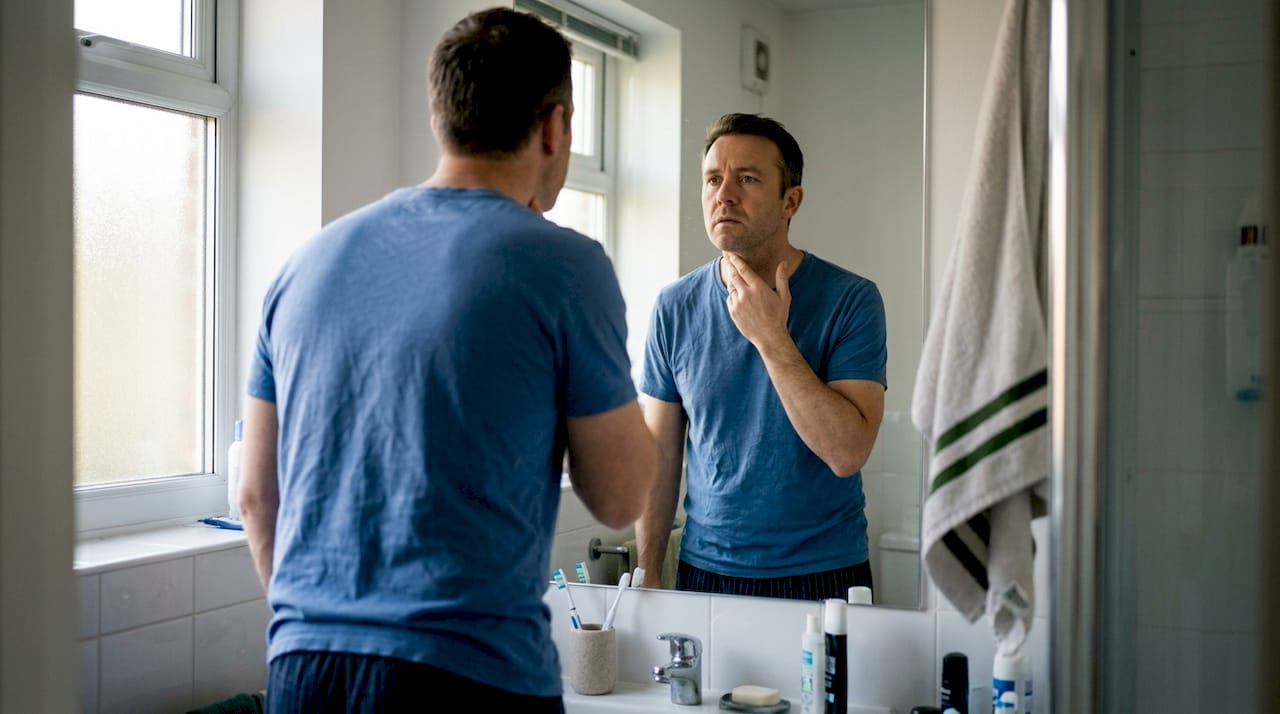
Viral infections drive over 90% of cases, yet most people dismiss these as too minor to be relevant.
Other natural causes that rarely get the attention they deserve:
- Allergies: Seasonal or food-related allergic reactions trigger immune activity that can cause temporary node swelling, particularly in the neck.
- Stress: Chronic stress suppresses and then rebounds the immune system, sometimes causing nodes to react.
- Toxin buildup and poor circulation: When lymphatic flow slows due to inactivity or fluid retention, waste accumulates and nodes can become congested and tender.
- Skin conditions: Eczema flares, infected ingrown hairs, or minor wounds near a node cluster are frequent but underappreciated triggers.
- Dental problems: Gum disease or a tooth infection can inflame the nodes under the jaw without causing obvious dental pain.
Here is a quick comparison to help you read the situation:
| Natural, benign causes | Red flag causes |
|---|---|
| Recent cold or sore throat | Swelling lasting over two weeks |
| Minor skin cut or scratch | Hard, fixed, or rapidly growing node |
| Dental infection or gum issue | Night sweats and unexplained weight loss |
| Seasonal allergies | Multiple regions swelling simultaneously |
| Insect bite or minor injury | No obvious infection or illness present |
“Most swollen lymph nodes resolve on their own once the underlying cause clears. The body is designed to manage these responses without intervention in the vast majority of cases.”
Lymphatic stagnation, where fluid and waste stop moving efficiently, is a growing area of interest in natural wellness. Poor hydration, sedentary habits, and chronic low-grade inflammation can all slow lymphatic flow. When the system stagnates, nodes can feel heavy, tender, and persistently enlarged even without an active infection.
Natural relief and care: what works and what to avoid
Knowing the true triggers brings us to practical steps you can take safely at home. The good news is that most swollen lymph nodes do not require medical treatment. They require support.
NHS-aligned home care focuses on rest, adequate fluid intake, and over-the-counter pain relief such as paracetamol or ibuprofen where appropriate. These are straightforward and effective for the majority of cases.
Here is a practical home relief routine:
- Rest: Give your immune system the energy it needs. Reduce physical demands while swelling is active.
- Hydrate: Lymph is largely water. Drinking enough fluid keeps the system moving and supports waste clearance.
- Warm compress: Apply a warm (not hot) cloth to the area for 10 to 15 minutes, two to three times daily. This encourages circulation without direct pressure.
- Gentle movement: Light walking or stretching stimulates lymphatic flow without straining the body. The lymphatic system has no pump of its own and relies on muscle movement.
- Lymphatic massage: Gentle, light-pressure massage along lymphatic pathways can support drainage. This is not the same as pressing directly on a swollen node, which should be avoided.
- Topical support: Some people incorporate topical oils such as castor oil or poke root oil into their wellness routine to support the area around swollen nodes. These are used as complementary support, not as replacements for medical care.
What to avoid:
- Pressing or squeezing directly on a swollen node
- Assuming herbal remedies alone will resolve an underlying infection
- Delaying a GP visit if red flags appear
Pro Tip: If swelling has not reduced after two weeks, or if you develop a fever, night sweats, or unexplained weight loss alongside it, book an appointment with your GP. Do not wait and hope.
When to worry: red flags and persistent swelling
For full peace of mind, it is important to know when natural swelling tips into something more serious. The majority of swollen lymph nodes are harmless and temporary. But some presentations require prompt medical attention.
Persistent swelling, hard nodes, or systemic symptoms are signals to see your GP without delay. Cancer risk associated with lymph node swelling does rise with age, which makes monitoring more important as you get older.
Symptoms that need urgent review:
- Swelling that has not reduced after two weeks
- A node that feels hard, rubbery, or fixed in place (does not move when pressed)
- Rapid growth of a lump
- Night sweats not explained by temperature or illness
- Unexplained weight loss of more than a few kilograms
- Swelling in multiple regions of the body at the same time
- Fatigue that does not improve with rest
- No obvious infection, illness, or injury to explain the swelling
It is worth noting that most people who visit their GP with swollen lymph nodes are sent home with reassurance. The body is generally very good at resolving these episodes. The risk is in ignoring the warning signs listed above, not in the swelling itself.
Age matters here. In younger individuals, swollen nodes are almost always benign. In adults over 40, and particularly over 60, unexplained persistent swelling warrants a faster response. This is not cause for panic. It is cause for prompt, sensible action.
What most people (and the internet) get wrong about lymph node swelling
The internet has a tendency to make swollen lymph nodes sound either completely harmless or immediately life-threatening. Neither extreme is useful. The truth sits in the middle, and it requires you to actually pay attention to your body over time.
One persistent myth is that herbal remedies can reliably shrink swollen nodes or treat the underlying cause. No high-confidence evidence supports herbal remedies for this purpose, and the NHS is clear that addressing the root cause and consulting a GP comes first. That does not mean herbal and natural approaches have no place. It means they work best as supportive tools alongside informed care, not as substitutes for it.
The other mistake we see is the opposite: dismissing every swollen node as dangerous and catastrophising before monitoring it properly. Most nodes that swell will resolve within one to two weeks without any intervention beyond rest and hydration.
The real risk is not the swelling itself. It is ignoring persistent signs that your body is asking for more than home care can offer.
Pro Tip: Set a two-week rule. If a swollen node has not reduced after 14 days, or if any red flag symptoms appear before then, contact your GP. This simple habit removes both unnecessary panic and dangerous delay.
Looking for natural lymphatic wellness support?
If you are exploring gentle, complementary ways to support your lymphatic system alongside proper medical guidance, lymphatic wellness support is what we focus on at Get Gutted.
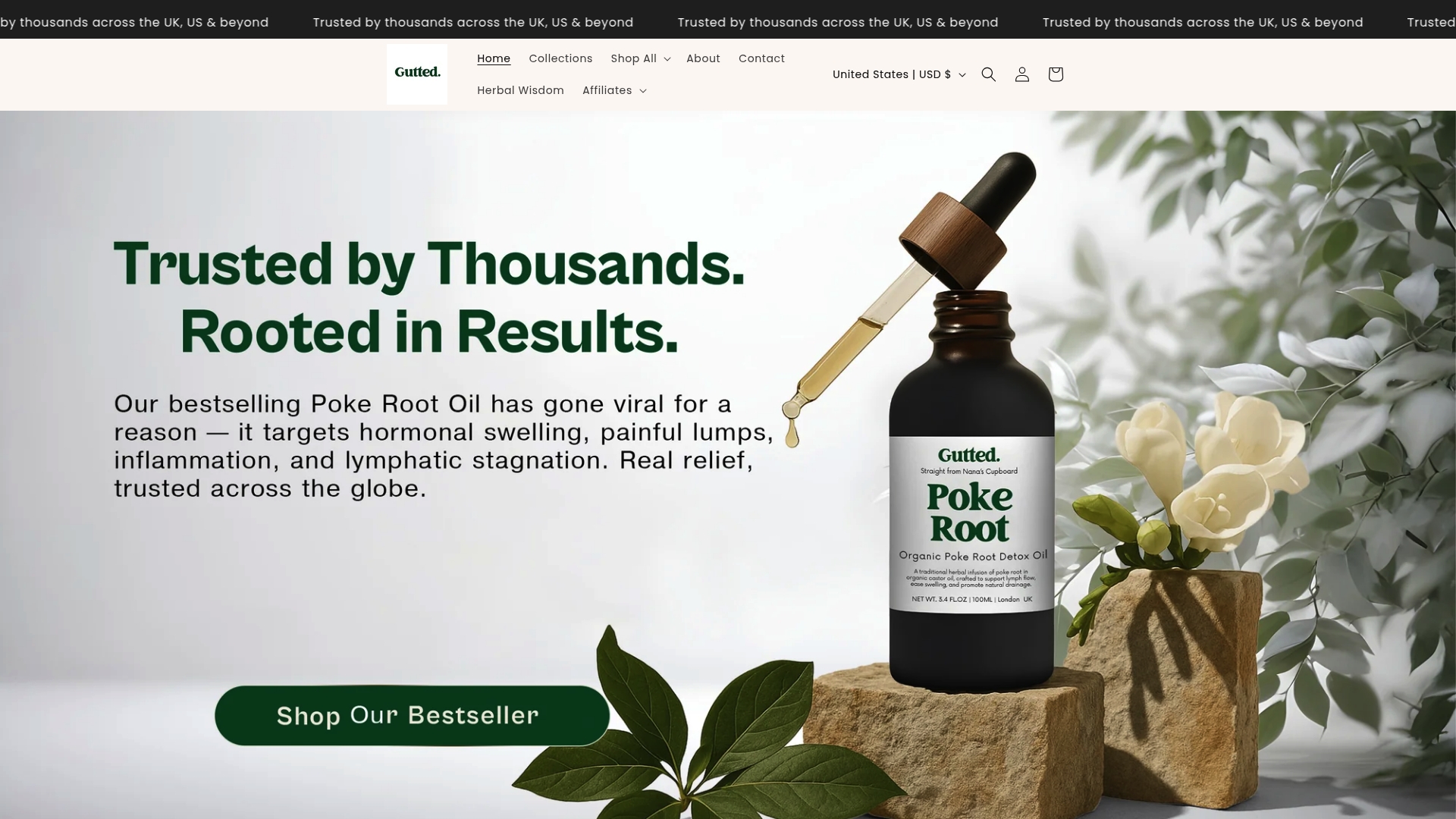
Our Organic Poke Root Oil infused in Castor Oil is used by customers seeking to support lymphatic drainage, ease areas of discomfort, and reduce fluid retention as part of a broader wellness routine. Each product is handcrafted in small batches using traditional slow-infusion methods. We also offer Soursop Leaves, Apricot Kernels, and Essiac tea blends for those looking to support detox and internal balance. Everything we make is designed to complement, not replace, sound medical advice.
Frequently asked questions
How long should swollen lymph nodes last before seeing a GP?
Most swelling resolves within one to two weeks. See your GP if it persists beyond two weeks, becomes hard, or is accompanied by other warning symptoms such as night sweats or unexplained weight loss.
Can allergies cause swollen lymph nodes?
Yes. Allergies and immune reactions can cause temporary lymph node swelling, particularly in the neck. This type of swelling is usually mild and resolves once the allergic response settles.
Are herbal remedies safe for swollen lymph nodes?
No proven herbal remedies exist for treating swollen lymph nodes directly. Always consult your GP before taking any supplement, particularly if you are on medication, to avoid potential interactions.
What should I avoid doing when my lymph nodes are swollen?
Avoid pressing or massaging directly on the swollen node. Instead, use warm compresses and rest alongside over-the-counter pain relief if needed, and allow the body time to resolve the underlying cause.