

Reduce swelling naturally: gentle methods for effective relief
TL;DR:
- Mechanical methods like elevation, movement, and massage are most effective for reducing swelling.
- Daily habits such as hydration, reducing salt, and regular movement help manage fluid retention.
- Seek medical attention for sudden, painful, or persistent swelling that does not respond to self-care.
Most people reach for a pill when swelling appears. Face puffiness in the morning, bloated ankles after a long flight, tender lymph nodes under the jaw — the instinct is to treat it chemically. But most effective swelling methods are mechanical, not chemical. That means movement, gravity, hydration, and touch often outperform anything in a packet. This article walks you through what actually causes swelling, which natural methods have real backing, and how to build a simple daily routine that supports your lymphatic system and keeps fluid moving where it should.
Table of Contents
- Understanding swelling: causes and when to be concerned
- Mechanical methods: movement, elevation, and massage
- Lifestyle habits to limit swelling and fluid retention
- Diet and supplements: what actually works?
- When to seek medical help for swelling
- Why natural swelling relief matters more than we think
- Discover more ways to boost natural wellness
- Frequently asked questions
Key Takeaways
| Point | Details |
|---|---|
| Use gentle physical methods | Elevation, movement, and massage are the most effective natural approaches for most everyday swelling. |
| Healthy habits support relief | Stay hydrated, limit salt, and maintain regular movement to help prevent or reduce swelling naturally. |
| Supplements are not proven | Robust evidence for herbal remedies is lacking; focus on trusted mechanical strategies first. |
| Know when to seek help | Persistent, severe, or one-sided swelling may indicate an underlying issue and requires a GP’s review. |
Understanding swelling: causes and when to be concerned
Swelling is your body holding onto fluid in places it shouldn’t. It happens for a wide range of reasons, and most of them are not dangerous. Understanding the cause helps you choose the right response.
Common triggers include:
- Injury or inflammation — the body sends fluid to an affected area as part of healing
- Poor lymphatic flow — when the lymphatic system slows down, fluid pools in tissues
- Water retention — often linked to high salt intake, hormonal shifts, or heat
- Prolonged sitting or standing — gravity pulls fluid into the lower limbs
- Underlying health conditions — heart, kidney, or thyroid issues can all cause oedema (fluid swelling)
Most everyday swelling, such as puffy eyes after poor sleep or swollen feet after a long day, resolves on its own with simple measures. But some swelling signals something that needs medical attention.
Red flags to watch for: sudden swelling in one limb only, swelling with pain or redness, swelling accompanied by fever, or any swelling that appears without a clear cause.
If you notice any of these, do not try to manage it at home first. Consult your GP for persistent, painful, or one-sided swelling, as these patterns can indicate blood clots, infection, or lymphatic obstruction that require proper diagnosis.
For most people reading this, swelling is a recurring, low-grade issue. Puffiness that comes and goes. Fluid that builds up through the week and eases at the weekend. That kind of swelling responds well to the methods below.
Mechanical methods: movement, elevation, and massage
Physical techniques are the most reliable tools for reducing swelling. They work by using gravity and muscle movement to shift fluid out of congested areas and back into circulation.
Elevation is the simplest starting point. When you raise a swollen limb above the level of your heart, gravity assists lymphatic and venous drainage. It is not complicated, but it works consistently.
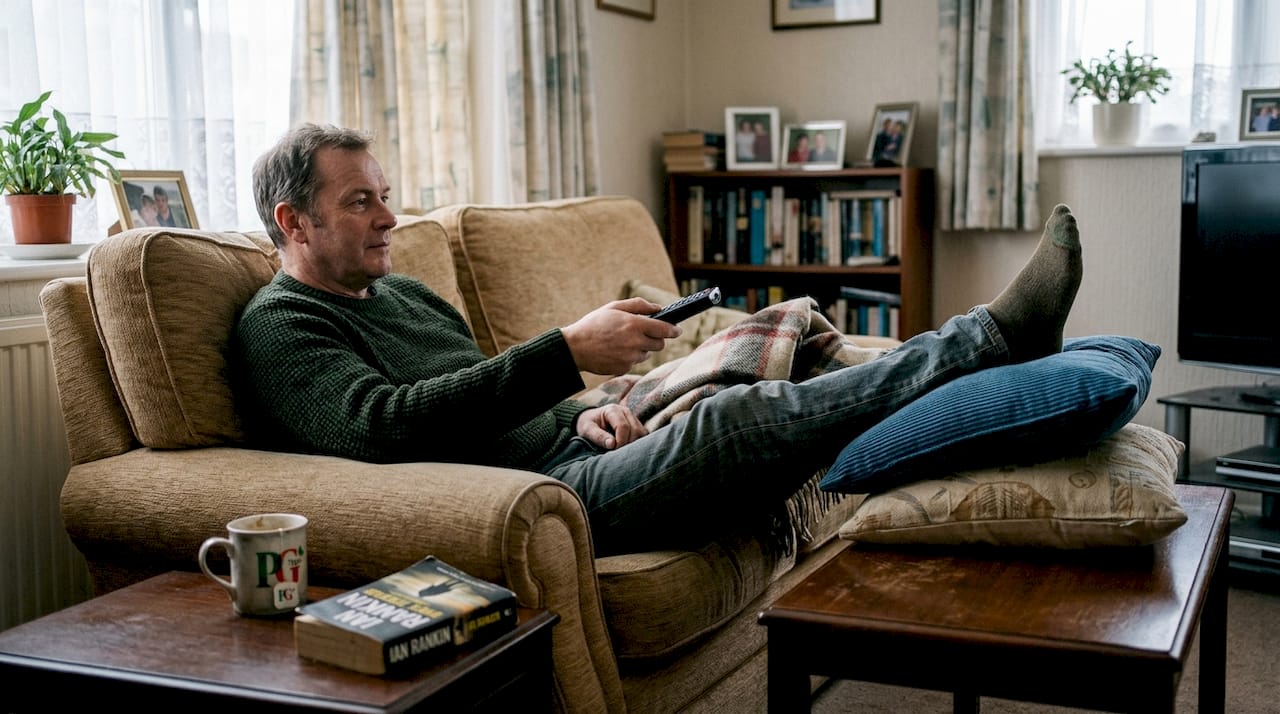
Gentle movement activates the muscles that surround your lymphatic vessels. Unlike the cardiovascular system, the lymphatic system has no pump. It relies entirely on muscle contractions and movement to keep fluid flowing. Walking, ankle circles, and gentle stretching all help.
Self-massage is effective when done correctly. Always work from the extremity towards the centre of the body, moving fluid in the direction of the heart. Light pressure is enough. You are not trying to force fluid; you are encouraging it to move.
Elevation, exercise, and gentle massage are the primary NHS-recommended methods for natural swelling relief.
Here is a simple step-by-step routine:
- Elevate the swollen area using pillows or a rolled blanket for 20 to 30 minutes
- Perform 10 to 15 gentle ankle pumps or wrist circles to activate surrounding muscles
- Walk at a comfortable pace for 10 minutes to stimulate lymphatic flow
- Apply light self-massage from the extremity towards the torso using slow, gentle strokes
- Rest with the limb elevated again if swelling persists
Pro Tip: Stack two pillows under your arm or leg when resting in the evening. Even 20 minutes of elevation while watching television can make a noticeable difference by morning.
| Method | Effectiveness | Cost | Safety |
|---|---|---|---|
| Elevation | High | Free | Very safe |
| Gentle exercise | High | Free | Very safe |
| Self-massage | Moderate to high | Free | Safe with correct technique |
| Herbal supplements | Limited evidence | Variable | Varies by product |
| Compression garments | High | Low to moderate | Safe if fitted correctly |
Lifestyle habits to limit swelling and fluid retention
Beyond direct physical techniques, daily habits have a significant influence on how much fluid your body holds. Small, consistent changes often produce better results than occasional intensive efforts.
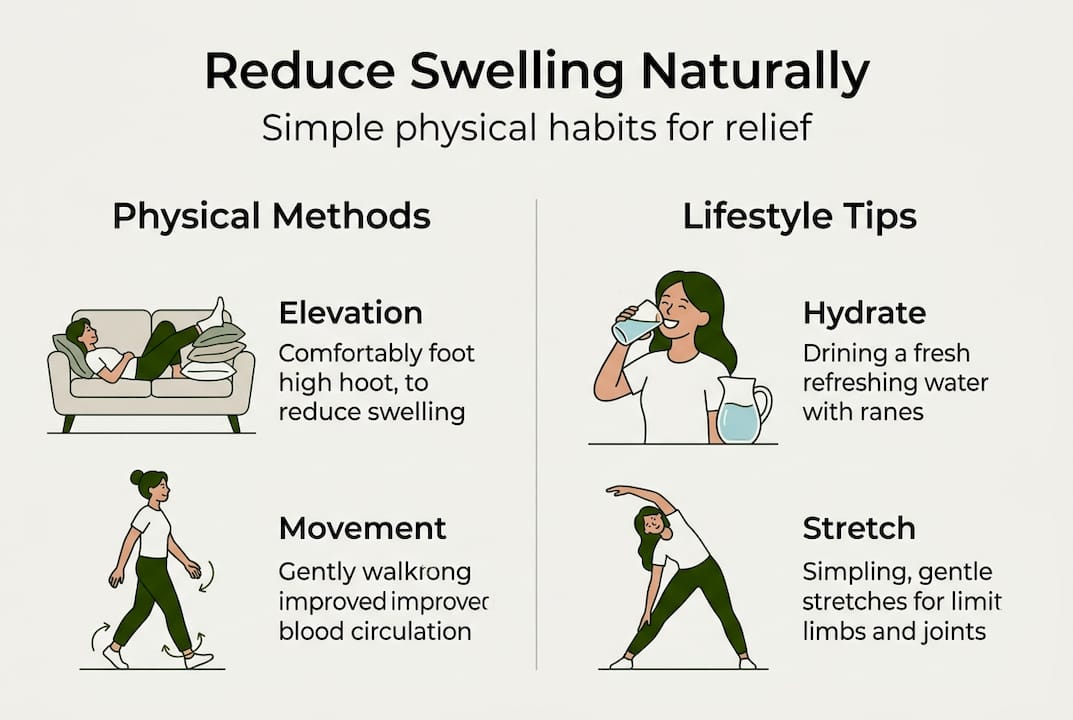
Hydration is counterintuitive for many people. Drinking more water when you are already retaining fluid seems backwards. But dehydration signals the body to hold onto every drop it has. When you are well hydrated, the body releases excess fluid more readily. Drink plenty of water and cut back on salt to help manage fluid balance and prevent retention.
Key lifestyle adjustments to make now:
- Reduce salt intake — aim to stay below 2,300mg of sodium per day, which is roughly one teaspoon
- Move regularly — avoid sitting or standing in one position for more than 60 minutes at a stretch
- Wear loose clothing — tight waistbands, socks, or sleeves restrict lymphatic flow
- Elevate legs when seated — even a small footstool makes a difference during long periods of desk work
- Limit alcohol — alcohol causes vasodilation and can worsen fluid retention
Stat to know: The average UK adult consumes around 8g of salt per day, which is significantly above the NHS recommended maximum of 6g. Reducing this alone can reduce fluid retention noticeably within days.
Pro Tip: If you work at a desk, set a timer to stand, stretch, and walk for two minutes every hour. This single habit keeps lymphatic flow active throughout the day and reduces end-of-day ankle swelling considerably.
Diet and supplements: what actually works?
What you eat influences inflammation and fluid balance, though the relationship is more gradual than mechanical methods. An anti-inflammatory diet supports overall health but is not the primary tool for acute swelling.
Foods worth prioritising:
- Omega-3 rich foods — oily fish, flaxseed, and walnuts reduce systemic inflammation over time
- Potassium-rich foods — bananas, sweet potatoes, and leafy greens help balance sodium levels
- Fruits and vegetables — particularly those with high water content such as cucumber, celery, and berries
- Herbal teas — options such as Essiac tea blends and soursop leaf infusions are used traditionally to support detox and internal balance
| Natural remedy | Evidence level | Best use | Safety notes |
|---|---|---|---|
| Elevation and movement | Strong | Acute and chronic swelling | Very safe |
| Anti-inflammatory diet | Moderate | Long-term inflammation | Safe |
| Castor oil topical application | Anecdotal to moderate | Localised discomfort and lymph support | Safe externally |
| Poke root oil | Traditional use | Lymphatic congestion support | Use as directed |
| Herbal supplements (oral) | Weak | General wellness | Varies — research individual herbs |
Important: Herbal supplements lack strong evidence for lymphatic drainage in clinical settings. This does not mean they have no value, but it does mean mechanical methods should come first, with herbal support used alongside rather than instead of physical techniques.
Topical support is a separate category. Castor oil applied to swollen areas has a long history of traditional use for drawing out inflammation and supporting lymphatic flow. When infused with poke root, it is used specifically to address areas of congestion and discomfort. This kind of topical application sits alongside your physical routine rather than replacing it.
When to seek medical help for swelling
Natural methods work well for most common swelling. But there are clear situations where home care is not enough and professional review is necessary.
Seek medical attention if you notice any of the following:
- Swelling that appears suddenly without a clear cause
- Swelling in only one limb, particularly the leg
- Swelling accompanied by redness, warmth, or pain
- Swelling with fever or general illness
- Swelling that does not respond to elevation and movement within 48 hours
- Difficulty moving the affected limb normally
Tracking your swelling is useful when you do see a GP. Note when it appears, how long it lasts, which areas are affected, and what you have already tried. This information helps your doctor identify patterns and rule out underlying conditions more efficiently.
From NHS guidance: Persistent swelling or swelling with pain needs a GP’s review to rule out underlying conditions such as deep vein thrombosis, lymphoedema, or organ-related causes.
Do not delay if symptoms are severe or sudden. Natural care is appropriate for mild to moderate, recurring swelling. It is not a substitute for diagnosis when something more serious may be happening.
Why natural swelling relief matters more than we think
There is a tendency to underestimate what simple, consistent physical care can do. Movement, hydration, elevation, and mindful eating are not exciting answers. They do not come in a bottle or arrive with a health claim on the label. But they are what the body actually responds to.
UK health authorities consistently recommend physical methods over supplement-based approaches, and for good reason. These methods work with the body’s existing systems rather than attempting to override them. The lymphatic system, in particular, is designed to respond to movement. Supporting it does not require anything elaborate.
The shift worth making is from looking for a quick fix to building a reliable routine. Knowing which self-care methods reduce your swelling, and when to apply them, is a form of body literacy that pays off over years, not just days.
Pro Tip: Keep a simple log of what you try and how your body responds. After two to three weeks, patterns become clear and you can refine your routine with confidence rather than guesswork.
Relying on natural, mechanical methods also removes unnecessary cost and risk. Most of what works is free. The rest, such as a good herbal oil or a quality tea blend, is low-cost and low-risk when chosen carefully.
Discover more ways to boost natural wellness
If this article has helped you see swelling differently, there is more practical guidance available. At Get Gutted, we focus on natural wellness support that works alongside the physical routines described here.
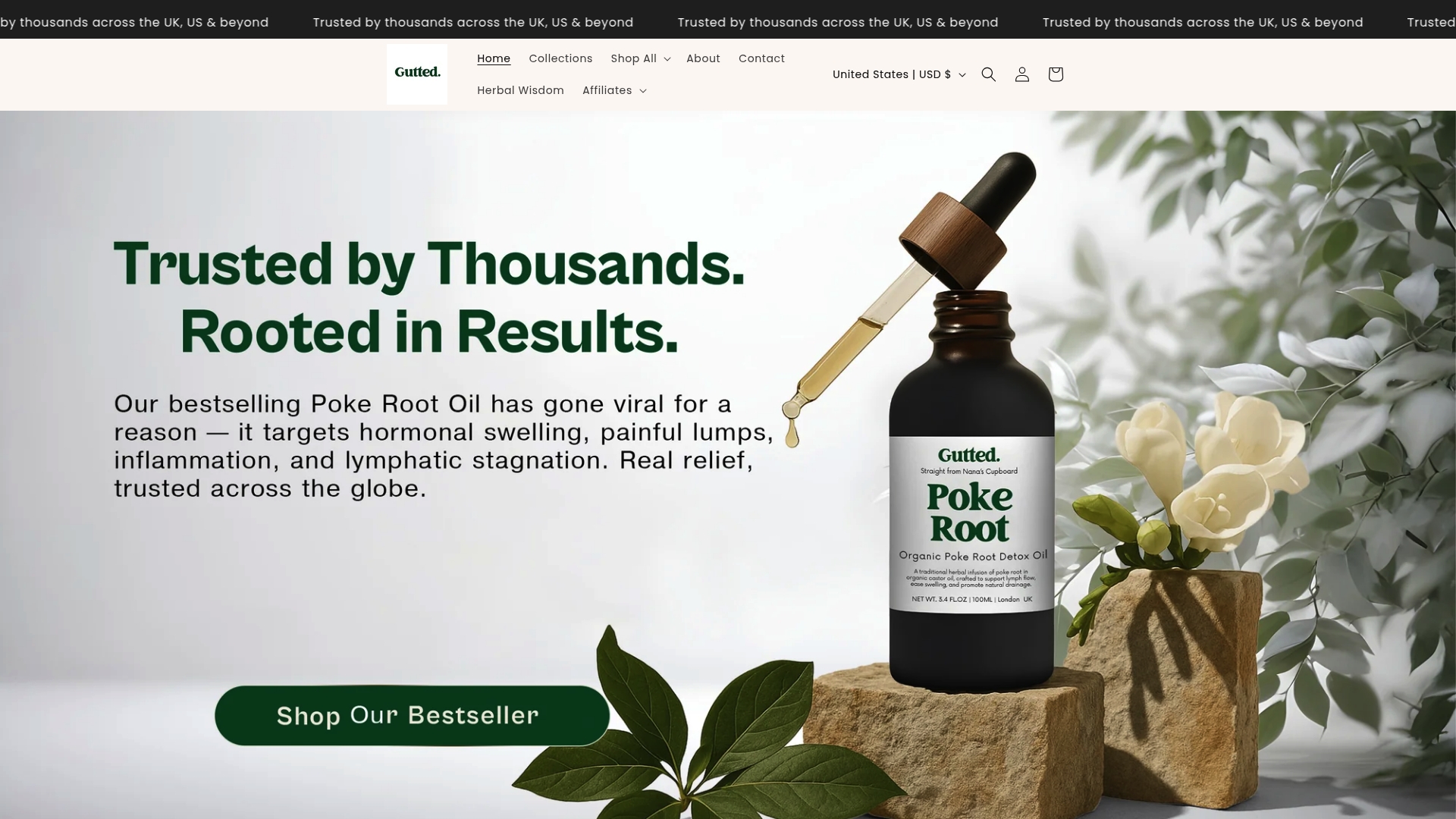
Our Organic Poke Root Oil infused in Castor Oil is professionally manufactured in the UK with a manufacturing partner bringing 75 years of expertise, designed to support lymphatic drainage and ease areas of discomfort topically. We also offer Soursop Leaves, Apricot Kernels, and Essiac tea blends for those looking to complement their self-care routine with trusted herbal options. Everything we offer is selected to support the body gently, without synthetic ingredients. Explore the range and find what fits your routine.
Frequently asked questions
What is the fastest natural way to reduce swelling?
Raising the affected area above heart level using pillows, combined with gentle movement such as ankle pumps, is the quickest NHS-recommended approach for natural swelling relief.
Can drinking water help swelling go down?
Yes. Staying well hydrated signals the body to release excess retained fluid, and reducing salt intake alongside this makes the effect more pronounced.
Do herbal remedies work for swelling?
Herbal supplements lack robust clinical evidence for lymphatic drainage; NHS guidelines prioritise mechanical methods such as movement and massage as the first line of natural care.
When should I see a doctor about swelling?
See your GP if swelling is sudden, painful, or one-sided, or if it does not improve with self-care methods within 48 hours.