

Lymphatic support explained: natural remedies and evidence
TL;DR:
- Supporting the lymphatic system requires consistent habits like exercise, hydration, and professional therapies.
- Herbal remedies have limited scientific evidence and may pose safety risks without regulation.
- Evidence-based strategies include movement, manual drainage, compression, and healthy lifestyle routines.
Many people assume that drinking a herbal tea or applying an oil for a few days will ‘detox’ their lymphatic system and solve swelling, fatigue, or fluid retention. That assumption is understandable but incomplete. The lymphatic system is one of the body’s most complex networks, and supporting it properly requires more than a quick fix. This guide covers what the lymphatic system actually does, what ‘support’ genuinely means, what the evidence says about herbal remedies, and which strategies are backed by clinical guidance. If you want clarity rather than marketing claims, this is the right place to start.
Table of Contents
- What is the lymphatic system and why does it matter?
- What does ‘lymphatic support’ mean?
- Herbal remedies for lymphatic support: what does the science say?
- Mechanical and lifestyle strategies: what actually works
- Why blending evidence and tradition gives the best results
- Support your wellness journey naturally
- Frequently asked questions
Key Takeaways
| Point | Details |
|---|---|
| Lymphatic support defined | It means aiding your body’s drainage and immune system through daily practices and informed choices. |
| Herbal evidence is limited | Most studies show herbal remedies have unclear benefits for lymphatic support and may have safety concerns. |
| Mechanical methods first | Experts recommend exercise, manual techniques, and healthy routines over unproven supplements. |
| Consult professionals | Discuss any supplement or remedy with a healthcare provider, especially if you have a medical condition. |
What is the lymphatic system and why does it matter?
The lymphatic system is a network of vessels, nodes, and fluid that runs throughout the body. Its three core jobs are maintaining fluid balance, removing cellular waste, and supporting your immune defence. Without it, excess fluid would accumulate in tissues, waste products would build up, and your body’s ability to fight infection would be severely compromised.
The main components work together as a system:
- Lymph fluid: A clear fluid that carries waste, proteins, and immune cells away from tissues
- Lymph vessels: Thin tubes that transport lymph fluid back towards the bloodstream
- Lymph nodes: Small glands that filter the fluid and trap bacteria, viruses, and damaged cells
- Organs: The spleen, thymus, and tonsils all play supporting roles in immune function
When this system is not draining properly, the consequences are noticeable. Swelling in the limbs (a condition called lymphoedema), a feeling of heaviness, increased susceptibility to infection, and generalised fatigue are all common signs. Lymphoedema can develop after surgery, cancer treatment, infection, or injury to lymph nodes.
The lymphatic system collects excess fluid, waste, and toxins from body tissues and plays a central role in immune function. When it is disrupted, fluid builds up and causes swelling that can be difficult to manage.
A common misconception is that a short-term ‘detox’ can reset or dramatically improve lymphatic function. In reality, the lymphatic system works continuously, and meaningful support involves consistent habits rather than periodic interventions. There is no switch to flip. The system responds to sustained physical activity, adequate hydration, and, where clinically indicated, professional therapies. Understanding this distinction is the foundation for making genuinely useful choices.
What does ‘lymphatic support’ mean?
The phrase ‘lymphatic support’ is used widely across wellness products, social media, and natural health communities. At its core, it refers to any practice or product claimed to help the lymphatic system function more effectively. That definition covers a broad range of approaches, from clinically validated methods to entirely unregulated products.
Common forms of lymphatic support include:
- Exercise: Movement stimulates lymph flow because the lymphatic system has no pump of its own
- Manual lymphatic drainage (MLD): A specialist massage technique used by trained therapists
- Compression garments: Prescribed for lymphoedema management
- Hydration and nutrition: Adequate fluid intake and a balanced diet support overall system function
- Deep breathing: Diaphragmatic movement assists lymph flow in the chest cavity
- Herbal remedies: Oils, teas, tinctures, and supplements marketed for drainage and detox
The table below compares what evidence and clinical guidelines support against what is popular in wellness marketing:
| Approach | Evidence level | Recommended by NHS/NICE? |
|---|---|---|
| Manual lymphatic drainage | Strong (for lymphoedema) | Yes |
| Compression therapy | Strong (for lymphoedema) | Yes |
| Exercise and movement | Strong | Yes |
| Hydration and nutrition | Moderate | Yes |
| Herbal teas and supplements | Limited or absent | No |
| Detox oils (topical, unregulated) | Insufficient | No |
As NHS guidance on lymphatic support makes clear, the most effective approaches are mechanical and lifestyle-based, not product-driven.
Pro Tip: True lymphatic support is built through consistent daily habits. A single massage session or a week of herbal tea will not produce lasting results. Sustainable routines matter far more than any single product.
It is also worth noting that unregulated approaches carry real risks. Products sold without regulatory oversight may contain undisclosed ingredients, inaccurate dosing information, or substances that interact with prescribed medications. That is not a reason to dismiss natural approaches entirely, but it is a reason to be selective and informed.
Herbal remedies for lymphatic support: what does the science say?
Herbal remedies are among the most popular choices for people seeking natural lymphatic support. Ingredients commonly promoted include Astragalus, red peony root, grape seed extract, cleavers, and red clover. Each is associated with claims around circulation, fluid balance, or immune function.
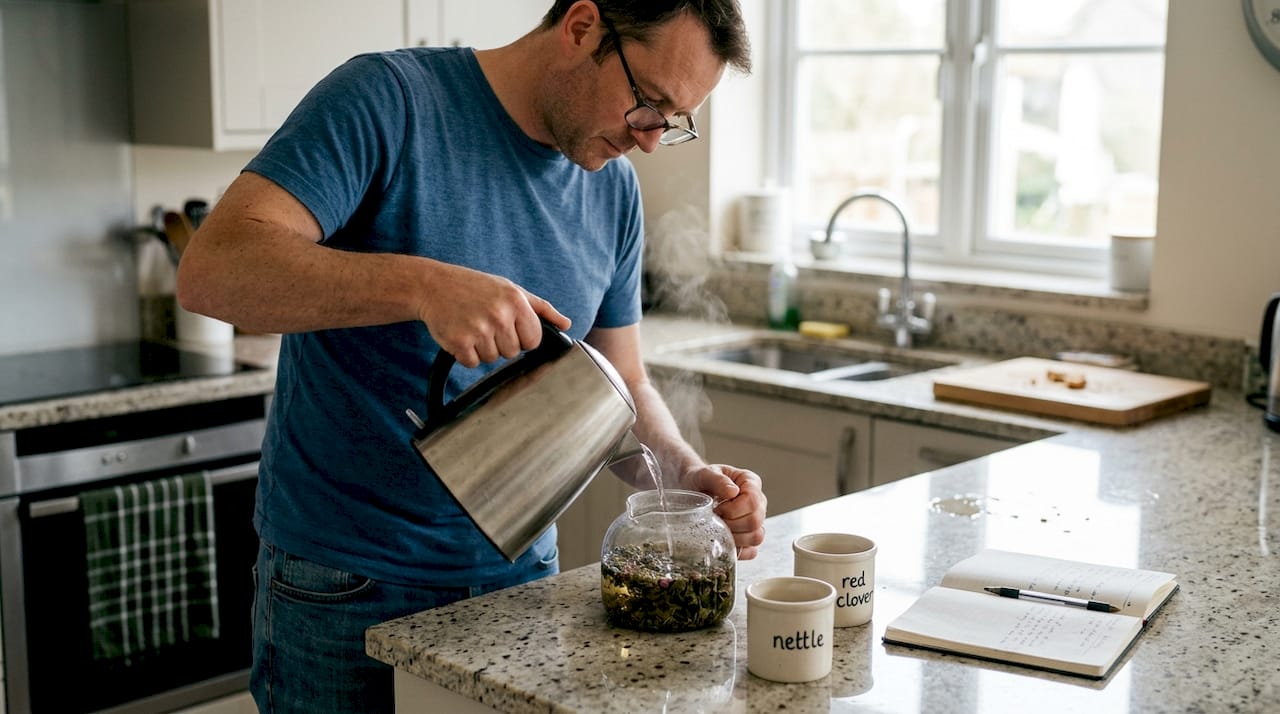
The evidence, however, is limited. A review of herbal extracts for lymphatic drainage found limited empirical data, with some trends observed in small studies but no statistically significant outcomes that would support clinical recommendations.
| Herb | Type of evidence | Safety concerns |
|---|---|---|
| Astragalus | Animal studies, small pilots | May interact with immunosuppressants |
| Red peony root | Traditional use, limited trials | Avoid in pregnancy |
| Grape seed extract | Small human trials | May affect blood thinners |
| Cleavers | Traditional use only | Minimal clinical data |
| Red clover | Some human trials | Hormonal effects possible |
The main limitations of existing research are:
- Studies are typically very small, often fewer than 30 participants
- Outcomes are inconsistent across different studies and populations
- Most trials lack control groups or blinding, reducing reliability
- Long-term safety data is largely absent
- Results from animal studies do not reliably translate to human outcomes
“The current body of evidence for herbal extracts in lymphatic drainage is insufficient to draw firm conclusions. Trends exist in some studies, but the data does not meet the threshold for clinical recommendation.”
The NHS also advises caution: unregulated herbal medicines carry particular risks for people on prescription medications, those who are pregnant, or anyone preparing for surgery. Interactions between herbal products and pharmaceutical drugs are well-documented but frequently underestimated by consumers.
Neither the NHS nor NICE currently endorses herbal remedies as a treatment or management tool for lymphatic conditions. That does not mean every herbal product is harmful, but it does mean the burden of proof has not yet been met.
Mechanical and lifestyle strategies: what actually works
For people dealing with lymphatic congestion, swelling, or diagnosed lymphoedema, the evidence consistently points towards mechanical and lifestyle-based approaches. These are the strategies that clinical guidelines prioritise.
Key evidence-based strategies include:
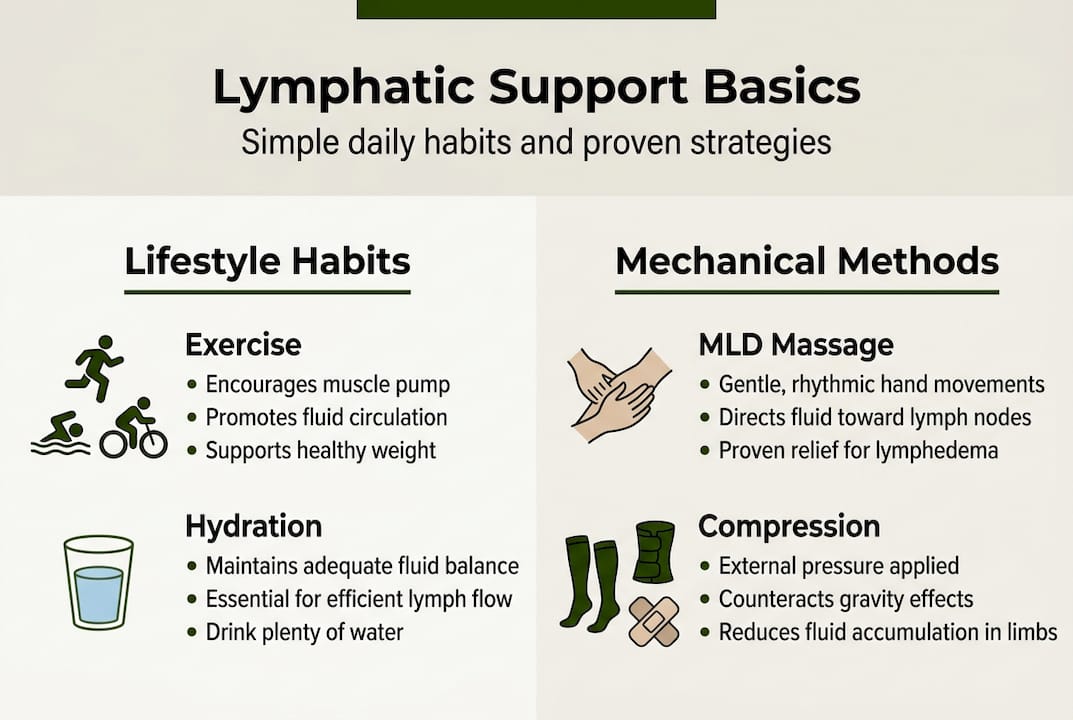
- Regular movement: Walking, swimming, and yoga all stimulate lymph flow without placing excessive strain on the body
- Manual lymphatic drainage: Performed by a trained therapist, MLD uses gentle, rhythmic strokes to encourage fluid movement
- Compression garments: Prescribed and fitted by a specialist, these apply consistent pressure to reduce swelling
- Deep breathing exercises: Slow, diaphragmatic breathing creates pressure changes that assist lymph movement through the thoracic duct
- Balanced nutrition: Reducing excess sodium and maintaining a healthy weight reduces the burden on the lymphatic system
- Adequate hydration: Lymph fluid is water-based; dehydration thickens it and slows movement
As clinical guidelines prioritise MLD, compression, and exercise over herbal approaches, and NHS-approved mechanical support remains the standard of care for diagnosed lymphoedema, these methods should form the core of any serious approach to lymphatic health.
Pro Tip: Build lymphatic-friendly habits into your existing routine rather than treating them as separate tasks. A 20-minute walk after meals, a few minutes of deep breathing before bed, and consistent hydration throughout the day are far more effective than occasional intensive efforts.
Some groups need to take extra care. Cancer survivors, people on anticoagulants or immunosuppressants, those who are pregnant, and anyone with active infection should consult a healthcare professional before starting any new lymphatic support programme, whether herbal or mechanical. Lifestyle strategies complement professional care; they do not replace it for diagnosed conditions.
Why blending evidence and tradition gives the best results
Many UK readers find themselves caught between two positions. On one side, clinical guidelines that focus on compression and MLD but say little about everyday wellness. On the other, a wellness market full of products making bold claims with limited evidence behind them.
The honest position is that neither extreme serves you well. Dismissing all traditional herbal knowledge because large-scale trials are lacking ignores centuries of use and emerging research. But placing full trust in unregulated products without understanding their limitations is equally unwise.
What works in practice is a layered approach. Mechanical methods and lifestyle habits form the foundation because the evidence supports them clearly. Herbal products, when chosen carefully and used with awareness of their limitations, can sit alongside that foundation as a complement, not a replacement. The key is knowing which is which.
The most effective self-care is not the most dramatic. It is consistent, informed, and realistic about what any single product or practice can achieve. Everyday movement, professional support where needed, and a critical eye towards wellness claims will serve you better than any promised shortcut.
Support your wellness journey naturally
Understanding the lymphatic system is the first step. Acting on that understanding is the next one.
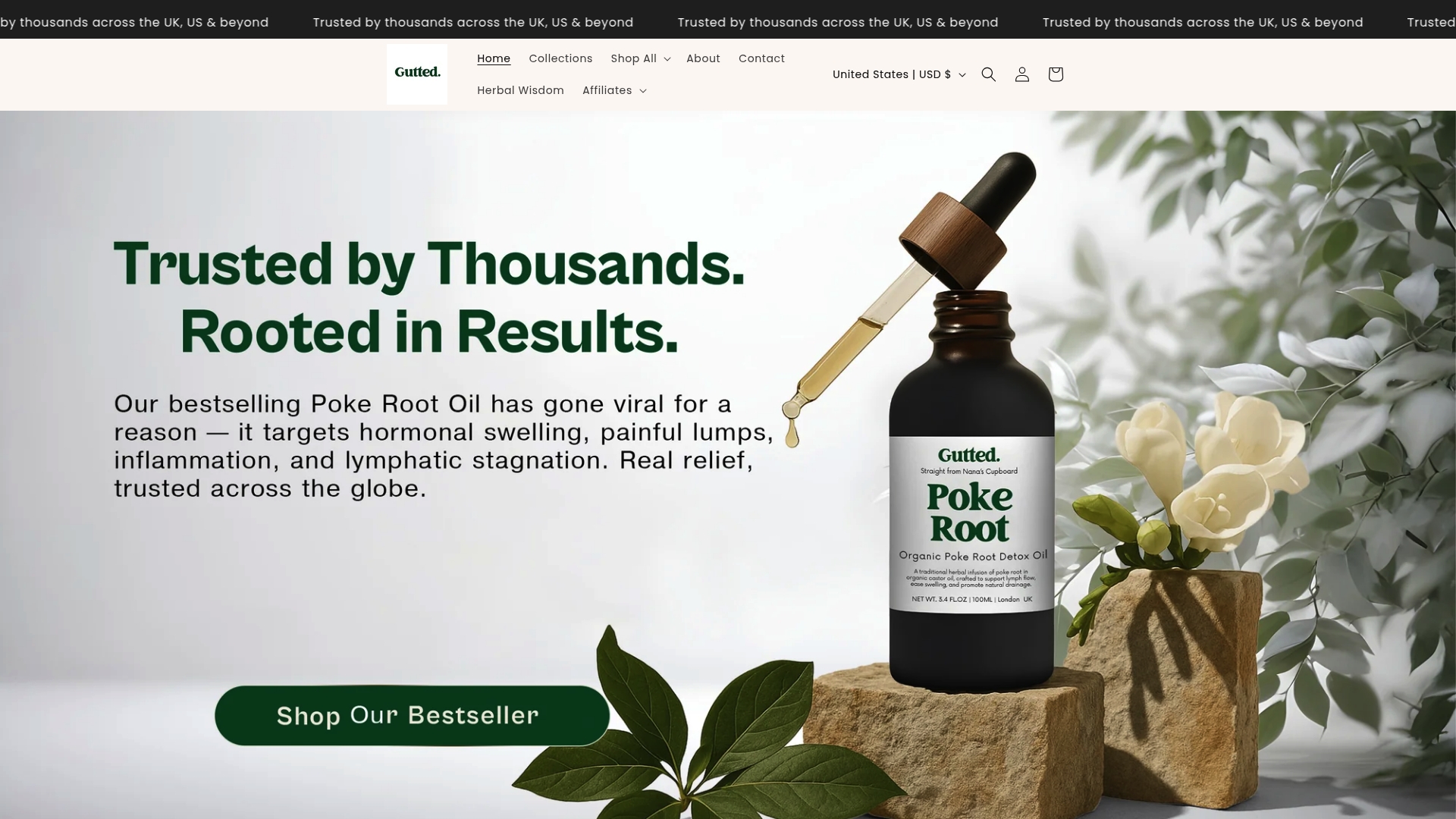
At Get Gutted, we offer a range of handcrafted herbal wellness products designed for people who want to support their body naturally and thoughtfully. Our Organic Poke Root Oil infused in Castor Oil, Soursop Leaves, Apricot Kernels, and Essiac tea blends are all made in small batches using traditional slow-infusion methods. We do not make clinical claims, but we do offer carefully prepared, natural wellness resources for those who want to complement their evidence-based routines with trusted herbal options. Explore what we offer and make informed choices that fit your lifestyle.
Frequently asked questions
Can herbal remedies replace mechanical lymphatic support methods?
Herbal remedies should not replace proven mechanical methods such as exercise and manual lymphatic drainage. They may serve as adjuncts for general wellness, but NHS guidance on lymphoedema does not endorse herbs as a substitute for clinical approaches.
Are over-the-counter lymphatic teas and supplements safe?
Many herbal supplements are unregulated and may interact with medications or cause side effects. Unregulated herbal medicines carry particular risks for vulnerable groups including those on prescription drugs, pregnant women, and people awaiting surgery.
What simple lifestyle habits best support lymphatic health?
Regular movement, deep breathing, proper hydration, and balanced nutrition are the most effective daily habits for supporting the lymphatic system. Mechanical support methods including exercise and compression are preferred by clinical guidelines.
Who should avoid herbal lymphatic products?
People who are pregnant, taking prescription medicines, or recovering from surgery should avoid unregulated herbal products unless a qualified healthcare professional has advised otherwise. NHS guidance on herbal medicines highlights these groups as being at particular risk of adverse interactions.