

Herbal remedies for chronic inflammation: top 9 herbs
Herbal remedies for chronic inflammation are plant-based treatments that modulate key inflammatory pathways, including COX-2, 5-LOX, and NF-κB, to reduce pain and support long-term symptom management. Unlike pharmaceutical anti-inflammatories, the best herbs for chronic inflammation work across multiple biological targets simultaneously, making them particularly suited to conditions that persist for months or years. Turmeric, boswellia, and ginger lead the clinical evidence, but several other botanicals offer meaningful support when used consistently. This guide covers the top nine herbs, how to combine them safely, what timelines to expect, and where professional guidance matters most.
1. What are the best herbal remedies for chronic inflammation?
Chronic inflammation is the body’s sustained immune response to ongoing injury, infection, or metabolic stress. It underlies conditions from rheumatoid arthritis to inflammatory bowel disease. The most effective herbal treatments for inflammation target this response at the biochemical level, not just the symptom.
The nine herbs below have the strongest clinical and mechanistic evidence. Each works differently, which is why combining them often produces better results than using any single herb alone.
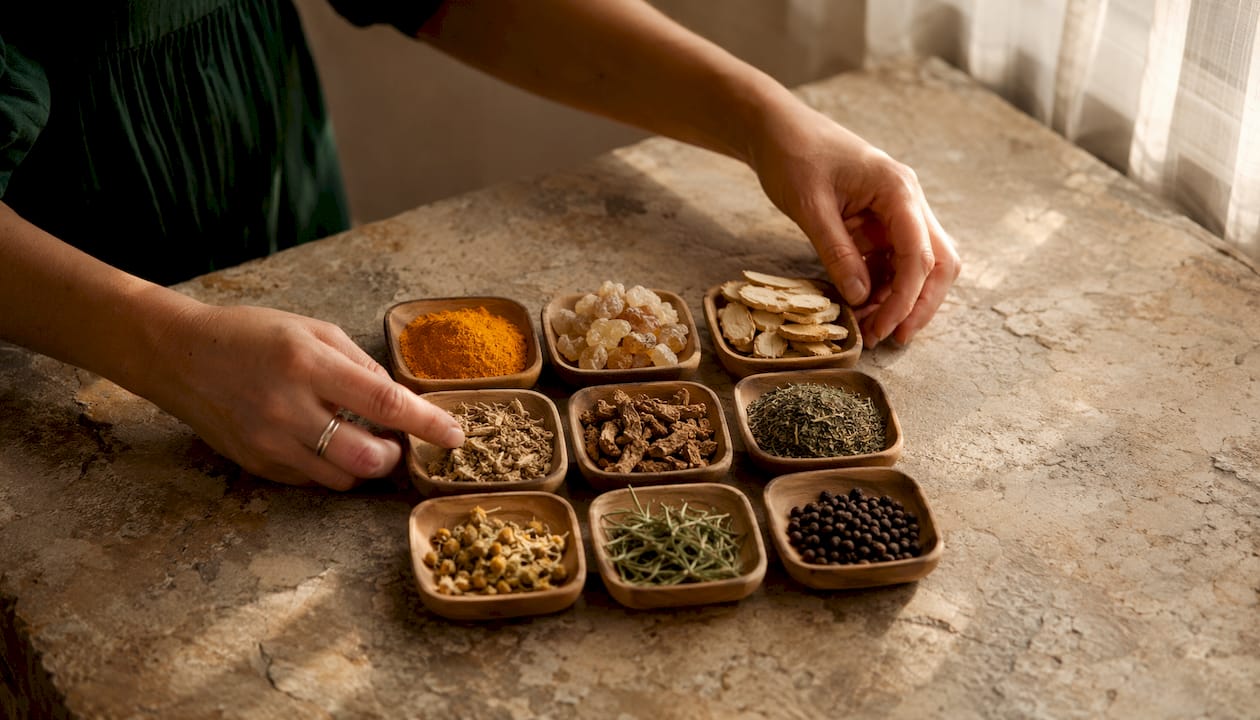
2. Turmeric (Curcuma longa)
Turmeric is the most studied natural anti-inflammatory herb in clinical literature. Its active compounds, curcuminoids, suppress NF-κB activation, inhibit COX-2 enzymes, and reduce pro-inflammatory cytokines including TNF-α and IL-6. Curcumin dosages up to 12 g/day are well tolerated in adults, with 500–1,500 mg/day of curcuminoids being the standard therapeutic range for joint support.
Curcumin has poor natural bioavailability. Taking it with black pepper extract (piperine) or in a lipid-based formulation increases absorption substantially. Without this, much of the dose passes through the gut unused.
Pro Tip: Pair turmeric with a fat-containing meal and a piperine supplement to maximise curcumin absorption.
3. Boswellia (Boswellia serrata)
Boswellia targets the 5-LOX pathway, which turmeric does not address as directly. This makes it an ideal partner herb. Its active compounds, boswellic acids, reduce leukotriene production and slow cartilage degradation in joint tissue. A Cochrane synthesis reports a 17-point VAS pain reduction at 90 days in osteoarthritis patients, which is clinically meaningful.
The standard therapeutic dose is 300–500 mg/day of boswellia extract. Boswellia does carry a rare risk of hepatic effects and interacts with drugs metabolised via the CYP3A4 enzyme pathway. Anyone on statins, immunosuppressants, or anticoagulants should check with their GP before starting.
4. Ginger (Zingiber officinale)
Ginger’s active compounds, gingerols and shogaols, inhibit both COX and LOX enzymes and suppress prostaglandin synthesis. Ginger delivers broader anti-inflammatory coverage than many single-pathway NSAIDs. Clinical trials show meaningful relief in osteoarthritis and post-exercise muscle soreness.
Fresh ginger, dried ginger, and standardised extracts all carry activity, though extracts provide more consistent dosing. The main side effect is mild GI upset, which usually resolves when ginger is taken with food.
5. Willow bark (Salix alba)
Willow bark contains salicin, the precursor compound to aspirin. The standard therapeutic dose is 120–240 mg/day of salicin. It reduces pain and inflammation through COX inhibition, though its onset is slower than pharmaceutical salicylates because salicin requires conversion in the gut.
Willow bark is not appropriate for people with aspirin sensitivity, bleeding disorders, or those already taking blood-thinning medication. It is one of the oldest recorded herbal pain treatments in European botanical medicine, with documented use stretching back to ancient Greece.
6. Devil’s claw (Harpagophytum procumbens)
Devil’s claw is a southern African root with strong evidence for lower back pain and osteoarthritis. Its active compound, harpagoside, inhibits COX-2 and reduces TNF-α. Devil’s claw delivers approximately 50–100 mg/day harpagoside at standard extract doses, which is the range associated with clinical benefit.
It carries a mild blood-thinning effect, so people on warfarin or other anticoagulants need medical supervision. Devil’s claw is generally well tolerated but should be avoided during pregnancy.
7. Green tea (Camellia sinensis)
Green tea’s primary anti-inflammatory compound is epigallocatechin gallate (EGCG), a polyphenol with antioxidant and NF-κB suppressing properties. Regular green tea consumption links to lower inflammatory markers and cardiovascular and joint benefits in population studies.
High-dose green tea supplements carry a rare but documented risk of liver toxicity. Drinking 3–4 cups of brewed green tea daily is the safest way to obtain EGCG. Concentrated extract capsules should be used cautiously and not combined with other hepatotoxic herbs.
8. Chamomile (Matricaria chamomilla)
Chamomile is often underestimated as an anti-inflammatory herb. Its flavonoids, particularly apigenin, inhibit COX-2 and reduce histamine release, making it useful for inflammatory conditions with an allergic or stress-related component. It also supports sleep quality, which matters because poor sleep amplifies systemic inflammation.
Chamomile is one of the gentlest options on this list. It suits people who are sensitive to stronger herbs or who need a calming adjunct to a more active herbal protocol. Topical chamomile preparations also reduce localised skin inflammation effectively.
9. Rosemary (Rosmarinus officinalis)
Rosemary contains rosmarinic acid and carnosic acid, both of which inhibit NF-κB and reduce oxidative stress. It is less studied than turmeric or boswellia in clinical trials, but its anti-inflammatory and antioxidant activity is well established in laboratory research. Rosemary works particularly well as a culinary addition to an anti-inflammatory diet, providing consistent low-level phytochemical exposure without the need for supplements.
How to combine herbs for inflammation support safely
Polyherbal formulations combining turmeric, ginger, and boswellia target multiple inflammatory pathways simultaneously, including COX-2, 5-LOX, and TNF-α, producing better symptom control than any single herb. This multi-target approach is why traditional herbal medicine rarely used single plants in isolation.
The most evidence-backed combination for chronic inflammation is:
- Turmeric (curcumin): 500–1,500 mg/day curcuminoids, targeting NF-κB and COX-2
- Boswellia: 300–500 mg/day extract, targeting 5-LOX and leukotriene production
- Ginger: 250–500 mg/day standardised extract, targeting COX, LOX, and prostaglandins
This trio covers the three major inflammatory pathways. Adding willow bark or devil’s claw extends pain relief further, particularly for musculoskeletal conditions.
Pro Tip: Start with one herb for two weeks before adding a second. This helps you identify which herb is driving benefit and which, if any, causes side effects.
Safety rules when combining herbs:
- Do not combine multiple blood-thinning herbs (willow bark, devil’s claw, ginger) without medical supervision.
- Avoid high-dose combinations during pregnancy or breastfeeding.
- Check for CYP3A4 interactions if you take prescription medication, particularly statins, anticoagulants, or immunosuppressants.
- Use standardised extracts where possible. Unstandardised products vary widely in active compound content.
For a deeper look at traditional herbal combinations used across cultures, Getgutted’s blog covers ancestral formulations with practical modern context.
Timelines and practical tips for herbal inflammation relief
Realistic expectations prevent early abandonment, which is the most common reason herbal treatments fail. Initial improvements appear after 2–4 weeks of consistent daily use. Maximal effects typically emerge at 8–12 weeks. Clinical experts recommend a 3–6 month evaluation period for chronic conditions before drawing conclusions about efficacy.
Follow this practical approach:
- Start a symptom log. Record pain levels, stiffness, and function daily. This makes progress visible even when improvement is gradual.
- Take herbs at the same time each day. Consistency matters more than timing. Morning with breakfast works well for most people.
- Do not skip doses. Missing several days resets the anti-inflammatory effect, particularly with boswellia and curcumin.
- Combine with dietary support. An omega-3-rich diet, reduced refined sugar, and adequate sleep all reduce the inflammatory load your herbs are working against.
- Review at 4 weeks and 12 weeks. Adjust doses with professional guidance if progress is insufficient.
- Do not stop abruptly if symptoms improve. Sustained benefit requires months of continued use. Premature cessation is the leading cause of relapse.
Safety considerations and professional guidance
Herbal remedies carry fewer side effects than NSAIDs in most people, but they are not without risk. The key safety concerns are:
- Drug interactions: Ginger, willow bark, and devil’s claw all have mild anticoagulant effects. Combined with warfarin or aspirin, the bleeding risk increases.
- CYP3A4 interactions: Boswellia and green tea extracts can alter how the liver metabolises certain prescription drugs.
- GI effects: Turmeric and ginger commonly cause mild nausea or heartburn at high doses. Taking them with food reduces this.
- Liver health: High-dose green tea extract and kava (not covered here) carry documented hepatotoxicity risk. Stick to recommended doses.
- Pregnancy and breastfeeding: Avoid therapeutic doses of ginger, willow bark, and devil’s claw during pregnancy. Chamomile and rosemary in culinary amounts are generally considered safe.
Herbal remedies should not replace conventional medicine in autoimmune or severe chronic inflammatory diseases. They work best as adjuncts under professional supervision, particularly when inflammation markers are being monitored and prescription medication is involved. Always inform your GP or specialist about any herbs you are taking.
Consistency and professional coordination are especially vital in autoimmune conditions such as lupus or rheumatoid arthritis, where herbal use alongside disease-modifying drugs requires careful monitoring. Getgutted’s guide on herbal products for lymphatic health covers how botanical support fits alongside broader wellness protocols.
Key takeaways
The most effective approach to herbal remedies for chronic inflammation combines turmeric, boswellia, and ginger to target COX-2, 5-LOX, and TNF-α pathways simultaneously, with consistent daily use over 8–12 weeks for maximal benefit.
| Point | Details |
|---|---|
| Multi-pathway targeting | Combine turmeric, boswellia, and ginger to cover COX-2, 5-LOX, and TNF-α pathways together. |
| Consistent daily use | Take herbs at the same time each day; missing doses resets anti-inflammatory progress. |
| Realistic timelines | Expect initial improvement at 2–4 weeks and maximal benefit at 8–12 weeks of sustained use. |
| Safety and interactions | Blood-thinning herbs require medical supervision, especially alongside anticoagulant medication. |
| Professional coordination | Always inform your GP when using herbal adjuncts, particularly for autoimmune or severe conditions. |
What I have learned from years of watching people use herbs for inflammation
People come to herbal remedies expecting speed. That is the first and most persistent misconception I encounter. Pharmaceutical painkillers work in hours. Herbs work in weeks. The people who get the most from botanical anti-inflammatories are those who treat them like a long-term investment, not a quick fix.
The second thing I have noticed is that single-herb approaches consistently underperform. Someone takes turmeric alone for a month, sees modest results, and concludes herbs do not work. What they missed is the 5-LOX pathway that boswellia covers, or the prostaglandin suppression that ginger adds. The synergy between these plants is not marketing language. It reflects how inflammation actually works: through multiple overlapping pathways that no single compound fully addresses.
What surprises most people is how much lifestyle factors amplify or undermine herbal results. I have seen people take a well-designed herbal protocol and get minimal benefit because they were sleeping five hours a night and eating a high-sugar diet. The herbs were fighting against a constant inflammatory input. Address the inputs, and the herbs do far more.
Chamomile is the herb I recommend most often to people who are overwhelmed or in pain-related stress cycles. It is gentle, it supports sleep, and it reduces the cortisol-driven inflammation that stronger herbs cannot fully address. It rarely gets the attention it deserves.
My honest advice: commit to three months, track your symptoms weekly, work with a practitioner who understands both herbal and conventional medicine, and do not underestimate the quieter herbs on this list.
— Mabel
Getgutted wellness kits for inflammation support
Managing chronic inflammation with herbs works best when dosing is consistent and product quality is controlled. Getgutted’s herbal wellness kits are curated with this in mind, combining standardised botanical extracts in formulations designed to support inflammation relief, lymphatic drainage, and overall bodily balance.
Each kit reflects Getgutted’s commitment to small-batch production, ingredient purity, and traditional herbal wisdom backed by modern understanding. For those ready to move from researching herbs to using them consistently, a structured kit removes the guesswork around sourcing and dosing. Visit Getgutted’s plant-based support guide to understand how these formulations fit into a broader wellness practice.
FAQ
What are the best herbs for chronic inflammation?
Turmeric, boswellia, and ginger are the most clinically supported herbs for chronic inflammation. They target COX-2, 5-LOX, and TNF-α pathways respectively, and work best when combined.
How long do herbal anti-inflammatories take to work?
Initial improvements typically appear after 2–4 weeks of daily use, with maximal effects at 8–12 weeks. Clinical experts recommend evaluating results over 3–6 months for chronic conditions.
Can you combine herbs for inflammation safely?
Yes, combining turmeric, boswellia, and ginger is safe for most adults and produces better results than single herbs alone. Avoid combining multiple blood-thinning herbs without medical supervision.
Do herbal remedies interact with prescription medication?
Several herbs interact with prescription drugs. Ginger, willow bark, and devil’s claw increase bleeding risk alongside anticoagulants. Boswellia and green tea extract affect CYP3A4-metabolised drugs. Always inform your GP before starting herbal treatment.
Are herbal remedies safe during pregnancy?
Therapeutic doses of ginger, willow bark, and devil’s claw are not recommended during pregnancy. Chamomile and rosemary in culinary amounts are generally considered safe, but consult a midwife or GP before using any herbal supplement while pregnant.