

Plant based inflammation support practices: 2026 guide
Plant-based inflammation support practices are dietary and lifestyle approaches that use whole, unprocessed plant foods, herbs, and targeted nutrients to lower systemic inflammation at the cellular level. The key biomarkers here are C-reactive protein (CRP) and interleukin-6 (IL-6), both of which rise during chronic inflammation and fall measurably when you shift to a plant-rich diet. Research shows that transitioning to a whole-food plant-based diet can reduce CRP by 30% and IL-6 by 20%. Those are not marginal gains. They represent a genuine, measurable shift in how your body handles inflammation, achieved without pharmaceuticals.
1. Plant based inflammation support practices: the core foods
The most effective anti-inflammatory plant foods work by supplying polyphenols, anthocyanins, and antioxidants that interrupt inflammatory signalling pathways, particularly NF-κB, the molecular switch that triggers the production of inflammatory proteins.
Top anti-inflammatory plant foods and their active compounds:
- Turmeric — curcumin; inhibits NF-κB and reduces prostaglandin synthesis
- Ginger — gingerols and shogaols; block inflammatory enzymes COX-2 and LOX
- Blueberries and dark cherries — anthocyanins; reduce oxidative stress and CRP
- Leafy greens (kale, spinach, Swiss chard) — vitamin K, quercetin, and lutein; lower IL-6
- Garlic — allicin and organosulphur compounds; suppress inflammatory cytokines
- Walnuts and flaxseeds — alpha-linolenic acid (ALA); precursor to omega-3 fatty acids
- Extra virgin olive oil — oleocanthal; acts similarly to ibuprofen on COX enzymes
- Green tea — EGCG (epigallocatechin gallate); potent antioxidant that reduces TNF-alpha
Each of these foods targets inflammation through a distinct mechanism. Variety across this list matters more than eating large amounts of just one.
Pro Tip: Pair turmeric with a pinch of black pepper in every meal that contains it. Piperine, the active compound in black pepper, significantly increases curcumin absorption, making the anti-inflammatory effect clinically meaningful rather than negligible.
2. How to structure your diet for maximum inflammation reduction
A whole-food, plant-based diet is not the same as a processed vegan diet. Vegan biscuits, crisps, and refined pasta do not lower inflammation. The anti-inflammatory benefit comes from fibre, phytochemicals, and healthy fats found in minimally processed plants.

Fibre is the single most underrated anti-inflammatory nutrient. The gut microbiome ferments plant fibre into short-chain fatty acids (SCFAs) such as butyrate, which directly reduce systemic inflammation. Eating 30 different plants weekly produces the highest microbiome diversity and the greatest SCFA output. That number sounds daunting, but herbs, spices, seeds, and legumes all count.
The omega-3 to omega-6 ratio is another critical factor. The ideal ratio for inflammation control is 1:4, but Western diets typically run at 1:15 to 1:20. That imbalance actively promotes inflammation. Correcting it requires increasing ALA-rich foods like flaxseeds and walnuts, and considering algae-based omega-3 supplements, which provide DHA and EPA directly without fish.
| Pattern | Fibre diversity | Omega-3 balance | Phytochemical load | Processed food content |
|---|---|---|---|---|
| Whole-food plant-based | High (30+ plants/week) | Balanced with flax/algae | Very high | Minimal |
| Processed vegan | Low | Poor | Low | High |
| Mediterranean plant-forward | High | Good (olive oil, nuts) | High | Low |
| Standard Western | Very low | Severely imbalanced | Very low | Very high |
The Mediterranean plant-forward pattern is worth noting specifically. Randomised trials validate its combination of fibre, polyphenols, and healthy fats as one of the most evidence-backed anti-inflammatory dietary frameworks available.
Pro Tip: If you travel frequently, eating well on holiday does not require perfection. Prioritise vegetables, legumes, and olive oil at each meal. Consistency over weeks matters far more than any single day.
3. Herbs for inflammation relief: evidence-backed options
Herbal approaches to inflammation support work best as adjuncts to diet, not replacements. The herbs with the strongest evidence base are turmeric (curcumin), boswellia, and ginger.
Curcumin inhibits NF-κB and reduces multiple inflammatory cytokines simultaneously. The absorption problem is real. Curcumin without piperine passes through the gut largely unabsorbed. Always choose a formulation that includes piperine, or take it with black pepper in food.
Boswellia serrata inhibits 5-lipoxygenase (5-LOX), an enzyme that produces leukotrienes, a class of inflammatory compounds particularly relevant in joint and respiratory inflammation. It works through a different pathway than curcumin, which makes combining them logical.
Ginger provides gingerols and shogaols that block both COX-2 and LOX enzymes. Fresh ginger in food and standardised ginger extract in supplement form both show measurable effects on inflammatory markers.
Realistic timing expectations for herbal supports:
- Begin with a consistent daily dose of a standardised, third-party tested product.
- Expect initial effects within 2–4 weeks of consistent use.
- Allow 8–12 weeks for maximal therapeutic benefit to develop.
- Do not stop prematurely. Herbal effects build gradually, unlike pharmaceutical anti-inflammatories.
- Check for interactions if you take blood thinners or anticoagulants, as turmeric and ginger both have mild antiplatelet effects.
- Use standardised herbal supplements with verified active compound concentrations for reliable results.
For a deeper look at how specific herbs support lymphatic health alongside inflammation, Getgutted’s guide to herbal products for inflammation covers therapeutic expectations and realistic timelines in practical detail.
Pro Tip: Consistency beats intensity with herbal supplementation. A modest daily dose taken every day for three months outperforms a high dose taken sporadically. Set a fixed time each day and treat it like any other health habit.
4. Lifestyle factors that strengthen your anti-inflammatory results
Diet and herbs do most of the work, but three lifestyle factors can either amplify or completely undermine those efforts: sleep, stress, and physical activity.
Sleep deprivation is a direct inflammatory trigger. A single night of poor sleep raises IL-6 and TNF-alpha, the same cytokines that a plant-based diet works to lower. Fixing your diet while neglecting sleep is like filling a bath with the plug out.
Magnesium deficiency makes this worse. Close to 48% of people consume below the average requirement for magnesium, a mineral that regulates both sleep quality and inflammatory signalling. Plant-based sources include pumpkin seeds, dark leafy greens, and black beans. Magnesium glycinate or citrate supplements are well-tolerated options when dietary intake falls short.
Simple daily strategies to reduce inflammation through lifestyle:
- Sleep 7–9 hours per night and keep a consistent sleep schedule, including weekends
- Practise 10–20 minutes of diaphragmatic breathing or meditation daily to lower cortisol
- Aim for 150 minutes of moderate aerobic exercise weekly, such as brisk walking or cycling
- Limit ultra-processed foods, alcohol, and refined sugar, all of which raise CRP directly
- Eat magnesium-rich plants daily: pumpkin seeds, spinach, almonds, and dark chocolate (70%+)
- Spend time outdoors. Sunlight supports vitamin D synthesis, which modulates immune and inflammatory responses
Sustainable habits beat rigid protocols every time. Flexible, plant-forward approaches produce better long-term outcomes than strict elimination diets that people abandon within weeks.
Key takeaways
Plant-based inflammation support works best when whole-food diversity, targeted herbs, and consistent lifestyle habits operate together rather than in isolation.
| Point | Details |
|---|---|
| Diet quality over diet label | Whole-food plant-based eating lowers CRP and IL-6; processed vegan food does not. |
| Fibre diversity is the mechanism | Eating 30 different plants weekly maximises gut microbiome diversity and SCFA production. |
| Herbs require patience | Curcumin and boswellia need 8–12 weeks of consistent use for maximal anti-inflammatory effect. |
| Sleep is non-negotiable | One night of poor sleep raises IL-6 and TNF-alpha, directly countering dietary efforts. |
| Omega-3 balance matters | Correct the 1:15–1:20 Western ratio toward 1:4 using flaxseeds, walnuts, and algae-based DHA. |
What I have learned from watching people actually do this
Most people who come to plant-based anti-inflammatory eating do so after years of managing symptoms with over-the-counter anti-inflammatories. They expect fast results. The honest truth is that dietary and herbal approaches work on a different timeline, and that gap between expectation and reality is where most people give up.
What I have observed consistently is that the people who succeed are not the ones who go fully plant-based overnight. They are the ones who add rather than subtract. They add a handful of walnuts, a turmeric latte, a daily ginger shot. Over weeks, those additions crowd out the inflammatory foods naturally. The shift feels less like deprivation and more like expansion.
The gut microbiome piece surprises people most. They expect inflammation to be about what they eat directly. The reality is that gut-derived short-chain fatty acids are doing much of the anti-inflammatory work. That means feeding the microbiome with diverse plant fibre is not optional. It is the mechanism. Thirty plants a week sounds like a lot until you realise a mixed spice blend counts as five.
My strongest advice: do not wait until your diet is perfect before starting herbs. Run both in parallel. The combined effect of dietary change and consistent herbal support, particularly curcumin with piperine, compounds over time. Getgutted’s overview of top herbs for inflammation relief is a practical starting point if you want to understand which herbs to prioritise and why. Always consult a qualified healthcare professional before starting any new supplement regimen, particularly if you take prescribed medication.
— Mabel
Getgutted wellness kits: plant-based inflammation support made simple
Knowing which herbs and nutrients to take is one thing. Finding them in reliable, well-formulated products is another.
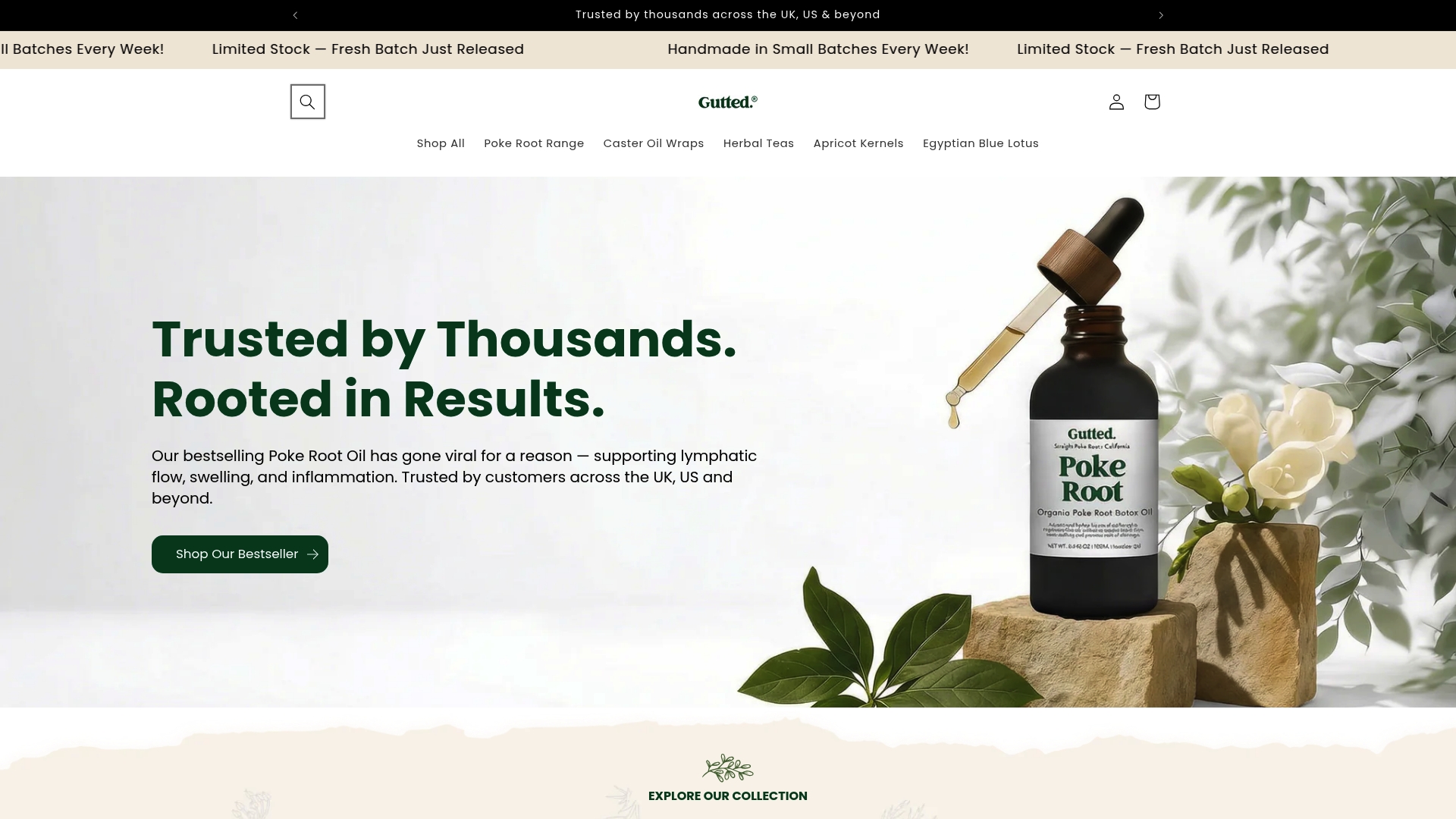
Getgutted’s wellness kits bring together targeted botanical ingredients designed to complement a plant-based anti-inflammatory approach. Each kit is handcrafted in small batches with strict ingredient standards, so you get consistent active compound levels rather than the variability that plagues mass-market supplements. Whether you are addressing swelling, lymphatic health, or general inflammation support, the kits offer a curated starting point grounded in traditional herbal practice and current evidence. Explore the range to find the combination that fits your needs.
FAQ
What are plant-based inflammation support practices?
Plant-based inflammation support practices are dietary and lifestyle strategies that use whole plant foods, herbs, and targeted nutrients to lower inflammatory biomarkers like CRP and IL-6. They include eating diverse plant foods, using anti-inflammatory herbs such as turmeric and ginger, and supporting sleep and stress management.
Which foods fight inflammation most effectively?
Turmeric, blueberries, leafy greens, garlic, ginger, walnuts, and extra virgin olive oil are among the most evidence-backed anti-inflammatory plant foods. Each works through distinct mechanisms, including NF-κB inhibition and antioxidant activity, so eating a variety produces the greatest effect.
How long does it take for herbal inflammation support to work?
Initial effects from herbs like curcumin and boswellia typically appear within 2–4 weeks of consistent daily use. Maximal therapeutic benefit develops over 8–12 weeks, so patience and consistency are essential.
Does a vegan diet automatically reduce inflammation?
No. Processed vegan foods do not lower inflammation and may worsen it. The anti-inflammatory benefit comes specifically from whole, minimally processed plant foods rich in fibre, polyphenols, and healthy fats.
How does sleep affect inflammation?
A single night of poor sleep raises inflammatory cytokines IL-6 and TNF-alpha. Consistent, quality sleep of 7–9 hours per night is one of the most direct lifestyle levers for reducing systemic inflammation alongside dietary changes.