

What is plant-based wellness: your 2026 guide
Plant-based wellness is defined as a health framework that uses whole plant foods, herbs, and botanicals to support the body’s natural processes, reduce inflammation, and build long-term resilience. Unlike a simple dietary label, it is an integrative practice that addresses multiple body systems at once, from gut health to hormonal balance. 2026 research published in Frontiers in Nutrition confirms that plant-based approaches work through phytochemicals, microbiota modulation, and anti-inflammatory mechanisms. Harvard Health reinforces that the quality of plant intake, not just the category, determines health outcomes. Getgutted is built on exactly this principle: that traditional botanical wisdom, applied with scientific rigour, delivers real physiological results.
What is plant-based wellness and what does it actually include?
Plant-based wellness is broader than any single diet. It combines whole-food nutrition with therapeutic botanicals, herbs, and fungi to support the body as an interconnected system rather than a collection of isolated symptoms.
The core components break down clearly:
- Whole plant foods. Vegetables, fruits, legumes, whole grains, nuts, and seeds form the dietary foundation. These supply fibre, antioxidants, and phytochemicals that feed the gut microbiome and reduce oxidative stress.
- Herbs and botanicals. Plants like poke root, turmeric, and medicinal mushrooms provide concentrated bioactive compounds. Herbal supplements draw on centuries of use in Ayurveda, Traditional Chinese Medicine, and Western herbalism, now validated by modern research.
- Fungi and adaptogens. Medicinal mushrooms such as reishi and lion’s mane support immunity and stress regulation. They sit at the intersection of food and medicine in plant-based practice.
- Botanical extracts and infused oils. Concentrated plant compounds delivered through tinctures, teas, or infused oils allow targeted support for lymphatic drainage, detoxification, and inflammation relief.
The philosophy behind all of this is addition, not elimination. Plant-based wellness promotes building the diet and lifestyle around what you add rather than what you remove. That distinction matters enormously for long-term adherence.
Pro Tip: Do not conflate plant-based wellness with veganism. A flexitarian who eats salmon twice a week but prioritises whole plants and quality botanicals is practising plant-based wellness. A vegan who lives on processed meat substitutes and refined snacks is not.

What evidence supports the health benefits of plant-based wellness?
The science behind plant-based wellness has strengthened considerably in 2026. The benefits are not theoretical; they are measurable across cardiovascular, metabolic, and digestive health.
Cardiovascular and metabolic outcomes
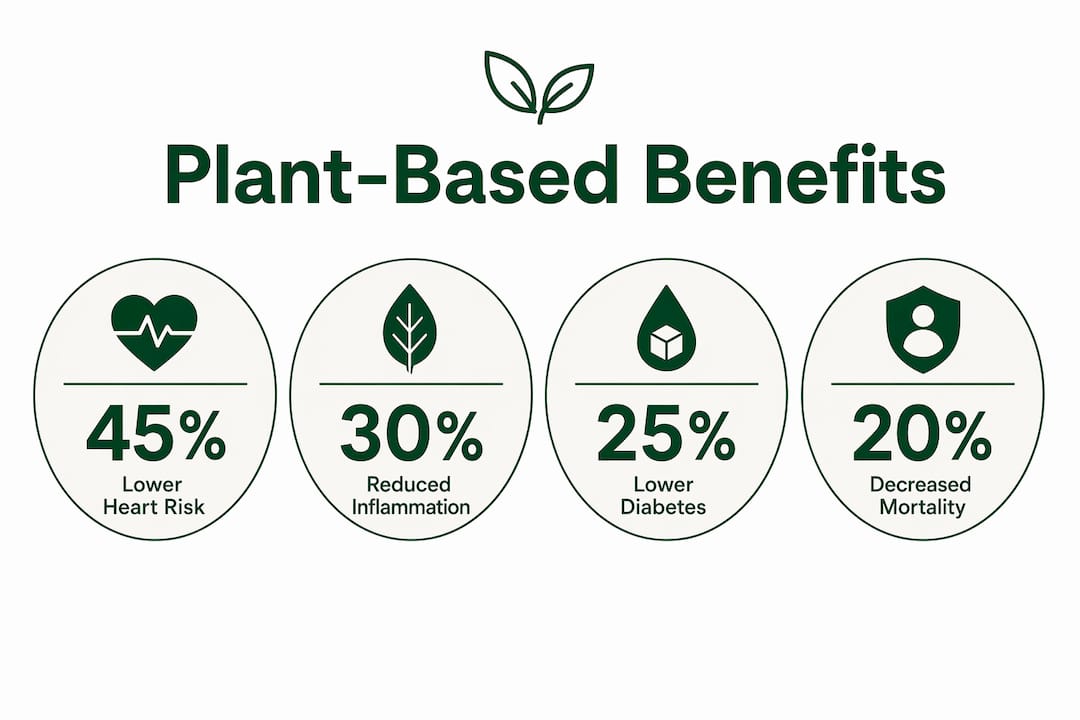
High adherence to healthy plant-based diets significantly decreases cardiovascular disease risk, type 2 diabetes incidence, and all-cause mortality. Clinical data shows LDL cholesterol reductions of 10–25% from well-designed plant-based dietary patterns. That range is clinically meaningful. A 10% LDL reduction in a person with borderline cholesterol can shift their cardiovascular risk category without pharmaceutical intervention.
Gut microbiome and inflammation
Phytochemicals from whole plants modulate the gut microbiome in ways that reduce systemic inflammation. 2026 research confirms that plant compounds act on microbiota composition, producing short-chain fatty acids that protect the gut lining and regulate immune responses. This is why plant-based wellness practitioners focus on diversity of plant intake, not just volume.
The quality distinction that most people miss
A meta-analysis of over 126,000 participants found that whole, minimally processed plant foods lower mortality risk, while unhealthy plant-based diets high in processed foods do not. The finding is striking. It means a person eating a diet of refined vegan snacks, white bread, and sugary drinks gains none of the protective benefits associated with plant-based wellness. The category “plant-based” does not automatically confer health. The quality of the plants does.
| Health outcome | Effect of whole-food plant-based diet | Effect of ultra-processed plant-based diet |
|---|---|---|
| LDL cholesterol | Reduced by 10–25% | Minimal or no reduction |
| Gut microbiome diversity | Significantly improved | Neutral or negative |
| Cardiovascular disease risk | Substantially decreased | No significant benefit |
| Mortality risk | Lower in large meta-analyses | Not significantly reduced |
Ultra-processed plant-based foods, including many popular meat substitutes, can be high in sodium, refined grains, and added sugars. These products carry similar metabolic risks to unhealthy omnivorous diets. The label “vegan” or “plant-based” on packaging is not a health guarantee.
How does plant-based wellness differ from veganism or vegetarianism?
Plant-based wellness is a philosophy of nourishment. Veganism and vegetarianism are primarily ethical or dietary categories. The distinction changes how you approach food and supplementation entirely.
A vegan diet excludes all animal products. A plant-based wellness practice prioritises the quality and therapeutic value of what you consume. The two can overlap, but they are not the same thing. Someone following a plant-based wellness approach might include small amounts of sustainably sourced animal foods while placing the majority of their nutritional and therapeutic focus on whole plants and botanicals.
The practical differences show up in these areas:
- Whole versus processed. Plant-based wellness explicitly rejects ultra-processed plant foods as health tools. Veganism has no such requirement.
- Botanical supplementation. Plant-based wellness incorporates herbal teas, infused oils, tinctures, and botanical extracts as active health tools. Standard vegan or vegetarian frameworks rarely address this dimension.
- Focus on addition. Sustainable plant-based lifestyles focus on adding whole plants rather than eliminating food groups. This makes the approach accessible to flexitarians and reduces the psychological burden of strict restriction.
- System-wide support. Plant-based wellness targets lymphatic health, detoxification, hormonal balance, and gut integrity simultaneously. It is a whole-body wellness approach rather than a single-axis dietary rule.
A common pitfall is replacing animal products with processed plant alternatives and assuming the swap is health-positive. Processed vegan cheese, plant-based sausages, and refined grain products do not deliver the phytochemical richness that makes plant-based wellness effective.
Pro Tip: When evaluating herbal supplements, look for third-party certification and standardised extract labelling. Botanical extract potency varies significantly based on harvesting method, plant part used, and processing. A certified, standardised extract delivers consistent bioactive content; an uncertified product may not.
What practical steps can you take to adopt plant-based wellness?
Adopting plant-based wellness does not require an overnight overhaul. The most durable changes happen gradually, with each addition building on the last.
- Add before you subtract. Start by adding one extra serving of vegetables, legumes, or whole grains to each meal. Do not focus on removing foods initially. This approach reduces resistance and builds new habits without deprivation.
- Diversify your plant intake. Aim for a wide variety of plant types across the week. Different plants feed different bacterial strains in the gut. Rotating between leafy greens, root vegetables, cruciferous vegetables, and legumes produces broader microbiome benefits than eating the same plants repeatedly.
- Incorporate botanical support. Herbal teas, infused oils, and botanical blends extend plant-based wellness beyond the plate. Getgutted’s botanical blends for wellness offer a practical entry point for those new to therapeutic plant use. Products like poke root oil infused with organic castor oil support lymphatic drainage and inflammation relief as part of a broader wellness routine.
- Source quality ingredients. For both food and supplements, provenance matters. Wild-gathered herbs often carry higher phytochemical density than commercially farmed equivalents. Getgutted’s commitment to small-batch, handcrafted production reflects this principle directly. You can read more about wild-gathered herbs and why sourcing affects potency.
- Monitor nutrient adequacy. Plant-based diets require attention to vitamin B12, iron, zinc, omega-3 fatty acids, and vitamin D. Consult a registered nutritionist or healthcare professional to assess your baseline and identify any gaps before supplementing.
- Support detoxification pathways. The lymphatic system, liver, and gut work together to clear metabolic waste. Botanical detox practices using herbs and infused oils can support these pathways alongside dietary changes.
Pro Tip: Pair your plant-based dietary changes with seasonal eating where possible. Seasonal plant-forward menus naturally rotate phytochemical profiles across the year, which supports microbiome diversity more effectively than eating the same foods year-round.
Key takeaways
Plant-based wellness is the most evidence-backed preventive health framework available, combining whole-food nutrition and botanical supplementation to support multiple body systems simultaneously.
| Point | Details |
|---|---|
| Definition matters | Plant-based wellness is a system-wide health practice, not simply a dietary label or ethical stance. |
| Quality over category | Whole, minimally processed plants deliver measurable health benefits; ultra-processed plant foods do not. |
| Botanicals extend the practice | Herbs, infused oils, and botanical extracts are active health tools, not optional extras. |
| Addition beats restriction | Adding whole plants and botanicals consistently produces better long-term results than strict elimination. |
| Certification protects you | Third-party certified herbal supplements with standardised extracts deliver reliable, consistent potency. |
Plant-based wellness in practice: what I have actually learned
The most persistent misconception I encounter is that plant-based wellness is a destination. People treat it as a threshold to cross, after which they are “doing it right.” That framing sets most people up to quit within weeks.
What actually works is treating it as a practice, in the same way you would treat exercise or sleep. Some weeks you eat more whole plants. Some weeks you rely more on botanical support because life is demanding and cooking from scratch is not realistic. Neither week cancels the other out.
The research on plant-based inflammation support confirms something I have observed repeatedly: the anti-inflammatory benefits accumulate over time and are not erased by occasional imperfection. Consistency across months matters far more than perfection across days.
The other thing worth saying plainly is that botanical supplementation is not a shortcut around poor diet. I see people reach for herbal teas and infused oils while continuing to eat heavily processed food, expecting the botanicals to compensate. They do not work that way. Botanicals amplify a good dietary foundation. They do not replace one.
The most sustainable approach I have seen combines gradual dietary shifts with targeted botanical support, adjusted seasonally and reviewed regularly with a healthcare professional. That is not glamorous advice. But it is what the evidence and lived experience both point to.
— Mabel
Plant-based wellness kits from Getgutted
Getgutted curates wellness kits designed specifically for people building a plant-based practice from the ground up.
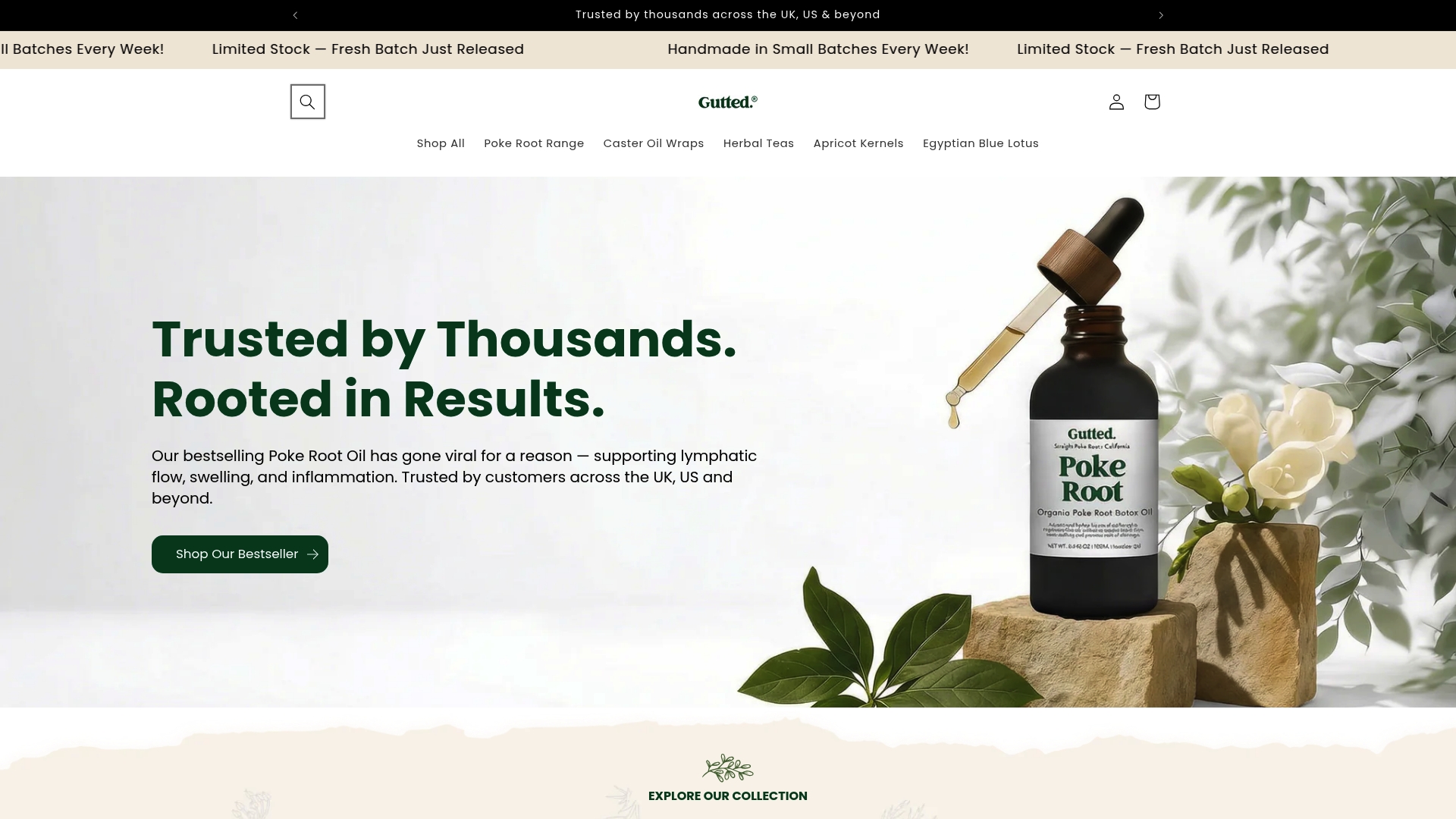
Each kit brings together botanicals, herbal blends, and infused oils selected for their quality, provenance, and therapeutic compatibility. Rather than assembling individual products and guessing at combinations, you get a considered starting point built on traditional herbal wisdom and current nutritional science. The Getgutted wellness kits collection covers lymphatic support, detoxification, and inflammation relief, making it a practical companion to the dietary changes covered in this guide. Small-batch production and strict ingredient standards mean you know exactly what you are putting into your body.
FAQ
What is plant-based wellness in simple terms?
Plant-based wellness is a health practice that uses whole plant foods, herbs, and botanicals to support the body’s natural functions, including digestion, immunity, and inflammation regulation. It goes beyond diet to include therapeutic botanical supplementation.
Is a plant-based diet actually healthy?
Yes, when based on whole, minimally processed foods. A meta-analysis of over 126,000 participants found that healthy plant-based diets significantly reduce cardiovascular disease risk and mortality, while ultra-processed plant diets do not deliver the same benefits.
Do I need to be vegan to practise plant-based wellness?
No. Plant-based wellness spans a spectrum from flexitarian to fully vegan. The focus is on the quality and diversity of plant foods and botanicals you consume, not on the complete elimination of animal products.
How do I know if a herbal supplement is good quality?
Look for products with third-party certification and standardised extract labelling. Botanical potency varies based on harvesting, processing, and plant part used, so certification is the most reliable indicator of consistent bioactive content.
How quickly can plant-based wellness produce results?
Gut microbiome changes can begin within days of increasing whole plant intake. Cardiovascular and metabolic benefits, such as LDL cholesterol reduction, typically become measurable over weeks to months of consistent practice.