

Pure Plant Oils: Complete Guide to Their Benefits
Did you know that some pure plant oils retain up to 90 percent of their original nutrients when extracted carefully? These botanical treasures have supported wellness for centuries, prized in cultures around the world for their natural healing abilities. Learning how plant oils are obtained and understanding their powerful health benefits can help you make informed choices that support both beauty and holistic wellness every day.
Key Takeaways
| Point | Details |
|---|---|
| Pure Plant Oils’ Benefits | Pure plant oils offer holistic wellness advantages, including antioxidant properties, inflammation reduction, and support for cardiovascular and immune health. |
| Cold-Pressed vs. Refined Oils | Cold-pressed oils maintain higher nutritional integrity and therapeutic benefits compared to refined oils, which undergo extensive processing that depletes nutrients. |
| Safety Considerations | Users should conduct patch tests, consult with healthcare professionals, and verify the purity and extraction methods of plant oils to minimize risks. |
| Natural vs. Synthetic Alternatives | Natural plant oils provide complex therapeutic profiles that synthetic alternatives lack, promoting better absorption and more beneficial interactions within the body. |
Defining Pure Plant Oils and Their Origins
Pure plant oils represent an ancient form of natural healing, extracted directly from seeds, kernels, and botanical sources through meticulous processes that preserve their inherent therapeutic qualities. These concentrated botanical extracts capture the essence of plants, offering powerful wellness benefits that have been recognised in traditional medicine practices for centuries.
At their core, pure plant oils are minimally processed extracts obtained through techniques like cold pressing or steam distillation. According to research from botanical studies, these extraction methods ensure the preservation of active compounds, vitamins, and minerals inherent in the original plant material. For instance, understanding traditional botanical oils reveals how different plants offer unique healing properties.
The origins of plant oils span global traditions, with each region contributing distinctive botanical wisdom. Take argan oil, indigenous to Morocco and southwestern Algeria, which demonstrates the rich cultural heritage behind these natural extracts. As documented by botanical researchers, these oils are not merely beauty products but holistic wellness solutions that connect us to ancient healing practices. Each oil tells a story of ecological adaptation, traditional knowledge, and the profound relationship between humans and plant kingdoms.
Distinguishing Cold-Pressed vs. Refined Oils
Cold-pressed oils represent the gold standard of natural extraction, preserving the delicate nutritional profile of botanical sources through minimal processing. According to research from nutritional experts, these oils are extracted using mechanical methods that protect the plant’s inherent nutrients, vitamins, and antioxidants from degradation.
In contrast, refined oils undergo extensive industrial processing that fundamentally alters their nutritional composition. According to the Free Press Journal, refined oils are subjected to high-heat treatments and chemical interventions that strip away many of the plant’s original beneficial compounds. This process significantly diminishes the oil’s natural healing potential, transforming a potentially therapeutic substance into a more neutral, less nutritionally dense product.

Key differences between cold-pressed and refined oils include:
Here’s a comparison of key differences between cold-pressed and refined plant oils:
| Feature | Cold-Pressed Oils | Refined Oils |
|---|---|---|
| Extraction Method | Mechanical Low heat |
High heat Chemicals |
| Nutrient Retention | Up to 90% | Significantly reduced |
| Flavour Profile | Natural Robust |
Neutral Mild |
| Colour & Aroma | Distinct Plant-derived |
Pale Less aromatic |
| Therapeutic Potential | High | Low |
| Typical Use | Holistic wellness Natural skincare |
Cooking Industrial purposes |
- Nutrient retention: Cold-pressed oils maintain up to 90% of original nutrients
- Flavor profile: Cold-pressed oils retain natural, robust plant flavors
- Processing method: Mechanical extraction vs. chemical and heat treatment
The choice between cold-pressed and refined oils goes beyond mere preference.
INFOGRAPHIC:infographic_content] [Understanding traditional botanical oils reveals that the extraction method directly impacts the oil’s therapeutic potential. For holistic wellness enthusiasts, cold-pressed oils offer a pure, minimally processed alternative that honors the plant’s original healing intelligence.
Major Health Benefits for Holistic Wellness
Pure plant oils represent a powerful pathway to holistic wellness, offering a natural approach to supporting the body’s intrinsic healing mechanisms. These concentrated botanical extracts provide a comprehensive range of health benefits that extend far beyond simple nutritional supplementation, addressing wellness from multiple physiological perspectives.
According to research from nutritional experts, cold-pressed oils are particularly remarkable for their exceptional antioxidant properties. These oils retain high levels of bioactive compounds like tocopherols, sterols, and flavonoids, which combat oxidative stress and support cellular health. The Free Press Journal highlights that these natural extraction methods preserve essential vitamins and beneficial fats, making them significantly more nutrient-dense compared to refined alternatives.
Key health benefits of pure plant oils include:
- Reducing systemic inflammation
- Supporting cardiovascular health
- Enhancing immune system function
- Promoting hormonal balance
- Supporting skin and cellular regeneration
Traditional botanical oils for holistic wellness demonstrate how these natural extracts can be integrated into comprehensive wellness strategies. By embracing these potent botanical concentrates, individuals can tap into ancient healing wisdom while supporting modern health goals through completely natural means.
Traditional Uses and Modern Herbal Applications
Traditional plant oils represent a profound bridge between ancient healing wisdom and contemporary wellness practices, embodying centuries of botanical knowledge passed through generations. These remarkable natural extracts have long been integral to cultural healing traditions, serving purposes far beyond mere nutritional supplementation.
For centuries, different cultures have harnessed the power of botanical oils in remarkably diverse ways. According to historical research, argan oil exemplifies this tradition, with Moroccan communities using it not just for culinary purposes like dressing couscous, but also for cosmetic and therapeutic applications. Similarly, rosewood oil demonstrates the multifaceted nature of plant extracts, being valued in both perfumery and aromatherapy for its complex therapeutic properties.
Modern herbal applications of plant oils now integrate traditional knowledge with scientific research, expanding their use across various domains:
- Holistic wellness and preventative healthcare
- Natural skincare and beauty treatments
- Stress management and emotional balance
- Supporting immune system function
- Complementary therapeutic interventions
How herbalists formulate blends reveals the intricate art of combining plant oils to create powerful, synergistic wellness solutions. By understanding and respecting traditional botanical wisdom, we can unlock the profound healing potential of these extraordinary natural extracts.
Risks, Allergies, and Safety Guidelines
Plant oils are potent natural extracts that demand careful and informed use. While incredibly beneficial, these concentrated botanical substances can pose potential risks if not approached with knowledge and caution. Understanding the nuanced safety guidelines is crucial for responsible and effective utilization of these powerful natural remedies.
Certain plant oils require specific handling precautions that extend beyond typical wellness products. For instance, research highlights unique characteristics like perilla oil’s chemical composition, which is classified as a hazardous substance due to its high iodine value and potential for spontaneous combustion. Similarly, users must exercise careful distinction between different types of botanical extracts, such as understanding that hemp oil is fundamentally different from hash oil and contains no psychoactive components.
Key safety considerations for plant oil usage include:
- Conducting thorough patch tests before full application
- Consulting healthcare professionals, especially for individuals with pre-existing conditions
- Verifying botanical oil purity and extraction methods
- Understanding potential interactions with medications
- Checking for individual allergic sensitivities
How herbalists formulate blends provides critical insights into responsible botanical oil usage. By approaching these powerful natural extracts with respect, research, and professional guidance, individuals can safely harness their remarkable therapeutic potential while minimizing potential risks.
Plant Oils Versus Synthetic Alternatives
Natural botanical oils represent a profound alternative to synthetic counterparts, offering a complex, holistic approach to wellness that artificial substances simply cannot replicate. Where synthetic alternatives provide standardized, predictable outcomes, plant oils bring a rich tapestry of interconnected therapeutic compounds that work synergistically within the body.
The distinction between natural and synthetic extracts runs deeper than mere chemical composition. According to botanical research, natural oils like rosewood oil contain unique linalool compounds that cannot be perfectly mimicked in laboratory settings. Absolutes, for instance, are concentrated aromatic extracts obtained through intricate processes like solvent extraction or enfleurage, representing the nuanced complexity of botanical sources that synthetic alternatives struggle to reproduce.
Key differences between plant oils and synthetic alternatives include:
- Comprehensive nutritional profile
- Higher bioavailability and absorption
- Complex molecular interactions
- Minimal processing and chemical interventions
- Preservation of natural enzymatic structures
Botanical oils for skin illuminate the profound healing potential of natural extracts. By choosing plant-based solutions, we embrace a more holistic, intelligent approach to wellness that respects the intricate wisdom of botanical systems.
Unlock the True Power of Pure Plant Oils for Your Wellbeing
Many people seeking natural healing struggle to find pure, potent plant oils that truly honour traditional extraction methods such as cold pressing. This article highlights the importance of using minimally processed oils that retain essential nutrients, antioxidants and therapeutic potential to promote holistic wellness. If you want to deeply connect with authentic botanical wisdom and experience natural relief from inflammation, stagnation and stress, then quality matters more than ever.
Discover our Organic Root Oil Range – Gutted. Each small-batch, handcrafted remedy is made using potent botanicals rooted in traditional herbal practices and modern self-care. Our bestselling Poke Root Oil supports natural detox and helps you reconnect with your body’s healing intelligence in a safe and nurturing way.
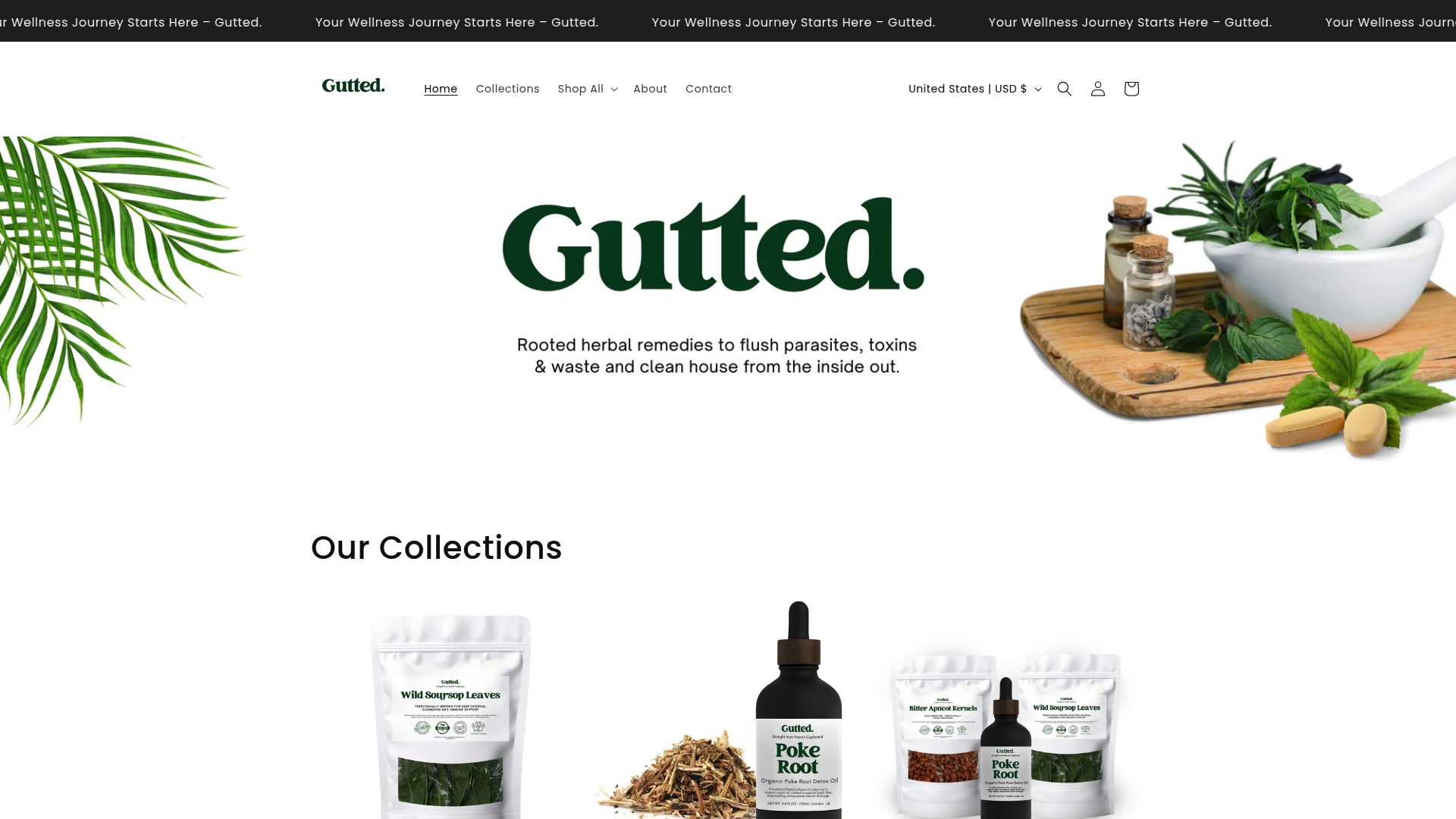
Take control of your wellness journey today by choosing authentic plant oils crafted for their purity and efficacy. Experience the gentle yet powerful benefits of truly natural remedies at Gutted™. Explore our full collection now and start your path towards balance that honours both ancient traditions and your modern life.
Frequently Asked Questions
What are pure plant oils, and how are they extracted?
Pure plant oils are concentrated botanical extracts obtained from seeds, kernels, and other plant sources through methods like cold pressing or steam distillation. These techniques ensure that the oils retain their natural therapeutic qualities and beneficial compounds.
What is the difference between cold-pressed oils and refined oils?
Cold-pressed oils are extracted with minimal processing, preserving up to 90% of their original nutrients, flavors, and therapeutic properties. In contrast, refined oils undergo high-heat treatments and chemical processes that diminish their nutritional value and medicinal potential.
What are the health benefits of using pure plant oils?
Pure plant oils offer numerous health benefits, including reducing systemic inflammation, improving cardiovascular health, enhancing immune function, promoting hormonal balance, and supporting skin and cellular regeneration.
How can I safely use plant oils in my wellness routine?
To safely use plant oils, conduct patch tests before full application, consult healthcare professionals if you have pre-existing conditions, ensure the purity of the oil, and be aware of any potential interactions with medications or individual allergies.