

Role of Wild-Gathered Herbs in Holistic Health
More than one in five British adults use herbal products, yet confusion swirls around wild-gathered herbs. These plants, collected from nature rather than farms, have sparked debate about their power, safety, and environmental impact. Understanding their true benefits and risks is crucial for anyone navigating the growing world of natural wellness. You will discover facts that separate common myths from reality and learn what sets wild-gathered herbs apart from their cultivated cousins.
Key Takeaways
| Point | Details |
|---|---|
| Understanding Wild-Gathered Herbs | These herbs enhance therapeutic properties due to natural stress factors and exhibit higher concentrations of adaptive phytochemicals compared to cultivated varieties. |
| Sustainable Gathering Practices | Responsible wildcrafting is crucial to preserving biodiversity, requiring knowledge of plant reproductive cycles and eco-friendly harvesting techniques. |
| Safety and Quality Assessments | Rigorous identification and chemical screening are essential for ensuring the safety of wild-gathered herbs, as certain plants may contain harmful compounds. |
| Integration of Tradition and Science | Research continues to validate traditional herbal practices through modern scientific methodologies, bridging ancient knowledge with contemporary health approaches. |
Wild-Gathered Herbs Defined and Debunked
Wild-gathered herbs represent botanical specimens collected directly from their natural habitats, rather than cultivated in controlled agricultural environments. These plants emerge spontaneously in wilderness settings, growing without human intervention or systematic cultivation. Traditional herbal wisdom has long recognised the potent medicinal qualities of such undomesticated botanical specimens.
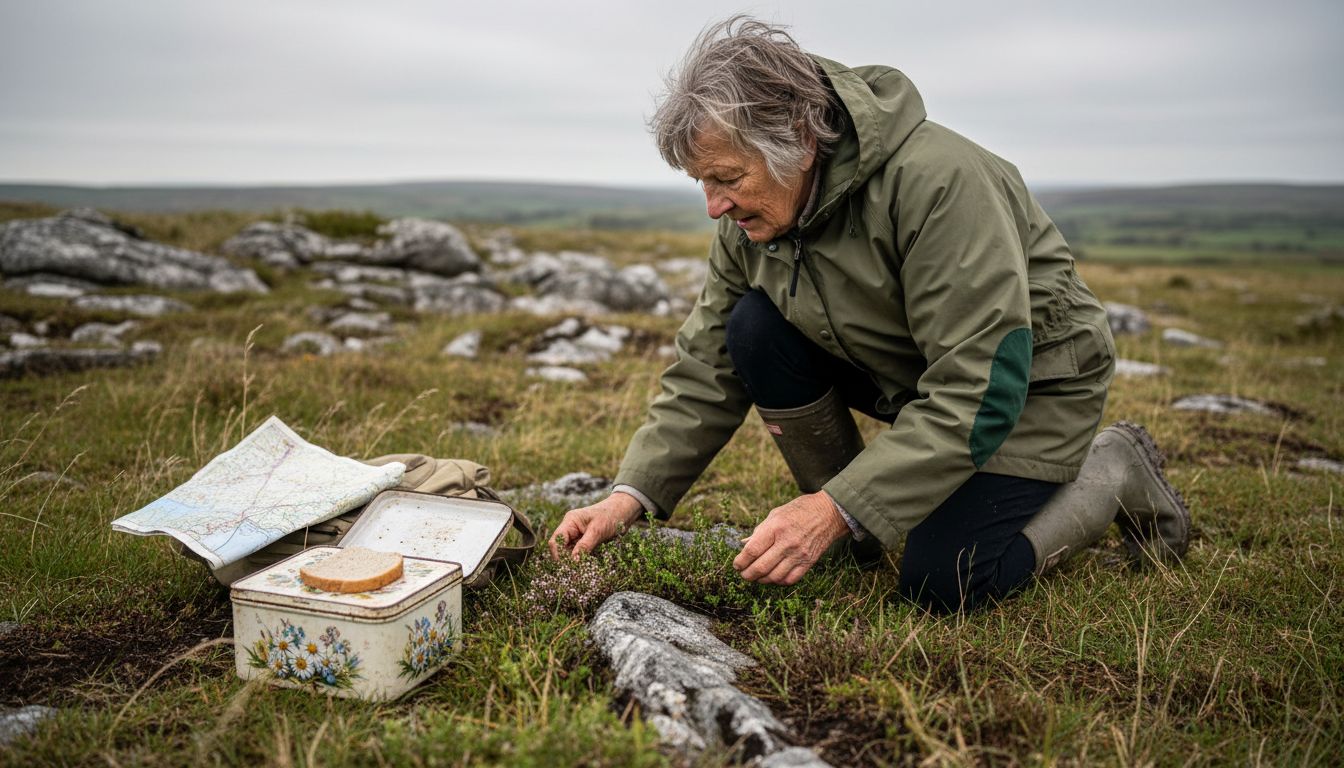
The practice of wild herb gathering connects deeply with ethnobotanical traditions, an interdisciplinary field studying human relationships with plant life. Ethnobotanists understand that wild herbs represent more than mere botanical specimens - they embody complex ecological relationships and traditional knowledge systems passed through generations. These herbs grow in diverse ecological niches, developing unique chemical compositions influenced by specific environmental conditions like soil quality, sunlight exposure, and surrounding vegetation.
Understanding wild-gathered herbs requires recognising their nuanced characteristics. Unlike commercially cultivated plants, wild herbs experience natural stress factors that can enhance their therapeutic compounds. Their survival mechanisms often produce higher concentrations of adaptive phytochemicals, making them potentially more potent than their cultivated counterparts. Key distinguishing features include:
- Greater biodiversity in chemical composition
- Enhanced resilience to environmental challenges
- Minimal human interference in growth patterns
- Preservation of original genetic diversity
However, wild herb collection also demands responsible and sustainable practices. Over-harvesting can disrupt delicate ecological systems, potentially threatening rare plant species and local biodiversity. Ethical wild herb gatherers must employ careful selection techniques, understanding plant reproductive cycles and maintaining careful harvesting protocols that allow natural regeneration.
Types of Wild-Harvested Botanicals Used Today
The landscape of wild-harvested botanicals encompasses a rich diversity of plant species that play crucial roles in holistic health practices. Traditional herbal approaches reveal an extraordinary range of plants collected from diverse ecological environments, each offering unique therapeutic potential. Modern ethnobotanical research continues to uncover the profound medicinal value of these wild-sourced botanical specimens.
Recent scientific investigations have illuminated the substantial diversity of wild-harvested plants used in contemporary wellness practices. An ethnobotanical study conducted in the Kashmir Valley documented the extensive traditional uses of wild plants, highlighting their significance beyond mere nutritional value. Researchers identified remarkable botanical categories that contribute to holistic health:
- Adaptogenic herbs (stress management)
- Immunomodulating plants
- Antioxidant-rich wild berries
- Medicinal roots and rhizomes
- Wild leafy greens with nutritional density
Furthermore, scientific research demonstrates the profound nutritional significance of these botanicals. A comprehensive scientific analysis identified 43 distinct wild edible plants, with fruits emerging as primary consumable components. This underscores the critical role wild-harvested botanicals play in contemporary dietary and therapeutic practices, offering nutrients and phytochemical compounds that support comprehensive wellness approaches.
The nuanced world of wild-harvested botanicals represents a delicate intersection between traditional knowledge and modern scientific understanding. Practitioners and researchers continue to explore these natural resources, recognising their potential to offer holistic health solutions that transcend conventional pharmaceutical interventions. The key lies in sustainable collection practices that honour both ecological preservation and human health requirements.
Traditional Uses Versus Modern Applications
Traditional herbal medicine represents a profound legacy of human healing practices, bridging centuries of empirical knowledge with contemporary scientific understanding. Traditional herbal approaches have long relied on holistic observations of plant interactions with human physiology, developing sophisticated systems of diagnosis and treatment that extend far beyond simple symptom management.
Modern scientific research is increasingly validating traditional herbal wisdom through sophisticated molecular analysis. Cutting-edge research in Traditional Chinese Medicine (TCM) exemplifies this intersection, demonstrating how personalized herb prescriptions can be understood through molecular-scale chemical characteristics. This approach allows researchers to map traditional healing practices against contemporary biomedical frameworks, revealing intricate connections between ancient knowledge and modern scientific methodologies.
Key distinctions between traditional and modern herbal applications include:
- Traditional approach: Holistic, symptom-based diagnosis
- Modern approach: Molecular-level chemical characterisation
- Traditional methodology: Empirical observation and generational knowledge
- Modern methodology: Evidence-based scientific validation
Further scientific investigations, such as research exploring chronic gastritis, highlight the nuanced mechanisms underlying traditional herbal classifications. By examining the molecular features of herbs within established diagnostic frameworks, researchers are constructing robust bridges between traditional healing practices and contemporary biomedical research. This evolving dialogue promises more integrated, personalised approaches to health that honour both ancestral wisdom and scientific precision.
Sourcing, Ethics, and Ecological Impact
Wildcrafting represents a delicate intersection between human needs and ecological preservation, demanding profound respect for natural ecosystems. Traditional herbal approaches emphasise the critical importance of sustainable gathering practices that honour the intricate balance of botanical environments.
Community gatherings in herbalism have emerged as powerful platforms for promoting ethical sourcing and environmental stewardship. These collaborative spaces facilitate knowledge exchange, ensuring that herbal practitioners develop a deep understanding of responsible wildcrafting techniques. Ethical sourcing principles encompass several crucial considerations:
- Identifying sustainable plant populations
- Understanding reproductive cycles
- Minimising ecological disruption
- Respecting indigenous plant habitats
- Implementing selective harvesting techniques
- Monitoring plant regeneration rates
Responsible herb gathering requires comprehensive ecological awareness and a commitment to preserving biodiversity. Practitioners must develop sophisticated understanding of plant ecosystems, recognising that each botanical specimen plays a nuanced role in its environmental context. Sustainable wildcrafting is not merely about extraction, but about maintaining intricate ecological relationships that support both human wellness and natural preservation.
Risks, Safety, and Quality Considerations
Wild-gathered herbs present complex safety challenges that demand rigorous assessment and profound scientific understanding. Traditional herbal approaches have always emphasised the critical importance of careful identification and thorough evaluation before herbal consumption.
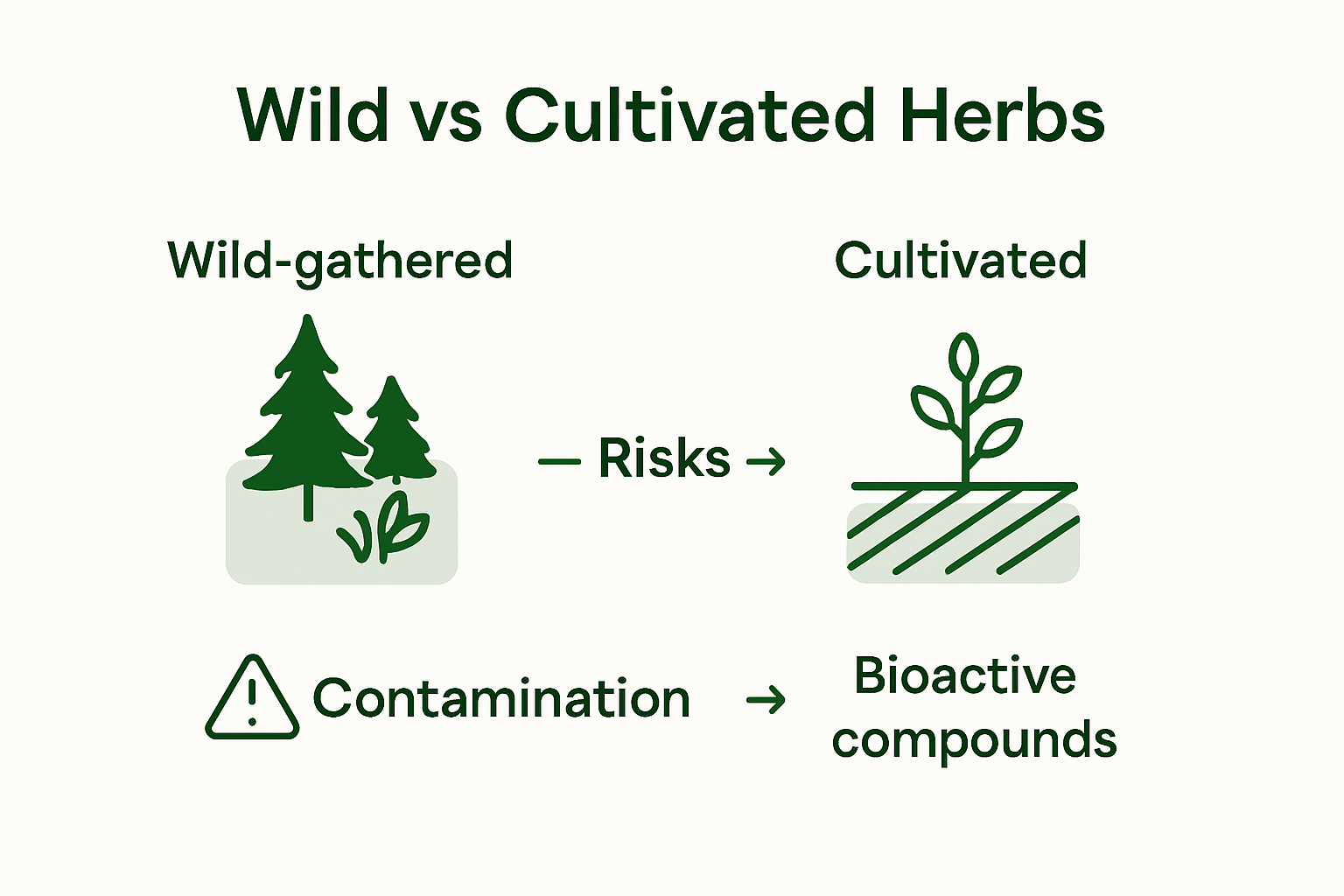
Modern scientific research illuminates potential risks inherent in wild botanical collection. Comprehensive studies have revealed concerning findings, such as non-tolerable levels of heavy metals in certain plant specimens like Ficus exasperata leaves. These investigations underscore the critical need for systematic quality control and comprehensive chemical analysis of wild-gathered botanical materials.
Key safety considerations for wild-gathered herbs include:
- Precise botanical identification
- Comprehensive chemical screening
- Assessment of potential toxic compounds
- Evaluation of heavy metal contamination
- Understanding regional ecological variations
- Verification of harvest location and conditions
Further research, such as studies on alkaloid presence in botanical specimens, highlights the complex molecular landscapes within wild plants. Specific examples, like the toxic compounds discovered in Argemone mexicana seeds, demonstrate why expert knowledge and meticulous testing are essential. Practitioners must approach wild herb gathering with scientific precision, recognising that natural does not automatically equate to safe.
Embrace the Power of Wild-Gathered Herbs for Natural Wellness
The article highlights the profound benefit of wild-gathered herbs in supporting holistic health through their unique chemical diversity and traditional healing wisdom. If you seek to restore your body’s natural balance while honouring sustainable, authentic botanical practices wild herbs are a vital part of your wellness journey. At Gutted™, we understand the challenges of safe sourcing and maximising the potency of these herbs to relieve stagnation and support detoxification.
Explore our carefully crafted Detox Herbs & Capsules – Gutted. range made with wild-infused botanicals that reflect the article’s emphasis on plant resilience and therapeutic quality. Discover the enriching qualities of our Organic Root Oil Range – Gutted. including our renowned Poke Root Oil, lovingly handmade in London by herbalists dedicated to bridging traditional herbal wisdom with modern self-care.

Take the next step towards reconnecting with your body’s healing intelligence through natural, wild-herb inspired remedies. Visit Gutted™ today to start your journey to holistic health with products designed to work in harmony with nature and you.
Frequently Asked Questions
What are wild-gathered herbs?
Wild-gathered herbs are plants collected from their natural habitats rather than cultivated in controlled environments. They grow spontaneously in the wild without human intervention, often carrying unique medicinal properties.
How do wild-gathered herbs differ from cultivated herbs?
Wild-gathered herbs typically possess greater biodiversity in their chemical composition and may have higher concentrations of therapeutic compounds due to their exposure to natural stress factors and minimal human interference.
What are the benefits of using wild-gathered herbs in holistic health?
Wild-gathered herbs offer a variety of therapeutic benefits, including adaptogenic properties for stress management, immune support, antioxidant effects, and high nutritional value, making them valuable in holistic health practices.
What ethical considerations should be taken into account when gathering wild herbs?
When gathering wild herbs, it’s crucial to practice ethical sourcing, which includes identifying sustainable plant populations, understanding their reproductive cycles, minimising ecological disruption, and implementing selective harvesting techniques to ensure regeneration and biodiversity preservation.