

Herbal Wisdom: Harnessing Nature’s Restorative Power
Most people are surprised to learn that over 60 percent of British adults have tried herbal remedies at least once, highlighting the enduring trust in plant-based wisdom. Yet, modern confusion swirls around what truly defines herbal knowledge versus myth. For anyone curious about the roots of plant healing and how tradition blends with real science, this guide unpacks the principles, misconceptions, and modern relevance of herbal wisdom.
Key Takeaways
| Point | Details |
|---|---|
| Herbal Wisdom Integration | Modern herbal practices merge traditional knowledge with contemporary scientific research to provide a holistic approach to wellness. |
| Critical Analysis of Remedies | Not all herbal remedies are universally effective; a scientific evaluation is essential to validate their claims and benefits. |
| Holistic Health Approaches | Emphasising the interconnectedness of bodily systems, practitioners advocate for comprehensive strategies that include targeted herbal interventions and lifestyle modifications. |
| Safety and Quality Assurance | Ensuring the safety and efficacy of herbal remedies requires stringent quality control and responsible sourcing to maintain therapeutic potential and ecological integrity. |
Defining Herbal Wisdom and Common Myths
Herbal wisdom represents an ancient practice of understanding plant-based healing that transcends simple botanical knowledge. At its core, this tradition involves recognising the profound therapeutic potential inherent in natural substances, drawing upon generations of accumulated traditional medical insights. While modern scientific perspectives sometimes challenge traditional beliefs, herbal wisdom remains a powerful approach to holistic wellness.
Historically, practitioners developed intriguing methodologies for understanding herbal properties. The doctrine of signatures exemplifies one such fascinating approach, suggesting that a plant’s physical characteristics might indicate its medicinal applications. For instance, a leaf shaped like a lung might have been considered beneficial for respiratory conditions. Though contemporary research considers this concept pseudoscientific, it demonstrates the sophisticated observational methods of traditional herbalists.
Many prevalent myths surrounding herbal practices require careful examination. Herbal remedies are not universal panaceas, and scientific validation is crucial. While some traditional treatments have demonstrable benefits, others lack empirical evidence. The Bach flower remedies represent an interesting case study, where despite widespread popularity, rigorous clinical trials have not substantiated claims beyond potential placebo effects. This underscores the importance of approaching herbal wisdom with both respect and critical thinking.
Modern herbal wisdom integrates traditional knowledge with contemporary scientific understanding. Practitioners now emphasise evidence-based approaches, combining ancestral wisdom with medical research. Key principles include:
- Holistic perspective on healing
- Respect for individual physiological differences
- Careful sourcing and preparation of botanical materials
- Complementary approach to conventional medical treatments
Ultimately, herbal wisdom is not about rejecting modern medicine but creating a balanced, nuanced approach to personal wellness that honours both traditional insights and scientific progression.
Plant Healing Principles and Traditions
Plant healing represents a profound intersection of cultural wisdom, scientific understanding, and holistic wellness. Ethnobotanical studies reveal how diverse cultures have developed intricate knowledge systems around plant-based healing, demonstrating remarkable sophistication in understanding natural medicinal properties. These traditions extend far beyond simple herbal remedies, encompassing complex interactions between human societies and their botanical environments.
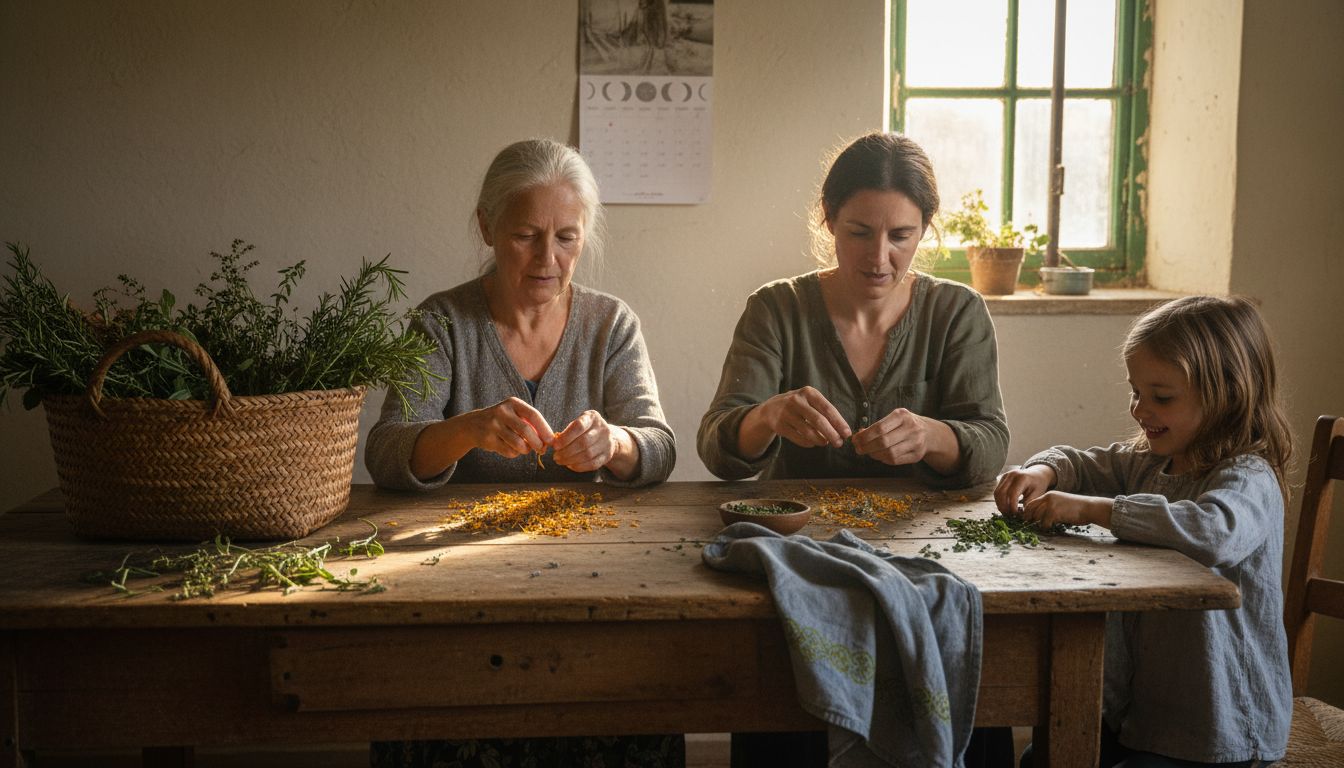
Traditional medical texts provide extraordinary insights into plant healing principles. The Dongui Bogam, a remarkable Korean medical compendium from 1613, exemplifies the depth of historical botanical knowledge. Compiled by royal physician Heo Jun, this UNESCO-recognised text represents a comprehensive exploration of healing practices that integrated botanical understanding with sophisticated medical theory. Such historical documents underscore how traditional cultures developed nuanced approaches to wellness long before modern medical interventions.
Plant healing principles typically involve several key philosophical and practical approaches:
- Holistic understanding of human-plant relationships
- Recognition of individual physiological differences
- Emphasis on prevention rather than solely treating symptoms
- Careful preparation and sourcing of botanical materials
- Respect for ecological balance and sustainable harvesting
Modern herbal practitioners continue to honour these ancient traditions while integrating contemporary scientific research. The approach is not about rejecting modern medicine, but creating a complementary framework that respects both traditional wisdom and empirical scientific understanding. By bridging ancestral knowledge with current medical insights, plant healing offers a nuanced, personalised approach to wellness that recognises the profound complexity of human health.
Remedy Types: Decoctions, Oils, and Infusions
Traditional herbal medicine encompasses a rich array of preparation methods, each designed to extract and preserve the therapeutic potential of botanical materials. Medicinal plant preparations represent sophisticated techniques developed over centuries, reflecting deep understanding of how different extraction methods unlock unique healing properties.
Each remedy type serves a distinct purpose in herbal healing. Decoctions involve simmering tough plant materials like roots and bark in water, extracting robust medicinal compounds through prolonged heat exposure. Infusions differ by steeping delicate plant parts like leaves and flowers in hot water, preserving their more volatile therapeutic elements. Herbal oils represent another crucial preparation method, involving extracting plant essences into carrier oils, which can be used topically or internally depending on the specific botanical properties.
The scientific investigation of these traditional preparation methods reveals remarkable complexity. Bioactive compound extraction mechanisms demonstrate how different preparation techniques influence the final therapeutic potential of herbal remedies. Researchers have identified that extraction methods significantly impact:
- Concentration of active medicinal compounds
- Bioavailability of therapeutic elements
- Preservation of delicate plant nutrients
- Stability of extracted herbal essences
- Potential synergistic interactions between plant compounds
Modern herbal practitioners continue to refine these ancient techniques, blending traditional wisdom with contemporary scientific understanding. By carefully selecting preparation methods, they maximise the therapeutic potential of botanical materials, creating remedies that honour both historical healing traditions and current medical insights.
Modern Applications for Hormonal and Lymphatic Health
Herbal approaches to hormonal and lymphatic health represent a sophisticated intersection of traditional wisdom and contemporary scientific understanding. Antioxidant research reveals promising therapeutic potential for botanical interventions, particularly in addressing inflammation and supporting the body’s natural healing mechanisms. Modern herbal practitioners recognise that holistic wellness requires nuanced, multifaceted approaches that support the body’s complex physiological systems.
The lymphatic system plays a critical role in maintaining hormonal balance and overall wellness. Lymphatic health involves supporting the body’s natural detoxification processes, reducing inflammation, and enhancing immune function. Botanical extracts demonstrate remarkable potential in supporting these intricate physiological pathways, offering natural alternatives to conventional medical interventions. These plant-based approaches focus on gentle, systemic support rather than targeted symptom management.
Key strategies for supporting hormonal and lymphatic wellness include:
- Targeted herbal interventions
- Gentle movement and manual lymphatic stimulation
- Nutritional support through specific botanical compounds
- Stress reduction techniques
- Holistic lifestyle modifications
Modern herbal approaches acknowledge the interconnected nature of bodily systems, recognising that hormonal and lymphatic health are deeply interrelated. By combining traditional botanical knowledge with contemporary scientific insights, practitioners can develop comprehensive wellness strategies that support the body’s natural healing intelligence, promoting balance and resilience through gentle, natural interventions.
Safety, Quality, and Sourcing Concerns
Ensuring the safety and quality of herbal remedies requires a comprehensive approach that integrates rigorous scientific standards with traditional botanical knowledge. Medicinal plant sustainability management has emerged as a critical field, addressing complex challenges related to conservation, quality control, and ethical sourcing of botanical materials.
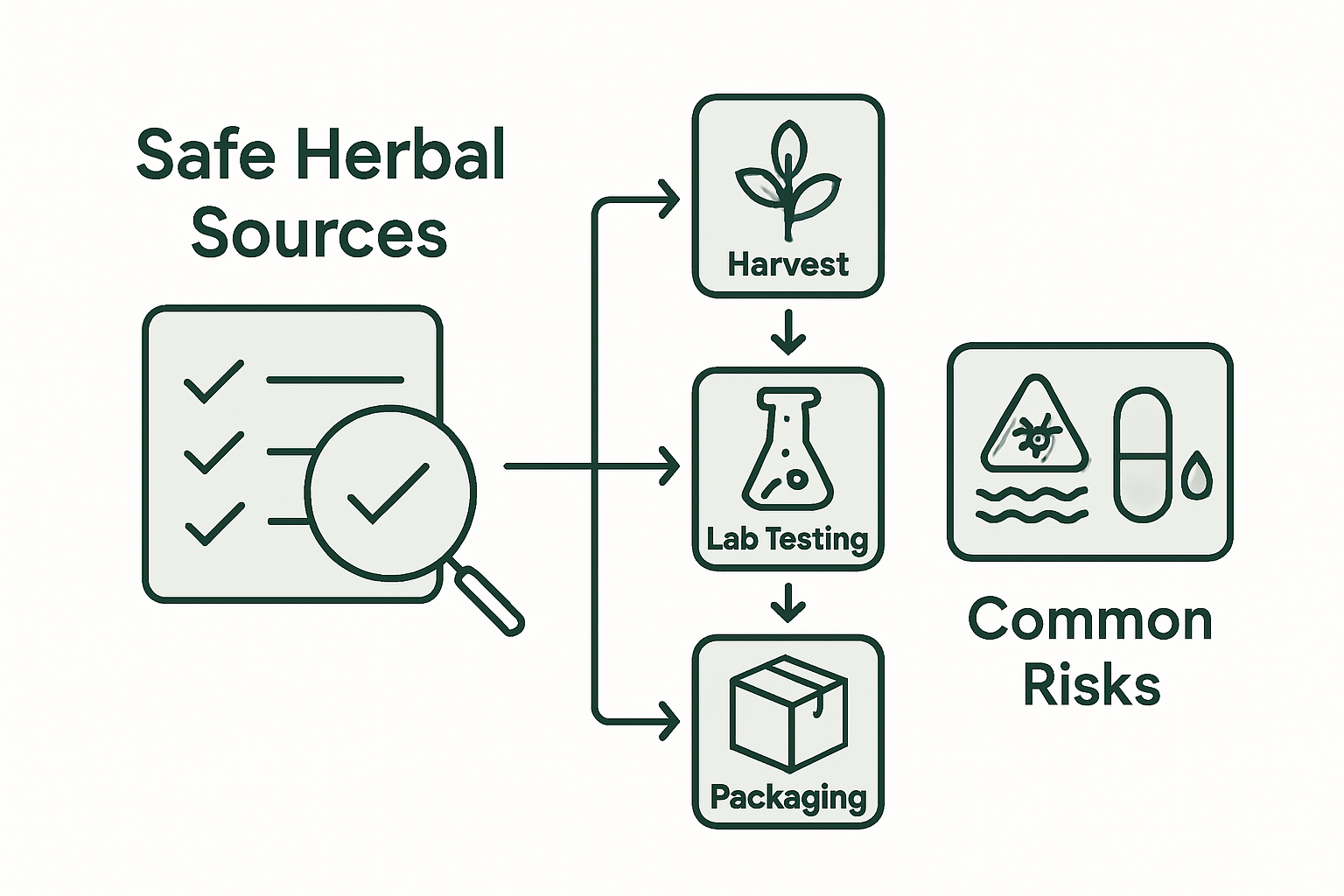
Botanical quality depends on multiple interconnected factors, including cultivation practices, harvesting techniques, and preservation methods. The provenance of herbal materials significantly impacts their therapeutic potential and safety. Sustainable conservation practices play a crucial role in maintaining the integrity of medicinal plant resources, ensuring that botanical interventions remain both effective and environmentally responsible.
Key considerations for herbal remedy safety include:
- Rigorous sourcing from verified organic suppliers
- Comprehensive testing for contaminants and adulterants
- Understanding potential interactions with conventional medications
- Verifying plant species identification through genetic testing
- Monitoring cultivation and harvesting environmental conditions
- Tracking full supply chain transparency
Modern herbal practitioners approach safety with a holistic perspective, recognising that true wellness requires a delicate balance between traditional wisdom and contemporary scientific understanding. By implementing stringent quality control measures and maintaining deep respect for botanical ecosystems, they ensure that herbal remedies offer genuine therapeutic potential while minimising potential risks to individual and environmental health.
Navigating Misuse and Realistic Expectations
Herbal wisdom demands a nuanced approach that balances traditional knowledge with contemporary scientific understanding. Botanical remedies have historically been influenced by intriguing yet scientifically unsubstantiated theories, such as the doctrine of signatures, which suggested that a plant’s physical appearance could indicate its medicinal properties. This approach, while imaginative, represents a critical example of how traditional herbal practices can sometimes diverge from empirical scientific evidence.
Understanding the limitations of herbal interventions is crucial for responsible use. Herbal remedies are not miraculous cure-alls but complementary approaches to wellness. Clinical research has consistently demonstrated that many traditional botanical treatments may offer limited therapeutic benefits beyond placebo effects. This does not diminish their potential value, but rather emphasises the importance of maintaining realistic expectations and approaching herbal interventions with critical discernment.
Key considerations for responsible herbal use include:
- Consulting qualified healthcare professionals
- Understanding potential interactions with existing medications
- Recognising individual physiological variations
- Maintaining scientific scepticism
- Prioritising evidence-based approaches
- Avoiding self-diagnosis and treatment
Modern herbal practitioners advocate for a balanced perspective that integrates traditional wisdom with rigorous scientific evaluation. By approaching botanical interventions with intellectual humility, individuals can explore natural wellness strategies while maintaining a sophisticated understanding of their potential benefits and limitations.
Embrace Herbal Wisdom with Authentic Botanical Remedies
Discover how traditional herbal wisdom can guide you towards restoring your body’s natural balance. This article highlights the challenges of navigating effective plant-based healing while respecting individual differences and scientific scrutiny. If you seek to support your wellness journey with trusted, potent botanicals, consider exploring our range of Detox Herbs & Capsules – Gutted. These carefully made remedies honour time-tested principles while harnessing the healing power of nature.
Take the step today to reconnect with your body’s innate healing intelligence through our carefully curated Organic Root Oil Range – Gutted. Each formula is professionally manufactured in the UK with authenticity at heart. Begin your personalised herbal wellness ritual and experience natural detoxification, reduced stagnation, and renewed vitality. For a complete approach to wellbeing, browse our Wellness Kits & Bundles – Gutted. Visit Gutted™ now to unlock nature’s restorative power tailored for you.
Frequently Asked Questions
What is herbal wisdom?
Herbal wisdom refers to the traditional understanding and practices surrounding plant-based healing, drawing on generations of knowledge about the therapeutic potential of natural substances for holistic wellness.
Are herbal remedies effective for health conditions?
While some herbal remedies have demonstrated benefits through scientific validation, others may lack empirical evidence. It’s essential to approach herbal treatments with both respect and critical thinking, understanding that they are not universal cures.
What are the common types of herbal preparations?
Common types of herbal preparations include decoctions, infusions, and herbal oils. Decoctions are made by simmering tough plant parts, infusions involve steeping delicate parts in hot water, and herbal oils extract essences into carrier oils for various uses.
How can I ensure the safety and quality of herbal remedies?
To ensure safety and quality, source herbs from verified organic suppliers, conduct tests for contaminants, and understand the potential interactions with conventional medications. Additionally, thorough verification of plant species and sustainable harvesting practices is crucial.