

Traditional Infusions: Complete Guide for Herbal Wellness
Over 80% of people worldwide turn to herbal infusions for natural wellness support, making them far more than simple tea alternatives. These caffeine-free beverages blend a wide range of botanicals, each with distinct flavors and benefits that can help restore balance and promote detoxification. Whether you are exploring herbal tisanes for relaxation, digestion, or immune strength, understanding what sets traditional infusions apart helps you unlock the full potential of nature’s pharmacy.
Key Takeaways
| Point | Details |
|---|---|
| Holistic Benefits of Tisanes | Herbal infusions serve as potent botanical extracts providing targeted wellness properties without caffeine. |
| Diverse Variety and Preparation | A wide range of herbs like chamomile and peppermint offer unique health benefits, requiring careful preparation techniques to preserve their efficacy. |
| Detoxification and Balance Support | Herbal infusions promote liver function, reduce inflammation, and support the body’s natural detox processes, enhancing overall wellness. |
| Safety and Quality Considerations | It’s crucial to be aware of the potential risks, such as herb interactions and ingredient purity, necessitating professional guidance for safe consumption. |
Defining Traditional Infusions and Core Concepts
Traditional herbal infusions represent a profound botanical healing practice, transcending mere beverage consumption into a realm of holistic wellness. Tisanes, as these herbal preparations are scientifically known, are intricate plant-based extractions designed to unlock nature’s therapeutic potential. According to Teapedia, these beverages are created by steeping various plant materials like flowers, leaves, seeds, and roots in hot water, distinguishing them fundamentally from traditional tea derived from the Camellia sinensis plant.
At their essence, herbal infusions are more than just drinks - they’re concentrated botanical extracts with targeted wellness properties. Soular Science confirms that these preparations encompass a remarkable diversity of plant-based ingredients, each offering unique flavor profiles and potential health benefits. Unlike caffeinated beverages, tisanes provide a gentle, nurturing approach to supporting bodily systems through natural plant compounds.
Key characteristics of traditional herbal infusions include:
- Caffeine-free composition
- Made from diverse botanical ingredients
- Can target specific wellness goals
- Offer complex flavor experiences
- Derived from whole plant materials
The art of creating herbal infusions requires understanding plant properties, extraction techniques, and intentional preparation methods. By carefully selecting and steeping plant materials, practitioners can transform simple ingredients into powerful wellness tools that support lymphatic health, hormonal balance, and overall vitality.
 Each infusion becomes a personalized botanical medicine, reflecting centuries of traditional healing wisdom adapted for modern wellness seekers.
Popular Types of Herbal Infusions
Herbal infusions represent a vibrant world of botanical diversity, offering an incredible range of flavors, aromas, and wellness support. According to KEBS, common herbal infusions encompass an impressive array of plant-based options including stinging nettle, fennel, rose-hip, hibiscus blossom, chamomile, spearmint, lemon grass, and lime blossom, each delivering unique therapeutic properties.
Wellness-Focused Infusions have gained significant popularity among holistic health practitioners. Nature Medic Garden highlights several standout herbs with targeted benefits:
- Chamomile: Known for calming properties
- Peppermint: Supports digestive health
- Lemon Balm: Helps reduce stress
- Ginger: Provides warming effects
- Rosemary: Potentially enhances memory function
Beyond their immediate sensory experience, these infusions represent intricate botanical medicines.
Each herb carries a complex profile of compounds that interact with our body’s systems, offering gentle yet profound support for overall wellness. Whether seeking relaxation, digestive support, or immune enhancement, there’s a herbal infusion perfectly matched to individual health goals. Learn more in our complete guide to how herbalists formulate blends, which explores the nuanced art of creating targeted herbal preparations.
How Traditional Infusions Are Prepared
Preserving the delicate essence of botanical ingredients requires meticulous preparation techniques that honor centuries of herbal wisdom. According to Vermont Herbal Center, traditional infusion methods involve carefully placing herbs in a jar or French press and covering them with hot water, allowing the plant materials to steep for 10 to 30 minutes. This gentle extraction process ensures that the subtle flavors and therapeutic compounds are fully released without compromising their nutritional integrity.
Extraction Methods vary depending on the specific plant material and desired therapeutic outcome. While leafy herbs and flowers typically benefit from standard infusion techniques, harder botanical materials like roots and barks require more intensive preparation. The decoction method becomes crucial in these scenarios, involving boiling the plant material and then simmering to effectively extract complex medicinal properties.
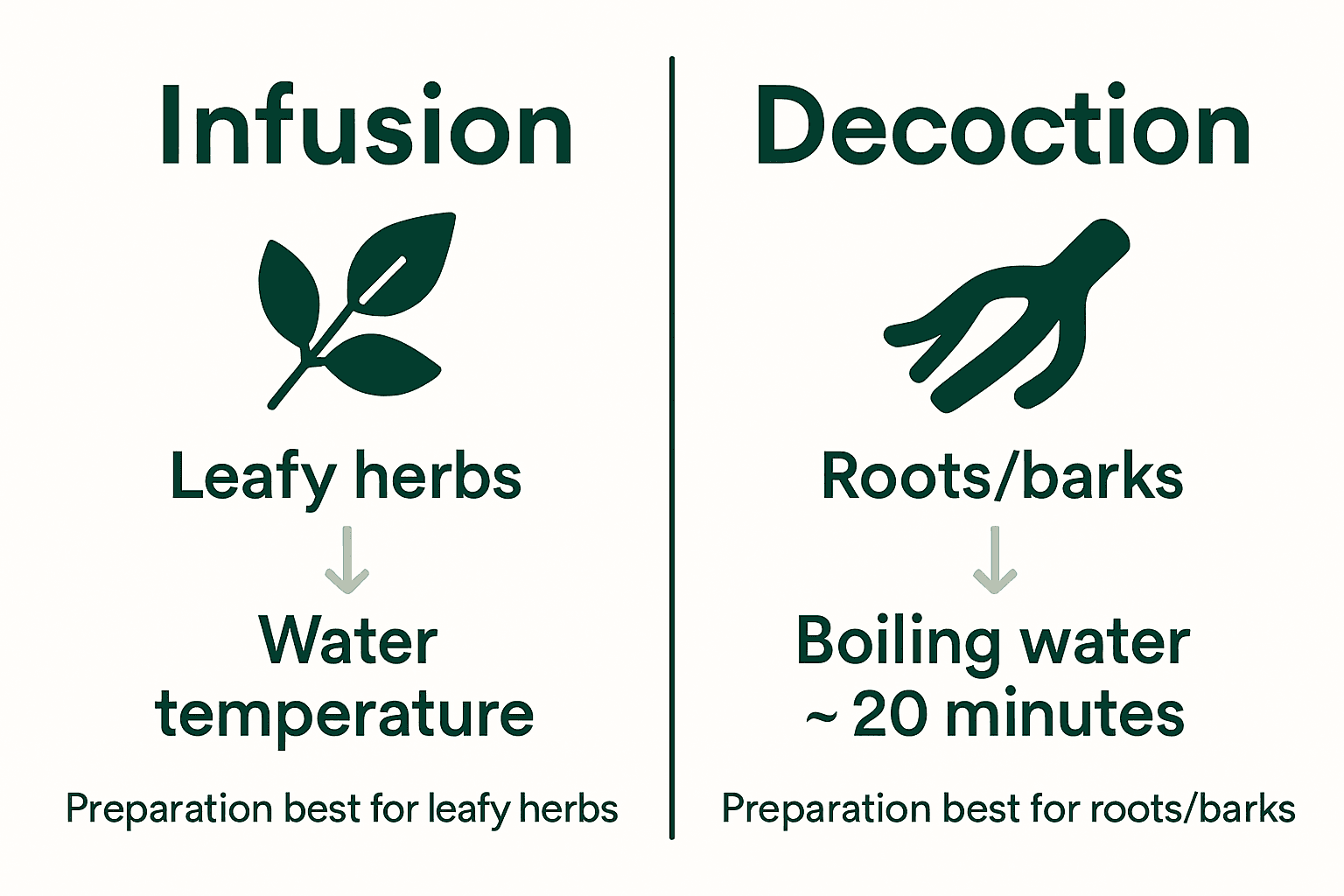
Key preparation considerations for creating high-quality herbal infusions include:
- Water temperature appropriate to the specific herb
- Precise steeping duration
- Quality of source botanical materials
- Clean, chemical-free water
- Proper storage and handling of herbs
Precision matters in herbal preparation. Professional herbalists understand that each botanical ingredient demands unique extraction techniques to preserve its therapeutic potential. By mastering these traditional preparation methods, wellness enthusiasts can transform simple plant materials into powerful, targeted healing beverages. Learn more about crafting herbal infusions naturally and unlock the profound healing potential of botanical medicine.
Key Benefits for Detox and Balance
Herbal infusions represent a powerful natural approach to supporting the body’s innate detoxification and healing processes. According to Heal with Food, specific herbal teas like dandelion leaf tea offer remarkable detoxifying properties that directly support liver function and promote systemic balance. These botanical preparations work synergistically with the body’s natural elimination pathways, gently supporting cellular renewal and metabolic health.
Targeted Herbal Support provides comprehensive wellness benefits beyond simple hydration. The same source highlights that nettle tea, for instance, delivers potent anti-inflammatory benefits that extend far beyond traditional understanding. These infusions can help reduce joint inflammation, mitigate allergy symptoms, and support the body’s intricate self-regulation mechanisms.
Key detoxification and balance benefits include:
- Supports liver function and metabolic processes
- Reduces systemic inflammation
- Enhances lymphatic drainage
- Promotes cellular regeneration
- Balances hormonal systems
- Supports immune function
Professional herbalists understand that true wellness emerges from holistic, gentle interventions that respect the body’s complex intelligence. By incorporating targeted herbal infusions, individuals can create a foundational strategy for ongoing health maintenance. Discover our comprehensive guide to boosting detox pathways naturally and unlock your body’s innate healing potential through intelligent, nature-aligned wellness practices.
Risks, Safety, and Quality Standards
Navigating the world of herbal infusions requires a nuanced understanding of potential risks and quality considerations. Research from PubMed analyzing herbal tea products reveals critical insights into the complex landscape of botanical preparations. The study highlights the importance of monitoring trace elements like Magnesium, Calcium, and Iron, which can vary significantly across different herbal products and potentially impact overall safety and efficacy.
Herb Interaction Dynamics represent a crucial aspect of herbal wellness that demands careful attention. Another PubMed study underscores the complexity of herbal mixtures, demonstrating that while these preparations offer remarkable antioxidant benefits, the interactions between different herbs can produce unpredictable results. This complexity emphasizes the need for professional guidance and thoughtful herbal selection.
Key safety considerations for herbal infusion consumption include:
- Source and purity of botanical ingredients
- Potential interactions with medications
- Individual allergic sensitivities
- Proper dosage and preparation methods
- Quality of water used in extraction
- Storage and preservation techniques
Consumers should approach herbal wellness with an informed and cautious mindset. Professional herbalists recommend consulting healthcare providers, especially for individuals with pre-existing conditions, pregnant women, or those taking prescription medications. Explore our comprehensive guide to understanding herbal wellness safely to develop a responsible and holistic approach to botanical healing.
Rediscover True Herbal Wellness with Gutted™
The article highlights the challenge of safely harnessing traditional herbal infusions to support detox, balance, and holistic healing. Many people struggle with understanding the precise preparation, sourcing pure botanicals, and avoiding unpredictable herb interactions. Key goals include boosting liver function, reducing inflammation, and restoring natural balance through gentle, caffeine-free infusions. At Gutted™, we understand these concerns deeply. Our handcrafted remedies like the bestselling Poke Root Oil are made with carefully selected wild botanicals, responsibly sourced and blended to preserve each herb’s therapeutic potential.
Experience authentic herbal healing without the guesswork. Our small-batch formulas are rooted in traditional wisdom and designed to help relieve stagnation and detox the body naturally. We invite you to explore our handcrafted herbal blends and dive deeper into the art of mindful botanical wellness with our complete guide to how herbalists formulate blends.
Unlock the power of tradition with confidence and reconnect with your body’s innate healing intelligence today.
Ready to embrace herbal infusions crafted for your wellbeing and detox journey? Visit Gutted™ and discover authentic, nature-aligned remedies that honour centuries of healing expertise. Start your path to balance now.
Frequently Asked Questions
What are traditional herbal infusions?
Traditional herbal infusions, also known as tisanes, are botanical preparations made by steeping various plant materials such as flowers, leaves, seeds, and roots in hot water. They are caffeine-free and can offer unique health benefits and complex flavor experiences.
How do I prepare a traditional herbal infusion?
To prepare an herbal infusion, place your chosen herbs in a jar or French press, cover them with hot water, and allow them to steep for 10 to 30 minutes. Adjust the steeping time based on the type of herb and desired strength.
What are some popular types of herbal infusions?
Popular herbal infusions include chamomile for calming properties, peppermint for digestive support, lemon balm for stress reduction, ginger for warming effects, and rosemary for memory enhancement. Each has its unique flavor and potential health benefits.
Are there any risks associated with consuming herbal infusions?
Yes, potential risks include allergic reactions, interactions with medications, and the importance of ensuring the purity of herbal ingredients. It’s advisable to consult a healthcare provider if you have pre-existing conditions or are pregnant before consuming herbal infusions.
Recommended
- How to Make Herbal Infusions Naturally for Wellness – Gutted.
- Complete Guide to How Herbalists Formulate Blends – Gutted.
- How to Make Herbal Oil Naturally for Detox & Balance – Gutted.
- Why Herbal Self‑Care: The Essential Guide – Gutted.
- Understanding Herbs for Hair Growth: Nature’s Solutions | MyHair