

Why Herbal Self‑Care: The Essential Guide
Did you know over 80 percent of people worldwide rely on plants for their primary health needs? This global connection to herbal remedies speaks to a growing desire for gentler, more natural self-care solutions. Herbal self-care offers a personalized way to support well-being using the time-tested wisdom of plants, inviting you to nurture balance in body and mind while honoring your unique wellness journey.
Key Takeaways
| Point | Details |
|---|---|
| Holistic Approach | Herbal self-care integrates natural remedies to support the body’s healing processes and restore balance. |
| Diverse Practices | Common methods include herbal infusions, topical applications, and dietary integration, each tailored to individual wellness needs. |
| Understanding Effects | Herbal compounds interact with bodily systems, promoting hormonal balance, reducing inflammation, and supporting overall well-being. |
| Safety and Guidance | It is crucial to consult healthcare professionals and understand potential interactions when using herbal remedies. |
What Constitutes Herbal Self‑Care
Herbal self-care represents a holistic approach to wellness that integrates natural plant-based remedies into daily health practices. Unlike conventional treatments that often target specific symptoms, herbal self-care focuses on supporting the body’s inherent healing intelligence and restoring natural balance.
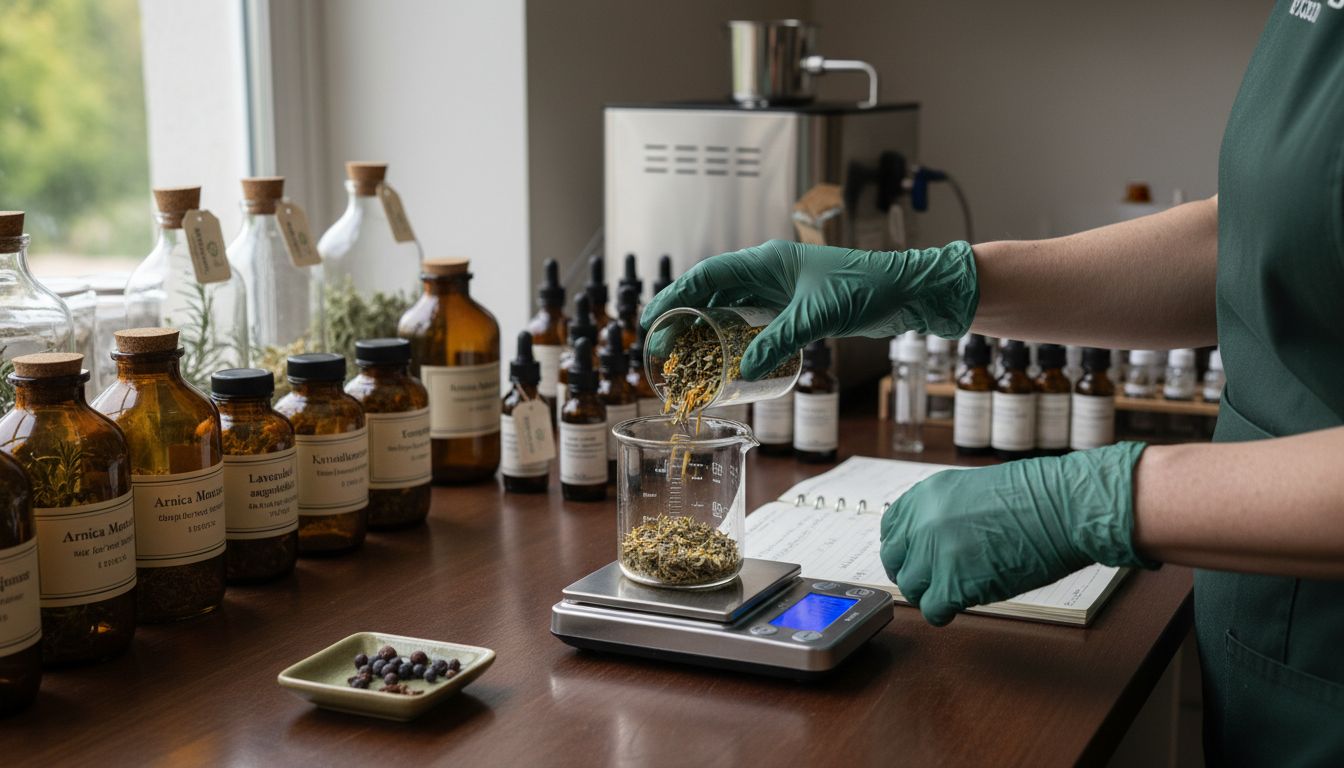
At its core, herbal self-care involves strategically using botanical preparations to support overall well-being. This might include creating personalised herbal teas, applying wildcrafted oils, consuming herbal tinctures, or incorporating adaptogenic herbs into your nutrition. Explore our guide to how herbalists formulate blends to understand the intricate art behind effective herbal combinations.
Key elements of herbal self-care typically encompass:
- Identifying individual health needs
- Selecting appropriate herbs based on personal wellness goals
- Understanding herb interactions and potential contraindications
- Creating sustainable, mindful wellness practices
- Developing a deep connection with plant-based healing traditions
Successful herbal self-care requires patience, knowledge, and a commitment to understanding your body’s unique signals. It’s not about quick fixes, but cultivating a compassionate, long-term relationship with natural healing methods that support your physical and emotional well-being.
Key Types Of Herbal Self‑Care Practices
Herbal self-care practices are diverse and deeply personal, offering multiple approaches to supporting wellness through botanical remedies. These practices range from gentle daily rituals to more targeted therapeutic interventions, each designed to restore and maintain holistic health.
Topical applications represent one fundamental type of herbal self-care. Learn how to make herbal oils naturally for targeted wellness support. These include wildcrafted botanical oils, healing salves, lymphatic massage oils, and herbal compresses that can be applied directly to the body to support specific health needs.
Key herbal self-care practices include:
Here’s a comparison of common herbal self-care practices:
| Practice | Method Example | Primary Benefit |
|---|---|---|
| Herbal Infusions | Personalised tea blends | Gentle daily nourishment |
| Topical Applications | Salves, massage oils | Targeted relief |
| Tinctures | Liquid extracts | Concentrated support |
| Dietary Integration | Adaptogenic herbs | Systemic resilience |
| Aromatherapy | Essential oils | Emotional balance |
| Herbal Baths | Botanical soaks | Relaxation & detox |
|
- Herbal Infusions: Creating nourishing tea blends
- Topical Applications: Using botanical oils and salves
- Tinctures: Concentrated liquid herbal extracts
- Dietary Integration: Incorporating adaptogenic herbs
- Aromatherapy: Using essential oils for emotional balance
- Herbal Baths: Therapeutic soaks with botanical ingredients
Successful herbal self-care requires understanding your body’s unique signals and selecting practices that resonate with your individual wellness journey. It’s about creating a compassionate, intuitive relationship with plant-based healing that supports your physical and emotional well-being.
How Herbal Self‑Care Works In The Body
Herbal self-care interacts with the body through complex biochemical pathways, leveraging the intricate communication systems of our internal physiology. Phytochemicals - the active compounds found in plants - engage directly with cellular receptors, supporting the body’s natural healing and regulatory mechanisms.
Learn more about herbal restoration and natural body balance to understand how botanical interventions can support systemic wellness. These plant-based compounds work through multiple biological channels, including the endocrine, nervous, and immune systems, helping to modulate inflammation, support detoxification, and restore energetic equilibrium.
Key mechanisms of herbal interaction include:
- Cellular Signaling: Activating protective and regenerative cellular responses
- Hormonal Regulation: Balancing endocrine system functions
- Inflammatory Modulation: Reducing chronic inflammatory responses
- Antioxidant Protection: Neutralizing free radicals and supporting cellular health
- Adaptogenic Response: Helping the body manage stress and maintain homeostasis
Understanding herbal self-care as a holistic dialogue between plant compounds and bodily systems reveals its profound potential. These natural interventions don’t just treat symptoms but support the body’s inherent capacity to heal, restore, and maintain optimal functioning.
Benefits Of Herbal Self‑Care For Women
Herbal self-care offers transformative wellness strategies specifically tailored to women’s unique physiological needs. By addressing the complex hormonal landscape and supporting holistic health, botanical interventions provide nuanced approaches to managing women’s physical and emotional well-being throughout different life stages.
Discover key herbs for natural wellness support that can help women navigate hormonal challenges, reproductive health, and stress management. These targeted herbal practices can provide gentle yet powerful support for menstrual regulation, menopausal transitions, emotional balance, and overall systemic resilience.
Specific benefits for women include:
- Hormonal Balance: Regulating menstrual cycles and managing hormonal fluctuations
- Stress Reduction: Supporting emotional equilibrium and nervous system health
- Reproductive Health: Nurturing fertility and managing reproductive wellness
- Lymphatic Support: Promoting detoxification and reducing inflammatory responses
- Skin and Beauty: Enhancing natural radiance and supporting cellular regeneration
- Energy Restoration: Combating fatigue and supporting metabolic functions
Herbal self-care represents more than just a wellness strategy - it’s a profound form of self-love and empowerment. By understanding and responding to the body’s unique signals, women can cultivate a deeply intuitive approach to health that honors their individual journey and inherent healing capabilities.
Safety, Risks And Quality Considerations
Herbal self-care demands a thoughtful, informed approach that prioritizes personal safety and product integrity. While natural remedies offer profound healing potential, they are not without potential risks and complexities that require careful navigation and professional guidance.
According to research, self-medication with herbal drugs can potentially lead to adverse effects and dangerous interactions with conventional medications. Understanding herbal restoration and natural body balance becomes crucial for responsible wellness practices. This means consulting healthcare professionals, understanding potential contraindications, and approaching herbal interventions with informed caution.
Key safety considerations include:
- Consultation: Always discuss herbal treatments with healthcare providers
- Quality Sourcing: Select herbs from reputable, organic, and sustainable sources
- Dosage Awareness: Follow recommended guidelines and avoid self-prescribing
- Medication Interactions: Check potential conflicts with existing pharmaceutical treatments
- Individual Sensitivity: Recognize that herbal responses can vary between individuals
- Allergic Potential: Conduct patch tests and monitor for unexpected reactions
Responsible herbal self-care is about balance, respect for botanical wisdom, and a commitment to personal well-being. It requires ongoing education, professional guidance, and a nuanced understanding of how natural remedies interact with individual physiological systems.
Informed Use And Professional Guidance
Navigating the world of herbal self-care requires a thoughtful, collaborative approach that bridges personal wellness intuition with professional medical expertise. Informed use means understanding that while natural remedies offer powerful healing potential, they are not a replacement for professional medical guidance.
Explore herbal restoration strategies that support natural body balance while maintaining open communication with healthcare providers. According to research among university students, professional education is crucial in preventing misuse and potential health risks associated with self-administered herbal therapies.
Key strategies for informed herbal self-care include:
- Comprehensive Consultation: Schedule discussions with healthcare professionals
- Medical History Transparency: Share complete health background with practitioners
- Holistic Documentation: Keep detailed records of herbal interventions
- Ongoing Monitoring: Regular check-ins to assess treatment effectiveness
- Continuous Education: Stay updated on herbal research and potential interactions
- Open Communication: Discuss all herbal and conventional treatments with providers
Professional guidance transforms herbal self-care from a potentially risky endeavour into a sophisticated, personalized wellness strategy. It’s about creating a collaborative health partnership that respects both traditional botanical wisdom and modern medical understanding.
Embrace Herbal Self‑Care to Restore Your Body’s Natural Balance
Many people struggle with finding gentle yet effective ways to support their body’s healing process. The challenge often lies in understanding how to safely integrate botanical remedies into daily routines that truly pay attention to individual needs and hormonal balance. This essential guide highlights the importance of informed use of herbs, mindful wellness practices, and reconnecting with your body’s signals through techniques like topical applications, adaptogenic herbs, and herbal infusions.
Discover authentic herbal solutions that align with these principles at Gutted™ a UK-based brand dedicated to handcrafted, wildcrafted blends designed to help you detox naturally and enhance vitality. Start your journey today with our Organic Root Oil Range where each small-batch formula supports cellular regeneration and lymphatic health.
Looking for a comprehensive approach that covers multiple wellness goals at once Explore our carefully crafted Wellness Kits & Bundles created to address hormonal balance, stress relief, and energetic restoration.
Reclaim your well-being the natural way
Take the first step toward a compassionate and effective herbal self-care routine now Explore our range of handcrafted remedies at Gutted™ and experience the true power of nature’s healing intelligence
Frequently Asked Questions
What is herbal self-care?
Herbal self-care is a holistic approach to wellness that incorporates natural plant-based remedies to support the body’s inherent healing intelligence. It focuses on creating a balance in overall health rather than just treating specific symptoms.
What are some common methods of herbal self-care?
Common methods include herbal infusions (personalized teas), topical applications (oils and salves), tinctures (liquid extracts), dietary integration of adaptogenic herbs, aromatherapy with essential oils, and herbal baths for relaxation and detoxification.
How do herbal remedies work in the body?
Herbal remedies interact with the body through biochemical pathways, utilizing phytochemicals that engage with cellular receptors. They can support hormonal regulation, reduce inflammation, provide antioxidant protection, and help the body manage stress and maintain balance.
Are there any safety considerations when using herbal self-care?
Yes, it’s important to consult healthcare professionals before starting herbal treatments, ensure quality sourcing of herbs, be aware of potential medication interactions, monitor individual sensitivities, and conduct allergy tests when necessary.
Recommended
- Herbal Restoration Explained: Natural Detox & Balance – Gutted.
- How to Make Herbal Oil Naturally for Detox & Balance – Gutted.
- How to Make Herbal Infusions Naturally for Wellness – Gutted.
- Complete Guide to How Herbalists Formulate Blends – Gutted.
- Fluum | What is Herbal Medicine
- Herbs That Help with Stress (Because You Deserve a Break) -