

What Is Herbal Wisdom? Complete Guide To Modern Uses
Over 80 percent of british adults have tried herbal remedies at least once, reflecting a deep-rooted curiosity about natural healing. As interest in botanical wellness grows, understanding the origins and principles of herbal wisdom becomes more important than ever. These traditions offer more than folklore by blending ancient insights with modern scientific research. Here you will discover how herbal knowledge developed, its key foundations, and what makes it so relevant in the search for holistic health today.
Key Takeaways
| Point | Details |
|---|---|
| Holistic Healing | Herbal wisdom emphasises a comprehensive approach to wellness, integrating physical, emotional, and spiritual dimensions through natural remedies. |
| Traditional Versus Modern Approaches | Traditional herbal practices focus on empirical knowledge, while modern herbalism incorporates scientific research to validate and expand plant-based healing. |
| Botanical Therapeutic Potential | Specific herbs can support detoxification, lymphatic health, and hormonal balance, highlighting the interconnected systems within human physiology. |
| Safety and Quality of Remedies | Informed discernment is crucial when choosing herbal remedies, necessitating an understanding of quality, individual interactions, and sourcing authenticity. |
Defining Herbal Wisdom And Its Key Roots
Herbal wisdom represents an ancient, holistic approach to healing that connects human wellness with the therapeutic properties of botanical substances. This profound understanding emerges from centuries of observational knowledge, passed through generations of healers, practitioners, and cultural traditions. The core principle underlying herbal wisdom is recognising that plants possess intricate healing capacities that extend far beyond simple nutritional value.
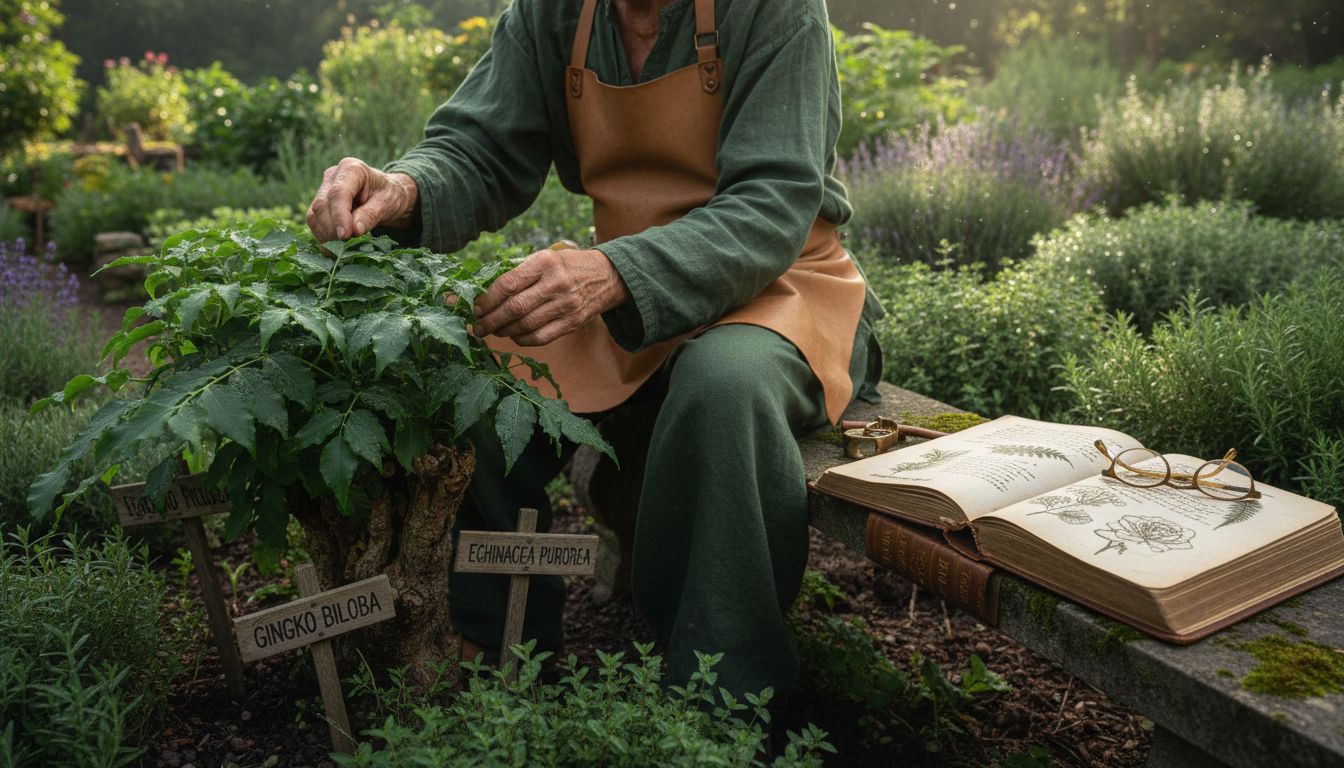
Traditionally, herbal practitioners developed sophisticated methods of understanding plant-based healing through direct observation and empirical practice. The ‘Doctrine of Signatures’, an intriguing early philosophical framework, suggests that plants’ physical characteristics provide clues about their potential medicinal applications. This remarkable concept implies that nature itself offers visual hints about a plant’s therapeutic potential - a principle that guided early herbal researchers in their understanding of botanical medicine.
Historical documents like the ‘Grete Herball’ demonstrate how meticulous herbal knowledge was systematically recorded and shared across European medical traditions. These early encyclopaedic works were crucial in preserving and transmitting botanical medicinal knowledge, representing a sophisticated understanding of plant-based healing that predates modern pharmaceutical approaches. Herbal wisdom fundamentally views wellness as an interconnected process, where physical, emotional, and spiritual dimensions are harmoniously balanced through natural remedies.
Key characteristics of herbal wisdom include a holistic perspective that considers individual constitution, environmental factors, and the complex interactions between human physiology and botanical compounds. Unlike contemporary medicine’s reductionist approach, herbal traditions seek comprehensive healing strategies that address root causes rather than merely managing symptoms. By integrating traditional herbal knowledge with contemporary scientific understanding, modern practitioners continue to explore and validate the profound healing potential of botanical substances.
Traditional Practices Versus Modern Herbalism
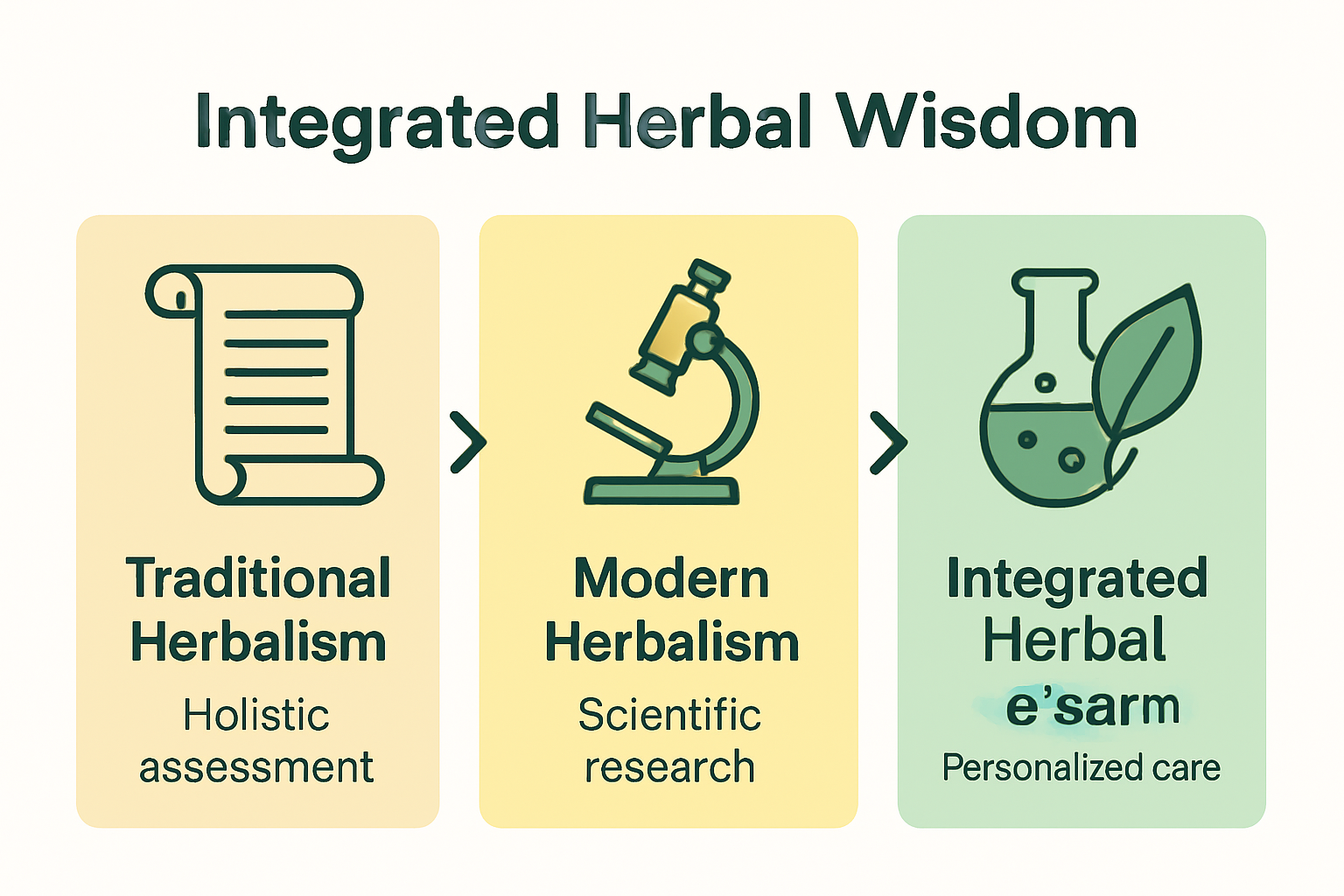
Traditional herbal practices and modern herbalism represent two interconnected yet distinctly different approaches to botanical healing, each offering unique perspectives on human wellness. While traditional methods rely predominantly on generational knowledge and empirical observations, modern herbalism integrates scientific research, clinical studies, and advanced analytical techniques to validate and expand botanical understanding.
Historically, traditional herbal practices emerged from cultural wisdom, where healing knowledge was transmitted through oral traditions and practical experience. These approaches were deeply rooted in herbal restoration principles that considered holistic healing beyond mere symptom management. Practitioners understood plant medicines through direct observation, recognising intricate relationships between human physiology and botanical compounds long before contemporary scientific methodologies emerged.
Modern herbalism builds upon these traditional foundations while introducing rigorous scientific methodologies. Contemporary researchers conduct comprehensive studies to understand precise mechanisms of botanical interventions, chemical compositions, and potential therapeutic applications. The comparative analysis of medicinal plant effects reveals fascinating insights into how traditional knowledge can complement scientific research, creating a more nuanced understanding of plant-based healing.
Key differences between traditional and modern herbalism include their epistemological approaches, evidence generation, and standardisation processes. Traditional practices often emphasise intuitive understanding and energetic healing principles, while modern herbalism prioritises reproducible, measurable outcomes. However, both methodologies share a fundamental commitment to understanding nature’s healing potential, recognising that botanical medicines represent a sophisticated, holistic approach to human wellness that transcends simplistic medical interventions.
Core Principles Of Herbal Wisdom Today
Contemporary herbal wisdom represents a sophisticated integration of ancient healing traditions and cutting-edge scientific understanding, emphasising a holistic approach to human wellness that transcends conventional medical paradigms. This modern perspective recognises the intricate connections between botanical compounds, human physiology, and environmental interactions, viewing health as a complex, interconnected system rather than a series of isolated symptoms.
The core principles of herbal wisdom today are fundamentally rooted in comprehensive healing approaches that prioritise prevention, individual constitution, and natural balance. Modern herbal self-care strategies demonstrate how traditional knowledge can be adapted to contemporary lifestyle challenges, offering nuanced interventions that support the body’s inherent healing intelligence. Contemporary practitioners understand that each individual’s physiological and energetic landscape is unique, requiring personalised botanical interventions.
Advancements in herbal medicine research have significantly refined our understanding of botanical healing mechanisms. Researchers now employ sophisticated analytical techniques to investigate the complex biochemical interactions between plant compounds and human biological systems. This scientific approach validates many traditional healing practices while simultaneously expanding our comprehension of botanical medicine’s potential therapeutic applications.
Crucial principles guiding modern herbal wisdom include holistic assessment, personalised treatment, sustainable sourcing, and an integrative approach that respects both traditional knowledge and scientific methodology. Practitioners increasingly recognise that effective healing requires understanding the interconnected nature of physical, emotional, and environmental factors, moving beyond reductive medical models to embrace a more nuanced, comprehensive view of human wellness.
Benefits For Detox, Lymphatics, And Hormones
Herbal wisdom offers profound therapeutic potential for supporting the body’s natural detoxification, lymphatic, and hormonal systems, addressing wellness from a holistic and integrative perspective. The intricate botanical compounds found in traditional medicinal plants provide nuanced interventions that support the body’s inherent healing mechanisms, offering gentle yet powerful support for complex physiological processes.
Cleansing lymphatic systems requires a sophisticated understanding of botanical interactions with human physiology. Research examining medicinal plant effects reveals fascinating insights into how specific herbs can stimulate lymphatic circulation, reduce inflammation, and support the body’s natural elimination pathways. The comparative analysis of medicinal plant effects demonstrates that certain botanical compounds can effectively modulate immune responses and enhance lymphatic drainage.
Specific botanical interventions have shown remarkable potential in supporting hormonal balance and detoxification processes. Studies investigating traditional medicinal plants like Hamelia patens highlight how targeted herbal interventions can support metabolic processes and cellular detoxification. These natural compounds work synergistically to support the endocrine system, helping to regulate hormonal fluctuations and promote overall metabolic efficiency.
The holistic approach of herbal wisdom recognises that detoxification, lymphatic health, and hormonal balance are deeply interconnected systems. By employing gentle, natural botanical interventions, individuals can support their body’s inherent healing intelligence, promoting cellular regeneration, reducing systemic inflammation, and maintaining optimal physiological equilibrium. This integrative perspective emphasises prevention, individualised care, and the profound healing potential of botanical medicine.
Risks, Safety, And Choosing Quality Remedies
Navigating the complex landscape of herbal remedies requires a nuanced understanding of potential risks, scientific validation, and quality assessment. While botanical medicines offer profound healing potential, individuals must approach herbal interventions with informed discernment, recognising that natural does not automatically equate to safe or universally appropriate.
Herbal wellness strategies demand rigorous evaluation of remedy quality and potential interactions. Advancements in herbal medicine research have highlighted critical considerations for ensuring botanical remedy safety. Key safety parameters include understanding individual physiological variations, potential pharmaceutical interactions, dosage precision, and sourcing authenticity. Consumers must critically assess herbal products, considering factors such as organic certification, extraction methods, and third-party testing.
Traditional medicine integration into modern healthcare necessitates comprehensive safety protocols. Research demonstrates that standardisation and scientific validation are paramount in mitigating potential risks associated with botanical interventions. This requires a multifaceted approach encompassing botanical identification, chemical profiling, potential contraindications, and understanding individual metabolic responses to plant-based compounds.
Choosing quality herbal remedies involves careful investigation beyond marketing claims. Individuals should prioritise products from reputable sources that provide transparent documentation of botanical origins, manufacturing processes, and potential interactions. Consulting qualified herbalists or healthcare practitioners can provide personalised guidance, ensuring herbal interventions are tailored to individual health needs, potential sensitivities, and specific wellness objectives.
Reconnect with Your Body Through Herbal Wisdom
Discover the true power of plants in supporting your body’s natural detoxification, lymphatic flow, and hormonal balance as highlighted in the article “What Is Herbal Wisdom? Complete Guide To Modern Uses”. If you seek gentle yet effective botanical solutions rooted in centuries of herbal knowledge and refined by modern science, our range of Detox Herbs & Capsules – Gutted. offers carefully made blends designed to ease stagnation and restore your body’s equilibrium.
Take the next step towards holistic wellness today by exploring authentic remedies, professionally made in the UK with potent wild-infused botanicals. Visit Gutted™ now to embrace personalised herbal self-care informed by both tradition and modern research. Your journey to natural balance begins with informed choices and quality herbal care from trusted experts.
Frequently Asked Questions
What is herbal wisdom?
Herbal wisdom is an ancient, holistic approach to healing that focuses on the therapeutic properties of plants. It encompasses the knowledge passed through generations regarding how botanical substances can support human wellness and healing.
How does traditional herbalism differ from modern herbalism?
Traditional herbalism relies on empirical knowledge and cultural wisdom, while modern herbalism incorporates scientific research and clinical studies. Modern practitioners validate and expand upon traditional methods to understand better the mechanisms of botanical healing.
What are some benefits of herbal remedies for detoxification and hormonal balance?
Herbal remedies can support the body’s detoxification processes, lymphatic health, and hormonal balance by utilising specific botanical compounds that enhance metabolic efficiency, reduce inflammation, and promote overall wellbeing.
How can I ensure the safety and quality of herbal remedies?
To ensure safety, look for products with organic certification, third-party testing, and clear documentation of their sourcing. Consulting a qualified herbalist or healthcare practitioner can also provide personalised guidance on suitable remedies.