Role of Traditional Herbs: Complete Guide to Benefits
Over 80% of people worldwide rely on traditional herbs for part of their healthcare, highlighting a deep-rooted trust in these botanical remedies. These plants carry stories and wisdom from ancient cultures, shaping approaches to healing and wellness across generations. By understanding what makes traditional herbs unique and where their practices began, you gain insight into the power and relevance of herbal medicine in both old traditions and modern daily life.
Key Takeaways
| Point | Details |
|---|---|
| Cultural Significance | Traditional herbs embody ancient knowledge and are integral to the wellness practices of indigenous communities worldwide. |
| Categories of Remedies | Herbal medicines can be classified into four main categories, each reflecting distinct therapeutic frameworks and applications. |
| Detoxification Support | Specific herbs play crucial roles in supporting the body’s natural detoxification mechanisms by enhancing liver and cellular functions. |
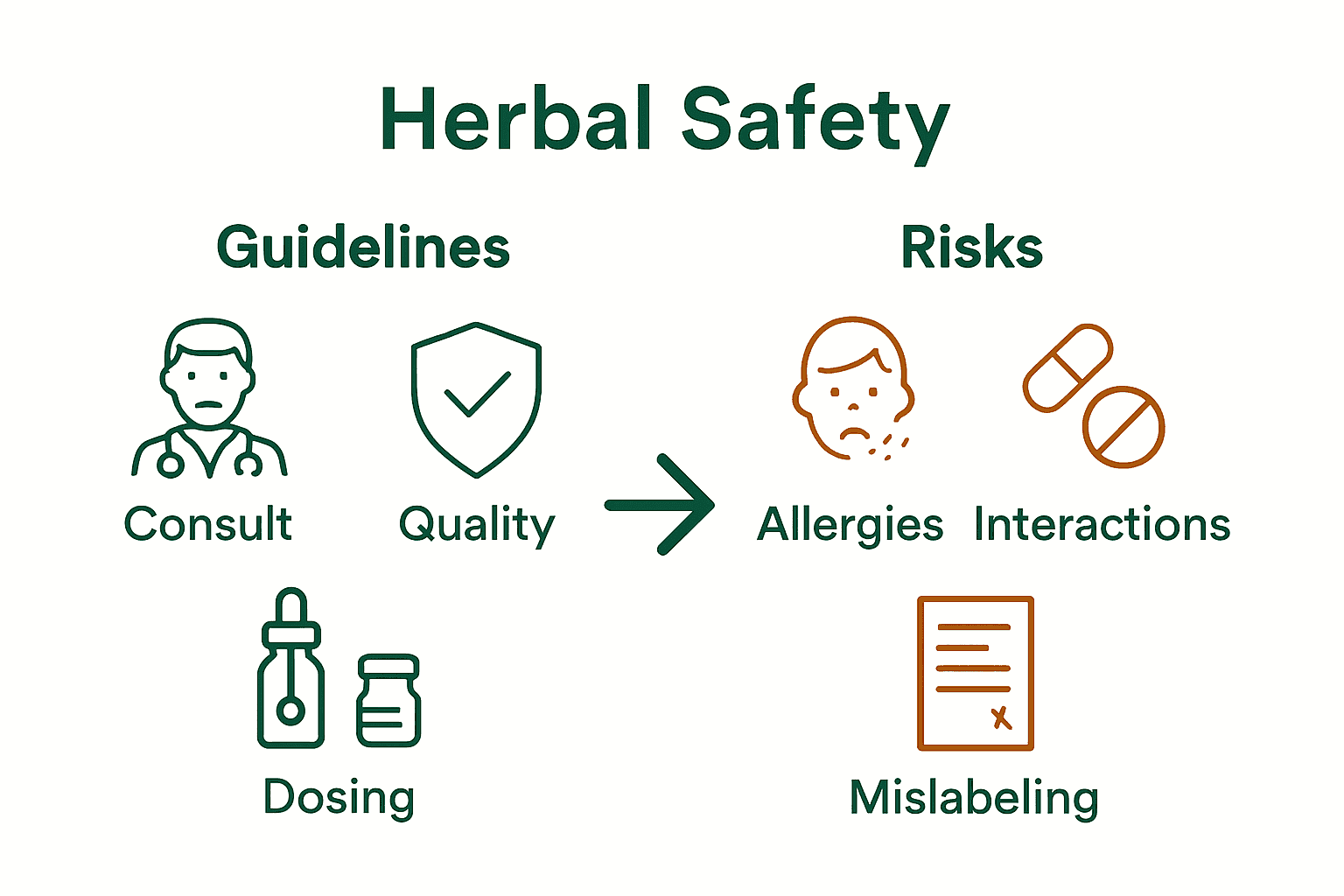
| Safety Considerations | Users should consult healthcare professionals and be aware of dosing, quality, and potential allergic reactions when using herbal remedies. |
Defining Traditional Herbs And Their Origins
Traditional herbs represent an ancient intersection between human wellness and botanical wisdom, tracing back thousands of years across diverse global cultures. Ethnobotany, an interdisciplinary field studying human-plant relationships, reveals how societies have long leveraged local flora for healing, nutrition, and holistic well-being.
At their core, traditional herbs are plant-based remedies cultivated and used by indigenous communities for medicinal, culinary, and spiritual purposes. These botanical allies emerge from generations of empirical knowledge passed down through oral traditions, carefully documenting the intricate healing properties of specific plants. The practice of using herbs therapeutically isn’t merely a historical footnote but a living, evolving tradition that continues to inform modern herbal wellness approaches.
The documentation of traditional herbal knowledge represents a profound scientific and cultural achievement. Take, for instance, the remarkable Hortus Malabaricus, a 17th-century Latin botanical treatise that meticulously catalogued the medicinal properties of plants from the Malabar coast. This groundbreaking work exemplifies how traditional societies systematically recorded and preserved their botanical understanding, creating foundational resources for future herbal research.

Traditional herbs are typically characterised by several key attributes:
- Deep cultural and historical roots
- Proven therapeutic applications
- Sustainable harvesting practices
- Holistic approach to wellness
- Complex biochemical compositions
Today, modern herbal practitioners continue to honour this rich legacy, bridging traditional wisdom with contemporary scientific understanding. By integrating ancestral knowledge with rigorous research, we can unlock the profound healing potential of these remarkable botanical treasures.
Key Categories Of Herbal Remedies
Herbal remedies represent a sophisticated and nuanced approach to wellness, with diverse categories reflecting their complex origins and therapeutic applications. According to research from govtgirlscollegedevendranagar, herbal medicines can be comprehensively classified into four primary categories: Indigenous herbal medicines, Herbal medicines in systems, Modified herbal medicines, and Imported herbal medicines.
These categories are not merely academic distinctions but reflect the rich, evolving landscape of botanical healing. Indigenous herbal medicines represent traditional knowledge passed down through generations, rooted in local ecosystems and cultural practices. Herbal medicines in systems typically align with established medical frameworks like Ayurveda, Traditional Chinese Medicine, or Western herbalism, providing structured therapeutic approaches.
From a therapeutic perspective, herbal remedies can be strategically categorized based on their clinical applications. Nucleodoconhecimento highlights a compelling classification system that distinguishes herbal interventions into four key therapeutic categories:
- Category 1: Primary therapeutic options
- Category 2: Alternatives to synthetic medicines
- Category 3: Adjuncts to basic therapy
- Category 4: Contexts where herbal use is not suitable
This nuanced categorization allows practitioners and individuals to approach herbal remedies with precision, understanding each botanical’s unique potential and limitations.
When exploring herbal self-care strategies, it becomes crucial to recognize these categories as dynamic frameworks that support personalised wellness journeys.
How Traditional Herbs Support Detoxification
Detoxification represents a critical biological process through which our bodies naturally eliminate harmful substances and restore internal balance. According to research from ijpsjournal, specific herbal medicines like milk thistle and dandelion play a pivotal role in supporting liver function and facilitating toxin elimination.
The mechanism of herbal detoxification is remarkably sophisticated, involving complex interactions between plant-based compounds and our body’s natural cleansing systems. Arxiv highlights that certain herbs and spices contain phytochemicals which contribute significantly to detoxification processes, enhancing overall cellular health and metabolic efficiency.
Traditional herbs approach detoxification through multiple sophisticated pathways:
- Stimulating liver enzyme production
- Enhancing cellular waste removal
- Supporting kidney and lymphatic system function
- Neutralizing free radicals
- Promoting healthy inflammatory responses
Discover the most potent herbs for natural detoxification to understand how these botanical allies can transform your body’s innate cleansing capabilities. By integrating these time-honoured herbal remedies, we unlock nature’s most powerful detoxification strategies.
Traditional Herbs For Hormonal And Lymphatic Health
Traditional herbs offer a profound approach to supporting hormonal balance and lymphatic wellness, addressing intricate bodily systems with remarkable complexity. According to research from ijpsjournal, specific herbs like ashwagandha and black cohosh have been historically used to harmonise hormonal functions and support endocrine health.
Nucleodoconhecimento reveals that certain medicinal plants play a crucial role in maintaining the body’s immune system through lymphatic support. These botanical allies work synergistically, helping to reduce inflammation, support cellular detoxification, and promote overall systemic balance.
Key traditional herbs for hormonal and lymphatic health include:
- Ashwagandha: Adaptogenic herb supporting stress response
- Black Cohosh: Balancing female hormonal systems
- Dandelion Root: Supporting lymphatic drainage
- Red Clover: Supporting hormonal equilibrium
- Burdock Root: Enhancing lymphatic circulation
Learn more about herbal lymphatic support techniques to understand how these ancient remedies can help restore your body’s natural rhythms and support holistic wellness.
Risks, Safety, And Modern Usage Guidelines
Navigating the world of herbal remedies requires a nuanced understanding of potential risks and safety considerations. According to research from ijtsrd, herbal remedies are not regulated or tested with the same rigorous standards as conventional medicines, which necessitates a cautious and informed approach to their usage.
Nucleodoconhecimento emphasizes that the safe and effective use of herbal medicines demands professional training and a deep understanding of phytotherapy. This expertise ensures that individuals can harness the therapeutic potential of botanical remedies while minimizing potential adverse interactions or unintended consequences.
Key safety guidelines for herbal remedy usage include:
- Consult with a qualified healthcare practitioner
- Disclose all current medications and health conditions
- Start with low doses and monitor your body’s response
- Purchase herbs from reputable, high-quality sources
- Be aware of potential allergic reactions
- Avoid self-diagnosing or self-treating complex health conditions
Explore comprehensive herbal safety guidelines to develop a responsible and informed approach to integrating traditional herbal remedies into your wellness routine.
Harness the Power of Traditional Herbs for Natural Wellness
If you are seeking gentle yet effective ways to support your body’s natural detoxification and hormonal balance traditional herbs offer time-tested solutions that address these exact concerns. This article highlights how specific herbs work holistically to support liver function cleanse the lymphatic system and restore hormonal harmony. Gutted™ specialises in bridging this ancient herbal wisdom with modern herbal self-care by creating small-batch remedies that unlock these benefits.
Discover our carefully crafted Detox Herbs & Capsules – Gutted. designed to naturally promote cleansing and revitalise your system through botanical potency.
Take control of your wellness journey today with our Organic Root Oil Range – Gutted. These handcrafted oils, including our signature Poke Root Oil, support natural detox and reduce stagnation, helping you reconnect deeply with your body’s healing intelligence. Explore these authentic remedies and experience the harmony of traditional healing at https://getgutted.co. Start your natural reset now and embrace balance like never before.
Frequently Asked Questions
What are traditional herbs and how are they used?
Traditional herbs are plant-based remedies cultivated and used by indigenous communities for medicinal, culinary, and spiritual purposes. They have been employed for thousands of years to promote wellness through their therapeutic properties and holistic approaches.
How do traditional herbs support detoxification in the body?
Traditional herbs, such as milk thistle and dandelion, support detoxification by stimulating liver enzyme production, enhancing cellular waste removal, promoting kidney function, and neutralizing free radicals. These actions help the body naturally eliminate harmful substances and restore internal balance.
What are the key categories of herbal remedies?
Herbal remedies can be classified into four primary categories: Indigenous herbal medicines, Herbal medicines in systems (like Ayurveda or Traditional Chinese Medicine), Modified herbal medicines, and Imported herbal medicines. Each category reflects the unique therapeutic approaches and cultural backgrounds of the remedies.
What safety guidelines should be followed when using herbal remedies?
It is important to consult with a qualified healthcare practitioner, disclose all current medications and health conditions, start with low doses, purchase herbs from reputable sources, and be aware of potential allergic reactions when using herbal remedies. Taking a cautious and informed approach helps minimize risks and enhances safety.