

Step by step herbal detox: a safe and effective approach
TL;DR:
- The body’s natural organs handle detoxification effectively, making commercial detox products unnecessary for healthy people.
- Gentle routines like hydration, movement, and safe herbs support natural detox pathways with fewer risks.
- Monitoring symptoms and consulting healthcare providers are essential for safety during herbal detox routines.
Many people turn to herbal detox routines hoping to ease lymphatic congestion, reduce inflammation, and feel less blocked or heavy in the body. The problem is that advice ranges wildly, from aggressive cleansing protocols to vague lifestyle tips, and the risks are rarely made clear. This guide takes a structured, evidence-informed look at how to approach herbal detox safely, what preparations you need, how to carry out a step-by-step routine, and crucially, when to stop. If you want a clear, practical framework rather than another list of miracle claims, this is for you.
Table of Contents
- Understanding herbal detox and your body’s systems
- What you need: tools, herbs, and safety basics
- How to perform a step by step herbal detox safely
- Troubleshooting and verifying your herbal detox routine
- Why a cautious, evidence-first approach matters for herbal detox
- Explore natural support for your detox goals
- Frequently asked questions
Key Takeaways
| Point | Details |
|---|---|
| Detox myths debunked | Your body naturally detoxifies; products rarely speed this up. |
| Safety is essential | Gentle herbs and manual methods require caution, especially for those with medical conditions. |
| Step-by-step routines help | A structured approach supports your lymphatic system without risky extremes. |
| Listen to your body | Track progress and stop immediately if you notice negative symptoms. |
Understanding herbal detox and your body’s systems
The word “detox” means different things depending on who is using it. In clinical medicine, medical detox refers to a controlled, supervised process for removing harmful substances such as alcohol or drugs from the body. It is not a daily ritual. In wellness culture, detox has been stretched to mean almost anything, from juice fasting to foot pads.
Your body already runs a sophisticated internal detoxification system. The liver filters blood and processes waste products. The kidneys excrete toxins through urine. The lymphatic system clears cellular debris and excess fluid. The skin, lungs, and gut contribute too. According to the British Dietetic Association, for most healthy people, the body’s organs manage this naturally without commercial detox products.
What genuinely supports these systems includes:
- Adequate hydration: water helps the kidneys flush waste and keeps lymph fluid moving
- Dietary fibre: supports gut transit and reduces the burden on the liver
- Regular movement: physical activity encourages lymphatic flow, which has no pump of its own
- Sleep: the glymphatic system in the brain clears metabolic waste primarily during sleep
- Minimising alcohol and ultra-processed foods: reduces the liver’s workload
Myths around quick-fix detoxes persist because they are commercially appealing. The idea that you can undo weeks of poor choices with a three-day cleanse is not supported by physiology. Worse, overusing herbal remedies or following unverified protocols can add stress to the very organs you are trying to support.
Important: herbal products and detox supplements are not regulated in the same way as medicines in the UK. They can interact with prescribed drugs, cause allergic reactions, or harm the liver and kidneys if misused.
Exploring detoxification and balance through botanicals can be genuinely useful, but only when approached with accurate information. Understanding natural detox pathways is the foundation before adding any herbal routine.
What you need: tools, herbs, and safety basics
Now that you understand the real meaning of detox, preparation is key for safe and effective herbal routines. Gathering the right tools and verifying product quality before you start reduces risk considerably.
| Tool | Purpose |
|---|---|
| Dry body brush (natural bristles) | Stimulates skin surface and supports lymph flow |
| Refillable water bottle (1.5 to 2 litres) | Tracks daily hydration |
| Herbal tea infuser or teapot | Prepares loose-leaf herbal teas |
| Food diary or symptom log | Monitors reactions and progress |
| Timer or phone alarm | Ensures consistent routine timing |
For gentle herbal support, the following plants are commonly used with a reasonable safety profile when taken at standard amounts:
- Dandelion root or leaf: traditionally used to support liver function and gentle fluid balance
- Nettle leaf: rich in minerals, used to support kidney filtration
- Cleavers: historically associated with lymphatic tissue support
- Red clover: used in some traditional approaches to circulation and lymph
- Burdock root: liver and skin support in traditional herbalism
However, herbs can interact with medication and may carry diuretic or laxative effects that are not always welcome. This is not a minor concern. People taking blood thinners, diuretics, blood pressure medication, or immunosuppressants need to discuss herbal use with a clinician before starting.
Who should avoid herbal detox routines entirely:
- Those with active kidney or liver disease
- People with heart failure or unstable cardiac conditions
- Anyone with an active infection or post-surgical recovery
- Pregnant or breastfeeding individuals
- Children
Choosing quality botanicals for detox matters enormously. Look for UK-sourced or certified organic products with clear ingredient labelling. Exploring herbal remedies for swelling can guide you towards trusted options that have been formulated with care.
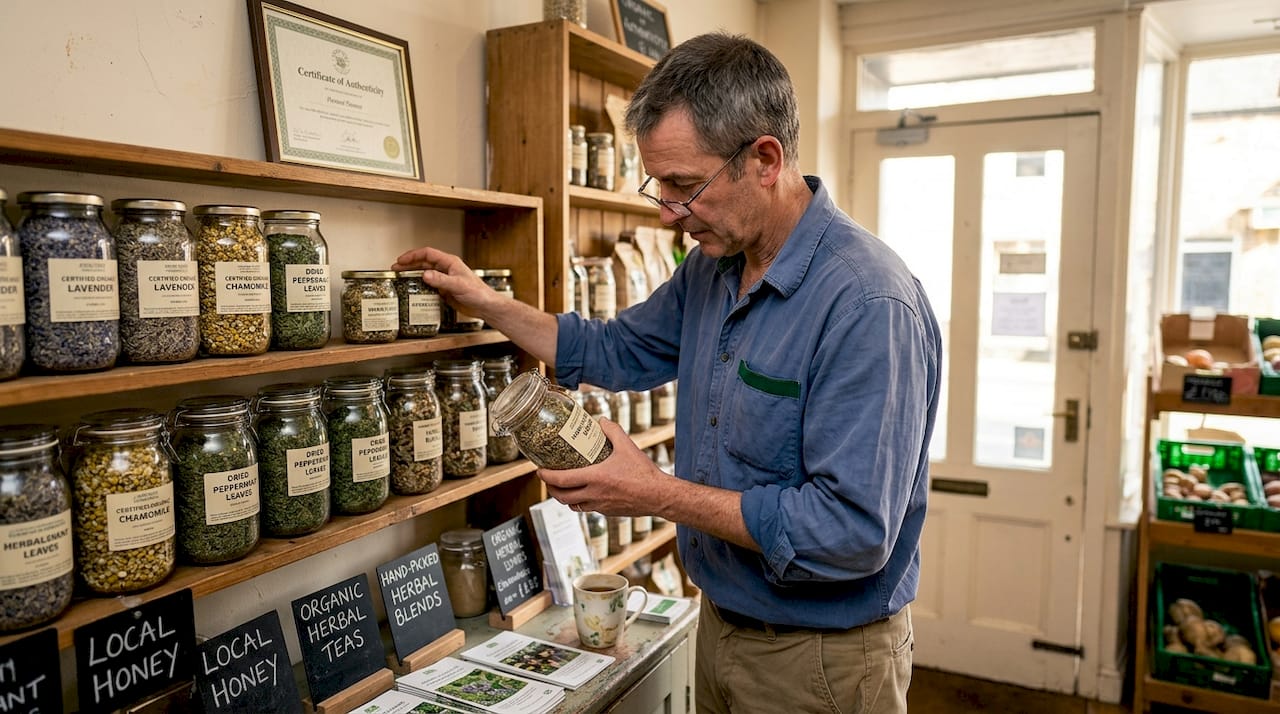
Pro Tip: Always verify where your herbs come from. Contaminated or adulterated herbal products are a documented problem in the supplement industry. If a product lacks clear sourcing information, treat that as a red flag.
How to perform a step by step herbal detox safely
Having gathered your supplies and checked safety considerations, you are ready for the main step-by-step routine. This protocol prioritises gentle, consistent daily habits over intensive short-term interventions.
- Morning hydration: Drink 400 to 500 ml of water before anything else. Add fresh lemon if tolerated. This rehydrates after sleep and supports kidney function from the start of the day.
- Herbal tea: Prepare one cup of a chosen gentle herb such as dandelion or nettle. Use a standard infusion amount (one teaspoon of dried herb per cup, steeped for five to ten minutes). Do not exceed recommended daily amounts on product labelling.
- Dry brushing: Before showering, use a natural bristle brush on dry skin. Brush in long strokes toward the heart, spending two to three minutes on the legs, arms, and torso. This is a surface practice that gently stimulates the skin and underlying tissue.
- Gentle movement: A 20 to 30 minute walk, gentle yoga, or rebounding on a small trampoline all encourage lymph flow. Lymph moves through muscular contraction, so even mild activity counts.
- Balanced meals: Focus on vegetables, legumes, whole grains, and lean protein. Reduce processed sugar and alcohol during the routine period.
- Evening wind-down: A second cup of herbal tea (chamomile or cleavers) and minimal screen exposure support overnight recovery.
Safety alert: Do not perform this protocol if you have a clot risk, active infection, or unstable heart or kidney disease. Consult your GP first.
| Approach | Efficacy evidence | Safety profile |
|---|---|---|
| Manual lymphatic drainage | Stronger evidence base for swelling | Well-established when done correctly |
| Herbal-only supplementation | Limited clinical data | Variable, interaction risks exist |
| Combined routine (herbs plus movement plus hydration) | Best supported overall | Moderate, depends on individual factors |
Lymphatic drainage massage at home involves gentle pressure, always moving toward lymph nodes, for 15 to 20 minutes per session. This is often better supported by evidence than herbal supplements alone.
Exploring natural detox methods with structured guidance, and reading lymphatic drainage guidance alongside herbal lymph massage resources will give you a fuller picture of how these practices work together.
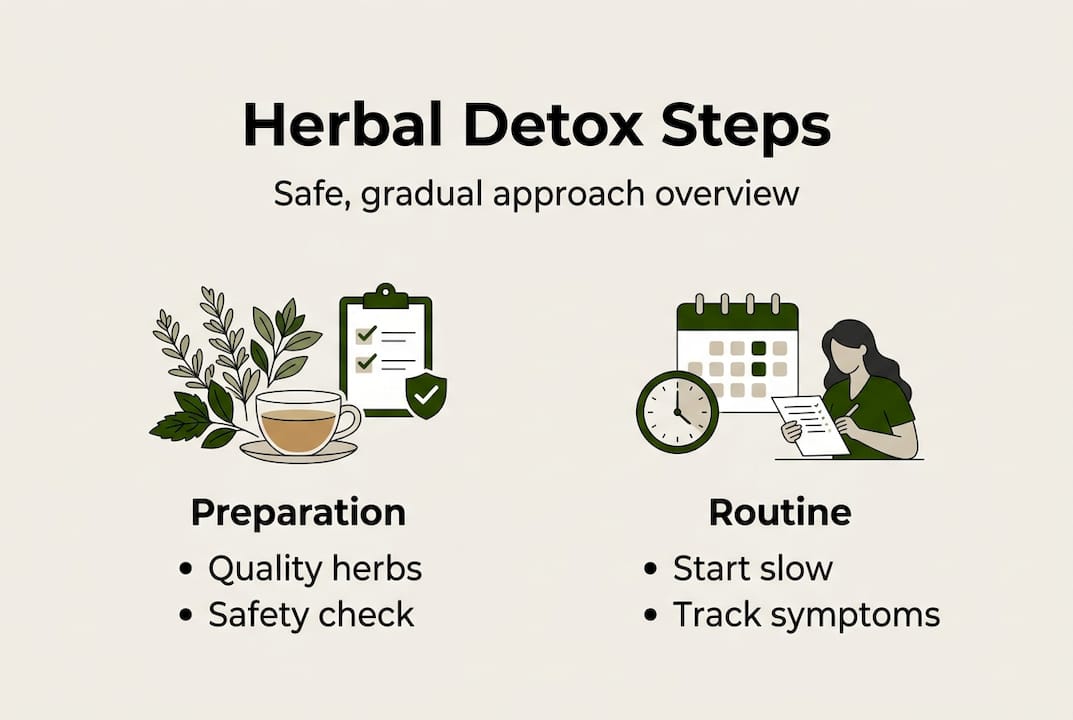
Pro Tip: Start with just one herbal addition per week and monitor your body’s response before layering in more. This makes it far easier to identify what is helping and what is not.
Troubleshooting and verifying your herbal detox routine
With any wellness protocol, it is crucial to review progress and watch for common pitfalls. Not all changes during a detox routine are signs of success.
Signs the routine may be helping:
- Mild reduction in areas of puffiness or fluid retention
- Feeling more alert or energised after a few days
- Improved bowel regularity
- Better sleep quality
- Skin appearing clearer or less dull
These changes, if they occur, tend to be gradual. If you are expecting dramatic shifts within 48 hours, adjust your expectations now.
Warning signs: stop the routine immediately if you notice:
- Yellowing of the skin or whites of the eyes (jaundice)
- Severe abdominal pain or cramping
- Rapid or unusual swelling
- High fever or chills
- Dizziness, fainting, or confusion
- Dark urine or significant changes in kidney output
These symptoms require prompt medical attention, not a pause-and-continue approach. Herbal-induced liver injury and hyponatraemia from excessive fluid intake are documented risks of poorly managed detox practices. They are not rare edge cases.
For high-risk individuals, DIY detox protocols carry meaningful danger. Symptom escalation means you stop, not push through.
To adjust your routine safely:
- Reduce the number of herbs used, starting with one only
- Pause the routine for 48 hours and observe whether symptoms resolve
- Return to basics: water, movement, and whole foods
- Seek a medical review if you are unsure or symptoms persist
Reading more about boosting detox pathways naturally, and about safe ways to reduce swelling naturally, can help you identify what belongs in your routine and what to leave out.
Pro Tip: Keep a daily log noting which herbs you took, how much water you drank, any symptoms noticed, and how you felt overall. This record is genuinely useful if you need to discuss your routine with a GP or herbalist.
Why a cautious, evidence-first approach matters for herbal detox
Looking beyond the how-to, it is worth reflecting on the bigger picture around herbal detox.
The market for lymphatic and detox products is large and largely unregulated. Some products marketed for lymph detox lack rigorous evidence and may carry undisclosed risks. That is a problem when people are using them to address genuine health concerns.
The body is not a system that responds equally in every person. What shifts fluid retention in one individual may overburden the kidneys in another. Respecting that variation matters more than following a trending protocol.
Manual, lifestyle-based routines, hydration, movement, whole foods, and skilled massage, carry a far better safety profile than most supplement stacks. They support what the body already does rather than attempting to override it. Herbs can genuinely complement these practices, but they work best as one layer among many, not as the centrepiece of a detox strategy.
The discomfort of “going slow” is real. But it produces far better outcomes than chasing results with products that bypass the body’s own regulation. Exploring liver detox support through evidence-led approaches reflects this principle well.
Explore natural support for your detox goals
If you are ready to move forward with gentler, more evidence-based support for your wellbeing, there are further resources to guide your next steps.

At Getgutted, we focus on herbal products crafted with care, including our Organic Poke Root Oil infused in Castor Oil, alongside Soursop Leaves, Apricot Kernels, and Essiac tea blends. Each product is slow-infused in small batches to preserve potency. You can browse our natural wellness range to see what may suit your routine, or learn about natural detox routes through our detailed blog resources. Every recommendation we make is grounded in the same evidence-first principles this guide is built on.
Frequently asked questions
Is a herbal detox safe for everyone?
No. People with blood clots, severe heart or kidney conditions, active infections, or those on certain medications should avoid herbal detox routines. DIY detox approaches carry real risk for high-risk individuals and always require clinical guidance first.
What are the best herbs for a gentle detox?
Dandelion, nettle, and cleavers are commonly used for gentle support. However, herbs carry risks and interactions, so standard amounts and quality sourcing matter.
What is the main difference between detox diets and natural routine support?
Detox diets claim to remove toxins rapidly, while daily supportive habits such as hydration and movement work with your body’s existing detoxification systems rather than replacing them.
How quickly should I notice benefits from a herbal detox?
Benefits are usually gradual and subtle. Dramatic detox results in healthy people are not well supported by evidence, so patience and consistent habits matter more than speed.
What should I do if I feel unwell after starting a herbal detox?
Stop immediately and consult a healthcare professional. Significant symptoms during a detox attempt require prompt medical review, not a wait-and-see response.