

Detoxification Explained: Natural Routes to Balance
Many british people are surprised to learn the body naturally eliminates toxins every single day without any fancy products or extreme diets. In fact, experts say your liver and kidneys work together to remove harmful substances nonstop, making costly cleanses unnecessary for most healthy adults. Understanding how these systems function can help you make smarter choices about supporting well-being while avoiding unnecessary detox trends. Discover how science explains the real process behind the body’s continuous natural detoxification.
Key Takeaways
| Point | Details |
|---|---|
| Natural Detoxification | The body efficiently detoxifies itself through the liver, kidneys, digestive tract, skin, and lymphatic system, enhancing overall health. |
| Supportive Lifestyle Choices | Maintaining hydration, a balanced diet, and regular sleep patterns can optimise natural detoxification processes. |
| Careful Approach to Detox Methods | Detoxification strategies should be scientifically understood to avoid potential health risks and complications. |
| Emerging Detox Alternatives | Consider incorporating evidence-based lifestyle modifications rather than exclusively relying on herbal or extreme detox methods for better health outcomes. |
Detoxification and the Body’s Natural Process
The human body is an extraordinary system equipped with sophisticated mechanisms for maintaining internal balance and cleansing. Natural detoxification processes involve multiple organs working synergistically to eliminate toxins and maintain optimal functioning. These intricate pathways primarily engage the liver, kidneys, lymphatic system, digestive tract, and skin in continuous filtration and renewal.
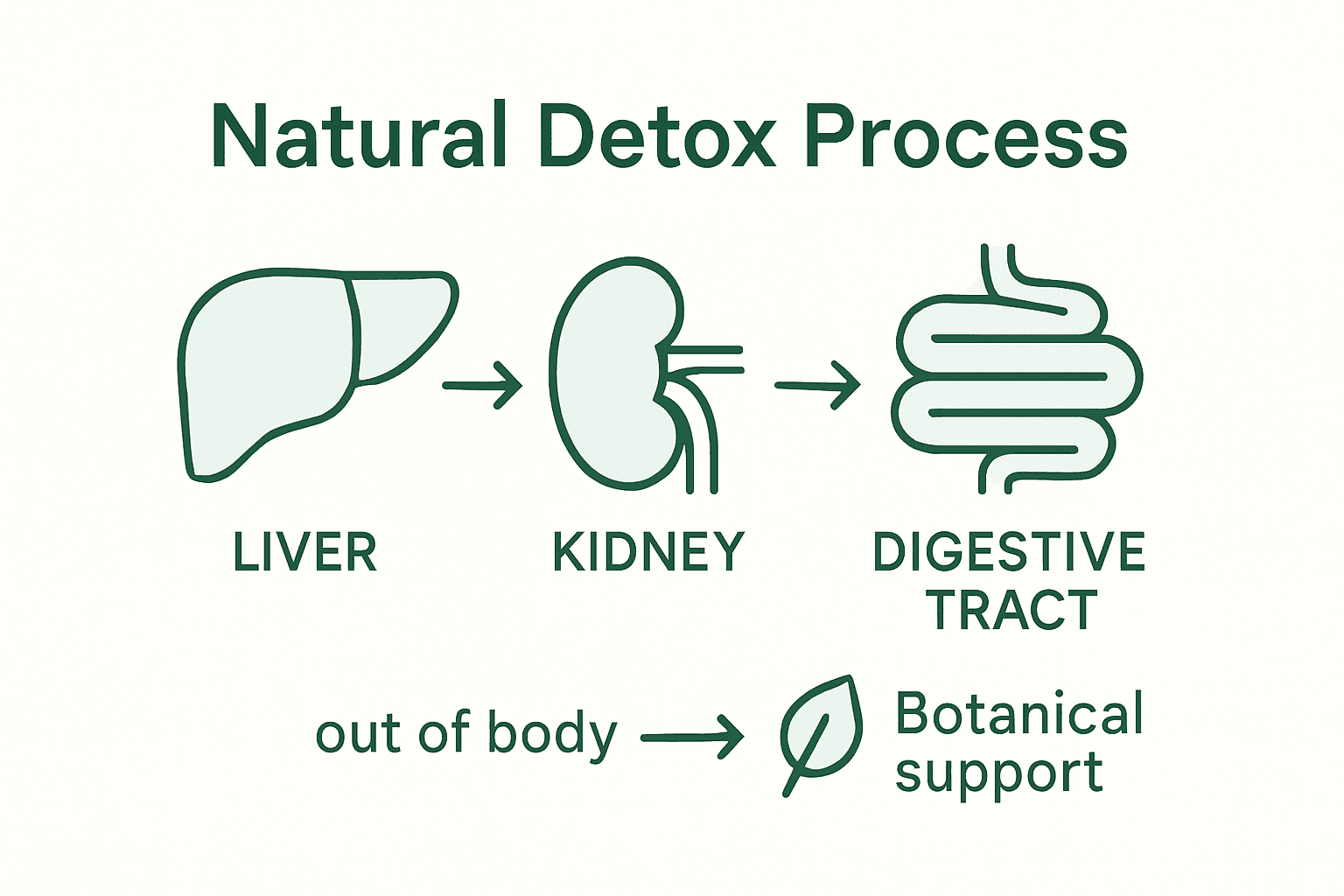
Our body’s detoxification system operates like an intelligent, self-regulating network. The liver serves as the primary processing centre, transforming potentially harmful substances into less toxic compounds that can be safely excreted. Kidneys filter blood, removing waste products through urine, while the lymphatic system circulates and cleanses cellular environments. This sophisticated internal cleaning mechanism functions continuously, without requiring external intervention or extreme dietary protocols.
Understanding these natural processes reveals that our bodies are remarkably efficient at self-maintenance. The digestive system, for instance, hosts microbiomes that help neutralise harmful bacteria and support immune responses. The skin, our largest organ, eliminates toxins through perspiration, further demonstrating the body’s innate detoxification capabilities. These interconnected systems work seamlessly to protect and restore physiological balance.
Pro Tip for Natural Support: Support your body’s detoxification processes by staying well-hydrated, consuming a diverse range of whole foods, and maintaining consistent sleep patterns. These fundamental lifestyle choices enhance your natural cleansing mechanisms without placing undue stress on your system.
Here is a summary of the main organs involved in natural detoxification and their unique functions:
| Organ/System | Primary Detox Role | Notable Impact on Health |
|---|---|---|
| Liver | Converts toxins to excretable compounds | Shields body from toxic overload |
| Kidneys | Filters blood, removes waste via urine | Maintains fluid and electrolyte balance |
| Digestive Tract | Neutralises pathogens, removes waste | Supports immune system |
| Skin | Eliminates toxins through perspiration | Assists in temperature regulation |
| Lymphatic System | Circulates lymph, cleans cellular waste | Enhances immune surveillance |
Types of Detoxification: Routes and Methods
Detoxification methods encompass a wide range of holistic approaches designed to support the body’s natural cleansing processes. Common detoxification techniques include dietary interventions, herbal supplementation, and targeted lifestyle practices aimed at reducing environmental toxin exposure and supporting internal elimination pathways.
Traditional detoxification approaches often involve specific protocols targeting different bodily systems. These may include nutritional strategies like intermittent fasting, consuming antioxidant-rich foods, and eliminating processed ingredients. Detox regimens frequently incorporate liquid diets, herbal cleanses, and practices such as colonic irrigation, though medical professionals emphasise the importance of understanding the scientific basis and potential limitations of these methods.
Our body’s primary detoxification routes naturally involve the liver, kidneys, digestive system, skin, and lymphatic network. Each system plays a crucial role in filtering, neutralising, and eliminating potential toxins. Complementary practices can support these innate mechanisms by reducing inflammatory foods, staying hydrated, managing stress, and promoting optimal nutrient absorption. Understanding these routes helps individuals make informed choices about supporting their body’s natural detoxification intelligence.
Pro Tip for Holistic Detox: Select whole, minimally processed foods that naturally support your body’s detoxification pathways. Prioritise organic produce, cruciferous vegetables, and herbs known for their cleansing properties to enhance your internal filtration systems.
How Botanicals Support Natural Detox
Botanical medicine offers profound support for the body’s natural detoxification processes, drawing upon centuries of traditional healing wisdom. Ayurvedic detoxification practices have long recognised the powerful role of herbal interventions in supporting internal cleansing and rebalancing bodily systems. These plant-based approaches work synergistically with our body’s innate elimination mechanisms, providing gentle yet effective support for cellular renewal and toxin removal.
Traditional herbal approaches target specific physiological pathways to enhance natural detoxification. Herbs like dandelion root, milk thistle, and burdock are renowned for their liver-supporting properties, helping to stimulate bile production and enhance metabolic processing. Herbal detox strategies often incorporate adaptogenic herbs that help modulate stress responses, which indirectly support the body’s ability to manage and eliminate environmental toxins more efficiently.
The complexity of botanical support extends beyond simple elimination. Different plant compounds interact with cellular pathways, supporting mitochondrial function, reducing oxidative stress, and promoting lymphatic circulation. Some botanicals act as gentle chelators, helping to bind and neutralise heavy metals, while others provide antioxidant protection that supports the body’s natural regenerative processes. This nuanced approach demonstrates how plant-based interventions can offer comprehensive support for the body’s intricate detoxification intelligence.
Pro Tip for Botanical Detox: Select whole-plant herbal preparations that preserve the complex phytochemical profile. Choose organic, sustainably sourced botanicals and rotate your herbal support to prevent adaptation and maintain optimal detoxification pathway stimulation.
Common Pitfalls and Safety Concerns
Detoxification approaches require careful consideration and informed decision-making to prevent potential health risks. Detox regimens often present significant medical concerns that can lead to unintended physiological disruptions, including dehydration, electrolyte imbalances, and compromised intestinal flora. These potential complications underscore the importance of approaching detoxification with scientific understanding and professional guidance.
Alternative medicine detox practices frequently lack robust scientific validation, with many programmes failing to specify the exact toxins they claim to eliminate. Critical analysis reveals that many commercial detox products and extreme dietary interventions may actually create more metabolic stress than they resolve. The human body’s sophisticated internal detoxification systems are often more effectively supported through balanced nutrition, hydration, and lifestyle practices rather than aggressive or restrictive protocols.
Potential risks associated with inappropriate detoxification strategies include nutrient deficiencies, metabolic disruption, and unnecessary strain on vital organs. Individuals with pre-existing health conditions, pregnant women, and those with compromised immune systems face heightened risks when engaging in unsupervised detoxification programmes. Comprehensive medical consultation and personalised approaches are crucial for safely supporting the body’s natural elimination processes without causing unintended physiological harm.
Pro Tip for Safe Detox: Consult a qualified healthcare professional before initiating any intensive detoxification programme. Prioritise gradual, sustainable lifestyle modifications that support your body’s natural cleansing mechanisms rather than pursuing quick-fix or extreme detox interventions.
Evaluating Alternatives to Herbal Detox
Detoxification strategies continue to evolve, with emerging scientific approaches offering intriguing alternatives to traditional herbal interventions. Phytoremediation techniques demonstrate nature’s remarkable ability to remove contaminants, highlighting innovative approaches to understanding toxin elimination. While these environmental cleansing methods provide fascinating insights, their direct application to human health remains limited and requires further scientific investigation.
Advanced technological approaches are expanding our understanding of detoxification mechanisms. Nanotechnology-based detoxification methods represent a cutting-edge frontier, with engineered particles designed to absorb and neutralise specific toxins. These sophisticated interventions suggest potential future directions for targeted detoxification strategies, though current research emphasises the need for extensive clinical validation before widespread human application.
Holistic alternatives to herbal detox encompass a broader spectrum of lifestyle and nutritional interventions. Approaches such as targeted nutrition, stress management, adequate hydration, and supporting the body’s natural elimination pathways offer more scientifically substantiated methods of supporting internal cleansing processes. The most effective detoxification strategies focus on comprehensive wellness, addressing root causes of toxin accumulation rather than pursuing quick-fix solutions or extreme interventions.
The following table contrasts common traditional detox methods and emerging alternatives:
| Approach | Main Example | Scientific Basis | Noteworthy Limitation |
|---|---|---|---|
| Herbal Detox | Milk thistle, dandelion | Limited clinical evidence | Possible interactions, unclear dosage |
| Colonic Irrigation | Colon hydrotherapy | Sparse scientific support | May disturb gut flora |
| Nanotechnology-Based | Nanosponge absorbers | Experimental, under research | Lacks long-term safety data |
| Lifestyle Modification | Balanced nutrition, sleep | Strong support in literature | Requires long-term commitment |
Pro Tip for Alternative Detox: Prioritise evidence-based lifestyle modifications that support your body’s inherent detoxification systems. Integrate whole foods, regular exercise, quality sleep, and stress reduction techniques to naturally enhance your body’s capacity for cellular renewal and toxin elimination.
Enhance Your Natural Detox with Trusted Herbal Support
Understanding the body’s natural detoxification routes emphasises the importance of gentle, informed support to avoid common pitfalls like metabolic stress and nutrient imbalance. If you are looking to harmonise your liver, kidneys, and lymphatic system through botanical wisdom, discover how carefully crafted herbal remedies can empower your body’s own cleansing intelligence. This article highlights the value of whole-plant preparations that work synergistically with your internal systems.
Explore our selection of Detox Herbs & Capsules – Gutted. Each small-batch formula is handmade in London to restore balance naturally while respecting your body’s rhythms.
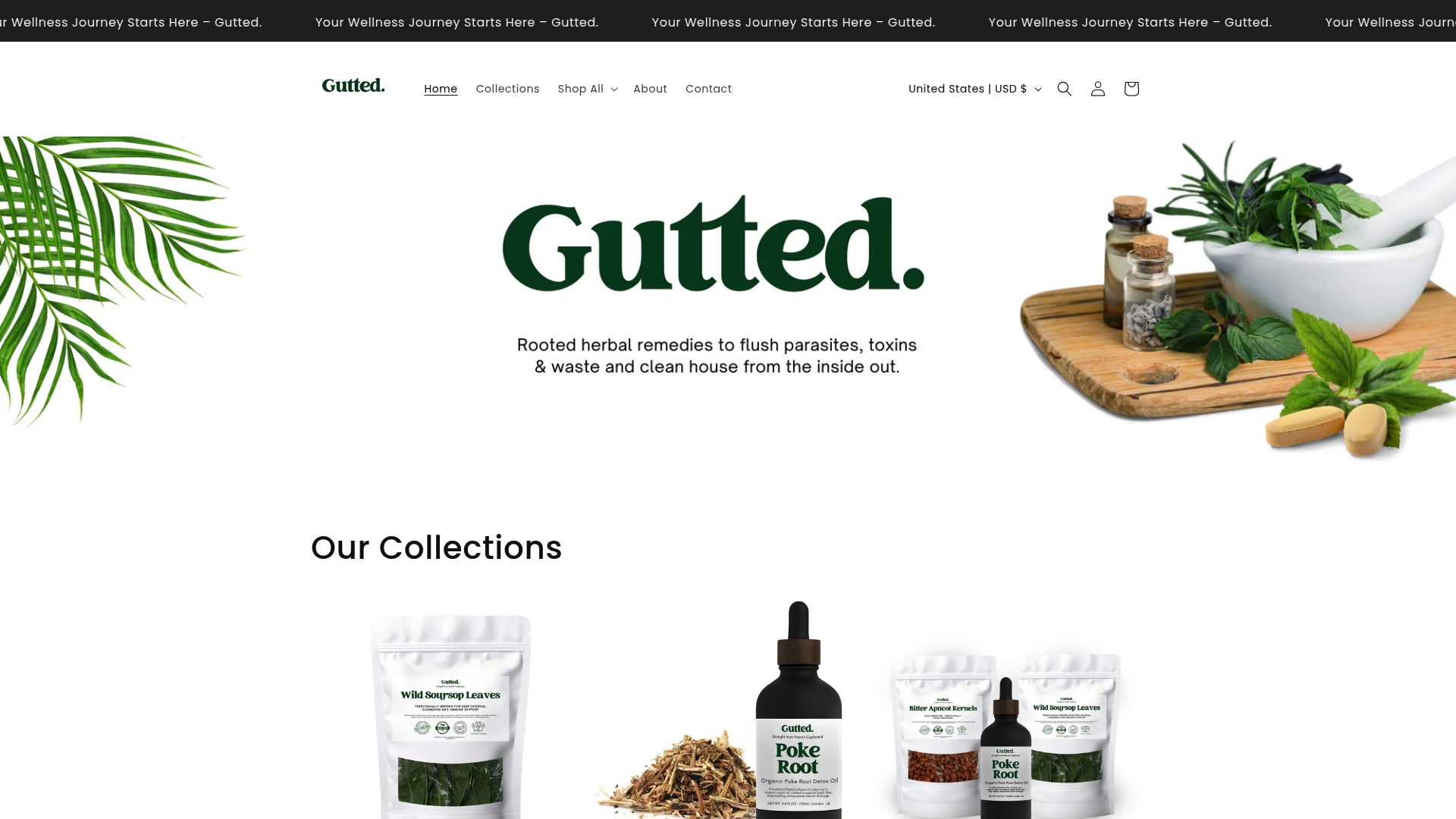
Take confident steps towards revitalising your health by choosing authentic botanicals that honour traditional herbal practices and modern self-care. Visit Gutted™ today and find remedies designed to relieve stagnation and support your unique detox journey. Begin your natural detox transformation now.
Frequently Asked Questions
What are the primary organs involved in natural detoxification?
The main organs involved in natural detoxification include the liver, kidneys, digestive tract, skin, and lymphatic system. Each of these organs plays a crucial role in filtering, neutralising, and eliminating toxins from the body.
How can I naturally support my body’s detoxification processes?
To support your body’s detoxification processes, stay well-hydrated, consume a diverse range of whole foods, prioritise sleep, and manage stress levels. These lifestyle choices enhance your body’s natural cleansing mechanisms without putting undue strain on it.
Are herbal detox methods safe, and what should I consider?
While herbal detox methods can provide support for the body’s natural detoxification, it’s essential to consult a qualified healthcare professional before starting any detox regimen. Some herbal supplements may interact with medications or may not have clear dosing guidelines.
What are some common pitfalls of detox diets?
Common pitfalls of detox diets include dehydration, nutrient deficiencies, and metabolic disruption. Many aggressive detox programmes can create more stress on the body than they alleviate, highlighting the importance of balanced nutrition and hydration over extreme detox methods.