

Detox Explained: Natural Pathways To Balance
Most British adults have heard claims about detox diets and quick-fix cleanses, yet confusion persists about what detoxification really means. With over 60 percent of British consumers reporting uncertainty about how the body eliminates toxins, the flood of commercial products and bold marketing can make separating fact from fiction tricky. This article breaks down what detoxification truly involves, uncovers common myths, and highlights how your body does its best work without dramatic interventions.
Key Takeaways
| Point | Details |
|---|---|
| Understanding Detoxification | Detoxification is a continuous and complex biological process carried out by the liver, kidneys, and other organs, rather than a one-time dietary cleanse. |
| Common Misconceptions | Many commercially available detox products lack scientific basis; the body effectively detoxifies itself without extreme diets or supplements. |
| Approaches To Detox | Detox strategies range from nutritional interventions to herbal therapies, with a focus on individual physiological needs for effectiveness. |
| Risks Of Extreme Detox | Aggressive detox methods can lead to health issues such as nutrient deficiencies and metabolic disruptions; gradual, supportive approaches are recommended. |
Defining Detox And Common Misconceptions
Detoxification represents a complex biological process often misunderstood by the general public. While many perceive detox as a trendy dietary intervention, scientific research reveals a more nuanced understanding of how our body naturally eliminates harmful substances. Scientific discourse on detoxification demonstrates significant challenges in public comprehension, particularly surrounding ambiguous terminology like ‘toxins’.
At its core, detoxification is a sophisticated metabolic process occurring continuously within our body’s organs, particularly the liver, kidneys, and lymphatic system. These intricate biological systems work synchronously to neutralise, transform, and eliminate potentially harmful compounds. Natural detox pathways represent our body’s inherent intelligence, functioning without requiring expensive supplements or extreme dietary interventions.
Common misconceptions about detoxification often stem from commercial marketing strategies that oversimplify complex physiological processes. Harvard Health research critically highlights that many commercial detox products lack scientific substantiation. Contrary to popular belief, our bodies possess remarkably efficient self-cleaning mechanisms. These natural systems continuously filter blood, neutralise toxins, and support cellular health without requiring dramatic interventions.
Key misconceptions about detoxification include:
- Believing detox requires extreme dietary restrictions
- Assuming all commercially available detox products are scientifically validated
- Thinking detoxification is a one-time event rather than a continuous biological process
- Misunderstanding the role of specific organs in natural toxin elimination
Understanding detoxification demands recognising the body’s remarkable capacity for self-regulation and supporting these intrinsic processes through balanced nutrition, hydration, and holistic lifestyle practices.
Types Of Detox: From Diets To Botanicals
Detoxification approaches vary widely, ranging from nutritional interventions to herbal protocols. Clinical research evaluating detox strategies reveals limited scientific evidence supporting many popular methods, emphasising the importance of understanding different approaches critically.
Modern detoxification strategies can be categorised into several primary approaches. Dietary detox typically involves temporary nutritional modifications designed to support the body’s natural elimination processes. These might include short-term elimination diets, juice cleanses, or targeted nutritional protocols. Herbal detox strategies offer an alternative approach, utilising botanical compounds known for supporting metabolic pathways and supporting cellular health.
Naturopathic practitioners frequently recommend detoxification therapies targeting specific health concerns. Their approaches often focus on addressing environmental exposures, supporting gastrointestinal function, and managing autoimmune conditions. These targeted interventions distinguish themselves from generic, one-size-fits-all detox protocols by considering individual physiological needs.
Detoxification approaches include:
- Nutritional Detox: Focused dietary interventions
- Herbal Detox: Botanical-based elimination support
- Lifestyle Detox: Stress reduction and environmental modifications
- Targeted Therapeutic Detox: Specific protocols addressing individual health challenges
Successful detoxification requires a holistic understanding of individual physiological needs, emphasising personalised approaches over generic, marketable interventions.
Natural Detox: How The Body Eliminates Toxins
Natural detoxification processes represent a sophisticated, interconnected system involving multiple organs working synchronously to eliminate harmful substances. The human body has evolved remarkable mechanisms for managing toxins, with each organ playing a unique and critical role in maintaining physiological balance.
The liver serves as the primary detoxification centre, processing and neutralising potentially harmful compounds through complex enzymatic pathways. Complementing the liver’s efforts, the body’s natural elimination systems include the kidneys, which filter blood and remove water-soluble waste products, the lungs that expel gaseous toxins, and the skin which eliminates certain substances through perspiration. Supporting herbs for natural detox can enhance these intrinsic metabolic processes.

The gastrointestinal tract plays a crucial role in toxin elimination, with the intestinal lining acting as a selective barrier preventing harmful substances from entering the bloodstream. Lymphatic circulation supports this process by transporting cellular waste and supporting immune function. Lifestyle factors significantly influence these natural detoxification pathways, with hydration, nutrition, movement, and stress management acting as key modulating elements.
Key organs involved in natural detoxification include:
- Liver: Primary metabolic processing centre
- Kidneys: Blood filtration and waste elimination
- Lungs: Gaseous waste removal
- Skin: Toxin elimination through perspiration
- Gastrointestinal Tract: Waste management and barrier protection
Optimal detoxification requires a holistic approach that supports the body’s inherent intelligence and maintains the delicate balance of these interconnected systems.
Detox Benefits For Hormonal And Lymphatic Health
Supporting the body’s natural detoxification processes plays a critical role in maintaining hormonal balance and lymphatic system functionality. Environmental toxins and chronic stress can significantly disrupt these delicate physiological networks, creating cascading effects on overall health and well-being.
The lymphatic system functions as a crucial waste management and immune defence network, responsible for removing cellular debris, supporting immune responses, and maintaining fluid balance. Removing environmental toxins through targeted lymphatic support strategies can help mitigate potential hormonal imbalances and reduce systemic inflammation.
Hormonal health depends profoundly on the body’s ability to efficiently eliminate metabolic waste and environmental contaminants. Chronic exposure to endocrine-disrupting chemicals can interfere with hormone production, potentially leading to reproductive challenges, metabolic disorders, and increased inflammation. Natural detoxification approaches support the body’s inherent capacity to maintain hormonal equilibrium by reducing toxic burden and supporting cellular regeneration.
Key benefits of lymphatic and hormonal detoxification include:
- Reduced systemic inflammation
- Enhanced immune system functionality
- Improved hormonal signalling
- Better metabolic efficiency
- Increased cellular regeneration
A holistic approach to detoxification recognises the interconnected nature of bodily systems, emphasising gentle, supportive interventions that respect the body’s natural healing intelligence.
Risks, Myths, And What To Avoid
Extreme detox approaches can pose significant health risks, challenging the popular narrative of rapid cleansing and transformation. Many commercial detox programmes market aggressive interventions that potentially compromise nutritional balance and metabolic function, creating more harm than benefit.
The most prevalent detox myths frequently emerge from misunderstood health concepts and aggressive marketing strategies. Common misconceptions about detoxification often lead individuals towards potentially dangerous nutritional practices, including extreme fasting, radical dietary restrictions, and unregulated supplement consumption. These approaches can trigger nutrient deficiencies, disrupt metabolic processes, and potentially contribute to disordered eating patterns.
Critical risks associated with inappropriate detoxification strategies include muscle loss, electrolyte imbalances, compromised immune function, and metabolic disruption. Herbal detox strategies should prioritise gentle, supportive interventions that respect the body’s natural elimination mechanisms rather than implementing aggressive, shock-based protocols.
Warning signs of potentially harmful detox approaches include:
- Extreme calorie restriction
- Prolonged fasting without medical supervision
- Consuming unverified herbal supplements
- Eliminating entire food groups
- Relying on commercial detox products without professional guidance
A responsible approach to detoxification demands understanding individual physiological needs, respecting bodily intelligence, and implementing gradual, sustainable lifestyle modifications.
Comparing Natural And Medical Detox Methods
Clinical research examining detoxification strategies reveals significant differences between natural and medical approaches to toxin elimination. While both methodologies aim to support the body’s innate cleansing processes, their underlying philosophies and implementation strategies demonstrate nuanced variations in addressing physiological challenges.
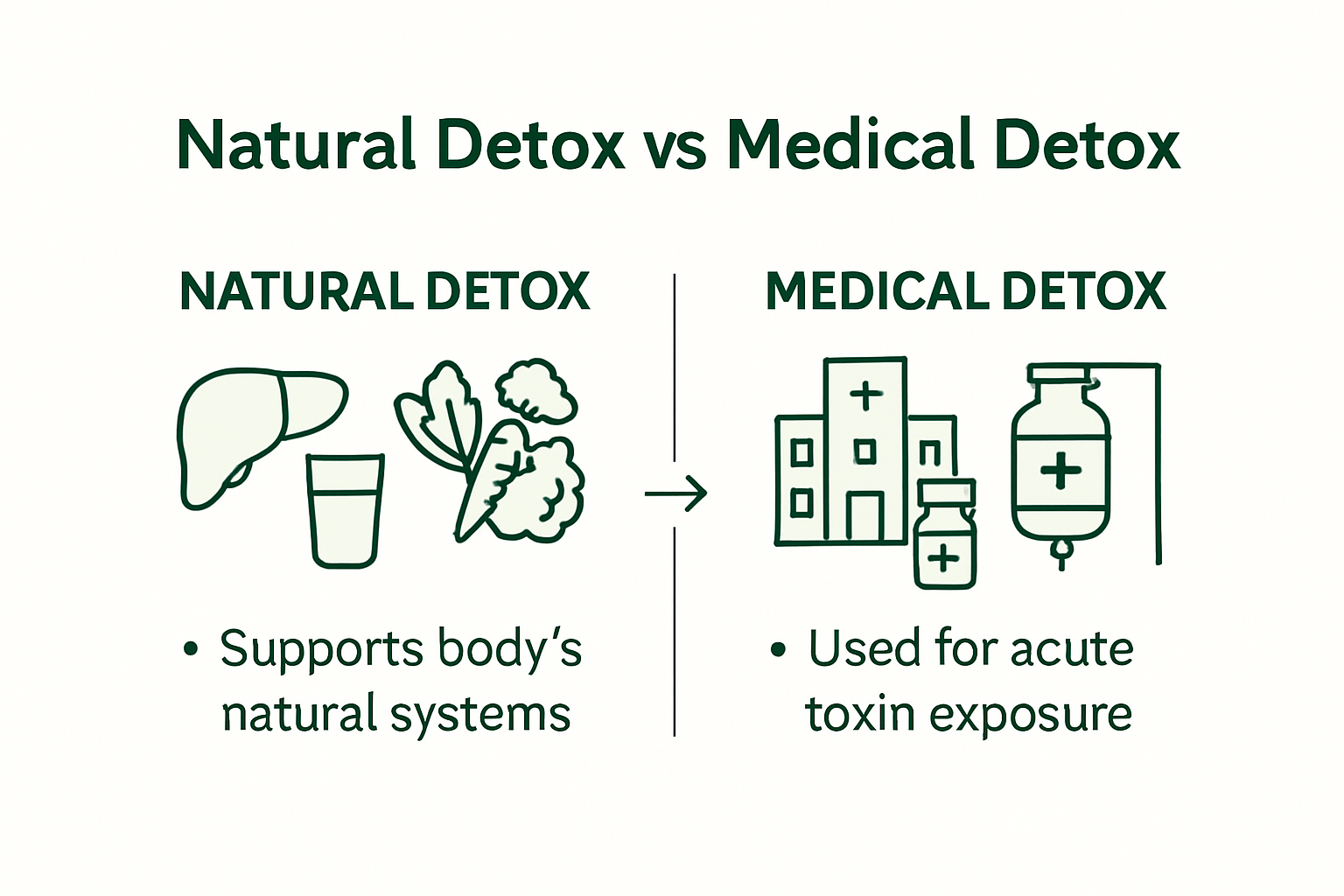
Natural detox methods typically emphasise holistic interventions that support the body’s inherent healing mechanisms. Botanical protocols leverage herbal compounds known for supporting metabolic pathways, lymphatic circulation, and cellular detoxification. Naturopathic practitioners frequently employ targeted detoxification therapies focusing on environmental exposures, chronic conditions, and individualised wellness strategies. Herbal detox strategies prioritise gentle, supportive interventions that work synergistically with the body’s natural elimination systems.
Medical detoxification approaches, conversely, often involve more targeted, clinical interventions. These methods might include pharmaceutical interventions, supervised cleansing protocols, and diagnostic testing to identify specific toxin exposures. While more invasive, medical detox strategies can be crucial for addressing severe chemical exposures, substance dependencies, or complex metabolic disorders that require precise, monitored interventions.
Key comparative elements between natural and medical detox include:
- Approach Philosophy: Holistic vs Clinical
- Intervention Intensity: Gentle vs Targeted
- Diagnostic Methods: Observational vs Scientific Testing
- Treatment Duration: Ongoing vs Time-Limited
- Personalisation Level: Individual vs Standardised
Ultimately, the most effective detoxification strategy integrates elements from both natural and medical perspectives, recognising the complexity of individual physiological needs and the body’s remarkable self-regulating intelligence.
Discover Gentle Support for Your Body’s Natural Detox Pathways
If you feel overwhelmed by confusing detox claims or struggle to support your body’s continuous cleansing systems, you are not alone. This article highlights the complex processes of natural detoxification and the importance of gentle, personalised approaches rather than extreme diets or unverified products. At Gutted™, we understand the need to restore balance through authentic, handcrafted herbal remedies designed to enhance your liver, lymphatic, and hormonal health naturally.
Enhance your wellness journey today with our carefully curated Detox Herbs & Capsules – Gutted. These blends honour traditional wisdom while harmonising with modern needs. To complement this, explore our renowned Organic Root Oil Range – Gutted. expertly crafted to relieve stagnation and support your body’s innate healing intelligence.
Take the next step towards balanced detoxification by exploring our full range of Wellness Kits & Bundles – Gutted. Visit https://getgutted.co for holistic, small-batch herbal solutions created in London to nurture your natural detox pathways safely and effectively.
Frequently Asked Questions
What is detoxification?
Detoxification is the natural process by which the body eliminates harmful substances. It occurs continuously in organs like the liver, kidneys, and lymphatic system without the need for supplements or extreme diets.
Are commercial detox products effective?
Many commercial detox products lack scientific validation and may not support the body’s natural detoxification processes. It is essential to approach such products critically and understand that the body has its own efficient self-cleaning mechanisms.
What are the main organs involved in natural detoxification?
The primary organs in natural detoxification include the liver, which processes toxins; the kidneys, which filter waste; the lungs, which expel gaseous toxins; and the skin, which eliminates substances through sweating.
How can I support my body’s natural detox processes?
You can support your body’s detoxification processes by maintaining a balanced diet, staying hydrated, managing stress, and engaging in regular physical activity. Additionally, certain herbs can enhance these natural detox pathways.