

How to detox naturally: effective UK methods for better health
TL;DR:
- The body naturally detoxifies through the liver, kidneys, and lymphatic system without special products.
- Support these systems with hydration, fiber-rich diet, sleep, and regular movement for optimal detoxification.
- Most detox products are unnecessary or risky; consistent healthy habits are more effective long-term.
Bloating, low energy, and conflicting advice about cleanses. If you have spent any time searching for detox guidance online, you will know how quickly it becomes overwhelming. The good news is that your body already has a sophisticated detoxification system built in. The liver, kidneys, and lymphatics handle the process continuously, without any special diet or expensive product. What most people actually need is not a cleanse. It is consistent, simple support for the systems already working hard on their behalf. This article covers exactly how to do that.
Table of Contents
- What your body needs for natural detox
- Step-by-step: How to support your body’s natural detox
- Choosing and using supportive natural remedies
- How to check your progress and avoid common detox mistakes
- The uncomfortable truth: Why most detox advice misses the mark
- Explore natural detox support with Gutted
- Frequently asked questions
Key Takeaways
| Point | Details |
|---|---|
| Detox is natural | Your body is already equipped to detoxify itself with the right support. |
| Lifestyle trumps products | No tea or cleanse outperforms the basics: diet, movement, hydration, and rest. |
| Practical support matters | Simple changes like more fibre can boost natural detox and reduce inflammation. |
| Beware detox myths | Popular detox products are not evidence-based and can be unsafe. |
| Monitor gentle progress | Track your wellness by noting steady improvements, not sudden drastic results. |
What your body needs for natural detox
Your body is not waiting for a detox tea to kick in. It is already processing waste, filtering blood, and clearing cellular debris around the clock. Understanding which organs handle this work makes it far easier to support them properly.
The three main systems involved are the liver, kidneys, and lymphatic system. The liver filters blood and breaks down toxins into forms the body can excrete. The kidneys flush water-soluble waste through urine. The lymphatic system, often overlooked, clears cellular waste, excess fluid, and immune debris from tissues. All three need basic inputs to function well. You can explore natural routes to detoxification for a more detailed breakdown of how these systems interact.
| Body system | Primary detox role |
|---|---|
| Liver | Filters blood, neutralises toxins, produces bile |
| Kidneys | Excretes water-soluble waste via urine |
| Lymphatic system | Clears cellular waste and excess fluid from tissues |
| Skin | Releases some waste products through sweat |
| Gut | Moves solid waste and binds certain toxins for excretion |
According to the British Dietetic Association, there is no scientific evidence that detox diets or commercial cleanses improve the function of these organs. The body handles detoxification on its own. What it needs is the right environment to do so effectively.
The essentials are straightforward:
- Hydration: Water supports kidney filtration and lymphatic flow
- Dietary fibre: Binds waste products in the gut and supports excretion
- Adequate sleep: The brain and liver both clear metabolic waste during sleep
- Regular movement: Stimulates lymphatic circulation, which has no pump of its own
- Reduced alcohol and processed food: Lowers the burden on the liver
Expensive cleanses and herbal teas marketed as detox products add nothing that the above does not already cover. In many cases, as covered by BBC Future, they carry risks. The basics are free, accessible, and far more effective. You can also read more about natural detox approaches to understand how lifestyle and herbs can work together.
Step-by-step: How to support your body’s natural detox
Knowing what the body needs is one thing. Building a practical routine around it is another. The following steps are ordered by impact, starting with the changes most likely to produce noticeable results quickly.
- Increase water intake. Aim for 1.5 to 2 litres of plain water daily. This supports kidney filtration and helps lymphatic fluid move through tissues. Herbal teas without laxative ingredients count towards this.
- Move your body daily. A brisk 20-minute walk is enough to stimulate lymphatic circulation. The lymphatic system relies entirely on muscle movement and breathing to push fluid through its vessels. Learn more about how to boost lymphatic flow through simple daily habits.
- Increase dietary fibre. Add vegetables, legumes, and whole grains to each meal. Fibre binds toxins including heavy metals like lead and arsenic in the gut, preventing reabsorption and supporting excretion.
- Prioritise sleep. Seven to nine hours per night allows the liver to complete its metabolic processing and the brain to clear waste via the glymphatic system. Poor sleep is one of the most underrated obstacles to effective detoxification.
- Reduce the load. Cut back on alcohol, ultra-processed foods, and unnecessary supplements. Every substance the liver has to process takes capacity away from clearing genuine waste.
Pro Tip: If you can only make one change, make it fibre. Most UK adults consume well below the recommended 30g per day, and this single gap undermines gut-based toxin clearance more than almost anything else.
Safety note: Detox teas containing senna or other laxative herbs can cause electrolyte imbalances, dependency, and gut damage with repeated use. The British Dietetic Association advises against them. They are not a shortcut. They are a risk.
For a fuller look at how to boost detox pathways using lifestyle methods, the linked guide covers each step in more depth.
Choosing and using supportive natural remedies
With practical steps in place, it is worth looking at which natural remedies actually offer meaningful support and which are simply well-marketed.
The British Dietetic Association is clear that no detox product has proven clinical benefit. However, this does not mean all natural options are without value. The distinction is between products that claim to detox the body and those that support the organs already doing the work.
| Remedy type | Evidence level | Notes |
|---|---|---|
| High-fibre diet | Strong | Binds toxins, supports gut motility |
| Hydration | Strong | Essential for kidney and lymph function |
| Lymphatic massage | Moderate | Supports fluid movement, reduces congestion |
| Specific herbs (e.g. dandelion, poke root) | Emerging | Traditionally used; some evidence for lymphatic support |
| Commercial detox teas | Weak or none | Often contain laxatives; not recommended |
| Juice cleanses | None | No benefit beyond normal fruit and vegetable intake |
Remedies with the most practical support include:
- Dietary change: Consistent, high-fibre, whole-food eating
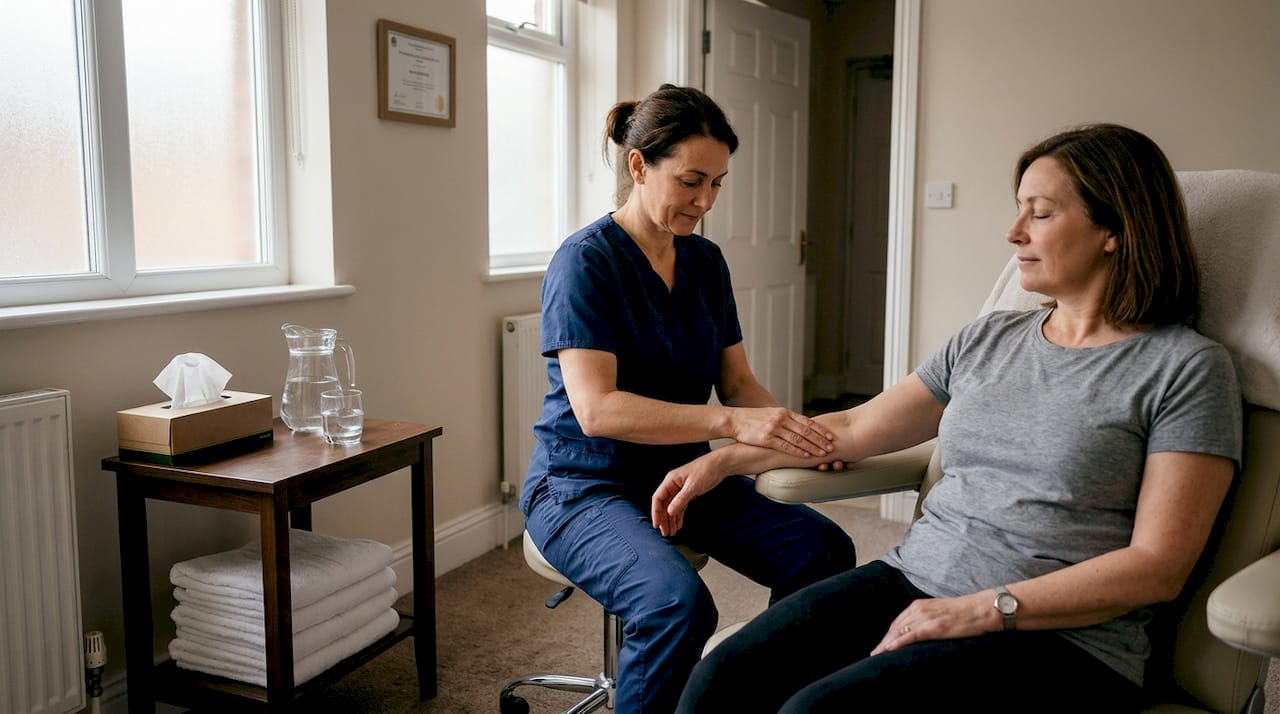
- Lymphatic massage: Gentle manual techniques that encourage fluid drainage
- Herbal support: Certain lymphatic herbs have a long history of traditional use for supporting fluid clearance and reducing congestion
- Castor oil application: Used topically over lymph-rich areas to support circulation
The benefits of lymphatic massage are increasingly recognised, particularly for those dealing with fluid retention or sluggish lymph flow. As Women’s Health notes, the popular media portrayal of lymphatic drainage often overstates results, but the underlying practice of supporting lymph movement through massage and movement is genuinely useful.
Avoid unregulated products with no ingredient transparency. If a product cannot clearly explain what it contains and why, that is reason enough to leave it on the shelf.
How to check your progress and avoid common detox mistakes
After starting new habits, knowing what progress looks like and what to avoid is just as important for staying on track.
Here is how to track genuine improvement:
- Energy levels: Sustained energy throughout the day, without afternoon crashes, often reflects better liver function and improved sleep quality.
- Digestion: Regular bowel movements, reduced bloating, and less discomfort after meals are reliable signs that gut-based clearance is improving.
- Skin clarity: Clearer skin can reflect reduced systemic inflammation and better waste excretion, though results vary significantly between individuals.
- Fluid retention: Reduced puffiness, particularly around the face and ankles, may indicate improved lymphatic flow.
- Mental clarity: Less brain fog is a common early sign that sleep quality and hydration have improved.
Pro Tip: If you notice persistent swelling, unexplained fatigue, or pain alongside any of these changes, consult your GP before continuing. These can occasionally signal conditions that need medical assessment rather than lifestyle adjustment.
Common mistakes to avoid:
- Over-relying on products. No oil, tea, or supplement replaces the basics. They may complement, but they cannot substitute.
- Expecting dramatic results quickly. As the British Dietetic Association confirms, detox diets and teas are not evidence-based, and dramatic short-term results are rarely real.
- Neglecting sleep. People often focus on food and exercise while ignoring sleep, which is where much of the body’s repair and clearance happens.
- Cycling through fads. Trying a new cleanse every few weeks resets your progress and prevents any single habit from taking hold.
For a more thorough understanding of what the process involves, the detoxification explained guide and the deep detox guide are both worth reading. The BBC’s self-check guidance also offers a useful reference point for what the body can and cannot do on its own.
The uncomfortable truth: Why most detox advice misses the mark
Most detox advice fails not because it is entirely wrong, but because it prioritises novelty over consistency. A new tea, a new oil, a new protocol. The cycle keeps people busy without producing lasting change.
The physiological reality is straightforward. The liver, kidneys, and lymphatic system do not respond to products. They respond to conditions. Sleep, fibre, water, and movement create those conditions. Everything else is secondary at best.
We have seen this pattern clearly. Customers arrive having tried multiple detox teas and short-term cleanses with little to show for it. When they shift focus to the daily basics and use herbal support as a complement rather than a solution, progress becomes steady and real.
Real progress is not dramatic. It is not a three-day flush. It is better digestion after two weeks of consistent fibre intake. It is less puffiness after a month of daily walking. Unspectacular, but genuine. That is what the evidence actually supports, and that is what we build our approach around.
Explore natural detox support with Gutted
If you are ready to move beyond generic advice and build a routine that actually fits your body, Gutted’s natural detox resources are a practical starting point.

At Gutted, we focus on natural, evidence-informed support for the lymphatic system and detox pathways. Our Organic Poke Root Oil infused in Castor Oil, Soursop Leaves, Apricot Kernels, and Essiac tea blends are all selected to complement the everyday habits covered in this article. Nothing here is a shortcut. Everything is designed to work alongside your body’s existing systems, not replace them. Explore the full range and find what fits your routine.
Frequently asked questions
What foods help detox your body naturally?
High-fibre vegetables, whole grains, and plenty of water are best for natural detox support. Fibre binds toxins such as lead and arsenic in the gut, preventing reabsorption and supporting excretion.
Do detox teas or cleanses actually work?
No, detox teas and cleanses have no proven benefit and can carry real risks, including electrolyte imbalance from laxative ingredients. A balanced diet and consistent lifestyle habits are far more effective.
How quickly will I notice results from a natural detox?
You may notice improved energy, digestion, or reduced bloating within days to a few weeks. The body’s detox systems respond to consistent inputs, so results build gradually rather than appearing overnight.
Is there a safe way to jump-start detox if I feel sluggish?
Yes. Increase your water intake, add more fibre to each meal, and commit to daily movement. These three steps activate the body’s natural detox pathways without any risk of side effects.