

Natural inflammation relief explained: your evidence-based guide
Chronic inflammation sits at the root of conditions including heart disease, type 2 diabetes, arthritis, and even depression. The good news is that diet and lifestyle choices can meaningfully shift your inflammatory load, without a prescription. Natural inflammation relief, as understood by dietitians and supported by clinical research, centres on reducing pro-inflammatory triggers while consistently introducing foods, herbs, and habits that calm the immune system. A plant-based dietary pattern has been shown across seven clinical trials involving 541 participants to reduce C-reactive protein (CRP), one of the body’s primary inflammatory markers. The core approaches include:
- Adopting an anti-inflammatory dietary pattern such as the Mediterranean or MIND diet
- Removing ultra-processed foods, refined carbohydrates, and added sugars
- Incorporating omega-3 fatty acids, polyphenols, and antioxidant-rich plants
- Using evidence-backed herbal supplements such as turmeric (curcumin) and green tea
- Supporting inflammation control through sleep, stress management, and regular moderate exercise
What is inflammation, and why does the chronic type matter?
Inflammation is your immune system’s first response to injury, infection, or a foreign substance. When you cut your finger or catch a cold, the body floods the affected area with immune cells, causing redness, heat, and swelling. This is acute inflammation, and it typically resolves within days once the threat is gone.
Chronic inflammation is a different animal entirely. It persists for months or years, often with no obvious external cause, as the immune system remains in a low-level state of activation. This sustained response damages healthy tissue over time and is directly linked to obesity, type 2 diabetes, cardiovascular disease, and autoimmune conditions.
The key inflammatory markers worth knowing are CRP, interleukin-6 (IL-6), and tumour necrosis factor-alpha (TNF-α). These proteins circulate in the blood and rise in response to poor diet, chronic stress, sleep deprivation, and physical inactivity. Dietary interventions that reduce CRP and IL-6 are, therefore, measurable and clinically meaningful.
Diseases associated with chronic systemic inflammation include:
- Cardiovascular disease and atherosclerosis
- Type 2 diabetes and insulin resistance
- Rheumatoid arthritis and other autoimmune disorders
- Alzheimer’s disease and cognitive decline
- Certain cancers and metabolic syndrome
Which foods drive inflammation and should you avoid them?
The foods most strongly linked to increased inflammatory markers are not obscure. They are the staples of a typical Western diet, which makes avoiding them a genuine challenge rather than a simple swap.
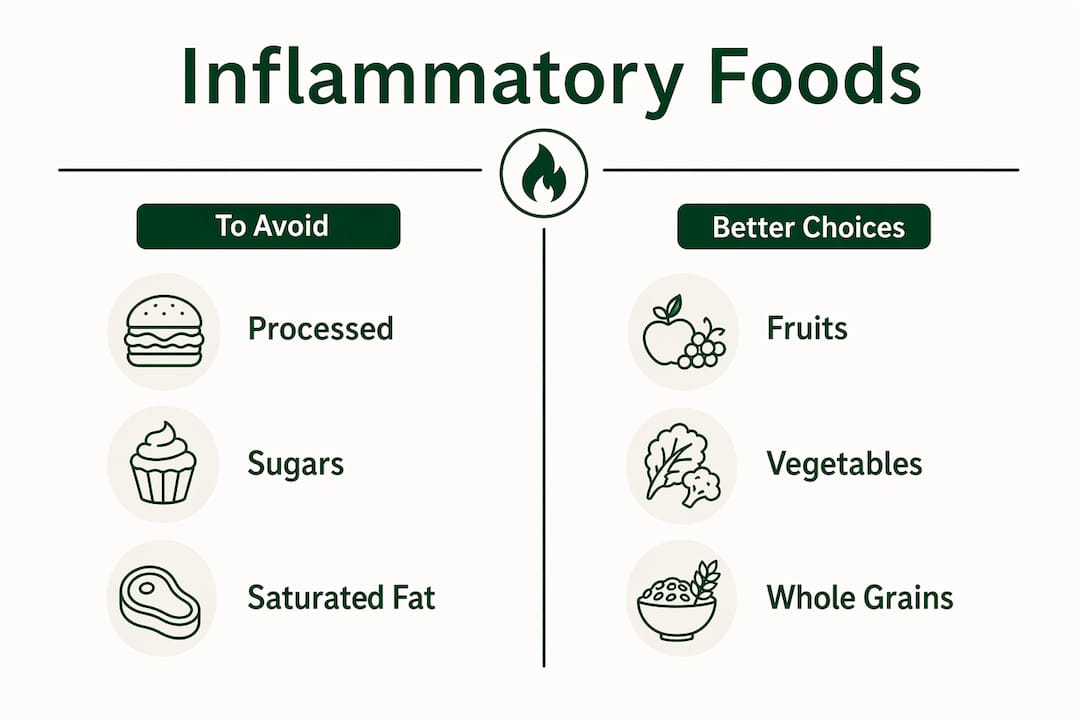
Refined carbohydrates, including white bread, white pasta, and pastries, cause rapid blood sugar spikes that trigger pro-inflammatory cytokine release. Sugar-sweetened beverages are among the worst offenders, delivering large doses of fructose with no fibre to slow absorption. Processed and red meats, particularly cured products like sausages and hot dogs, contain compounds that promote inflammation through both their fat composition and preservative content.
Foods to reduce or remove from your diet:
- Refined carbohydrates: white bread, white rice, pastries, and refined cereals
- Added sugars: sodas, flavoured yogurts, jarred sauces, and packaged baked goods
- Processed meats: sausages, bacon, hot dogs, and deli meats
- Fried foods: chips, fried chicken, and anything cooked in partially hydrogenated oils
- Trans fats: margarine, shortening, and many commercially produced biscuits
- Excessive sodium: crisps, ready meals, and tinned soups with high salt content
Ultra-processed foods deserve particular attention. They tend to be high in salt, added sugars, and saturated fat simultaneously, a combination that promotes inflammation through multiple pathways at once.
Pro Tip: When reading food labels, check for ingredients listed as “partially hydrogenated oil” or any form of added sugar within the first five ingredients. If a product contains both, it is almost certainly pro-inflammatory regardless of any health claims on the front of the packaging.
Anti-inflammatory foods and nutrients your diet should include
Rather than hunting for a single miracle food, the evidence points firmly toward an overall dietary pattern. Harvard Health research highlights that antioxidant-rich fruits, vegetables, nuts, and healthy oils work together to reduce inflammatory damage at a cellular level, protecting against oxidative stress that drives chronic disease.
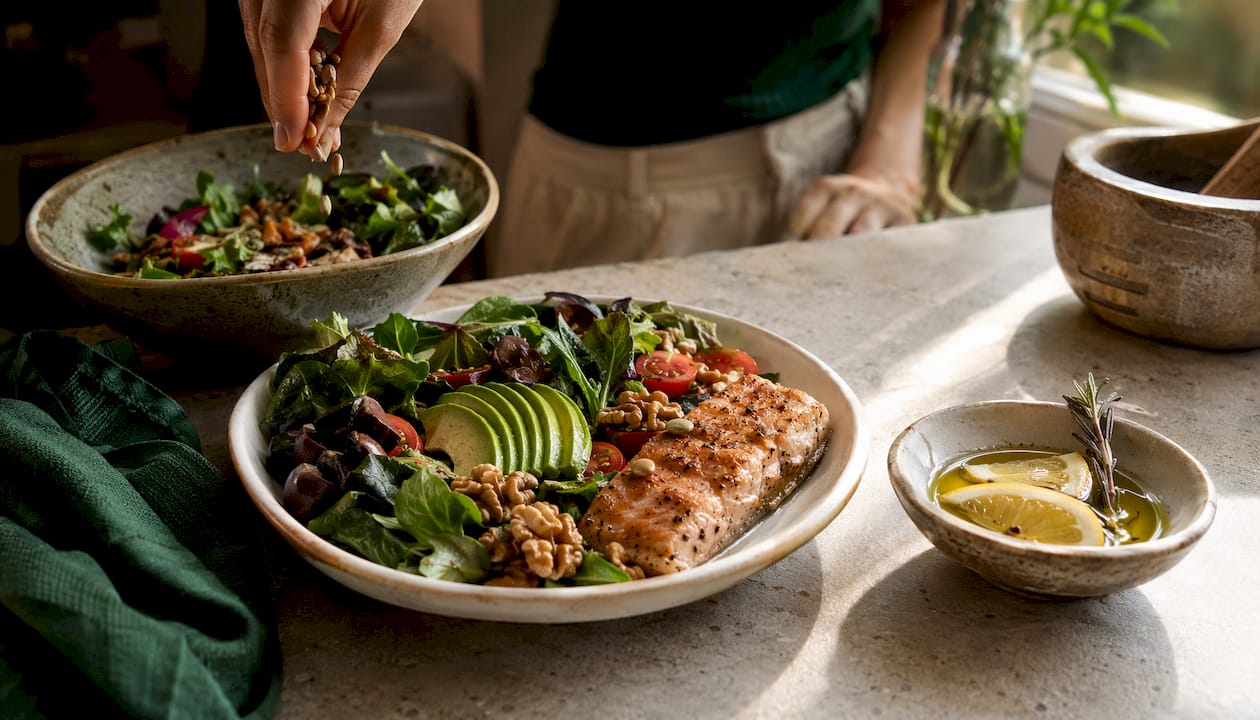
A meta-analysis of seven clinical trials with 541 participants confirmed that plant-based diets reduce CRP concentration markedly, making the evidence for dietary change among the strongest available for any natural intervention.
Key anti-inflammatory foods and nutrients:
- Fatty fish: salmon, mackerel, sardines, and tuna supply long-chain omega-3 fatty acids (EPA and DHA), which directly inhibit inflammatory signalling pathways
- Leafy greens: spinach, kale, and collard greens provide carotenoids and vitamin K, both associated with lower inflammatory markers
- Berries and citrus: blueberries, strawberries, cherries, and oranges are rich in polyphenols and anthocyanins that neutralise free radicals
- Nuts: almonds and walnuts contain alpha-linolenic acid (ALA) and have been linked in studies to reduced cardiovascular inflammation
- Olive oil: extra virgin olive oil contains oleocanthal, a compound that inhibits the same inflammatory enzymes as ibuprofen
- Turmeric: its active compound curcumin blocks NF-κB, a key molecular switch that drives inflammatory gene expression
- Green tea: rich in epigallocatechin gallate (EGCG), a polyphenol shown to suppress inflammatory cytokines
- Whole grains: oats, quinoa, and barley provide soluble fibre that feeds beneficial gut bacteria and reduces systemic inflammation
- Legumes: lentils and chickpeas deliver fibre and plant protein without the saturated fat that promotes inflammation in red meat
The Mediterranean diet and the MIND diet both organise these foods into a coherent eating pattern. The Mediterranean diet emphasises fish, olive oil, vegetables, legumes, and whole grains. The MIND diet layers in specific focus on berries and leafy greens for brain health. Both have been associated with lower levels of inflammatory markers in clinical populations.
Pro Tip: For plant-based inflammation support, explore evidence-backed dietary approaches that go beyond individual foods and address the full dietary pattern.
Practical lifestyle habits that reduce inflammation naturally
Diet is the foundation, but it does not work in isolation. Stress and poor sleep dysregulate cortisol and increase inflammatory cytokines, meaning that a perfect diet can be partially undone by chronic stress or consistently broken sleep. Mindful breathwork practices such as pranayama lower cortisol and activate the parasympathetic nervous system, creating a measurable anti-inflammatory effect.
Balanced exercise is equally central. Moderate-intensity movement supports natural detoxification, aids lymphatic drainage, and lowers systemic inflammation. The key word is moderate. Neither inactivity nor excessive training produces optimal cytokine profiles.
Lifestyle practices that support natural inflammation relief:
- Regular moderate exercise: aim for activities like yoga, Pilates, walking, or swimming rather than high-intensity training every day
- Sleep consistency: target adequate hours of quality sleep at consistent times; disrupted sleep raises IL-6 and TNF-α within days
- Stress reduction: daily meditation, deep breathing, or even ten minutes of quiet walking lowers cortisol meaningfully over time
- Hydration: adequate water intake supports kidney function and helps flush inflammatory metabolites
- Alcohol moderation: regular alcohol consumption raises CRP and disrupts gut microbiome balance, both of which drive inflammation
Pro Tip: Exercise dose matters more than most people realise. Low-to-moderate activities like Pilates and yoga aid lymphatic drainage and hormonal balance without the cortisol spike that comes with overtraining. Multiple moderate sessions of low-to-moderate intensity exercise per week at a conversational pace are generally beneficial for most people.
Herbal and botanical approaches: what the evidence actually says
Getgutted’s work in botanical health sits at the intersection of traditional herbal practice and modern clinical research. Several herbal compounds have genuine mechanistic evidence behind them, though the quality of the product matters as much as the ingredient itself.

Turmeric (curcumin) is the most studied natural anti-inflammatory compound. Curcumin blocks NF-κB, the molecular pathway that switches on inflammatory gene expression, and inhibits COX-2 enzymes in a manner similar to non-steroidal anti-inflammatory drugs. The catch is bioavailability: curcumin is poorly absorbed on its own. Combining it with piperine (from black pepper) increases absorption substantially, which is why formulation quality determines whether a turmeric supplement actually works.
Omega-3 fatty acids from both fish oil and plant sources (flaxseed, chia, hemp) reduce the production of pro-inflammatory eicosanoids. Fish-derived EPA and DHA are more bioavailable than plant-derived ALA, though plant sources remain valuable for those avoiding animal products.
Gut health plays a larger role in inflammation than most people expect. Feeding gut bacteria with specific fibres, such as inulin from Jerusalem artichokes and chicory, supports a healthy microbiome that prevents metabolic endotoxemia, a condition where bacterial toxins leak into the bloodstream and trigger systemic inflammation. Combining prebiotic fibres with probiotic-rich foods like kefir, live yogurt, and fermented vegetables creates a synbiotic effect that strengthens the gut barrier.
Additional botanicals with clinical support:
- Ginger: contains gingerols and shogaols that inhibit prostaglandin synthesis, reducing joint and muscle inflammation
- Boswellia (frankincense): its active acids block 5-LOX, an enzyme pathway involved in inflammatory conditions like asthma and arthritis
- Green tea extract: EGCG suppresses NF-κB activation and reduces oxidative stress markers in clinical trials
- Poke root oil infused with castor oil: used in traditional herbal practice to support lymphatic drainage and reduce localised swelling, as featured in Getgutted’s formulations
Consulting a healthcare provider before introducing concentrated herbal supplements is genuinely important, not a formality. Curcumin can interact with blood-thinning medications; high-dose fish oil affects platelet function; and some botanicals alter the metabolism of prescription drugs via liver enzymes.
Pro Tip: When choosing herbal oils, look for certified herbal oil products with clear harvest dates and quality certifications. For extra virgin olive oil specifically, oleocanthal degrades rapidly with light and heat exposure, so sealed dark bottles and COOC or DOP certification indicate genuine therapeutic quality.
A quick summary of natural inflammation relief
Managing chronic inflammation naturally is achievable through consistent, evidence-based choices across diet, lifestyle, and targeted herbal support. Here is a condensed reference:
- Understand the difference: acute inflammation heals; chronic inflammation harms. The goal is to reduce the latter without suppressing the body’s normal immune function
- Remove the drivers: refined carbohydrates, added sugars, processed meats, trans fats, and ultra-processed foods all raise inflammatory markers
- Build an anti-inflammatory plate: fatty fish, leafy greens, berries, nuts, olive oil, whole grains, and legumes form the core of any effective dietary approach
- Follow a proven pattern: the Mediterranean diet and MIND diet provide the most consistent evidence for reducing systemic inflammation across clinical populations
- Move, sleep, and breathe: moderate exercise, 7–9 hours of sleep, and daily stress reduction practices each lower inflammatory cytokines independently of diet
- Choose herbs with evidence: turmeric with piperine, omega-3 supplements, ginger, and green tea extract all have mechanistic and clinical support
- Prioritise product quality: bioavailability and ingredient integrity determine whether a supplement delivers its promised effect
- Consult before you supplement: interactions between herbal compounds and medications are real and sometimes serious
For those looking to go further, Getgutted’s herbal inflammation research guide covers the clinical evidence behind specific botanical formulations in detail.
Getgutted’s Wellness Kits bring together handcrafted herbal formulations designed to support lymphatic drainage, reduce inflammation, and promote hormonal balance, all grounded in traditional botanical practice and ingredient purity.
Key takeaways
Chronic inflammation responds measurably to dietary and lifestyle change, with plant-based patterns, targeted herbs, and consistent sleep and stress management forming the most evidence-backed approach available without pharmaceutical intervention.
| Point | Details |
|---|---|
| Plant-based diets reduce CRP | Seven clinical trials with 541 participants confirmed plant-based eating lowers C-reactive protein markedly. |
| Avoid ultra-processed foods | Refined carbohydrates, added sugars, and processed meats are the primary dietary drivers of chronic inflammation. |
| Mediterranean and MIND diets | Both dietary patterns organise anti-inflammatory foods into a proven, sustainable eating framework. |
| Sleep and stress matter equally | Poor sleep and chronic stress raise inflammatory cytokines independently of diet, so both require active management. |
| Supplement quality determines effect | Turmeric’s curcumin requires piperine for absorption; herbal oil potency depends on certified, fresh sourcing. |