

How to reduce puffiness fast: Natural remedies for instant relief
TL;DR:
- Cold therapy and gentle massage rapidly reduce facial puffiness through vasoconstriction and lymphatic drainage.
- Lifestyle factors like hydration, low-sodium diet, and sleep elevation prevent recurring puffiness effectively.
- Herbal teas and supplements support internal fluid balance and inflammation reduction for long-term relief.
You wake up, look in the mirror, and your face tells a different story from yesterday. Puffy eyes, a swollen jaw line, or that heavy feeling around your cheeks. It can happen after a salty takeaway, a restless night, seasonal allergies, or simply from lying in one position too long. The good news is that natural remedies can begin working in minutes, not hours. This guide walks you through the tools, techniques, and herbal strategies that genuinely reduce puffiness fast, from cold therapy and gentle massage to hydration habits and targeted botanicals, so you have a clear, practical plan ready the next time it happens.
Table of Contents
- Essential tools and natural ingredients for reducing puffiness fast
- Step-by-step guide for immediate reduction: Cold therapy and massage
- Hydration, diet and sleep: Preventing puffiness before it starts
- Herbal solutions: Teas, supplements and anti-inflammatory plants
- Why quick fixes are only the beginning: A holistic view
- Explore more natural wellness solutions
- Frequently asked questions
Key Takeaways
| Point | Details |
|---|---|
| Fast relief methods | Cold compresses and chilled botanicals can shrink puffiness in minutes for most instances. |
| Preventive habits | Hydrating well, eating less salt, and raising your head at night reduce future swelling significantly. |
| Herbal wisdom | Regular use of diuretic teas and anti-inflammatory herbs aids both rapid and long-term improvement. |
| Safety first | Avoid cold or massage on infected or sensitive skin, and seek medical input for persistent cases. |
Essential tools and natural ingredients for reducing puffiness fast
Before you can act, you need the right items within reach. Fortunately, most of what works best is already in your kitchen or bathroom. Knowing what to grab and why makes the difference between a five-minute fix and a wasted hour.
Basic toolkit for fast puffiness relief:
- Chilled cucumber slices: Cooling and mildly astringent. Keep them in the fridge ready to use.
- Cold metal spoons: Place in the freezer for 10 minutes. Simple and effective for under-eye puffiness.
- Green or chamomile tea bags: Brew, then chill in the fridge. The tannins and antioxidants add extra anti-inflammatory benefit.
- Cold water and a clean cloth: The most accessible compress you own.
- An extra pillow: Elevation matters, particularly overnight.
- Herbal teas for internal support: Dandelion, ginger, and chamomile support fluid balance from the inside.
For natural remedies for swelling to work quickly, application method matters as much as ingredients. Cold compresses and chilled items such as spoons, cucumber slices, or tea bags reduce puffiness via vasoconstriction in minutes. Vasoconstriction simply means blood vessels narrow, reducing blood flow and fluid accumulation in the area.
| Tool | Speed of relief | Best for | Skin suitability |
|---|---|---|---|
| Cold spoons | Very fast (2-5 min) | Under-eye puffiness | Most skin types |
| Cucumber slices | Fast (5-10 min) | Eyes and cheeks | Sensitive skin friendly |
| Chilled tea bags | Fast (5-10 min) | Eyes and brow area | Normal to oily skin |
| Cold cloth compress | Moderate (10-15 min) | Broader facial areas | All types, patch test first |
| Pillow elevation | Sustained (overnight) | Morning prevention | All types |
| Herbal teas (internal) | Gradual (hours) | Fluid retention overall | All types |
If you have known allergies, particularly to plants in the daisy family, avoid chamomile. For very sensitive or reactive skin, always test a chilled item on your wrist before applying it to your face.
Step-by-step guide for immediate reduction: Cold therapy and massage
With your tools ready, the next step is applying them correctly. Technique matters more than most people expect.
Step 1: Prepare the area. Cleanse your face gently with cool water. Pat dry. This removes any surface barrier that might reduce contact between the cold tool and your skin.
Step 2: Apply your cold tool. Use chilled cucumber slices, cold spoons, or a damp cold cloth. Press gently against the affected area. Do not rub aggressively. Hold for two to three minutes.
Step 3: Gentle outward massage. Using clean fingertips, apply very light pressure and stroke outward from the centre of your face towards your ears, then downward along the sides of your neck. This supports lymphatic drainage methods by directing fluid towards lymph nodes.
Step 4: Repeat as needed. For stubborn puffiness, alternate cold application with massage for up to 15 minutes total.
Chilled cucumber slices rubbed for 3 to 5 minutes per eye offer hydration, cooling, and lymphatic drainage in one step. They are one of the most efficient single tools available for under-eye swelling.
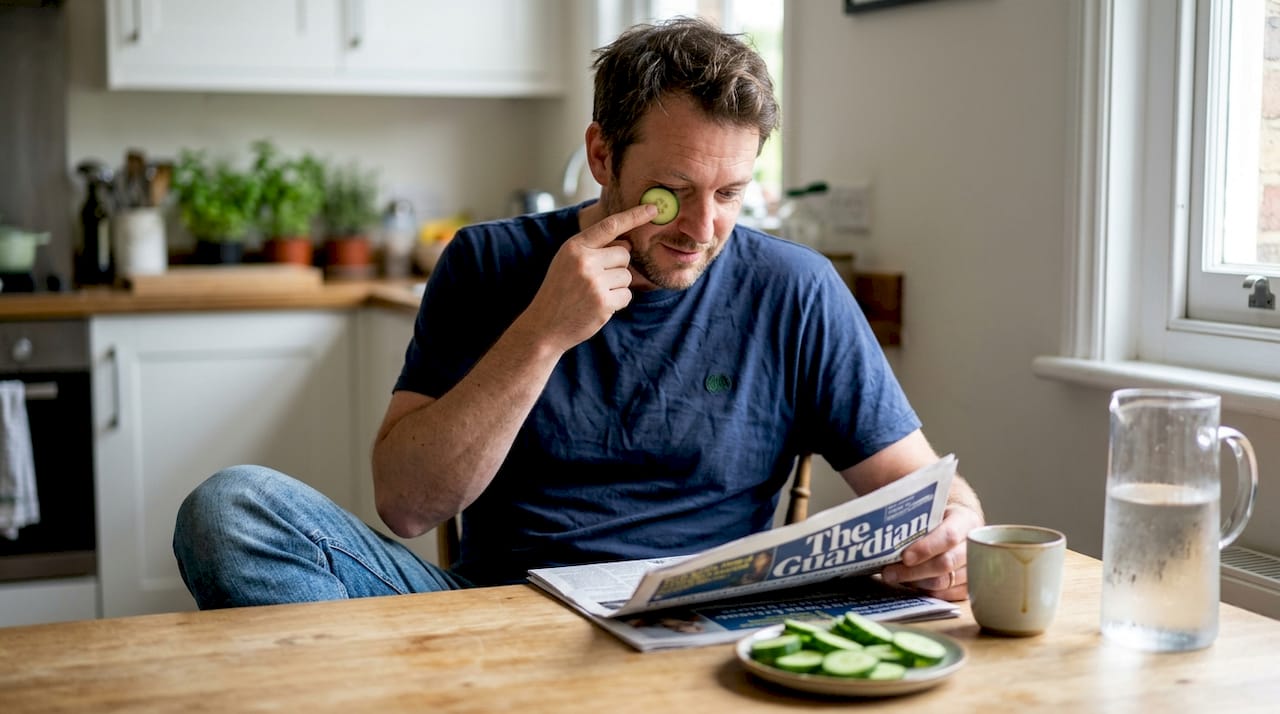
Gentle lymphatic drainage massage or gua sha with light outward strokes boosts circulation. Avoid heavy pressure, which can worsen inflammation rather than relieve it.
Pro Tip: Combine cold therapy and gentle massage in the same session. Cold reduces initial swelling, then massage moves that fluid along. Doing both together produces noticeably faster results than either method alone.
When to avoid cold or massage: Do not apply cold or massage to skin affected by active infections, open styes, dermatitis, rosacea, or broken skin. If puffiness is accompanied by pain, fever, or sudden severe swelling, stop and consult your GP. These methods suit general, mild puffiness only.
For further gentle swelling relief techniques, including pressure point guidance, consider exploring more detailed lymphatic support resources.
Hydration, diet and sleep: Preventing puffiness before it starts
Immediate relief is useful. Stopping puffiness from returning is better. The root causes of recurring puffiness are almost always dietary or lifestyle-related, and they are more controllable than most people realise.
Hydration and sodium intake
Drinking 8 to 10 glasses of water daily helps your kidneys flush excess salt efficiently. When sodium levels are high in the body, it retains water to dilute it, and that retained fluid often shows up as facial puffiness. Reducing processed foods, crisps, ready meals, and high-salt sauces makes a measurable difference within 24 to 48 hours.
Foods to reduce or avoid:
- High-sodium processed foods and takeaways
- Alcohol, which dehydrates and causes fluid rebound
- Refined sugar, which promotes inflammation
- Excess caffeine without adequate water intake
Foods to favour:
- Cucumber, watermelon, and celery (water-rich, mildly diuretic)
- Leafy greens and potassium-rich foods like bananas and sweet potato
- Oily fish for their anti-inflammatory omega-3 content
Sleep position and natural swelling prevention
Hydration and a low-sodium diet flush excess salt, and head elevation during sleep reduces morning fluid pooling, with benchmarks showing up to 30% less puffiness in those who sleep elevated. Propping your head up by at least 10 to 15 centimetres makes a real difference over time. The NHS guidance on swelling also recommends elevation as a simple first-line measure.
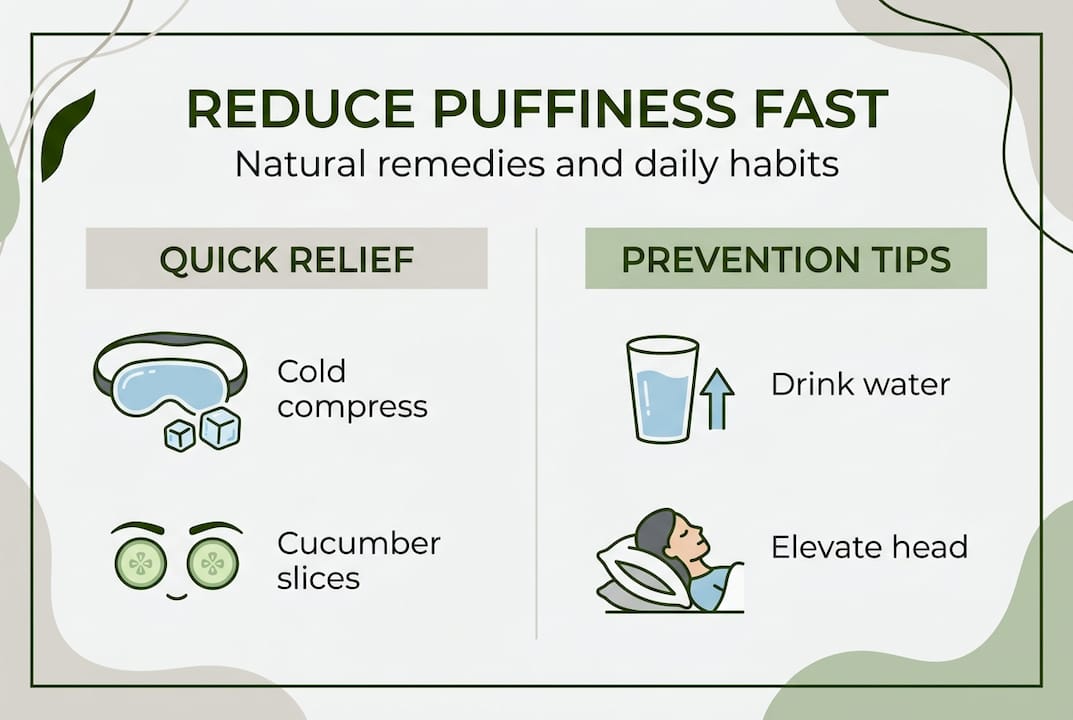
| Preventive action | Timeframe for effect | Effectiveness |
|---|---|---|
| Increase daily water intake | 24 to 48 hours | High |
| Reduce sodium intake | 24 to 72 hours | High |
| Elevate head during sleep | Overnight | Moderate to high |
| Cut alcohol intake | 48 to 72 hours | Moderate |
| Increase potassium-rich foods | 3 to 7 days | Moderate |
| Reduce refined sugar | 5 to 10 days | Moderate |
Small, consistent changes compound quickly. Many people notice a visible difference within a week of adjusting diet and sleep position together.
Herbal solutions: Teas, supplements and anti-inflammatory plants
Herbal approaches work differently from cold compresses. They support the body’s internal processes, fluid balance, lymphatic function, and inflammatory response, rather than addressing surface symptoms directly. Used consistently, they reduce how often puffiness occurs.
Top herbal options for puffiness:
- Dandelion tea: A well-regarded natural diuretic. Drink one to two cups daily to support fluid excretion without depleting potassium.
- Chamomile tea: Gentle anti-inflammatory. Particularly relevant in the UK for those whose puffiness is triggered by hayfever or seasonal allergies. Bags can also be chilled and applied topically.
- Green tea: Contains EGCG, a potent antioxidant that reduces inflammation. Drink it or apply cooled tea bags externally.
- Ginger tea: Supports circulation and has measurable anti-inflammatory properties. Best used warm in the morning.
- Turmeric: Curcumin, its active compound, is one of the most studied natural anti-inflammatories available. Add to warm milk or teas.
Herbal teas like chamomile, green tea, dandelion, and ginger act as natural diuretics and anti-inflammatories. Turmeric and adaptogens support long-term inflammation reduction, particularly where puffiness is chronic rather than occasional. These are also well-documented as anti-inflammatory foods and botanical compounds.
For broader herbal products for swelling and lymphatic health, a range of targeted options exists beyond basic teas. Exploring holistic herbs for swelling gives a fuller picture of what botanical wellness can offer in persistent cases.
Pro Tip: Pair diuretic teas like dandelion with increased water intake. Diuretics encourage fluid excretion, so staying hydrated ensures the body does not overcorrect and retain even more fluid as a response.
Chronic versus acute: Herbs work best for recurring, low-grade puffiness caused by diet, hormones, or lifestyle. For sudden, severe swelling with no obvious cause, consult a GP before relying solely on herbal approaches.
Why quick fixes are only the beginning: A holistic view
Cold spoons and cucumber slices work. They are not pretend remedies. The vasoconstriction response is real and measurable. But it is important to understand what they do not do: they do not change the underlying reason puffiness keeps coming back.
If your diet is high in sodium, your lymphatic system is sluggish, or your sleep is disrupted night after night, a cold compress is a patch, not a solution. Experts confirm the temporary efficacy of cold-based approaches but note there is no permanent structural change. Herbal wellness aids chronic inflammation but requires consistent use.
What genuinely works over time is less glamorous: drinking enough water every day, sleeping with your head elevated, reducing processed food, and using UK herbal wellness remedies as ongoing support rather than emergency measures. That consistency is what most quick-fix guides skip past.
For persistent or unexplained puffiness, particularly if it is localised, worsening, or accompanied by other symptoms, seeking medical advice is the right step. Natural remedies complement proper care; they do not replace it.
Explore more natural wellness solutions
If this guide has been useful, there is more support available. At getgutted.co, we offer herbal wellness products crafted specifically to support lymphatic drainage, reduce fluid retention, and ease inflammation naturally. Our Organic Poke Root Oil infused in Castor Oil is handcrafted in small batches using traditional slow-infusion methods, alongside complementary options like Soursop Leaves and Essiac tea blends.

For those looking to go further, our detailed guidance on swelling natural remedies covers additional approaches. Whether you are managing occasional puffiness or dealing with something more persistent, there are natural, evidence-supported options ready to help you take the next step.
Frequently asked questions
What’s the fastest way to reduce puffiness at home?
Applying a cold compress or chilled item for a few minutes can reduce puffiness almost instantly by constricting blood vessels and limiting fluid accumulation in the area.
Are herbal teas effective for puffiness?
Herbal teas act as diuretics and anti-inflammatories, helping flush excess fluid and soothe swelling, particularly when used regularly rather than as a one-off remedy.
What should I avoid when treating facial puffiness?
Avoid cold or massage if you have infections, styes, dermatitis, or rosacea. For persistent swelling, consult your GP rather than continuing to self-treat.
Does sleeping position affect puffiness?
Yes. Elevating your head during sleep reduces morning fluid pooling and can lead to up to 30% less puffiness compared with lying flat.
Are there long-term natural solutions for chronic puffiness?
Consistent hydration, a low-sodium diet, and anti-inflammatory herbal supplements provide reliable long-term support when used alongside immediate remedies.
Recommended
- Reduce swelling naturally: gentle methods for effective relief – Gutted.
- Top natural remedies for swelling and inflammation – Gutted.
- Best oils for lymphatic drainage and swelling relief: 6 options compar – Gutted.
- Natural wellness: herbal remedies for swelling, 200,000+ UK – Gutted.
- How to relieve foot discomfort: strategies for daily comfort – YDA UK