

Why ancestral remedies work: science and tradition explained
Ancestral remedies are defined as plant-based healing preparations passed down through generations, combining whole-herb compounds with cultural knowledge to support the body’s natural functions. The reason why ancestral remedies work is not mystical. It is biochemical, cultural, and deeply practical. Modern meta-analyses confirm that remedies like echinacea and comfrey produce measurable clinical results. Getgutted draws directly on this ancestral healing wisdom, formulating products that respect both the science of phytochemistry and the generational knowledge behind each plant. Understanding how these remedies function gives you a far stronger foundation for using them well.
Why ancestral remedies work: the science of whole-plant synergy
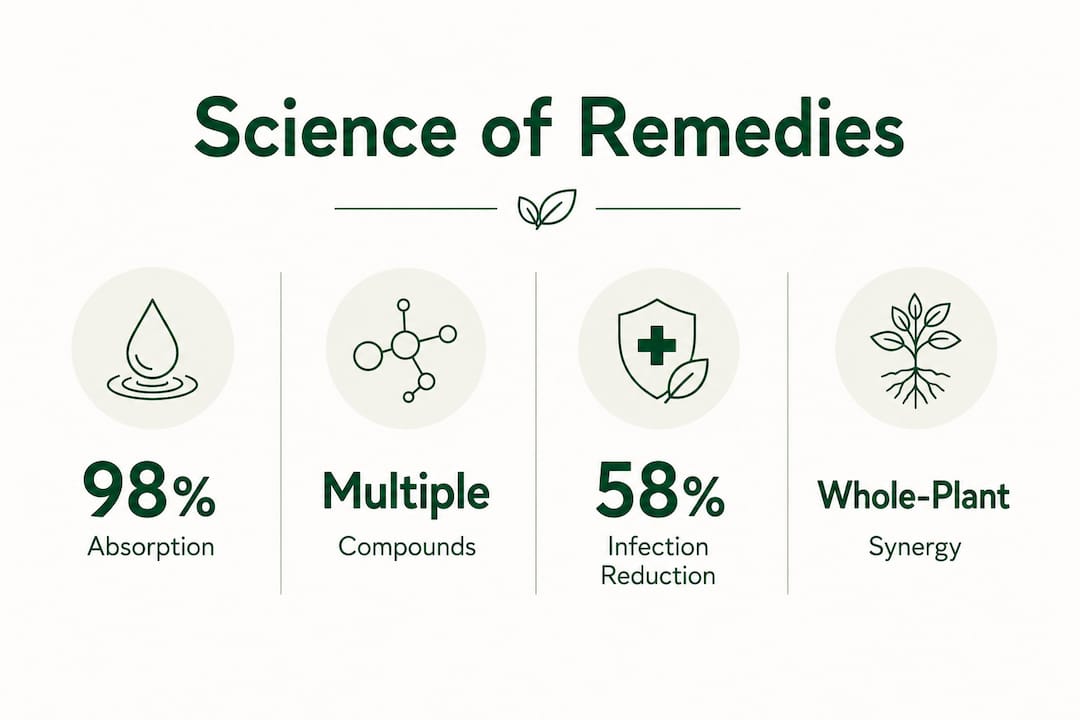
Traditional preparations preserve plant synergy in a way that isolated pharmaceutical compounds cannot replicate. When you extract a single active molecule from a plant, you lose the web of supporting compounds that modulate its effect, improve its absorption, and reduce its side effects. Whole-plant synergy is the primary reason integrative health experts credit ancestral remedies with genuine therapeutic value.
Oxymels, which are preparations combining honey and vinegar with herbs, illustrate this principle well. The acidic environment of vinegar draws out water-soluble alkaloids and minerals, while honey preserves volatile aromatic compounds and adds its own antimicrobial properties. The result is a preparation that captures a broader chemical profile than either a water infusion or an alcohol tincture alone. Fire cider, a traditional oxymel using horseradish, ginger, and garlic, works on this exact principle.
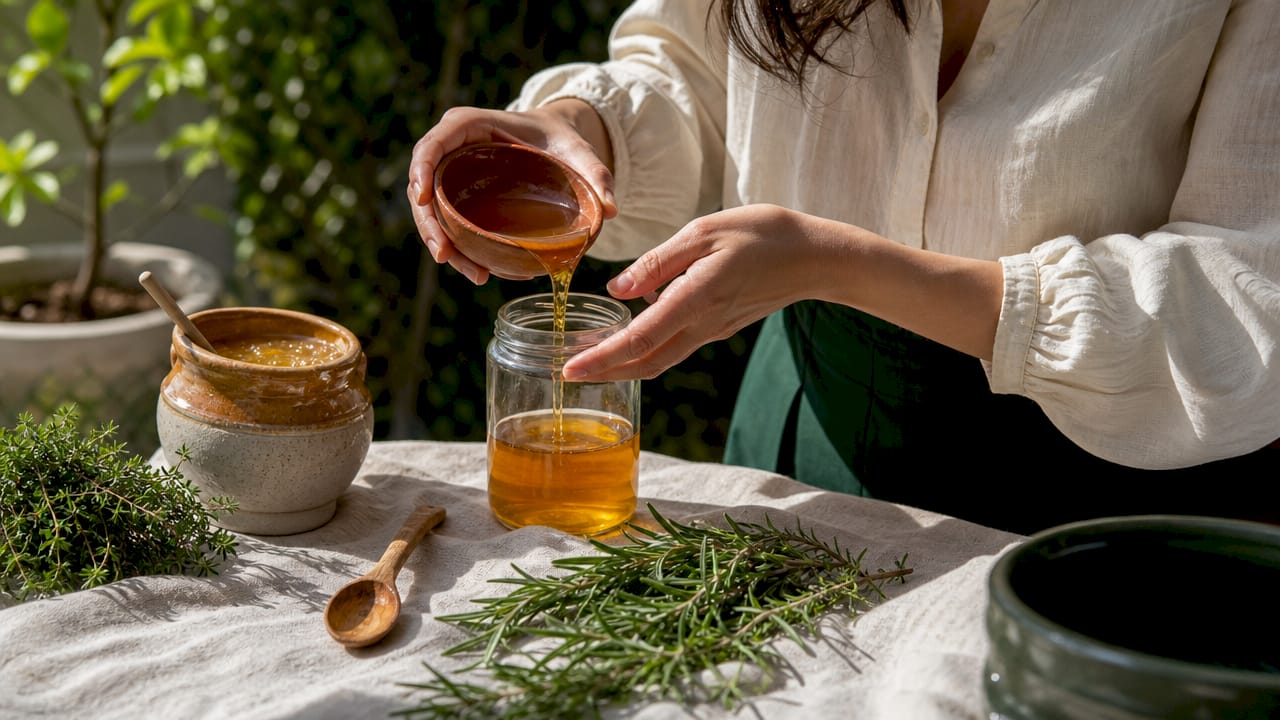
Bioavailability is another key factor. Liquid herbal preparations achieve absorption rates of around 98%, compared to 50% or less for many compressed tablets. That gap is significant. It means a tincture or oxymel delivers far more of the active compounds to your bloodstream than a standardised tablet at the same nominal dose.
Pro Tip: When choosing a herbal preparation, prioritise liquid forms such as tinctures, oxymels, or infused oils over tablets. The absorption difference is substantial and directly affects how much benefit you receive.
Preparation types and their absorption profiles
| Preparation type | Delivery form | Absorption rate | Key advantage |
|---|---|---|---|
| Tincture | Liquid, alcohol-based | Up to 98% | Fast absorption, long shelf life |
| Oxymel | Liquid, honey and vinegar | High | Broad compound extraction |
| Infused oil | Topical or oral | Variable | Skin penetration, localised action |
| Herbal tea | Aqueous infusion | Moderate | Gentle, accessible, hydrating |
| Compressed tablet | Solid, standardised | 50% or less | Convenient, precise dosing |
What does the scientific evidence say about traditional remedies?
The effectiveness of traditional remedies is no longer a matter of anecdote alone. Peer-reviewed meta-analyses now provide measurable data on several key plants. Echinacea is the most studied example. Echinacea reduces cold duration by 1–2 days on average and cuts the risk of respiratory infection by up to 58% when taken at the first sign of symptoms. That is a clinically meaningful result, not a marginal effect.
Comfrey offers another well-documented case. Topical comfrey preparations significantly outperform placebo for acute back pain and osteoarthritis, showing results comparable to diclofenac, a standard pharmaceutical anti-inflammatory. Comfrey contains pyrrolizidine alkaloids that restrict its internal use, but topical application involves minimal systemic absorption, making it both safe and effective when used correctly.
Indian traditional medicine, known collectively as Ayush, has also attracted clinical scrutiny. A review of Ayush interventions for COVID-19 found promising clinical outcomes for both prophylaxis and treatment, though the authors noted variable study quality and called for more standardised research. This is an honest picture of where the field stands: real potential, with rigorous work still needed.
The top ancestral herbal remedy options with the strongest current evidence include:
- Echinacea (Echinacea purpurea): reduces cold duration and respiratory infection risk
- Comfrey (Symphytum officinale): topical pain relief for back pain and joint inflammation
- Turmeric (Curcuma longa): anti-inflammatory properties linked to curcumin content
- Ginger (Zingiber officinale): nausea relief, digestive support, and anti-inflammatory action
- Poke root (Phytolacca americana): traditionally used for lymphatic support and inflammation, as featured in Getgutted’s poke root oil formulation
- Ashwagandha (Withania somnifera): adaptogenic support for stress and hormonal balance
Each of these has a documented phytochemical basis for its traditional use. The science does not always explain every mechanism fully, but it confirms the direction that generations of healers already knew.
How does cultural context shape the effectiveness of traditional healing?
The natural healing benefits of ancestral remedies extend beyond chemistry. Cultural and ritual dimensions enhance therapeutic outcomes in ways that standard clinical trials rarely measure. Ceremony, storytelling, and community knowledge transmission activate psychosocial mechanisms that support emotional and spiritual wellbeing alongside physical recovery.
This is not a soft claim. The placebo effect is a well-documented physiological phenomenon. When a remedy is administered within a trusted cultural framework, with intention and shared meaning, the body’s response is measurably different from receiving the same compound in a clinical setting without context. Traditional healing practices have always understood this, even without the vocabulary of neuroscience.
Traditional medicine excels at longitudinal observation across generations, while modern biomedicine identifies causal mechanisms. These two approaches complement each other rather than compete. A healer who has observed a plant’s effects across a community over decades holds a form of evidence that a two-year randomised controlled trial cannot replicate. Combining both perspectives produces the most complete picture of how a remedy works.
Pro Tip: When sourcing herbs for personal use, choose suppliers who practise sustainable harvesting and can trace their ingredients to origin. Overharvested plants lose potency, and ethical sourcing respects the communities whose knowledge underpins these traditions.
The role of herbal wisdom and cultural practice in traditional systems is not decorative. It is functional. Removing the cultural layer from a remedy and treating it purely as a delivery mechanism for a chemical compound misses a significant part of why it works.
How to incorporate ancestral remedies into your modern wellness routine
Ancestral remedies function best as preventive and complementary care rather than replacements for acute medical treatment. Traditional remedies maintain wellbeing and resilience over time. They are not designed to substitute emergency interventions. This distinction matters both for safety and for getting the most from what these preparations offer.
Practical integration looks like this:
- Start with terrain support. Use remedies like herbal teas, infused oils, and tonics daily to support lymphatic drainage, digestion, and immune function before problems arise.
- Match the preparation to the purpose. Topical comfrey oil for joint pain, echinacea tincture at the first sign of a cold, and poke root oil for lymphatic support each require different application methods and timings.
- Store preparations correctly. Fire cider and oxymels keep well in dark glass bottles in a cool cupboard for up to a year. Infused oils should be stored away from direct light and heat to prevent rancidity.
- Personalise by constitution and environment. A person with acid reflux should avoid acidic tonics like fire cider. Someone managing diabetes should monitor honey-based preparations carefully. The traditional herbs guide from Getgutted covers these distinctions in detail.
- Use flexible, symptom-guided dosing. Traditional practice favours frequent, smaller doses adjusted to response rather than rigid schedules. This mirrors how the body actually processes botanical compounds.
The balance between tradition and evidence-based use is not difficult to strike. You do not have to choose between ancestral knowledge and modern science. The most effective approach uses both, with honesty about what each can and cannot do. For a deeper look at how clinical research supports these methods, the Getgutted article on herbal solutions and evidence is worth reading alongside this one.
Key takeaways
Ancestral remedies work because whole-plant synergy, high bioavailability in liquid preparations, and culturally embedded healing contexts combine to produce effects that isolated compounds alone cannot match.
| Point | Details |
|---|---|
| Whole-plant synergy | Multiple compounds in traditional preparations work together, enhancing efficacy beyond any single isolated molecule. |
| Liquid forms absorb better | Tinctures and oxymels achieve absorption rates around 98%, far exceeding compressed tablets at 50% or less. |
| Clinical evidence exists | Echinacea cuts cold duration by 1–2 days; topical comfrey matches diclofenac for pain relief in trials. |
| Culture amplifies chemistry | Ritual, ceremony, and community context activate psychosocial mechanisms that strengthen physical outcomes. |
| Best used preventively | Traditional remedies build long-term resilience and are most effective as daily terrain support, not acute replacements. |
Where tradition meets rigour: my honest view
I have spent years watching people dismiss ancestral remedies as folklore, and an equal number watching others treat them as infallible. Both positions are wrong, and both cause harm.
What strikes me most about the evidence now available is how consistently it vindicates the logic of traditional practice rather than just individual compounds. The reason echinacea works is not one molecule. It is the interaction of alkylamides, polysaccharides, and caffeic acid derivatives working together in a liquid medium that the body recognises and absorbs efficiently. Our ancestors did not know those names. They knew the pattern of the plant’s effects across generations. That is a different kind of knowledge, and it deserves respect.
What I find genuinely exciting is the shift happening in integrative medicine. Researchers are no longer asking “does this work?” in isolation. They are asking “how does the whole system work?” That is the right question. It is the question traditional healers have always been answering, in their own language.
My caution is this: do not use ancestral remedies as a reason to avoid necessary medical care. Use them as a reason to build the kind of daily resilience that reduces how often you need it. That is what they were designed for. That is where they are most powerful.
— Mabel
Getgutted wellness kits: a grounded starting point
If you are ready to move from reading about ancestral remedies to actually using them, the practical question is where to begin without wasting money on poorly sourced products.
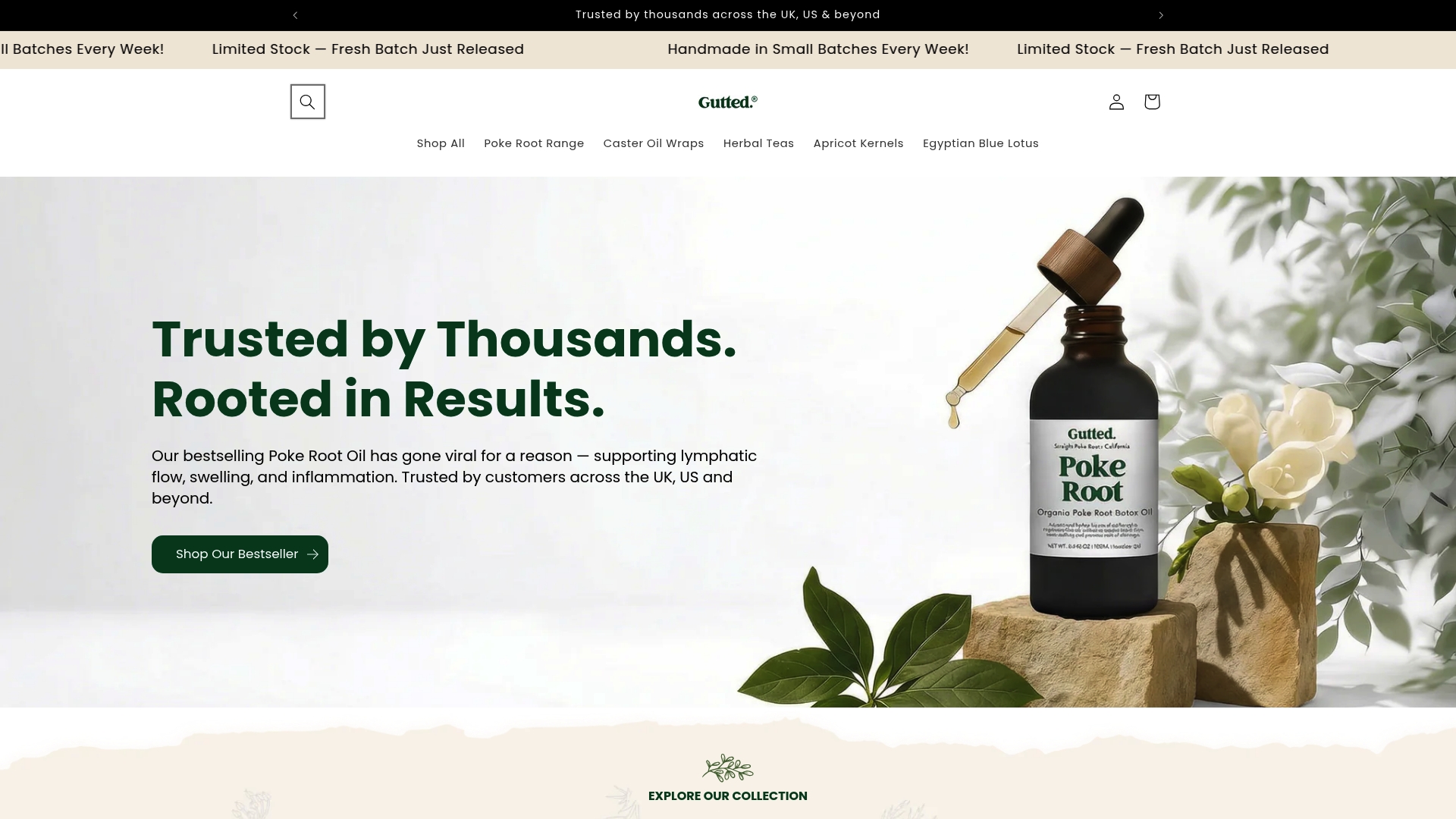
Getgutted’s wellness kits are put together with exactly this in mind. Each kit combines handcrafted, small-batch herbal preparations with clear guidance on use, so you are not guessing at dosage or application. The formulations respect the whole-plant principles covered in this article, using ingredient-quality standards that support genuine bioavailability rather than cutting corners on extraction. Whether you are exploring lymphatic support, inflammation relief, or general daily resilience, the kits offer a structured, evidence-informed entry point into traditional herbal practice.
FAQ
Why do ancestral remedies work better as liquids?
Liquid preparations like tinctures and oxymels achieve absorption rates of around 98%, compared to 50% or less for compressed tablets. Higher absorption means more active compounds reach the bloodstream at the same dose.
Is there clinical proof that traditional herbal remedies work?
Yes. Meta-analyses show echinacea reduces cold duration by 1–2 days and cuts infection risk by up to 58%. Topical comfrey preparations match diclofenac for pain relief in clinical trials.
Are ancestral remedies safe to use alongside modern medicine?
Most traditional remedies are safe as complementary or preventive care, but specific preparations carry contraindications. Acidic tonics are unsuitable for people with acid reflux, and honey-based preparations require monitoring for those managing diabetes.
What makes whole-plant preparations different from pharmaceutical isolates?
Whole-plant preparations contain dozens of interacting compounds that modulate each other’s effects, improve absorption, and reduce side effects. Pharmaceutical isolates extract a single molecule, losing this synergistic network.
How does cultural context affect the effectiveness of traditional remedies?
Cultural rituals, ceremony, and community knowledge transmission activate psychosocial mechanisms that measurably enhance physical healing outcomes. Clinical trials rarely capture this dimension, which means the full effect of traditional remedies is often underestimated in standard research.