

How to incorporate botanical remedies into practice
Incorporating botanical remedies into practice is the process of safely integrating plant-based treatments into a personal wellness routine to support natural health. The term “herbal medicine” is the recognised industry standard for this field, covering everything from simple ginger teas to complex tinctures and topical poultices. Over 60% of patients use herbal remedies alongside conventional treatments, which means the question is rarely whether to use plant remedies, but how to do so safely. Getgutted’s approach, rooted in ancestral herbal wisdom and strict ingredient standards, reflects exactly this need for informed, structured integration.
How to incorporate botanical remedies into practice safely
The foundation of safe botanical integration is knowledge before action. Licensed naturopathic doctors favour plant-based medicines that treat the whole person, prioritising approaches with fewer side effects than pharmaceutical alternatives. That philosophy matters for anyone starting out: the goal is to support the body, not to overwhelm it.
Before you use a single herb, you need three things in place. First, a baseline understanding of your current health status, ideally confirmed through a consultation with a healthcare provider. Second, a clear health goal, whether that is supporting digestion, easing inflammation, or promoting relaxation. Third, a reliable source of quality botanicals backed by documentation.
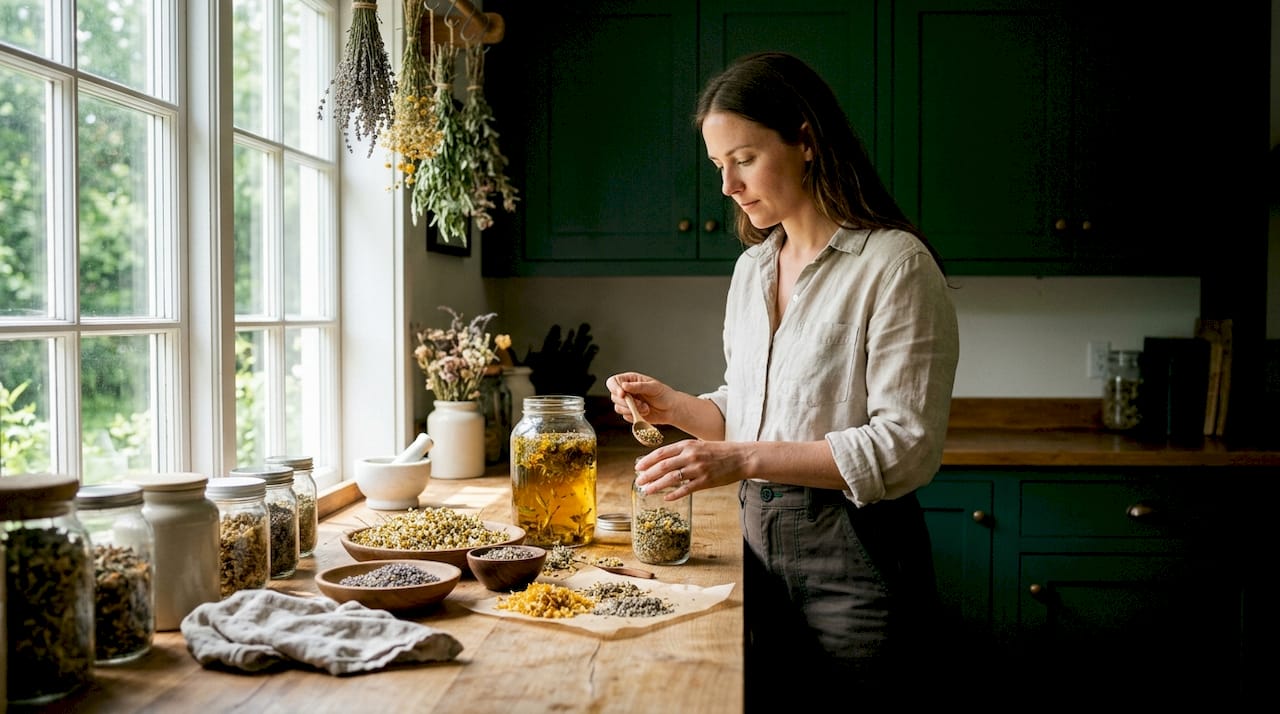
Certificates of Analysis (COAs) verify botanical product purity, confirm active constituent concentrations, and confirm the absence of contaminants. Buying botanicals without a COA is the equivalent of buying food with no ingredient label. Reputable suppliers provide COAs on request, and any supplier who cannot is worth avoiding.
What tools do you need before starting?
The practical toolkit for botanical medicine is straightforward. You need accurate measuring devices (a digital scale and measuring spoons), glass containers for storage, an infuser or strainer for teas, and a dedicated journal for tracking. A journal is not optional. Systematic documentation is what separates informed practice from guesswork.
Pro Tip: Set up your tracking journal before you open your first botanical. Record the herb name, the part used (leaf, root, flower), the extraction method, the dose, the intended benefit, and the start date. This is the standardised tracking system recommended by clinical practitioners.
| Element | What to record |
|---|---|
| Ingredient | Full botanical name (e.g., Zingiber officinale) |
| Part used | Root, leaf, flower, bark, or seed |
| Extraction type | Tea, tincture, capsule, or topical |
| Dose | Amount per serving and frequency |
| Intended benefit | Specific health goal (e.g., digestion support) |
| Start date | Date of first use |
How do you select and introduce botanical remedies step by step?
Selecting the right botanical starts with matching the plant to a specific, realistic health goal. Digestion concerns point towards ginger or peppermint. Relaxation and sleep support point towards chamomile or lemon balm. Immune support often involves elderberry or echinacea. The clearer your goal, the easier the selection.
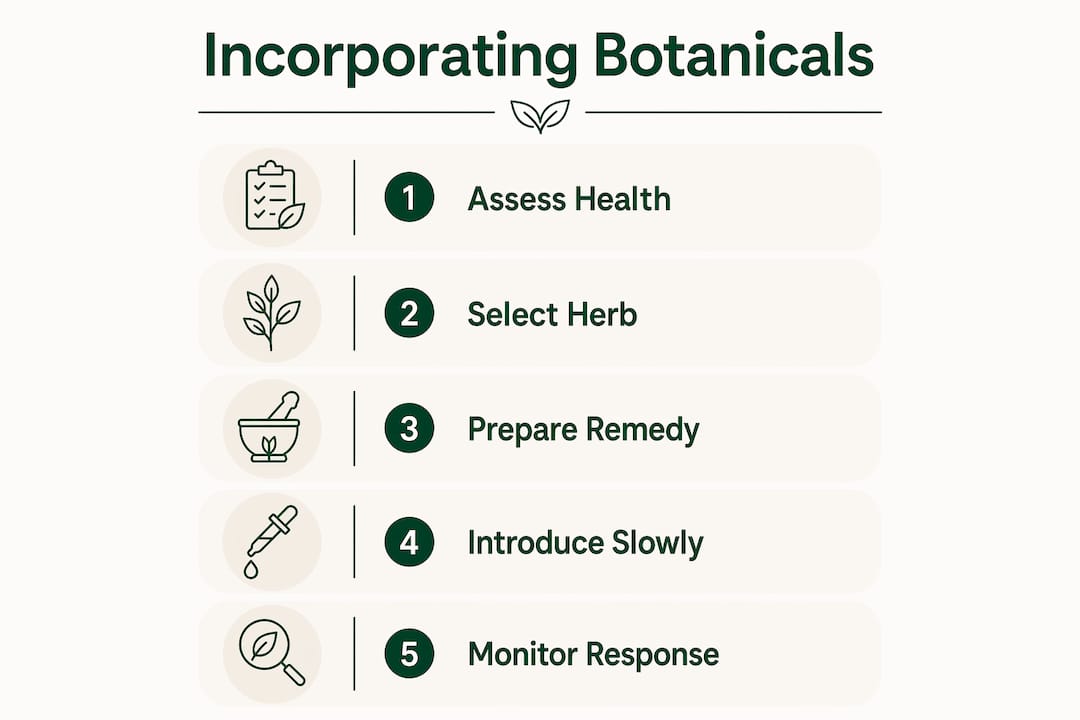
The single most important rule for beginners is the single-herb rule: introduce one botanical at a time. This rule exists because it is the only reliable way to identify which plant caused a reaction if something goes wrong. Starting three herbs simultaneously makes it impossible to pinpoint the source of any side effect.
Follow these steps when introducing a new botanical:
- Choose one herb aligned with a single health goal.
- Select a beginner-friendly form. Tea infusions using culinary herbs like ginger or chamomile are the safest and most accessible starting point.
- Start at the lowest suggested dose listed on the product or by your practitioner.
- Use the herb consistently for two weeks before drawing any conclusions about its effect.
- Record every observation in your journal, including energy levels, digestion, sleep, and any skin changes.
- Consult your healthcare provider before adding a second botanical or increasing the dose.
Pro Tip: Watch for early signs of sensitivity in the first 48–72 hours: skin flushing, digestive upset, or unusual fatigue. These are signals to pause and speak with a healthcare professional before continuing. You can find a practical beginner’s introduction workflow that maps this process clearly.
What are the main methods for preparing botanical remedies?
Preparation method determines how much of a botanical’s active compounds you absorb and how quickly they act. Matching the method to your goal is as important as choosing the right herb. Understanding the reasoning behind each preparation method, particularly how solvents interact with plant compounds, is what moves a beginner towards confident, informed use.
The four primary preparation types are teas, tinctures, capsules, and poultices. Each has a distinct profile of ease, potency, and appropriate use.
- Teas (infusions): Steeping dried or fresh plant material in hot water for 5–15 minutes. Low potency, high safety, ideal for daily use with culinary herbs. Best for digestion, relaxation, and mild immune support.
- Tinctures: Plant material extracted in alcohol or glycerine over several weeks. Higher potency than teas, longer shelf life, and faster absorption. Require more care with dosing.
- Capsules: Dried, powdered botanical material in a convenient form. Consistent dosing, no preparation required, but slower onset than tinctures.
- Poultices: Fresh or dried plant material applied directly to the skin. Traditional topical poultices deliver bioactive compounds effectively by maintaining moisture and providing a protective barrier, which aligns with modern wound-healing science.
| Method | Ease of use | Potency | Best for |
|---|---|---|---|
| Tea (infusion) | High | Low to moderate | Daily wellness, digestion, relaxation |
| Tincture | Moderate | High | Targeted support, faster action |
| Capsule | High | Moderate | Consistent dosing, convenience |
| Poultice | Low | Localised | Topical inflammation, skin concerns |
One safety point specific to topical use: poultices should not remain on the skin indefinitely. Leaving a drawing poultice on too long causes skin irritation, even with gentle botanicals. Follow preparation guidance on duration carefully, and remove the poultice at the first sign of discomfort.
For detailed guidance on preparing teas at home, the Getgutted guide on making herbal infusions covers the full process step by step.
How do you monitor and adjust your botanical wellness routine?
Systematic tracking is the difference between a wellness routine that works and one that simply continues. Recording symptoms, dosage, and outcomes over time gives you real data to act on, rather than impressions.
Key monitoring practices include:
- Log every dose with the time, amount, and how you felt before and after.
- Note any changes in sleep, digestion, energy, mood, or skin within 24 hours of each dose.
- Flag potential interactions if you take prescription medications. Certain botanicals, including St John’s Wort and ginkgo, are known to interact with common drugs. Disclose all botanical use to your doctor.
- Schedule a review with your healthcare provider after four weeks of consistent use.
- Plan cycling periods. Using the same botanical continuously for months can reduce its effect. A two-week break every six to eight weeks helps maintain efficacy.
Pro Tip: Use a standardised template or a dedicated wellness app to log your routine. Getgutted’s guide on tracking your herbal routine provides a ready-to-use framework that covers all the key variables.
Recognising when to stop is as important as knowing when to start. Persistent digestive upset, skin reactions, or worsening of the original concern are all signals to pause, document what happened, and seek professional advice before resuming.
What are the most common mistakes when integrating botanical remedies?
The most frequent error is starting too many botanicals at once. This violates the single-herb rule and makes it impossible to assess what is working or causing a reaction. Patience is not optional in botanical medicine; it is the method.
The second most common mistake is ignoring product quality. A botanical without a COA may contain contaminants, incorrect concentrations, or adulterants. Quality assurance is not a premium feature. It is the baseline.
Botanical medicine works through plant complexity, not through isolated compounds. Respecting that complexity means sourcing carefully, dosing conservatively, and tracking honestly. Rushing the process undermines the very thing that makes plant remedies effective.
Managing overlapping effects from topical and ingestible botanicals requires attention. If you apply a topical poultice and also drink a tea containing the same herb, you are effectively doubling your exposure. Track both routes of administration in your journal.
When results plateau or disappear, revisit your goals before increasing the dose. The issue is often adaptation rather than failure. Cycling the botanical, as described in the monitoring section, usually restores responsiveness. If it does not, the herb may simply not be the right match for your current health goal, and a different botanical or preparation method may serve you better. The Getgutted resource on combining herbal wellness modalities offers practical guidance on this kind of protocol adjustment.
Key takeaways
Safe, effective botanical integration requires the single-herb rule, COA-verified sourcing, systematic tracking, and regular communication with a healthcare provider.
| Point | Details |
|---|---|
| Verify product quality | Always request a Certificate of Analysis before using any botanical supplement. |
| Follow the single-herb rule | Introduce one botanical at a time to identify reactions clearly and safely. |
| Start with infusions | Teas using culinary herbs like ginger or chamomile are the safest entry point for beginners. |
| Track every variable | Log ingredient, dose, method, and observed effects from day one. |
| Communicate with your provider | Disclose all botanical use to your healthcare provider to prevent drug interactions. |
What I’ve learned from years of working with botanical remedies
The thing that surprises most people when they start with herbal medicine is how much patience it demands. We are conditioned to expect fast results, and botanical remedies rarely work that way. The plants that have supported human health for centuries do so through gradual, cumulative action, not through dramatic overnight shifts.
What I have found genuinely useful is treating the tracking journal as the most important tool in the kit, more important than the herbs themselves. Without documentation, you cannot distinguish a real effect from a placebo response or a coincidence. The journal is what makes botanical practice evidence-based at the personal level.
I also think the single-herb rule is underrated. People resist it because it feels slow. But the practitioners who skip it are the ones who end up confused about what is helping and what is causing problems. Starting with one herb, observing carefully, and then building from there is not the cautious approach. It is the effective one.
The most important collaboration in botanical wellness is not between herbs. It is between you and a qualified healthcare provider who takes your plant-based choices seriously. That relationship makes everything else safer and more productive.
— Mabel
Getgutted’s wellness kits for botanical remedy preparation
Getgutted has built its product range around exactly the kind of structured, quality-assured botanical practice described here.
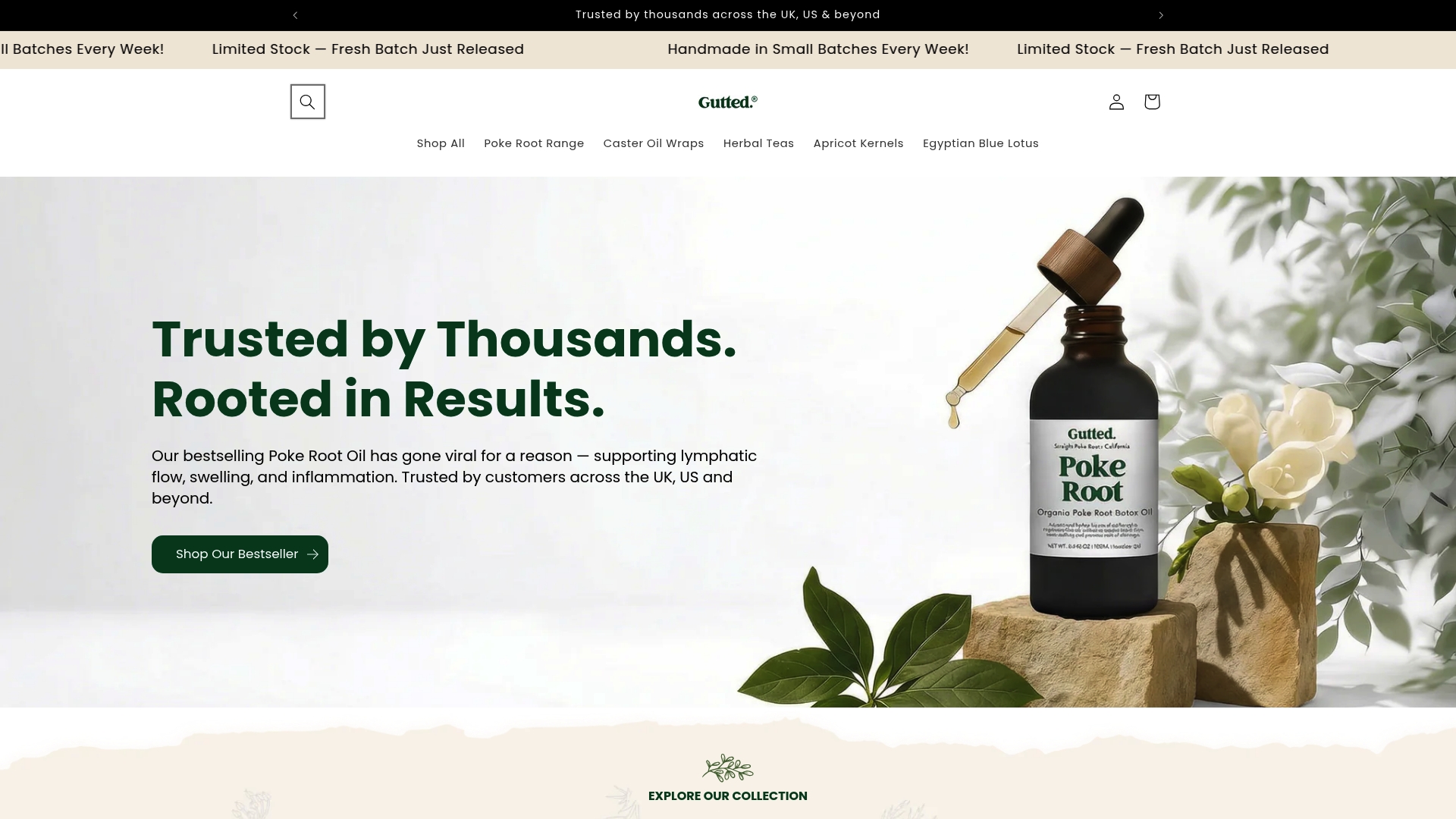
The Getgutted wellness kits bring together handcrafted herbal products, including infused oils and herbal teas, sourced to strict ingredient standards. Each kit is designed to support a specific wellness goal, whether that is lymphatic drainage, inflammation relief, or detoxification, making it straightforward to start with one focused protocol rather than assembling products piecemeal. The accompanying educational content on the Getgutted site supports the monitoring and tracking process, so you are never left without guidance on what to observe or how to adjust.
FAQ
What does it mean to incorporate botanical remedies into practice?
Incorporating botanical remedies into practice means safely integrating plant-based treatments, such as teas, tinctures, or topical poultices, into a structured personal wellness routine. The process requires quality sourcing, systematic tracking, and communication with a healthcare provider.
How do I know if a botanical product is safe to use?
Request a Certificate of Analysis (COA) from the supplier, which verifies purity and active compound levels. Any reputable botanical supplier provides this documentation on request.
What is the single-herb rule and why does it matter?
The single-herb rule means introducing only one botanical at a time so that any reaction or benefit can be clearly attributed to that specific herb. Starting multiple herbs simultaneously makes it impossible to identify the cause of any side effect.
Which preparation method is best for beginners?
Tea infusions using culinary herbs like ginger or chamomile are the safest and most accessible starting point. They offer low potency, high safety, and are easy to prepare and dose consistently.
Can I use botanical remedies alongside prescription medication?
You can, but you must disclose all botanical use to your prescribing doctor first. Certain herbs interact with common medications, and open communication with healthcare providers is the standard recommendation given how widely herbal remedies are used alongside conventional treatments.