

Herbal remedies for bodily wellness: a practical guide
Herbal remedies for bodily wellness are plant-based treatments used to reduce inflammation, balance hormones, and restore vitality through naturally occurring compounds. Phytotherapy, the recognised clinical term for this practice, draws on centuries of traditional knowledge now supported by growing scientific interest. Herbs like turmeric, ashwagandha, and chasteberry each target specific physiological systems, making them far more purposeful than general “wellness” supplements. Getgutted builds its entire product range around this principle, combining ancestral herbal wisdom with strict ingredient standards to support lymphatic health, detoxification, and hormonal balance.
1. What are the best herbal remedies for inflammation?
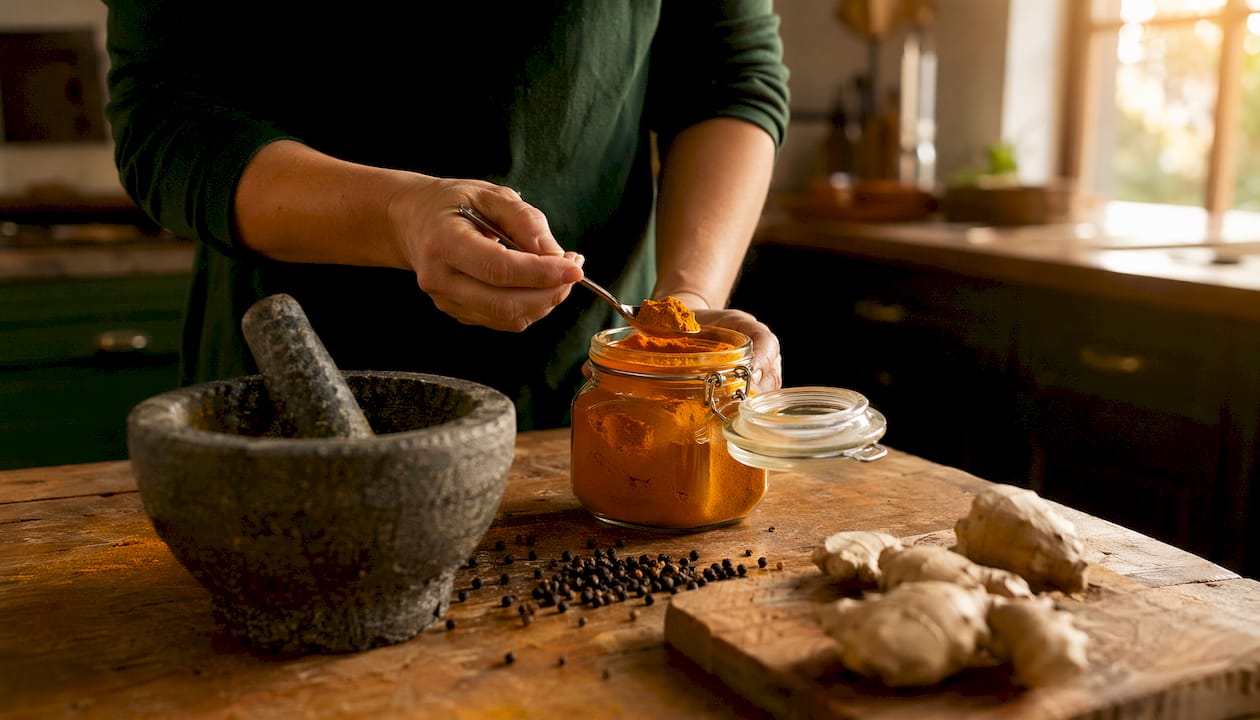
Turmeric, ginger, and willow bark are the three most studied herbs for inflammation, each working through distinct active compounds. Turmeric contains curcumin, which suppresses inflammatory pathways at a cellular level and supports joint health. Ginger’s gingerols block prostaglandins, the same targets as common over-the-counter pain relief. Willow bark contains salicin, the compound that inspired the development of aspirin.
- Turmeric: Best taken as a tea, capsule, or tincture. Pairs well with black pepper for absorption.
- Ginger: Effective as a fresh tea or dried supplement. Useful for both gut inflammation and joint discomfort.
- Willow bark: Traditionally prepared as a decoction. Suited to headaches and musculoskeletal pain.
Pro Tip: Adding black pepper to turmeric preparations significantly increases curcumin absorption. Piperine, the active compound in black pepper, enhances bioavailability, making the combination far more effective than turmeric alone.
For a broader view of how these herbs work alongside immune function, the herbal blends for immune support guide from Getgutted covers complementary plant pairings in detail.
2. Which herbs support hormonal balance and menstrual health?
Chasteberry (Vitex agnus-castus), maca root, and black cohosh are the most widely used plant-based health solutions for hormonal regulation. Chasteberry influences pituitary hormone output, which in turn modulates oestrogen and progesterone levels across the menstrual cycle. Maca root supports the endocrine system through adaptogenic action rather than direct hormone mimicry. Black cohosh is most commonly used to ease menopause symptoms, particularly hot flushes and mood shifts.
- Chasteberry: Available as tinctures and capsules. Most effective when taken consistently over several menstrual cycles.
- Maca root: Taken as a powder added to food or drinks. Supports energy and libido alongside hormonal balance.
- Black cohosh: Best used as a standardised extract or tea. Consult a healthcare professional before use if you have a hormone-sensitive condition.
Traditional herbalism views hormonal imbalance as a symptom of broader lifestyle disruption, including poor sleep, emotional strain, and nutritional gaps. Herbs work most effectively when these underlying factors are also addressed. If you are pregnant, breastfeeding, or on hormonal medication, seek professional advice before starting any herbal programme.
3. How do adaptogenic herbs support stress resilience?
Adaptogens are a specific class of herbs that help the body regulate its stress response rather than simply masking symptoms. Ashwagandha and rhodiola support adrenal regulation, reducing the cortisol spikes that disrupt sleep, digestion, and immune function. Ginseng is the third pillar of this group, supporting mental clarity and sustained energy without the crash associated with stimulants.
- Ashwagandha: Taken as a capsule, powder, or tincture. Most effective when used consistently over 4–8 weeks.
- Rhodiola: Best taken in the morning to support focus and reduce fatigue. Available as standardised extracts.
- Ginseng: Used as a tea or supplement. Panax ginseng is the most researched variety for cognitive and physical performance.
Regular, moderate use of adaptogens produces better results than short bursts of high-dose supplementation. This is because adrenal regulation is a gradual process, not an on-off switch. Think of adaptogens as daily maintenance for your stress response system, not emergency relief.
Pro Tip: Take adaptogens at the same time each day to build a consistent physiological rhythm. Morning use suits most people, as these herbs support wakefulness and focus without interfering with evening sleep.
4. What are the most effective herbal preparation methods?
The preparation method determines how much of an herb’s active compounds your body actually absorbs. Infusions suit soft leaves and flowers, while decoctions are the correct method for tougher roots and bark. Using the wrong method for a given plant part means you extract far less of the beneficial compounds.
| Method | Best for | Key advantage | Limitation |
|---|---|---|---|
| Infusion (tea) | Leaves, flowers, soft stems | Simple, gentle extraction | Less potent for dense roots |
| Decoction | Roots, bark, seeds | Extracts tough compounds | Longer preparation time |
| Tincture | Most plant parts | Potent, long shelf life | Alcohol content not suitable for all |
| Steam inhalation | Aromatic herbs (sage, thyme) | Fast-acting for congestion | Localised effect only |
| Compress | Anti-inflammatory herbs | Targeted topical relief | Requires correct fibre choice |
Steam inhalations using sage and thyme deliver rapid relief for congestion and sore throats. They work by carrying volatile compounds directly into the respiratory tract. For compresses, use natural fibres such as cotton or linen to avoid uneven heat distribution and skin reactions.
Pro Tip: Tinctures are the most shelf-stable preparation, often lasting 2–5 years when stored correctly. If you want the benefits of an herb without daily preparation, a quality tincture is the most practical long-term option.
5. How to integrate herbal remedies into a natural lifestyle
Herbal remedies work best as part of a broader daily routine, not as standalone fixes. Small, consistent habits in hydration, sleep, movement, and stress management compound over time to produce genuine systemic change. Herbs amplify these foundations rather than replace them.
Wellness guidelines consistently point to the same core habits as the baseline for good health. Seven to nine hours of sleep each night, 2–2.5 litres of water daily, and eating five distinctly coloured fruits or vegetables are the non-negotiable starting points. Poor sleep raises cortisol, which then drives poor food choices and suppresses immune function. Herbs like ashwagandha can help regulate cortisol, but they cannot compensate for chronic sleep deprivation.
Daily sunlight exposure of 10–20 minutes supports vitamin D synthesis, which aids immune function and mood. Pairing morning sunlight with an adaptogenic tea creates a simple, repeatable ritual that anchors herbal use within your day.
- Drink herbal teas in the morning or evening as a consistent daily ritual.
- Add turmeric and black pepper to meals rather than relying solely on supplements.
- Use tinctures for herbs you need consistently but do not want to prepare fresh each day.
- Pair adaptogenic herbs with a regular sleep schedule to maximise adrenal support.
- Eat five colours of produce daily to provide the micronutrients that herbs work alongside.
- Move your body for at least 30 minutes daily to support circulation and lymphatic flow.
The herbal wellness guide for detox and balance from Getgutted outlines how to build these habits around specific herbal protocols, including lymphatic support and internal cleansing routines. For a wider perspective on creating conditions that support healing, the process for creating healing environments offers practical guidance on sleep, nutrition, and stress management as a system.
Key takeaways
The most effective approach to herbal remedies for bodily wellness combines targeted plant-based treatments with consistent foundational habits including sleep, hydration, and nutrition.
| Point | Details |
|---|---|
| Inflammation herbs | Turmeric, ginger, and willow bark each target inflammation through distinct active compounds. |
| Hormonal balance | Chasteberry, maca root, and black cohosh support hormonal regulation through different mechanisms. |
| Adaptogens | Ashwagandha, rhodiola, and ginseng require consistent daily use over weeks to produce adrenal benefits. |
| Preparation method | Match the method to the plant part: infusions for leaves, decoctions for roots, tinctures for potency. |
| Lifestyle foundation | Herbs amplify good habits. Sleep, hydration, and nutrition must come first. |
What I have learned from years of working with herbal remedies
The most common mistake people make with herbal remedies is treating them like pharmaceutical drugs. They expect a single dose to produce an immediate, measurable result. That is not how plant-based healing works, and traditional herbalism has always understood this. Herbs are tools for restoring balance, not switches for eliminating symptoms.
What I find genuinely underappreciated is the role of preparation method. Most people brew any herb as a tea regardless of the plant part, then conclude the herb “did not work.” A decoction of ginger root is a fundamentally different product to a ginger infusion. Getting the method right is half the work.
The other thing I would push back on is the idea that herbal remedies are inherently safe because they are natural. Willow bark thins the blood. Black cohosh is contraindicated in certain hormone-sensitive conditions. Chasteberry can interact with dopamine-related medications. Respect for these plants means understanding their limits, not just their benefits.
My honest recommendation for anyone starting out: pick one herb, use it consistently in the correct preparation for six weeks, and observe what changes. Ashwagandha is the most forgiving starting point for most people. It is well-researched, widely available, and produces noticeable results in energy and sleep quality within a month of daily use.
— Mabel
Herbal wellness made accessible with Getgutted
Knowing which herbs to use is one thing. Having quality products that are correctly formulated and ready to use is another entirely.
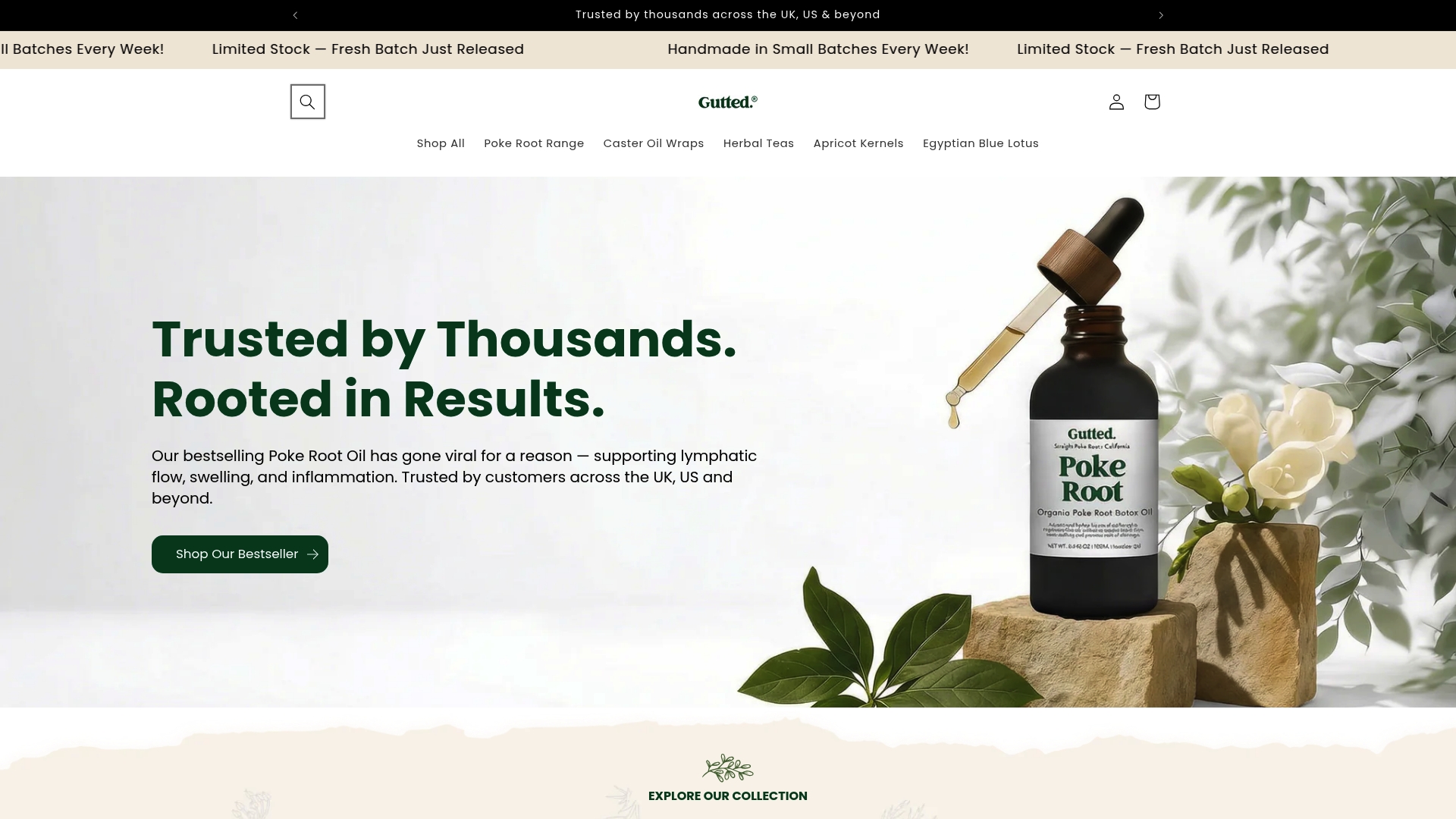
Getgutted offers curated wellness kits designed for people who want to incorporate herbal remedies without the guesswork of sourcing and preparing individual herbs from scratch. Each kit is handcrafted in small batches with strict ingredient standards, covering lymphatic support, inflammation relief, and hormonal balance. The herbal tea collection provides a straightforward entry point, with blends formulated to support stress relief, digestion, and overall vitality. If you are ready to move beyond single herbs and build a consistent plant-based routine, Getgutted’s range gives you a well-considered place to start.
FAQ
What are herbal remedies for bodily wellness?
Herbal remedies for bodily wellness are plant-based treatments used to support inflammation relief, hormonal balance, and overall vitality through naturally occurring compounds. Phytotherapy is the recognised clinical term for this practice.
Which herb is best for reducing inflammation?
Turmeric is the most researched herb for inflammation, with its active compound curcumin shown to suppress inflammatory pathways at a cellular level. Combining it with black pepper significantly increases absorption.
How long do herbal remedies take to work?
Most herbal remedies require consistent daily use over four to eight weeks before producing noticeable systemic effects. Adaptogens like ashwagandha and rhodiola follow this timeline for adrenal and stress benefits.
Are herbal remedies safe to use alongside medication?
Some herbs interact with medications. Willow bark affects blood thinning, black cohosh is contraindicated in certain hormone-sensitive conditions, and chasteberry can interact with dopamine-related drugs. Always consult a healthcare professional before combining herbs with prescribed medication.
What is the easiest way to start using herbal remedies?
Starting with a daily herbal tea or a quality wellness kit is the most practical entry point. Getgutted’s wellness kits are formulated for people new to plant-based health routines and remove the complexity of sourcing individual herbs.