

Why detox matters for your health in 2026
Detoxification is defined as the body’s continuous, multi-organ process of transforming and eliminating harmful substances before they cause lasting damage. Understanding why detox matters in holistic health means recognising this is not a January juice cleanse or a weekend tea ritual. It is a physiological system running every second of every day, coordinated by the liver, kidneys, gut, lymphatic system, and skin. When these pathways work well, you have energy, clear skin, balanced hormones, and a resilient immune system. When they are overwhelmed, the effects show up across your entire body.
Why detox matters in holistic health: the core science
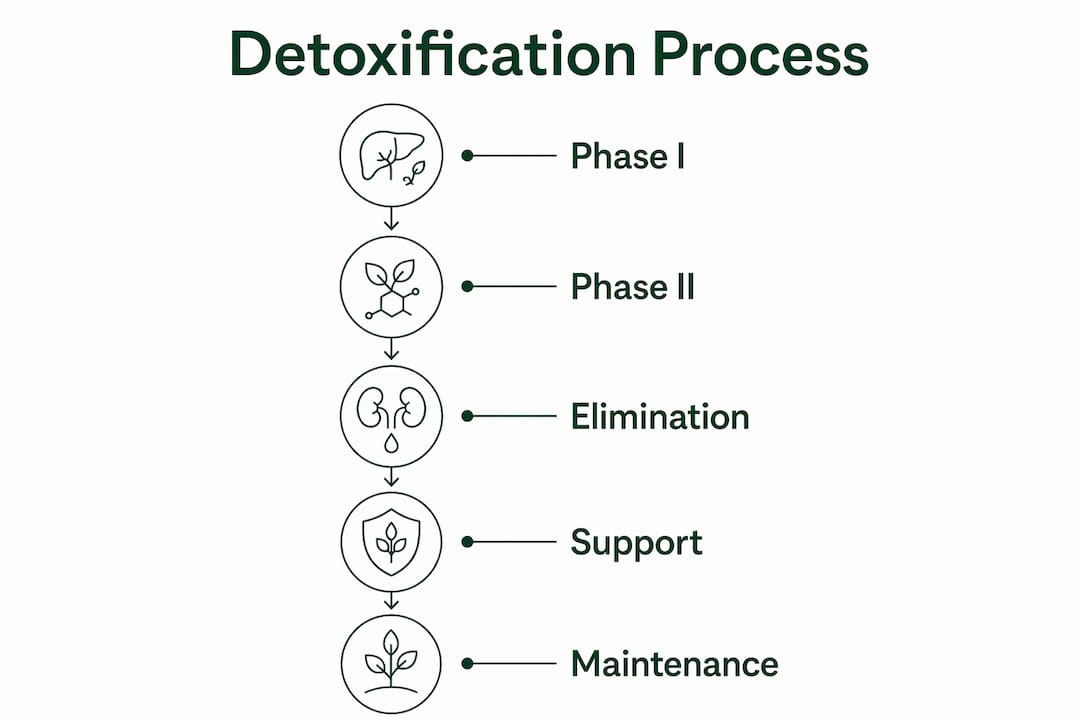
Detoxification is not a single event. It is a coordinated biological process involving Phase I and Phase II liver enzyme reactions, renal filtration, gut transit, lymph circulation, and skin excretion working in concert. The liver alone runs two distinct detox phases: Phase I uses cytochrome P450 enzymes to break down toxins into intermediate compounds, and Phase II conjugates those intermediates with molecules like glutathione or glucuronic acid to make them water-soluble and excretable. Without both phases functioning properly, intermediate compounds can be more reactive than the original toxin.
Holistic health frameworks treat detox as a continuous process, not something that needs to be “initiated” by a product. The kidneys filter roughly 180 litres of blood daily, reclaiming nutrients and excreting waste through urine. The gastrointestinal tract moves processed material out before it can be reabsorbed. The lymphatic system clears cellular debris and immune waste from tissues. Each system depends on the others. Block one pathway and toxins recirculate.
The importance of detox in this framework is not about adding supplements. It is about keeping these pathways clear, nourished, and unobstructed. That is the foundation of detoxification and wellness as Getgutted approaches it: supporting what the body already does, rather than replacing it.
How the body naturally detoxifies: organs and pathways
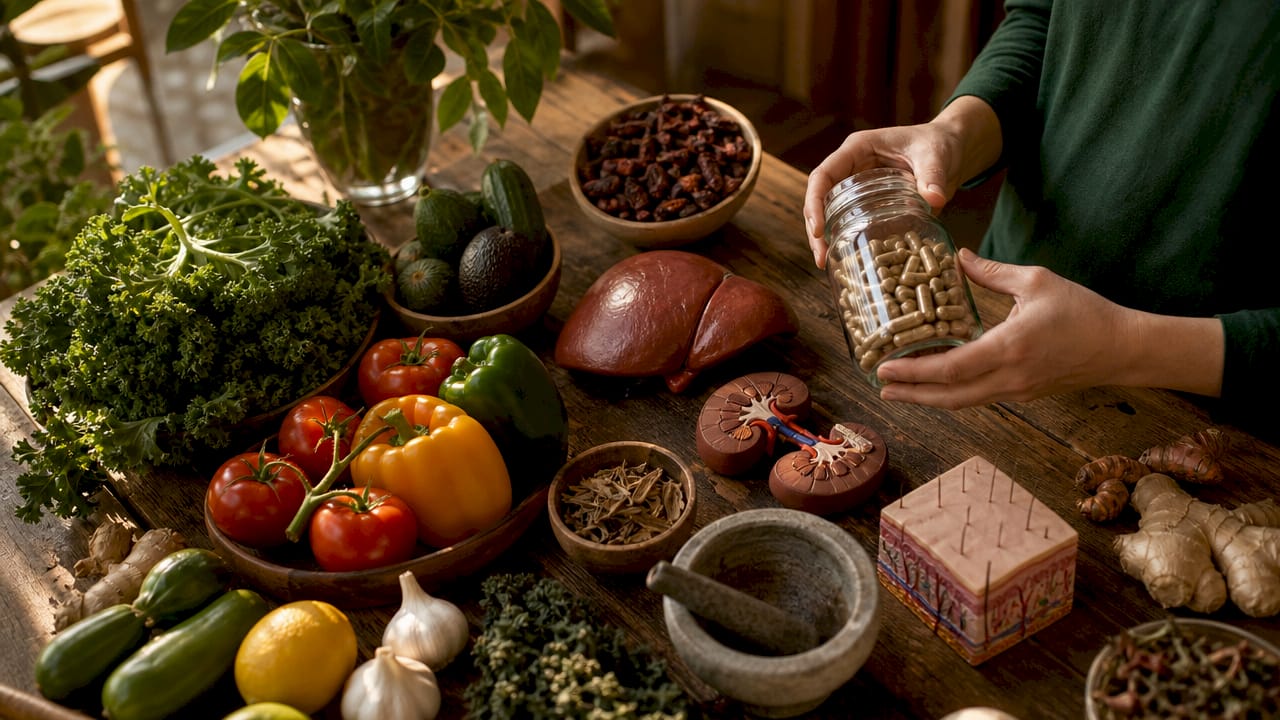
The liver is the primary detox organ, but it cannot work alone. Every organ in the elimination network has a specific role, and each depends on adequate nutrition, hydration, and circulation to function.
| Organ | Primary detox function | Main elimination route |
|---|---|---|
| Liver | Phase I and II biotransformation of toxins | Bile into digestive tract |
| Kidneys | Filtration of blood; excretion of water-soluble waste | Urine |
| Gastrointestinal tract | Transit and excretion of bile-bound toxins | Faeces |
| Lymphatic system | Clearance of cellular debris and immune waste | Returned to bloodstream via thoracic duct |
| Skin | Excretion of heavy metals and chemical residues via sweat | Sweat |
The skin contributes to detoxification through sweat, which contains heavy metals and chemical residues, though in smaller quantities than the liver and kidneys process. Saunas used regularly improve hepatic blood flow and may stimulate autophagy through heat stress. This makes them a legitimate, evidence-supported addition to a detox-supportive lifestyle.
Bowel regularity is non-negotiable. Bile carries fat-soluble toxins from the liver into the gut for excretion. If transit is slow, those toxins are reabsorbed through the intestinal wall and returned to the liver for reprocessing. This is why fibre intake and hydration directly affect detox efficiency, not as a metaphor but as a mechanical fact.
Pro Tip: Aim for at least 25–30g of dietary fibre daily from whole foods. Fibre binds bile acids in the gut and speeds transit, reducing the window for toxin reabsorption. Flaxseed, oats, and legumes are among the most effective sources.
What the evidence actually says about detox diets
Short-term commercial detox diets do not effectively remove toxins or produce lasting health benefits. No rigorous clinical evidence supports the claim that juice cleanses, detox teas, or similar products meaningfully enhance the body’s elimination capacity in healthy adults. The liver and kidneys manage everyday metabolic byproducts without supplementation, provided they are not being chronically overwhelmed.
The myths are persistent, so the facts are worth stating clearly:
- Myth: A three-day juice cleanse flushes toxins from your system. Fact: Healthy liver and kidney function handles this continuously. A juice cleanse primarily reduces calorie intake and increases fluid consumption.
- Myth: Feeling better after a detox proves it worked. Fact: Feeling better after a detox is usually the result of eating less processed food, drinking more water, and consuming more fibre. Not toxin removal.
- Myth: Detox symptoms like fatigue or skin rashes mean the cleanse is working. Fact: These symptoms often indicate toxins have been mobilised into the bloodstream without adequate elimination support, causing reabsorption and inflammation.
- Myth: More is better. Fact: Many commercial detox products are unregulated supplements with variable quality. High doses of turmeric supplements or activated charcoal can cause liver stress or impair medication absorption.
The liver also requires rest. Liver specialists confirm that supporting liver health means reducing repeated insults over time, not dramatic short-term resets. Binge drinking, for example, overwhelms detox pathways and causes damage precisely because it denies the liver its necessary recovery intervals.
Pro Tip: If you feel significantly worse during a detox protocol, stop. Worsening symptoms are a signal that elimination pathways need support, not that the protocol is working harder.
How lifestyle choices support your body’s detox system
The most effective detox support is not a product. It is a consistent set of daily habits that keep elimination pathways clear and nourished. Individualised nutrition and lifestyle approaches consistently outperform generic aggressive detox protocols in supporting natural detox pathways.
Here are the evidence-based practices that make a measurable difference:
- Eat cruciferous vegetables daily. Broccoli, kale, Brussels sprouts, and cauliflower contain sulphoraphane, which activates the NRF2 pathway and supports Phase II liver enzymes. Consistent intake of cruciferous vegetables sustains these enzymes better than any short-term protocol.
- Include alliums and antioxidant-rich foods. Garlic, onions, and leeks provide sulphur compounds that support glutathione production, a key Phase II conjugation molecule.
- Hydrate consistently. The kidneys require adequate fluid to filter and excrete water-soluble waste. Dehydration slows renal function and concentrates toxins.
- Move your body daily. Physical activity stimulates lymphatic circulation, which has no pump of its own and relies entirely on muscle movement and breathing. Even a 30-minute walk makes a difference.
- Prioritise sleep. The glymphatic system, the brain’s waste-clearance network, is primarily active during deep sleep. Chronic sleep deprivation impairs this pathway and allows metabolic waste to accumulate in neural tissue.
- Practise intermittent fasting. Autophagy, a Nobel Prize-winning cellular self-cleaning process, is triggered by nutrient scarcity. Fasting windows of 16–18 hours activate autophagy, which recycles damaged proteins and organelles at the cellular level.
- Reduce environmental toxin exposure. Chronic exposure to environmental pollutants is a major contributor to metabolic dysfunction. Choosing organic produce where possible, filtering drinking water, and avoiding plastic food containers reduces the total toxin load your elimination organs must process.
Pro Tip: Long-term consistency beats intensity every time. A daily handful of broccoli and eight glasses of water does more for your detox system over a year than a five-day juice fast.
What happens when detoxification is impaired
Impaired detoxification does not announce itself dramatically. It accumulates quietly, producing symptoms that are easy to dismiss or attribute to other causes.
When Phase II liver support is inadequate, or when elimination pathways are blocked, intermediate compounds from Phase I recirculate in the bloodstream. Symptoms from mobilising toxins without supporting elimination include fatigue, headaches, skin rashes, bloating, and increased inflammation. These are not signs of detox working. They are signs of a system under strain.
Common indicators that detox pathways need support include:
- Persistent fatigue that does not improve with rest
- Frequent headaches or brain fog
- Skin breakouts, rashes, or dullness
- Bloating, constipation, or irregular bowel movements
- Hormonal imbalances, including irregular cycles or mood shifts
- Heightened sensitivity to alcohol, caffeine, or medications
The right response to these signals is not an aggressive cleanse. It is addressing the underlying causes: improving nutrition, hydration, bowel regularity, and lymph flow. You can read more about supporting lymphatic detox as part of a broader approach to keeping these pathways clear.
Practical ways to integrate detox support safely
Integrating detox support into daily life does not require extreme protocols. Gradual, non-restrictive approaches are both safer and more effective over time.
| Method | Key benefit | Caution |
|---|---|---|
| Cruciferous vegetables daily | Activates Phase II liver enzymes via NRF2 pathway | Cook lightly to preserve sulphoraphane |
| Hydration (2–3 litres daily) | Supports renal filtration and bowel transit | Spread throughout the day; avoid excessive intake |
| Regular movement | Stimulates lymphatic circulation | Consistency matters more than intensity |
| Intermittent fasting (16–18 hours) | Triggers autophagy and cellular waste clearance | Not suitable for everyone; consult a practitioner |
| Sauna sessions | Improves hepatic blood flow; promotes sweat-based excretion | Rehydrate thoroughly afterwards |
| Botanical support (e.g. milk thistle, dandelion root) | Supports liver and digestive function gently | Choose regulated, quality-tested products |
Botanicals have a long history in supporting liver and digestive function. Milk thistle (silymarin) is among the most studied, with evidence supporting its role in protecting liver cells. Dandelion root supports bile production and digestive transit. These are not replacements for lifestyle foundations but useful additions when chosen carefully. For a deeper look at how botanicals fit into a detox framework, botanicals in detox covers the evidence in detail.
Pro Tip: Start with one or two changes, not ten. Adding cruciferous vegetables and increasing water intake for four weeks will show you more about how your body responds than any commercial cleanse.
Key takeaways
Detoxification is a continuous, multi-organ process best supported through consistent nutrition, hydration, movement, and sleep rather than short-term commercial protocols.
| Point | Details |
|---|---|
| Detox is continuous, not periodic | The liver, kidneys, gut, and lymphatic system process toxins every day without needing a cleanse to “start.” |
| Phase I and II liver support matters | Cruciferous vegetables, alliums, and antioxidants provide the conjugation molecules Phase II requires to complete detox safely. |
| Commercial detox products lack clinical evidence | No rigorous evidence supports juice cleanses or detox teas for toxin removal in healthy adults. |
| Impaired detox shows in recognisable symptoms | Fatigue, skin issues, brain fog, and hormonal shifts often signal overwhelmed elimination pathways. |
| Consistency outperforms intensity | Daily lifestyle habits sustain detox pathways far more effectively than periodic aggressive protocols. |
Detox is not a shortcut: what I have learned from years of practice
Mabel’s perspective
The detox industry sells urgency. Buy this tea, do this five-day cleanse, and your body will be “reset.” After years of working with people who have tried every protocol on the market, I can tell you that urgency is the wrong frame entirely.
The people who feel genuinely well, consistently, are not the ones who do an annual cleanse. They are the ones who eat well most of the time, move their bodies regularly, sleep enough, and reduce their exposure to unnecessary chemicals. That is it. There is nothing glamorous about it, which is precisely why it does not sell well.
What I have also seen is the harm that aggressive protocols cause. Someone mobilises stored toxins through a harsh cleanse, their elimination pathways cannot keep up, and they feel worse than when they started. They interpret this as the cleanse “working.” It is not. It is a sign that the approach is outpacing the body’s capacity.
The most useful thing you can do for your detox system is to stop treating it as a project and start treating it as infrastructure. You maintain infrastructure quietly, consistently, and without drama. That is what your liver, kidneys, and lymphatic system need from you. Not a reset. Just steady, informed support.
— Mabel
Getgutted’s approach to natural detox support
Getgutted builds its products around the principle that the body’s detox systems need consistent, gentle support rather than aggressive intervention.
The Getgutted wellness kits are designed to support liver, gut, and elimination pathways together, using botanicals with a track record in traditional herbal practice and a commitment to ingredient purity. For those who prefer a daily ritual, the Getgutted herbal teas include botanicals that support gentle digestive and liver function as part of an everyday routine. These are not quick fixes. They are tools for people who understand that detox is a long-term practice, not a weekend event.
FAQ
What is holistic detox?
Holistic detox refers to supporting the body’s natural, continuous detoxification systems through nutrition, lifestyle, and environmental management rather than short-term commercial cleanses. It treats the liver, kidneys, gut, lymphatic system, and skin as an interconnected network that requires consistent daily support.
Do detox diets actually remove toxins?
No rigorous clinical evidence supports the claim that commercial detox diets or juice cleanses remove toxins in healthy adults. The liver and kidneys manage this process continuously without supplementation, provided they are not chronically overwhelmed.
What are the signs that my detox pathways need support?
Persistent fatigue, brain fog, skin breakouts, bloating, constipation, and hormonal imbalances are common indicators that elimination pathways are under strain. These symptoms call for improved nutrition, hydration, and bowel regularity rather than an aggressive cleanse.
How does intermittent fasting support detoxification?
Intermittent fasting triggers autophagy, a Nobel Prize-recognised cellular process that recycles damaged proteins and organelles. Fasting windows of 16–18 hours are sufficient to activate this mechanism, making it one of the most evidence-based cellular detox tools available.
Which foods best support the liver’s detox function?
Cruciferous vegetables such as broccoli and kale, alliums such as garlic and onions, and fibre-rich foods such as flaxseed and legumes provide the sulphur compounds and conjugation molecules the liver needs for Phase II detoxification. Consistent daily intake sustains these pathways more effectively than any short-term protocol.