

The role of lymph nodes in your wellness and immunity
Your lymph nodes are small, bean-shaped structures scattered throughout your body, and they do far more than swell when you’re ill. They filter lymph fluid, trap pathogens and damaged cells, activate immune responses, and help maintain the fluid balance that keeps every tissue functioning. Understanding their role is the first step toward actively supporting your lymphatic health rather than waiting for something to go wrong.
Here is what lymph nodes do at a glance:
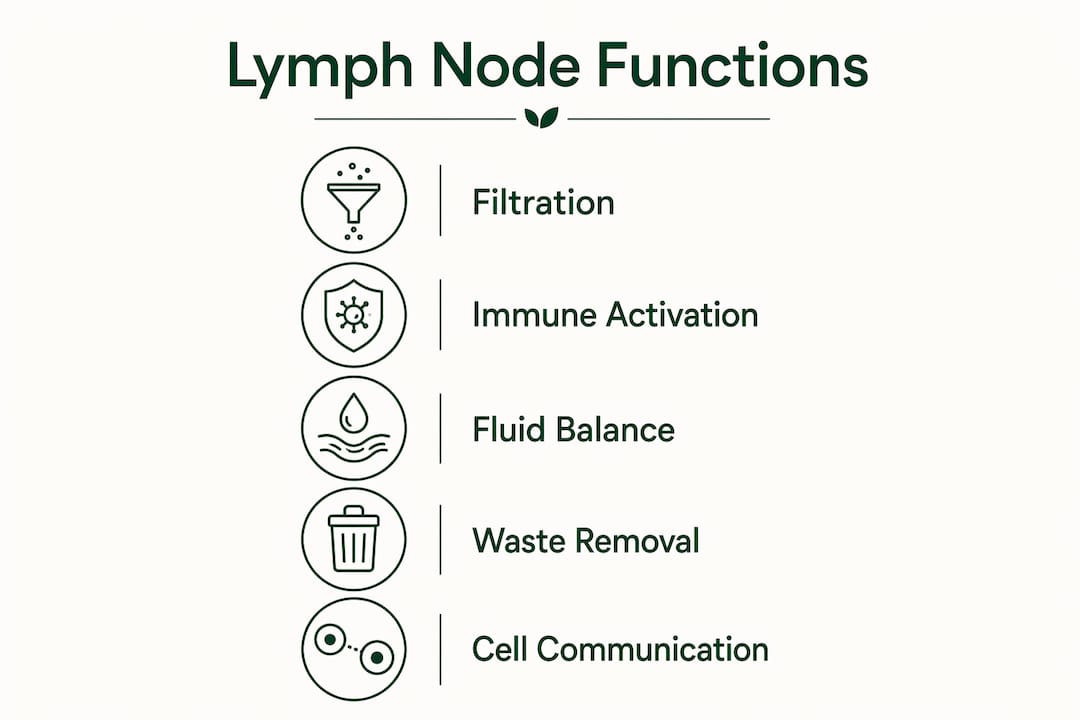
- Filter lymph fluid to remove bacteria, viruses, and cellular debris
- House immune cells including lymphocytes and macrophages that destroy threats
- Activate adaptive immunity by presenting antigens to T cells and B cells
- Detect and contain cancer cells before they spread further through the body
- Maintain fluid balance by returning excess interstitial fluid to the bloodstream
How the lymphatic system works and where lymph nodes fit in
The lymphatic system is one of the body’s most underappreciated networks. Running parallel to the circulatory system, it consists of lymphatic vessels, lymph nodes, and lymphoid organs including the spleen, thymus, and tonsils. Together, they manage fluid balance, absorb dietary fats from the gut, and coordinate immune surveillance across the entire body.
Lymph fluid originates as interstitial fluid, the liquid that leaks from blood capillaries into surrounding tissues. Lymphatic vessels collect this fluid and carry it through a series of lymph nodes before returning it to the bloodstream via the thoracic duct and the right lymphatic duct, both of which drain into the subclavian veins near the collarbone. The liver and intestinal lymphatics account for a majority of the body’s lymph volume, highlighting the gut’s central role in lymphatic function.
Key components of the lymphatic system include:
- Lymphatic capillaries that absorb interstitial fluid from tissues
- Collecting lymphatic vessels that transport fluid toward lymph nodes
- Lymph nodes that filter fluid and trigger immune responses
- Lymphoid organs (spleen, thymus, tonsils) that produce and mature immune cells
- The thoracic duct and right lymphatic duct that return filtered lymph to the bloodstream
What lymph nodes actually do for your immune health and wellness
Lymph nodes are the immune system’s checkpoints. Every litre of lymph fluid that passes through them gets screened for threats, and when something suspicious turns up, the node activates a targeted response.
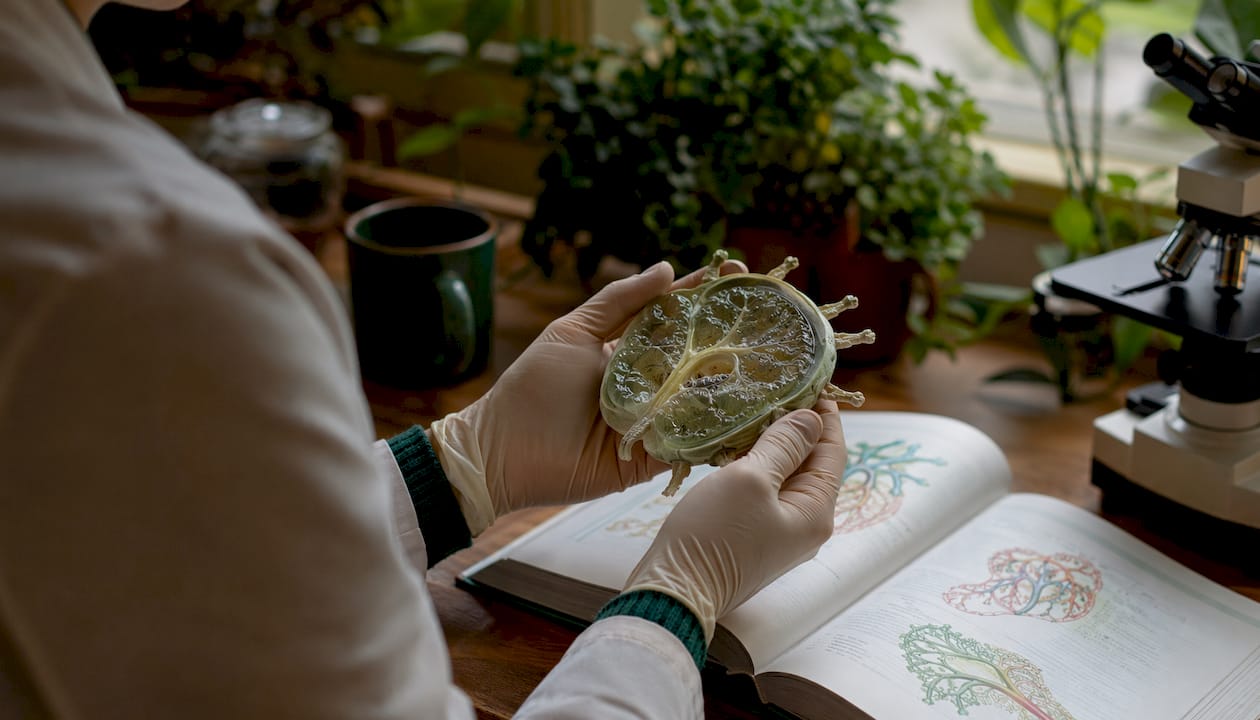
The primary function is filtration. As lymph fluid flows through a node, antigen-presenting cells including dendritic cells and macrophages capture pathogens and present fragments of them to T cells and B cells. This antigen presentation is what triggers the adaptive immune response, the body’s ability to produce antibodies and memory cells tailored to a specific threat. Without this process, your immune system would be stuck relying on generic defences alone.
Lymph nodes also play a direct role in cancer surveillance. Lymphatic tissues carry antigens and immune cells to nodes where abnormal cells can be identified and, ideally, destroyed before they spread. When cancer does metastasise via the lymphatic system, the pattern of lymph node involvement becomes one of the most reliable indicators of disease stage and prognosis.
Key functions of lymph nodes include:
- Pathogen capture via macrophages lining the lymph sinuses
- Antigen presentation to activate T cells and B cells in the paracortex and cortex
- Antibody production by activated B cells maturing into plasma cells
- Cancer cell detection through immune surveillance and lymph node biopsy staging
- Waste clearance by removing cellular debris and damaged proteins from lymph fluid
Pro Tip: Chronic stress suppresses lymphocyte activity, which means your lymph nodes become less effective at mounting immune responses. Managing stress through sleep, movement, and breathwork directly supports your lymphatic immune function.
Where lymph nodes are located and how they are structured
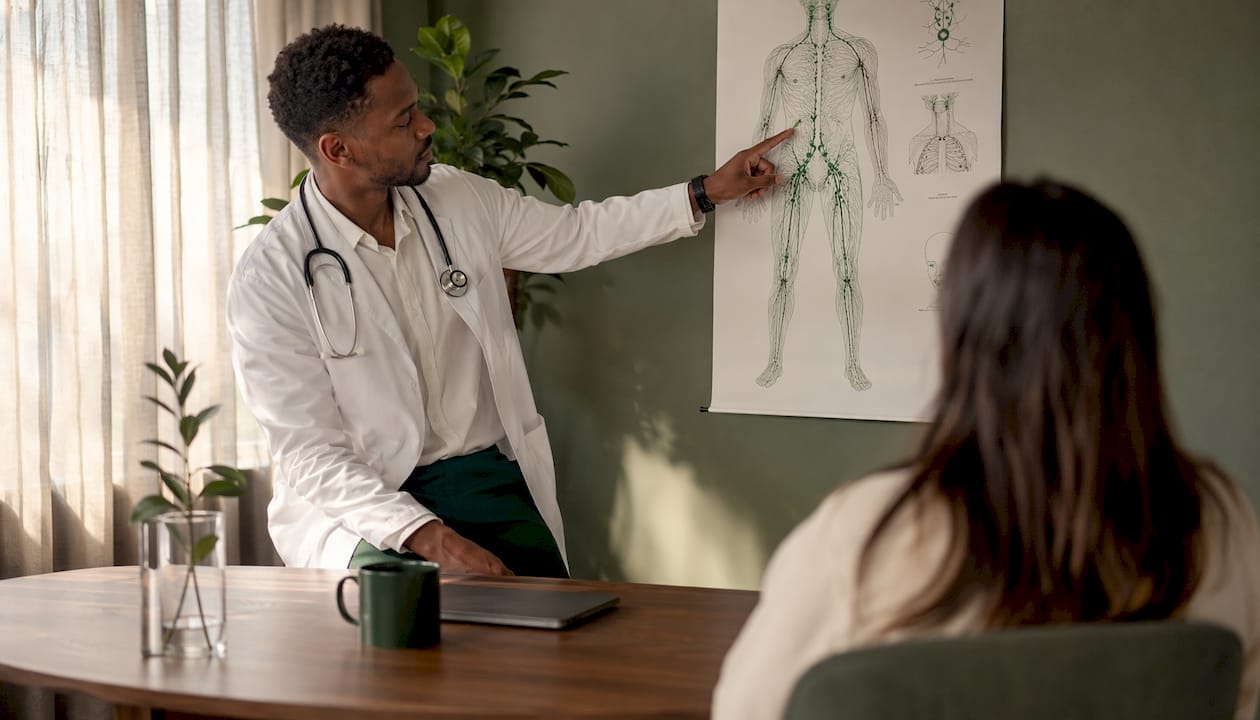
An adult carries approximately 800 lymph nodes distributed throughout the body, clustered most densely at sites where lymphatic vessels converge. The main clusters sit in the neck (cervical nodes), armpits (axillary nodes), groin (inguinal nodes), chest (thoracic nodes), and abdomen. This distribution is not random. Nodes concentrate near the body’s major entry points for infection and near organs that generate large volumes of lymph.
Structurally, each node is divided into three zones. The cortex contains follicles packed with B cells. The paracortex is where T cells interact with dendritic antigen-presenting cells, making it the site where adaptive immunity is triggered. The medulla contains a dense reticular meshwork housing macrophages, lymphocytes, and plasma cells. This architecture is precisely why lymph nodes can mount such targeted, efficient immune responses.
Major lymph node clusters and their locations:
- Cervical nodes in the neck, draining the head, throat, and upper respiratory tract
- Axillary nodes in the armpits, draining the arms, chest wall, and breast tissue
- Inguinal nodes in the groin, draining the legs and lower abdomen
- Mediastinal nodes in the chest, draining the lungs and oesophagus
- Mesenteric nodes in the abdomen, draining the intestines and digestive organs
Common conditions that affect lymph nodes
Lymph node swelling, known clinically as lymphadenopathy, is the most common sign that your lymphatic system is responding to a challenge. The swelling itself is not the problem. It reflects immune activity, usually against a bacterial or viral infection such as glandular fever, tonsillitis, or a common cold. Most swollen lymph nodes indicate active immune response rather than cancer, a distinction worth knowing because the fear of cancer is one of the most common reasons people seek urgent medical advice unnecessarily.
Lymphedema is a different matter. It occurs when lymphatic vessels are damaged or blocked, causing fluid to accumulate in tissues and produce persistent, often painful swelling. It can develop after cancer surgery, radiation therapy, or infection, and it requires specific clinical management rather than watchful waiting. Unlike the temporary swelling of lymphadenopathy, lymphedema tends to be chronic and progressive without treatment.
Warning signs and conditions to be aware of:
- Lymphadenopathy caused by viral infections (glandular fever, flu), bacterial infections (streptococcal throat, tuberculosis), or autoimmune conditions
- Lymphedema from damaged or obstructed lymphatic vessels, often following cancer treatment
- Lymphoma arising from malignant transformation of lymphocytes within lymph nodes or vessels
- Metastatic cancer spreading to regional lymph nodes from a primary tumour elsewhere
- Reactive lymphadenopathy as a normal immune response to vaccination or local skin infection
You can explore the natural causes of swollen nodes in more detail if you want to understand what is typically driving the swelling before you see a doctor.
Practical ways to keep your lymph nodes and lymphatic system healthy
The lymphatic system has no central pump. Unlike the cardiovascular system, which relies on the heart, lymph fluid moves through the body via muscle contractions and deep breathing. A sedentary lifestyle is one of the most direct ways to impair lymphatic flow, because without movement, fluid stagnates in the vessels and nodes become less efficient at filtering.
Regular physical activity, even brisk walking for 30 minutes a day, stimulates the muscle contractions that propel lymph through the vessels. Deep diaphragmatic breathing creates pressure changes in the chest cavity that actively draw lymph upward toward the thoracic duct. Hydration matters too: lymph fluid is roughly 95% water, and dehydration thickens it, slowing filtration and reducing the efficiency of immune surveillance.
For people managing lymphedema or post-surgical lymphatic impairment, clinical therapies offer more targeted support. Complex decongestive physiotherapy combines manual lymphatic drainage, compression bandaging, skin care, and therapeutic exercise into a structured treatment programme. Compression stockings providing appropriate pressure are a standard component of lymphedema management. Manual lymphatic drainage uses gentle, rhythmic massage strokes to redirect lymph fluid away from congested areas, but it must be performed by a qualified practitioner and used alongside, not instead of, compression and exercise.
For healthy individuals, formal drainage treatments are generally unnecessary. The body maintains lymphatic flow adequately through normal activity, hydration, and a balanced diet. Avoiding chronic exposure to environmental toxins, including pesticides, also supports the lymphatic system’s filtration capacity over the long term.
Lifestyle habits that support lymphatic health:
- Daily movement such as walking, swimming, or yoga to stimulate lymph propulsion
- Deep breathing exercises to create thoracic pressure changes that move lymph
- Adequate hydration to maintain fluid viscosity and filtration efficiency
- A diet rich in vegetables, fruits, and healthy fats to reduce inflammatory load
- Dry body brushing using upward strokes toward the heart to stimulate superficial lymphatic vessels
- Limiting alcohol and processed foods that increase the toxic load the lymphatic system must clear
- Compression stockings (30–40 mm Hg) for clinically indicated lymphedema management
Pro Tip: When self-massaging to support lymphatic flow, always work from the centre of the body outward and then back toward the lymph node clusters. Never apply deep pressure over a swollen node, and stop immediately if you feel pain. If you have a cancer history or active infection, consult a qualified lymphatic therapist before starting any massage routine.
When should you seek medical advice for lymph node concerns?
Temporary swelling during an infection is normal and usually resolves within a few weeks as the immune response winds down. The point at which you should see a GP is when swelling persists beyond two to three weeks without an obvious cause, when nodes feel hard or fixed rather than soft and mobile, or when swelling is accompanied by systemic symptoms.
Diagnostic methods your doctor may use include ultrasound imaging, positron emission tomography combined with computed tomography (PET-CT) for whole-body assessment, endoscopic ultrasound with fine-needle aspiration (FNA) for deeper nodes, and elastography for nodes that cannot be safely biopsied. Fine-needle aspiration has been shown to carry up to 85% sensitivity and 100% specificity in detecting and staging malignancy, making it a reliable first-line investigation for suspicious lymphadenopathy.
Signs that warrant prompt medical evaluation:
- Swelling lasting more than two to three weeks without a clear infectious cause
- Nodes that feel hard, rubbery, or fixed to surrounding tissue
- Unexplained weight loss, night sweats, or persistent fever alongside swollen nodes
- Swelling in a single region that continues to grow rather than resolve
- Skin changes over a node, such as redness or warmth, suggesting possible abscess
- Difficulty swallowing or breathing caused by enlarged nodes in the neck or chest
Natural and herbal approaches to lymphatic wellness in the UK
Traditional herbal practice has long recognised plants with properties that may support lymphatic tissue and fluid movement. In the UK, this sits within a broader tradition of botanical medicine that complements, rather than replaces, clinical care. Herbs such as cleavers (Galium aparine), red clover (Trifolium pratense), and calendula (Calendula officinalis) have been used historically to support lymphatic circulation and reduce tissue congestion, though their use should always be guided by a qualified medical herbalist registered with the National Institute of Medical Herbalists (NIMH).
Poke root (Phytolacca americana) infused in organic castor oil is one of the more specific traditional preparations associated with lymphatic support. Castor oil applied topically has a long history of use in supporting lymphatic drainage and reducing localised inflammation, and it forms the basis of several products in Getgutted’s range. The herbal lymph massage approach combines botanical oils with gentle manual techniques to support fluid movement without the clinical intensity of formal lymphatic drainage therapy.
UK clinical guidance from Macmillan Cancer Support is clear that manual lymphatic drainage must be performed by trained practitioners and should complement, not replace, established treatments such as compression and exercise. This applies equally to herbal and natural therapies: they work best as part of a broader lifestyle approach rather than as standalone solutions.
Practical tips for integrating natural lymphatic support into your routine:
- Choose a qualified practitioner registered with the NIMH or the Complementary and Natural Healthcare Council (CNHC) for herbal consultations
- Use topical herbal oils such as castor oil preparations with gentle upward massage strokes toward lymph node clusters
- Combine herbal support with movement since no topical remedy compensates for physical inactivity
- Prioritise anti-inflammatory foods including turmeric, ginger, and leafy greens alongside any herbal protocol
- Avoid self-prescribing concentrated herbal extracts without professional guidance, particularly if you are on medication or have a diagnosed condition
Pro Tip: When selecting a practitioner for lymphatic massage or herbal therapy in the UK, check that they hold a recognised qualification and are registered with either the CNHC or NIMH. These registers are publicly searchable and provide a straightforward way to verify credentials before your first appointment.
You can find evidence-based natural support for the lymphatic system, or explore Getgutted’s curated wellness kits designed to bring traditional herbal lymphatic support into your daily routine.

Key takeaways
Lymph nodes are the immune system’s primary filtering and activation centres, and supporting them through movement, hydration, and appropriate therapy directly improves your body’s ability to defend itself and maintain fluid balance.
| Point | Details |
|---|---|
| Lymph nodes filter and activate | They remove pathogens and activate T cells and B cells to mount targeted immune responses. |
| Adults carry approximately 800 lymph nodes | These cluster in the neck, armpits, groin, chest, and abdomen, each with a distinct drainage zone. |
| Movement drives lymph flow | The lymphatic system has no pump; muscle contractions and deep breathing are what keep fluid moving. |
| Swelling is usually immune activity | Most swollen nodes reflect infection response, not cancer; persistent swelling beyond two to three weeks warrants a GP visit. |
| Natural support complements clinical care | Herbal oils, massage, and lifestyle habits support lymphatic health best when combined with adequate hydration, activity, and qualified guidance. |