

Design a lymphatic support wellness programme
A lymphatic support wellness programme is a structured set of daily habits, dietary choices, and natural techniques that improve fluid circulation, reduce inflammation, and support the body’s immune function. The lymphatic system has no pump of its own. It depends entirely on movement, breathing, and hydration to keep fluid moving. When you design a lymphatic support wellness programme with those facts in mind, you get results that are measurable and sustainable. Research shows that consistent daily habits produce meaningful improvements in energy and digestion within 4–6 weeks, with full effect at 8–12 weeks. This guide gives you the exact framework to build that programme from scratch.
What does an effective lymphatic support wellness programme include?
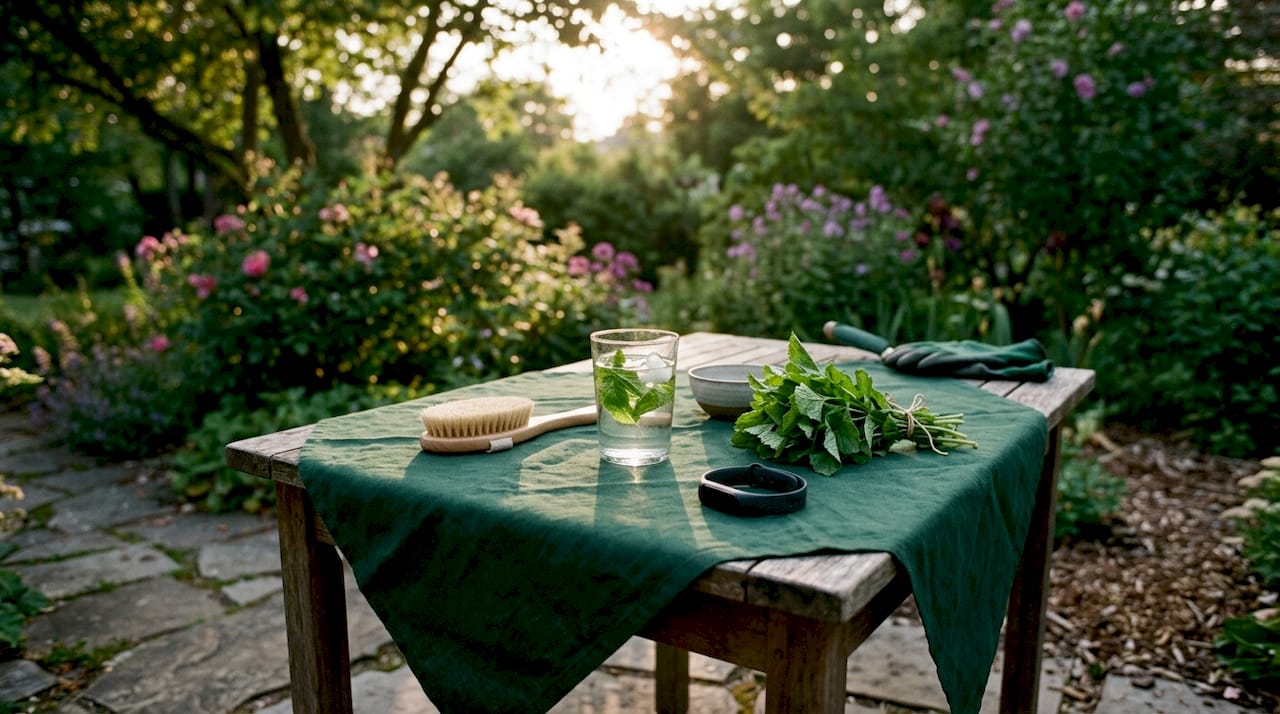
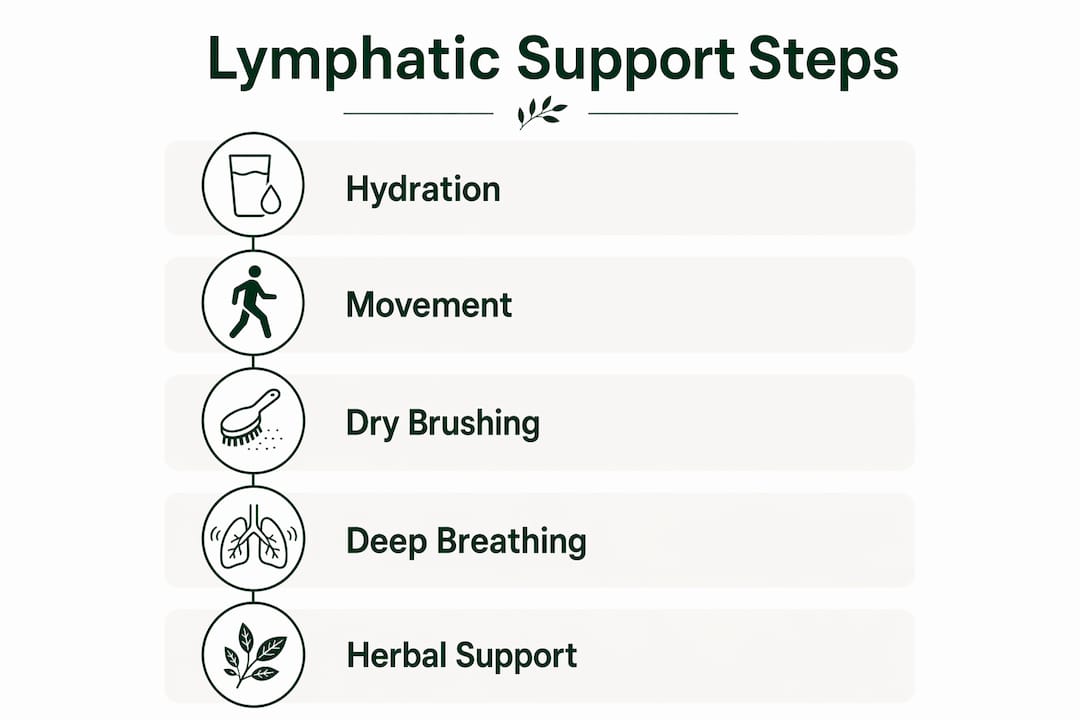
The foundation of any lymphatic health programme rests on five pillars: hydration, movement, dry brushing, deep breathing, and herbal support. Each one activates a different mechanism that keeps lymph fluid moving through the body’s vessels and nodes.
Hydration
Lymphatic fluid is 95% water. Without steady hydration, lymph becomes thick and sluggish, which slows waste clearance and increases puffiness. A practical target is 2–3 litres of water daily, ideally with electrolytes to support cellular absorption. You can gauge your hydration by bathroom frequency. Visiting the bathroom every 1–2 hours is a reliable sign that your fluid intake is adequate.
Movement
The lymphatic system relies on skeletal muscle contractions to push fluid through its one-way valves. Walking, gentle stretching, and rebounding all activate this pump mechanism. Rebounding for 10 minutes enhances lymphatic flow by 58% in healthy adults by promoting valve opening through rhythmic gravity changes. That figure makes rebounding one of the most time-efficient tools in any natural lymphatic wellness programme.
Dry brushing
Dry brushing stimulates the superficial lymphatic vessels just beneath the skin. The technique uses a firm natural-bristle brush applied in long strokes toward the heart, starting at the feet and working upward. Five minutes before your morning shower is the standard timing. Resting 1–2 days weekly from dry brushing allows the skin to recover and prevents irritation.
Deep belly breathing
The thoracic duct, the body’s largest lymphatic vessel, runs through the chest cavity. Deep diaphragmatic breathing creates pressure changes that act as a pump for this duct. Practising 3–5 minutes of slow belly breathing, 2–3 times daily, is a low-cost technique with a measurable effect on lymph flow.
Herbal supplementation
Botanical blends containing herbs such as cleavers, red clover, and burdock root have a long history of use in supporting lymphatic drainage. Multi-herb lymph cleanse supplements are most effective when cycled 6–8 weeks on and 2 weeks off to prevent kidney stress and maintain responsiveness. Getgutted formulates its herbal blends with this cycling principle in mind, using small-batch production and strict ingredient standards.
Pro Tip: Start with hydration and movement before adding dry brushing or herbal supplements. Building habits in layers prevents overwhelm and makes it easier to identify what is working.
| Pillar | Daily target | Primary benefit |
|---|---|---|
| Hydration | 2–3 litres with electrolytes | Keeps lymph fluid thin and mobile |
| Movement | 30 minutes low-impact cardio | Activates muscle-driven lymph pumps |
| Dry brushing | 5 minutes before shower | Stimulates superficial lymph vessels |
| Deep breathing | 3–5 minutes, 2–3 times daily | Pumps the thoracic duct |
| Herbal blends | Cycled 6–8 weeks on, 2 weeks off | Supports drainage and reduces congestion |
How to create a daily lymphatic support routine
Building a lymphatic support routine that sticks requires scheduling each pillar at a specific time of day. Vague intentions do not become habits. Fixed time slots do.
Morning: the activation window
Start with 16 oz (approximately 500 ml) of water immediately upon waking. This rehydrates the body after sleep and begins thinning lymph fluid before you move. Follow with 5 minutes of dry brushing before your shower, working from feet to heart in long, firm strokes. Finish your shower with a 30-second cold rinse to encourage circulation.
Mid-morning: movement
Schedule 20–30 minutes of low-impact movement between 9 AM and 11 AM. Walking outdoors, a rebounding session, or a gentle yoga flow all qualify. This is the most important block in the day because it activates the lymphatic pump when the body is already warmed up from morning activity.
Afternoon: breathing and hydration check
By early afternoon, most people have fallen behind on water intake. Set a reminder to drink 500 ml and follow it with a 3–5 minute deep belly breathing session. Sit upright, place one hand on your abdomen, and breathe so that your hand rises with each inhale. This simple check-in prevents the afternoon sluggishness that often signals lymphatic stagnation.
Evening: herbal support and wind-down
Take herbal lymphatic supplements with your evening meal, following the cycling schedule recommended on the product. Getgutted’s herbal lymphatic blends are designed to work with the body’s natural overnight repair processes. End the day with 5 minutes of gentle leg elevation, lying on your back with legs raised against a wall, to encourage gravity-assisted drainage from the lower limbs.
Pro Tip: If you have less than 30 minutes in the morning, combine dry brushing and deep breathing into a single 8-minute session. Consistency over perfection is the rule that produces results.
A structured schedule matters because missing more than 2 days weekly delays results by 30–50%. That is not a minor setback. It is the difference between seeing change in 6 weeks and waiting 12 or more.
Which dietary and lifestyle habits best support lymphatic health?
Diet directly affects the viscosity and flow of lymphatic fluid. Certain foods thin lymph and reduce inflammation, while others thicken it and create congestion.
Foods that actively support lymph flow include:
- Leafy greens such as spinach, kale, and watercress, which provide chlorophyll and support detoxification pathways
- Berries including blueberries and elderberries, which are rich in antioxidants that reduce lymphatic inflammation
- Omega-3 rich fats from oily fish, flaxseed, and walnuts, which reduce systemic inflammation and support vessel integrity
- Herbal teas such as cleavers, red clover, and dandelion root, which have diuretic and lymph-moving properties
- Citrus fruits, which provide vitamin C to strengthen lymphatic vessel walls
Foods and habits that slow lymph flow include high-sodium processed foods, excess alcohol, and refined sugars. These substances draw water into tissues, increase inflammation, and thicken lymph fluid. Reducing them is not optional in a well-designed programme. It is the prerequisite for the other pillars to work.
Beyond food, two lifestyle practices add measurable benefit. Contrast showers increase lymphatic drainage and reduce inflammation markers by 23%, though cardiovascular safety checks are advisable before starting. Alternating 2–3 minutes of warm water with 30 seconds of cold, repeated three times, is the standard protocol. Gentle yoga, particularly inversions and twists, also encourages lymph movement through the torso and limbs.
| Supports lymph flow | Slows lymph flow |
|---|---|
| Leafy greens, berries, citrus | High-sodium processed foods |
| Omega-3 fats, oily fish | Refined sugars and sweeteners |
| Herbal teas (cleavers, dandelion) | Excess alcohol |
| Adequate water with electrolytes | Dehydration and caffeine excess |
| Contrast showers, gentle yoga | Prolonged sitting or inactivity |
How do you troubleshoot and safely adapt your programme?
Even a well-designed programme needs adjustment. Knowing the warning signs and the safe limits protects you from harm and keeps progress on track.
Common signs that your lymphatic programme needs attention include:
- Persistent puffiness in the face, ankles, or hands that does not improve after 2 weeks of consistent practice
- Fatigue that worsens rather than improves after starting a new herbal supplement
- Skin irritation or redness from dry brushing, which signals that you are pressing too hard or brushing too frequently
- Digestive discomfort when beginning herbal blends, which often resolves by reducing the dose and building up gradually
Manual lymphatic drainage is medically indicated for lymphoedema, but healthy individuals benefit most from consistent lifestyle habits rather than clinical massage. This distinction matters because self-massage carried out incorrectly can cause harm. When massaging lymph nodes manually, use very light pressure and avoid inflamed, painful, or surgically affected areas entirely.
Persistent swelling or fluid retention requires consultation with a GP or certified therapist before any self-massage practice. Swelling can indicate conditions that self-care cannot address and may mask serious underlying issues.
“The lymphatic system is not a drain you can unblock with a brush and a herbal tea. Consistent movement, steady hydration, and professional guidance when symptoms persist are the tools that actually work. Anything that promises faster results without those foundations is selling you a shortcut that does not exist.”
Rest days are not optional. A safe programme includes 1–2 rest days weekly from dry brushing to allow skin recovery. Herbal blends follow the same logic. Cycling 6–8 weeks on and 2 weeks off prevents kidney stress and keeps the body responsive to the herbs over time.
Key takeaways
A well-designed lymphatic support wellness programme requires daily hydration, consistent movement, dry brushing, deep breathing, and cycled herbal supplementation to produce lasting improvements in fluid circulation and inflammation.
| Point | Details |
|---|---|
| Hydration is the foundation | Drink 2–3 litres daily with electrolytes to keep lymph fluid thin and mobile. |
| Rebounding outperforms walking | Ten minutes of rebounding increases lymphatic flow by 58%, making it the most efficient movement choice. |
| Cycle herbal supplements | Use herbal blends for 6–8 weeks, then rest for 2 weeks to prevent kidney stress. |
| Consistency determines results | Missing more than 2 days weekly delays results by 30–50%, so schedule each pillar at a fixed time. |
| Seek professional advice for swelling | Persistent fluid retention requires GP consultation before any self-massage or intensive programme. |
Why small daily habits beat lymphatic “detox” cleanses
I have spent years watching people chase dramatic lymphatic detox results with week-long cleanses, expensive gadgets, and social media protocols that promise visible change in 48 hours. The pattern is always the same. A burst of effort, a brief sense of improvement, and then a return to baseline because nothing in the daily routine actually changed.
The evidence on lymphatic drainage is clear. Healthy individuals benefit far more from steady lifestyle habits than from short-term interventions. The lymphatic system is not designed to respond to dramatic one-off inputs. It responds to repetition, consistency, and the cumulative effect of small daily actions.
What I have found genuinely useful is treating the five pillars as non-negotiable minimums rather than aspirational goals. You do not need to do them perfectly. You need to do them most days. The 4–6 week window for initial improvement is real, but only if you show up consistently. I have also learned to be sceptical of any programme that does not include rest days. The body adapts during recovery, not during effort.
The most common mistake I see is adding too many elements at once. Start with hydration and one movement practice. Add dry brushing in week two. Introduce herbal support in week three. That layered approach is far more sustainable than attempting the full programme on day one and abandoning it by day five.
— Mabel
Getgutted wellness kits: built for your lymphatic routine
Getgutted designs its wellness kits specifically for people building a natural lymphatic support routine. Each kit combines herbal blends formulated for lymphatic drainage with practical tools, all produced in small batches with strict ingredient standards. The herbal oils, including poke root oil infused with organic castor oil, are rooted in ancestral plant medicine and backed by the cycling principles outlined in this guide. If you are ready to move from planning to practice, Getgutted’s wellness kits give you a quality-assured starting point that fits directly into the daily routine described here. Explore the full range at getgutted.co.
FAQ
What is a lymphatic support wellness programme?
A lymphatic support wellness programme is a structured daily routine combining hydration, movement, dry brushing, deep breathing, and herbal supplementation to improve lymph flow and reduce inflammation naturally.
How long does it take to see results from a lymphatic health programme?
Initial improvements in energy and digestion appear within 4–6 weeks of consistent practice, with full effect typically reached at 8–12 weeks.
Is dry brushing safe for everyone?
Dry brushing is safe for most people when done with light pressure and natural bristles, but those with sensitive skin, eczema, or open wounds should avoid it and consult a GP before starting.
Can diet alone support the lymphatic system?
Diet supports lymph flow significantly, but movement is the primary driver because the lymphatic system has no pump and depends on muscle contractions to circulate fluid. Diet and movement work best together.
When should I see a doctor about lymphatic symptoms?
Persistent swelling or fluid retention that does not improve with lifestyle changes requires GP consultation, as it may indicate lymphoedema or another condition that needs clinical assessment.