

Herbal Oil Infusion: Restoring Balance Naturally
Most british women searching for natural relief from hormonal swings and inflammation are discovering the ancient art of herbal oil infusions. This method, rooted in centuries-old holistic traditions, offers a gentle yet powerful way to support mind and body wellness. With over 60 percent of british adults turning to herbal remedies for self-care, learning how herbal oil infusions are made unlocks new possibilities for tailored, effective routines backed by proven botanical wisdom.
Key Takeaways
| Point | Details |
|---|---|
| Herbal Oil Infusion Technique | Utilises a meticulous process to extract therapeutic compounds from medicinal plants using carrier oils like olive and sunflower. |
| Importance of Quality Ingredients | Always select organic, high-quality herbs to ensure the effectiveness and safety of herbal oil infusions. |
| Extraction Method Choices | Both traditional and modern extraction methods have their advantages, impacting potency and extraction time. |
| Risks and Safety Measures | Be vigilant about moisture contamination and oxidation to maintain the integrity of the herbal oils. |
Herbal Oil Infusion Explained Clearly
Herbal oil infusion is an ancient botanical technique designed to extract concentrated therapeutic compounds from medicinal plants through a precise oil extraction process. This traditional method involves soaking plant materials in carefully selected carrier oils to draw out their potent healing properties and create powerful natural remedies.

The infusion process requires selecting high-quality dried or fresh medicinal herbs and combining them with nutrient-rich carrier oils like olive or sunflower. Herbal infusions are typically created by allowing plant materials to steep in oil over several weeks, which enables a gradual and comprehensive extraction of bioactive compounds. The slow infusion technique ensures that delicate plant molecules remain intact, preserving their therapeutic potential.
Typical carrier oils used in herbal infusions include:
- Olive oil: Rich in antioxidants and deeply nourishing
- Sunflower oil: Light and easily absorbed by skin
- Almond oil: Excellent for sensitive skin types
- Jojoba oil: Closest to human sebum, promoting seamless absorption
Pro Tip for Herbal Oil Infusion: Always use organic, high-quality herbs and store your infused oils in dark glass containers away from direct sunlight to maintain their potency and prevent oxidation.
Successful herbal oil infusions depend on meticulous preparation, careful ingredient selection, and patience during the extraction process. By understanding these fundamental principles, you can create powerful natural wellness solutions tailored to your specific health needs.
Here is a summary of popular carrier oils and their ideal uses in herbal infusions:
| Carrier Oil | Best Suited For | Notable Characteristics |
|---|---|---|
| Olive | Deep moisturisation | Rich in antioxidants |
| Sunflower | Quick-absorbing facial oils | Lightweight texture |
| Almond | Sensitive, delicate skin blends | Soothes and softens |
| Jojoba | Acne-prone or oily skin formulas | Similar to natural skin oils |
Traditional Methods Versus Modern Approaches
Herbal oil extraction has evolved significantly, with traditional and modern techniques each offering unique advantages in preserving botanical compounds. Traditional methods like decoction and maceration have long involved boiling or soaking herbs in oils, relying on time-honoured techniques passed down through generations of herbal practitioners.
Traditional Extraction Methods typically include:
- Steam distillation
- Cold infusion
- Solar infusion
- Maceration techniques
Modern extraction techniques now incorporate advanced technologies like supercritical CO₂ extraction and vacuum distillation, dramatically improving compound yield and purity. These contemporary approaches prioritise scientific precision and efficiency, allowing for more concentrated and potent herbal preparations.
Key differences between traditional and modern approaches include extraction time, compound concentration, and technological complexity. While traditional methods might take weeks and produce variable results, modern techniques can extract compounds with remarkable speed and consistency. This technological evolution allows for more predictable and standardised herbal oil production.
Pro Tip for Herbal Oil Extraction: Research and understand the specific extraction method most suitable for your chosen herbs, as different botanical materials respond differently to various extraction techniques.
Ultimately, both traditional and modern approaches offer valuable insights into herbal oil preparation, with each method contributing unique benefits to the complex world of botanical medicine.
Here is a comparison of traditional versus modern herbal oil extraction methods:
| Aspect | Traditional Techniques | Modern Techniques |
|---|---|---|
| Equipment Complexity | Basic, often manual | Advanced, high-tech machinery |
| Extraction Time | Several days to weeks | Minutes to hours |
| Compound Concentration | Variable, often less potent | Highly concentrated, very potent |
| Consistency | Results may vary batch to batch | Highly standardised outcomes |
| Historical Use | Centuries of application | Developed in recent decades |
Key Botanicals and Their Therapeutic Benefits
Herbal maceration techniques have long demonstrated remarkable potential for preserving powerful botanical compounds, with specific medicinal plants offering targeted therapeutic benefits. The art of selecting and combining the right botanicals can transform a simple oil infusion into a potent healing remedy that supports holistic wellness.
Medicinal Botanicals with exceptional therapeutic properties include:
- Arnica: Renowned for reducing muscle inflammation
- Calendula: Supports skin healing and regeneration
- Comfrey: Accelerates tissue repair
- Sage: Enhances antioxidant activity
- Basil: Provides anti-inflammatory support
Specific medicinal plants like arnica, calendula, and comfrey are particularly valuable in herbal oil infusions due to their concentrated anti-inflammatory and healing properties. These botanicals work synergistically to support the body’s natural restoration processes, addressing both physical discomfort and cellular regeneration.
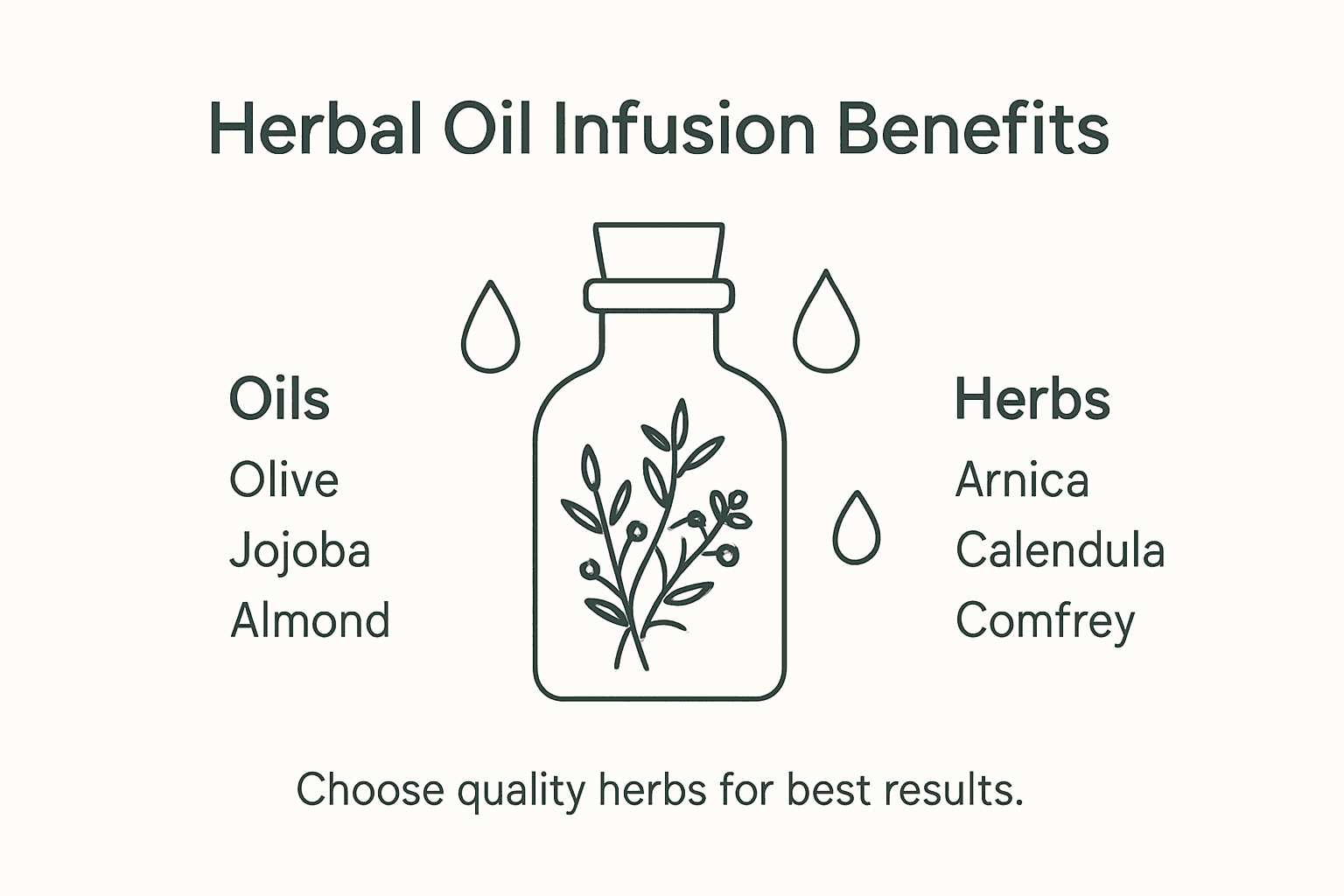
The selection of botanical ingredients requires careful consideration of their individual therapeutic profiles and potential interactions. Some herbs complement each other beautifully, creating complex healing formulations that address multiple wellness concerns simultaneously.
Pro Tip for Botanical Selection: Always source organic, high-quality herbs from reputable suppliers and understand each botanical’s specific therapeutic mechanism before creating your herbal oil infusion.
By understanding the unique properties of different medicinal plants, you can craft personalised herbal oil infusions that provide targeted support for your specific wellness needs.
DIY Infusion Process: Step By Step
Creating a herbal oil infusion requires careful preparation and patience, with two primary methods offering distinct advantages for extracting botanical compounds: solar and hot infusion techniques. Understanding these methods enables you to craft potent, therapeutic herbal oils tailored to your wellness needs.
Solar Infusion Method:
- Select high-quality dried or fresh herbs
- Choose an organic carrier oil (olive, jojoba, or almond)
- Fill a clean glass jar 1/3 full with herbs
- Cover completely with carrier oil
- Seal jar and place in direct sunlight
- Shake jar gently every few days
- Allow to infuse for 4-8 weeks
For those seeking a faster extraction, hot infusion techniques offer an alternative approach to creating herbal oils. This method involves carefully heating carrier oils with powdered herbs, maintaining temperatures below 140°F to preserve therapeutic properties. Hot infusion typically takes 30-60 minutes, making it ideal for those wanting quicker results.
Key considerations for successful herbal oil infusion include selecting fresh, high-quality botanical materials, using clean equipment, and maintaining consistent temperature control throughout the extraction process. Each method offers unique benefits, with solar infusion providing a gentler, more traditional approach and hot infusion delivering more rapid results.
Pro Tip for Herbal Oil Infusion: Always use sterilised glass containers and strain your infused oils through fine muslin cloth to remove plant material, ensuring a pure and clean final product.
By mastering these infusion techniques, you can create personalised herbal oils that support your natural wellness journey, harnessing the powerful therapeutic potential of botanical extracts.
Risks, Safety, and Common Mistakes
Improper extraction techniques can significantly compromise the therapeutic effectiveness of herbal oil infusions, making it crucial to understand potential risks and preventative strategies. Navigating the herbal infusion process requires meticulous attention to detail and a comprehensive understanding of botanical preservation techniques.
Common Risks in Herbal Oil Infusion:
- Moisture contamination
- Mold growth
- Oxidation of carrier oils
- Loss of therapeutic compounds
- Bacterial proliferation
Fresh herbs require careful preparation to prevent moisture-related complications during the infusion process, with proper drying being a critical initial step. Moisture introduction can rapidly lead to mould development, rendering entire batches of herbal oil unusable and potentially hazardous to health.
Quality control involves multiple preventative measures, including selecting premium botanical materials, ensuring complete herb dehydration, using sterilised equipment, and maintaining appropriate storage conditions. Temperature, light exposure, and container selection play pivotal roles in preserving the integrity of herbal oil infusions.
Pro Tip for Safety: Always perform a small patch test when using new herbal oil infusions and consult with a healthcare professional if you have pre-existing skin sensitivities or medical conditions.
By understanding these potential risks and implementing rigorous preparation techniques, you can create safe, effective herbal oil infusions that support your wellness journey while minimising potential complications.
Unlock the Power of Herbal Oil Infusions with Gutted™ Natural Remedies
If you are inspired by the ancient art of herbal oil infusion and seek effective ways to restore your body’s natural balance, Gutted™ offers expertly handcrafted solutions rooted in traditional wisdom and modern self-care. Many readers of this article are searching for natural methods to relieve stagnation, detox gently, and nourish their skin and body with potent botanicals such as arnica, calendula and poke root. These key challenges—long infusion times, preserving therapeutic compounds, and ensuring purity—are precisely addressed by our small-batch oils.
Explore our Organic Root Oil Range – Gutted. Each blend carefully combines nutrient-rich carrier oils with wild-harvested herbs for maximum healing potential. With every bottle handmade in London, you benefit from high quality, authentic formulations designed to support your wellness journey. Start reconnecting with your body’s healing intelligence today by visiting https://getgutted.co and choosing your perfect herbal infusion.
Embrace natural wellness crafted with care and tradition. Your body deserves remedies as balanced and potent as nature intended.
Frequently Asked Questions
What is herbal oil infusion?
Herbal oil infusion is a method of extracting therapeutic compounds from medicinal plants by soaking them in carrier oils, enabling the creation of powerful natural remedies.
How do I create a herbal oil infusion at home?
You can create a herbal oil infusion by selecting high-quality herbs, combining them with a carrier oil in a jar, sealing the jar, and allowing it to infuse in sunlight for 4-8 weeks or using a hot infusion method for quicker results.
What are the best carrier oils for herbal infusions?
Common carrier oils used for herbal infusions include olive oil, sunflower oil, almond oil, and jojoba oil, each offering unique benefits based on their characteristics.
What therapeutic benefits do specific herbs provide in oil infusions?
Certain herbs like arnica, calendula, and comfrey offer targeted therapeutic benefits such as reducing inflammation, supporting skin healing, and accelerating tissue repair, making them ideal for herbal oil infusions.