

Herbal Body Oil: Restore Balance Naturally
Over 40 percent of british adults report growing interest in plant-based wellness solutions every year. There is a clear shift toward natural self-care, yet many people feel uncertain when it comes to understanding herbal body oils. These botanical blends harness potent extracts for holistic balance, offering a gentle alternative to synthetic products. Discover how herbal body oil supports personal wellness and why it continues to gain popularity among those seeking trusted, natural remedies.
Key Takeaways
| Point | Details |
|---|---|
| Herbal Body Oil Benefits | Herbal body oils harness the healing properties of botanical extracts, offering anti-inflammatory, antimicrobial, and antioxidant effects. |
| Types of Oils | Essential oils and carrier oils provide diverse therapeutic benefits, from emotional support to skin nourishment. |
| Restoring Balance | These oils promote wellness by interacting with the body’s systems to reduce inflammation and enhance cellular communication. |
| Safety Precautions | Consumers should prioritise informed choices, including thorough research, patch testing, and sourcing from reputable suppliers. |
What Is Herbal Body Oil?
Herbal body oil is a natural wellness solution crafted from potent plant extracts designed to support holistic healing. Extracted through specialised techniques like cold pressing and steam distillation, these botanical oils represent a powerful intersection between traditional herbal wisdom and modern self-care practices.
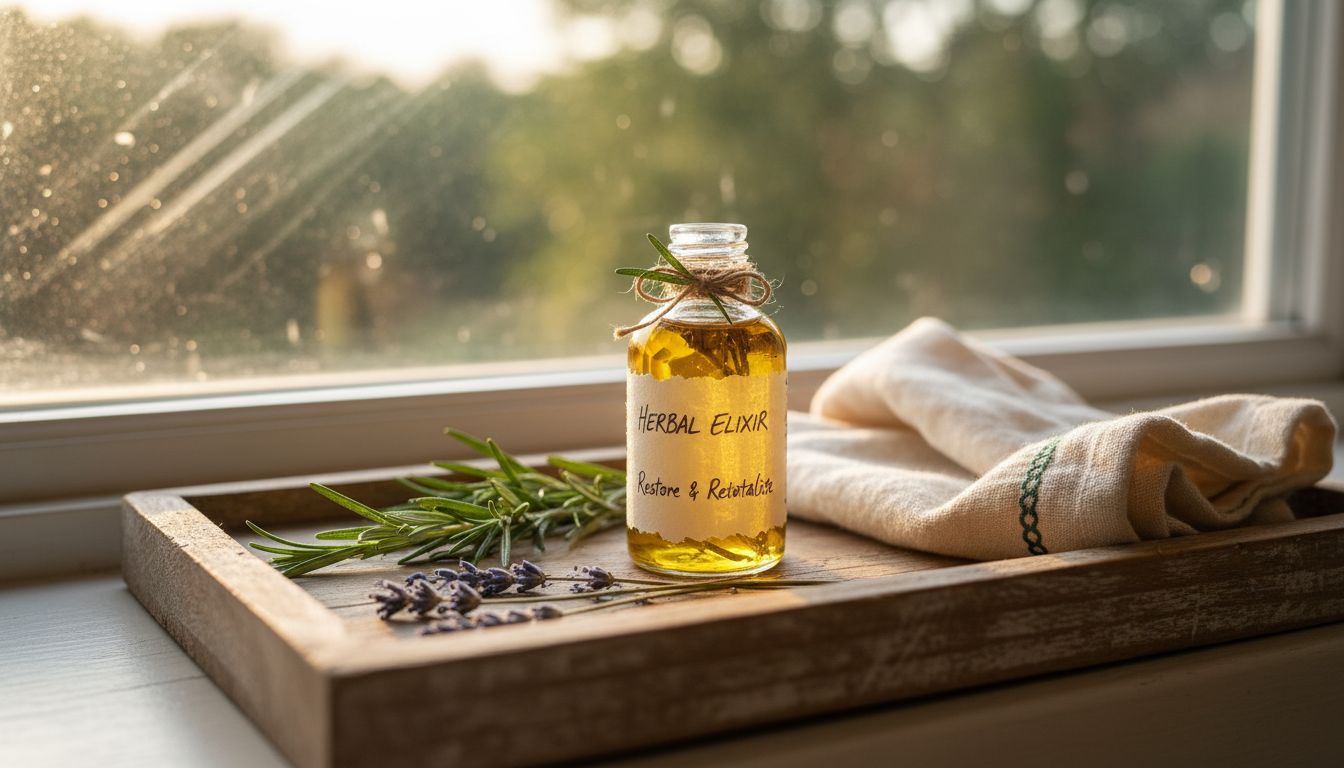
At its core, herbal body oil contains concentrated botanical compounds sourced from various plant parts including leaves, roots, flowers, and seeds. These oils are rich in bioactive compounds with remarkable therapeutic properties such as anti-inflammatory, antimicrobial, and antioxidant effects. Gentle extraction methods preserve the delicate nutrients and biostimulants inherent in each botanical ingredient, ensuring maximum potency and efficacy.
The composition of herbal body oils varies depending on the specific plants used, but they typically share several key characteristics:
- Nutrient-dense botanical extracts
- Natural, chemical-free formulations
- Targeted support for specific wellness needs
- Holistic approach to body care
By harnessing the intrinsic healing intelligence of plants, herbal body oils offer a natural pathway to restoring bodily balance and supporting overall wellness. Whether used for lymphatic drainage, hormonal support, or general self-care, these potent botanical preparations represent a sophisticated approach to natural health management.
Types Of Herbal Body Oils
Herbal body oils represent a diverse spectrum of botanical extracts, each offering unique therapeutic properties and wellness benefits. Essential oils and carrier oils form the primary categories of herbal body oils, providing holistic solutions for skin care, emotional balance, and natural healing.
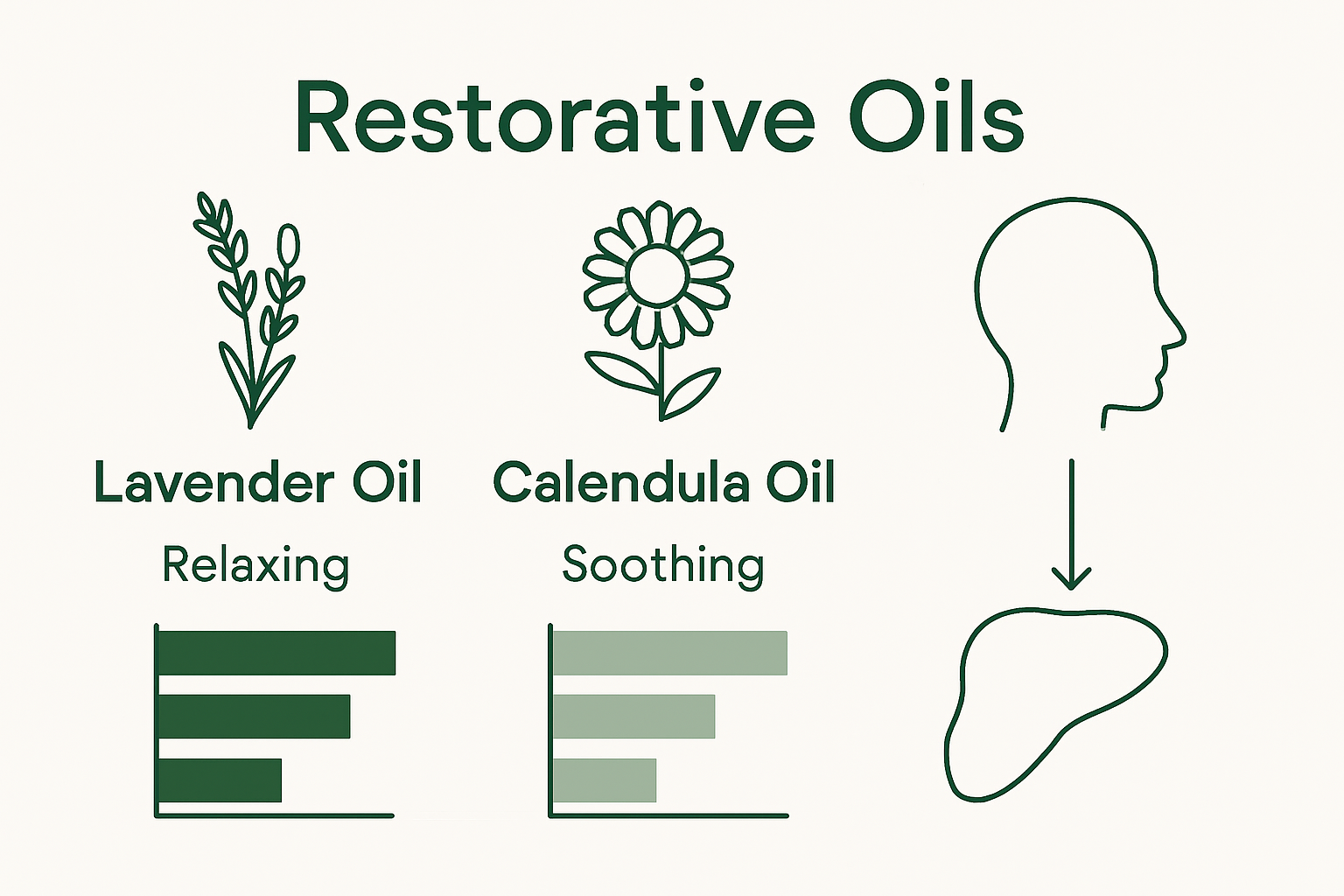
Essential oils like lavender, tea tree, and chamomile are concentrated plant extracts known for their potent aromatic and medicinal qualities. These powerful botanical preparations can support emotional wellbeing, reduce inflammation, and provide targeted healing. Carrier oils such as coconut, jojoba, and almond serve as nurturing base ingredients that help dilute essential oils while delivering profound skin nourishment.
Some remarkable herbal body oil variations include:
- Tamanu Oil: Extracted from Calophyllum inophyllum tree nuts, renowned for exceptional wound healing properties
- Rosehip Oil: Rich in vitamin C and essential fatty acids
- Arnica Oil: Supports muscle recovery and reduces inflammation
- Calendula Oil: Promotes skin regeneration and reduces skin irritation
Choosing the right herbal body oil depends on individual wellness goals, skin type, and specific therapeutic needs. These natural botanical preparations offer a gentle, holistic approach to supporting physical and emotional health through the intrinsic healing power of plants.
How Herbal Oils Restore Balance
Herbal oils play a profound role in restoring bodily balance by interacting with our physiological systems through intricate botanical mechanisms. In Ayurvedic practices, these oils are used strategically to harmonise the body’s fundamental energy systems, addressing imbalances at their energetic and cellular roots.
The restorative process occurs through multiple interconnected pathways. Herbal oils work by penetrating deep into the skin, delivering concentrated nutrients, antioxidants, and bioactive compounds that support cellular regeneration and systemic healing. Long-term use of cold-pressed herbal oils can modulate fatty acid profiles and preserve critical antioxidant activities, contributing to sustained physiological equilibrium.
Key mechanisms of balance restoration include:
- Reducing inflammatory responses
- Supporting lymphatic drainage
- Regulating hormonal interactions
- Enhancing cellular communication
- Promoting parasympathetic nervous system relaxation
Understanding these complex interactions reveals how herbal oils transcend simple topical treatments. They represent a holistic approach to wellness, addressing physical, emotional, and energetic dimensions simultaneously. By working with the body’s innate healing intelligence, herbal oils offer a gentle yet profound pathway to restoring natural balance and supporting overall vitality.
Safety And Regulatory Standards
Ensuring the safety and quality of herbal body oils requires rigorous scientific evaluation and comprehensive regulatory oversight. Comparative studies of herbal medicated oil formulas have highlighted the critical importance of assessing chemical constituents and potential skin irritation risks, demonstrating the need for meticulous safety protocols in botanical preparations.
The regulatory landscape for herbal oils is complex and multifaceted. Unlike pharmaceutical products, many herbal oils operate in a nuanced legal framework that requires careful navigation. Certain popular botanical extracts, such as tea tree oil, are not officially approved drugs, which underscores the importance of independent safety evaluations, consumer education, and transparent manufacturing practices.
Key safety considerations for herbal body oils include:
- Comprehensive ingredient sourcing and traceability
- Third-party laboratory testing
- Allergen screening and sensitivity assessments
- Purity verification of botanical extracts
- Concentration and dilution standardisation
- Proper storage and shelf-life management
Consumers should approach herbal body oils with an informed perspective, understanding that natural does not automatically equate to completely safe. Professional consultation, patch testing, and purchasing from reputable manufacturers with transparent quality control processes remain essential steps in responsible herbal oil usage.
Avoiding Risks And Common Mistakes
Navigating the world of herbal body oils requires careful attention and informed decision-making. Certain botanical extracts, like lavender oil, can trigger unexpected allergic reactions and potentially disrupt endocrine function, highlighting the critical importance of understanding individual sensitivities and potential interactions.
Common mistakes often stem from a lack of nuanced understanding about herbal oil complexity. Different chemotypes of essential oils, such as citronella, can have dramatically varying chemical compositions, which means that blanket approaches to usage can lead to reduced effectiveness or unintended physiological responses.
Key risks and mistakes to avoid include:
- Undiluted essential oil application directly on skin
- Ignoring individual allergic sensitivities
- Purchasing from unverified sources
- Overlooking potential interactions with medications
- Assuming ‘natural’ means completely safe
- Improper storage leading to oil degradation
Proper herbal body oil usage demands a holistic, educated approach. Always conduct patch tests, consult healthcare professionals, research individual oil properties, and purchase from reputable sources that provide transparent information about sourcing, extraction methods, and potential contraindications. Responsible usage is the cornerstone of harnessing the therapeutic potential of herbal body oils safely and effectively.
Restore Your Natural Balance with Handcrafted Herbal Oils
Finding the right herbal body oil to restore balance naturally can be challenging with so many options and considerations around purity, effectiveness, and safety. If you are seeking a holistic and authentic botanical solution to support your body’s cleansing and rejuvenation, Gutted™ offers a carefully crafted range designed to deliver on these needs. Our Organic Root Oil Range harnesses the power of wild-infused, small-batch blends to detoxify, relieve stagnation, and reconnect you with your body’s healing intelligence.

Experience the profound benefits of traditional herbal wisdom combined with modern self-care. Explore our Organic Root Oil Range and consider complementing your routine with our Wellness Kits & Bundles for a comprehensive approach to wellbeing. Every formula is handmade in London, ensuring transparency and quality you can trust. Begin your journey to restored balance today at Gutted™.
Frequently Asked Questions
What is herbal body oil?
Herbal body oil is a natural wellness solution made from concentrated plant extracts designed to support holistic healing and overall wellness.
How do herbal oils restore balance in the body?
Herbal oils restore balance by interacting with physiological systems, reducing inflammation, supporting lymphatic drainage, regulating hormones, and promoting relaxation in the nervous system.
Are there any safety concerns associated with using herbal body oils?
Yes, safety concerns include the potential for skin irritation, allergic reactions, and interactions with medications. It’s essential to conduct patch tests and consult healthcare professionals before use.
What are the different types of herbal body oils available?
Common types of herbal body oils include essential oils, like lavender and tea tree oil, and carrier oils, such as coconut and jojoba oil, each offering unique therapeutic benefits.