

Herbal Oil Uses Explained: Natural Balance and Detox
Most British women seeking natural wellness are turning to herbal oils, with over 60 percent reporting improved hormonal balance after regular use. The growing demand for pure, plant-based remedies highlights a shift toward holistic choices that support wellbeing without harsh chemicals. Discover how carefully crafted herbal oils are made and why their unique extraction methods matter for maintaining potency, safety, and the benefits you want.
Key Takeaways
| Point | Details |
|---|---|
| Herbal Oils Extraction Methods | Various extraction methods affect the quality and therapeutic properties of herbal oils, with steam distillation and cold pressing being the most recommended. |
| Therapeutic Benefits of Herbal Oils | Different herbal oils have specific therapeutic uses, such as stress reduction, inflammation calming, and respiratory support. |
| Hormonal Balance Support | Certain herbal oils can influence hormonal regulation, making them beneficial for maintaining hormonal balance within holistic approaches. |
| Safety and Compliance in the UK | Strict regulatory standards ensure consumer safety and product integrity for herbal oils in the UK, making it crucial to verify compliance before purchase. |
What Are Herbal Oils And How Are They Made
Herbal oils are concentrated botanical extracts crafted through precise plant material processing techniques, designed to capture the essence and therapeutic properties of various herbs. Essential oils are concentrated liquids containing volatile plant chemicals, obtained through sophisticated extraction methods that separate potent aromatic compounds from botanical sources.
Traditionally, herbal oils are produced using several meticulous techniques. Steam distillation remains the primary extraction method, where plant materials are exposed to heated steam, causing volatile compounds to separate and condense into pure oil. Alternative methods include cold pressing for seed and fruit-based oils, and solvent extraction for delicate botanical materials that might degrade under high temperatures.
The extraction process determines the oil’s quality, potency, and therapeutic potential. Mechanical pressing works best for citrus peels and hardy plant materials, while delicate herbs require gentler steam distillation or solvent techniques. Each method preserves different chemical profiles, ensuring the final herbal oil retains maximum nutritional and medicinal value. Professional herbalists carefully select extraction techniques based on the specific plant’s characteristics and intended therapeutic use.
Pro tip: When selecting herbal oils, always prioritise cold-pressed or steam-distilled products, as these methods preserve the most comprehensive range of plant nutrients and therapeutic compounds.
Below is a summary table highlighting how popular herbal oil extraction methods differ in their suitability and nutrient retention:
| Extraction Method | Suitable For | Nutrient Retention |
|---|---|---|
| Steam Distillation | Delicate flowers, leaves | Preserves most volatiles |
| Cold Pressing | Seeds, citrus peels | Maintains heat-sensitive compounds |
| Solvent Extraction | Fragile or resinous plants | Retains diverse constituents |
| Mechanical Pressing | Hardy fruits, nuts | High oil yield, fewer volatiles |
Types Of Herbal Oils And Their Key Benefits
Herbal oils represent a diverse spectrum of botanical extracts, each offering unique therapeutic properties and wellness benefits. Professional aromatherapy associations identify several key herbal oil types with specific health-supporting actions, ranging from stress reduction to immune system support.
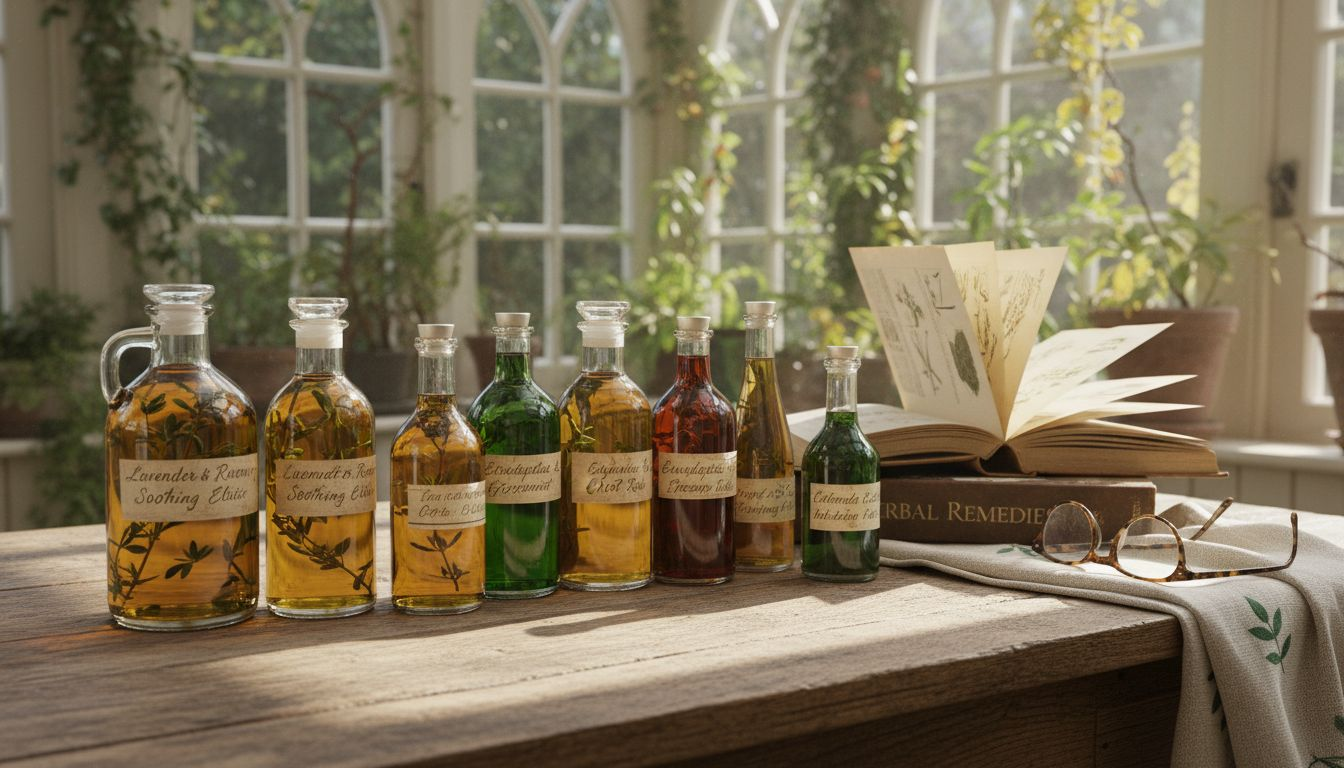
Traditional herbal oils like lavender, chamomile, geranium, and eucalyptus have been extensively studied for their multifaceted healing potential. Lavender oil is renowned for its anxiolytic properties, helping reduce stress and promote relaxation. Chamomile offers gentle anti-inflammatory benefits, while eucalyptus supports respiratory health through its powerful decongestant qualities. Geranium oil demonstrates remarkable immune-modulating characteristics, potentially enhancing the body’s natural defence mechanisms.
Beyond individual therapeutic applications, herbal oils can be strategically combined in comprehensive wellness protocols to address holistic health needs. Some oils work synergistically, amplifying each other’s beneficial properties. For instance, combining peppermint with lavender might enhance stress relief, while blending tea tree with geranium could provide enhanced immune support. Professional herbalists carefully design these complex botanical formulations to maximise therapeutic potential.
Pro tip: When exploring herbal oils, start with single-origin, high-quality oils and gradually experiment with personalised blending techniques to discover your optimal wellness combination.
The following table provides a concise comparison of common herbal oils and their principal health applications:
| Herbal Oil | Key Therapeutic Use | Typical Application Area |
|---|---|---|
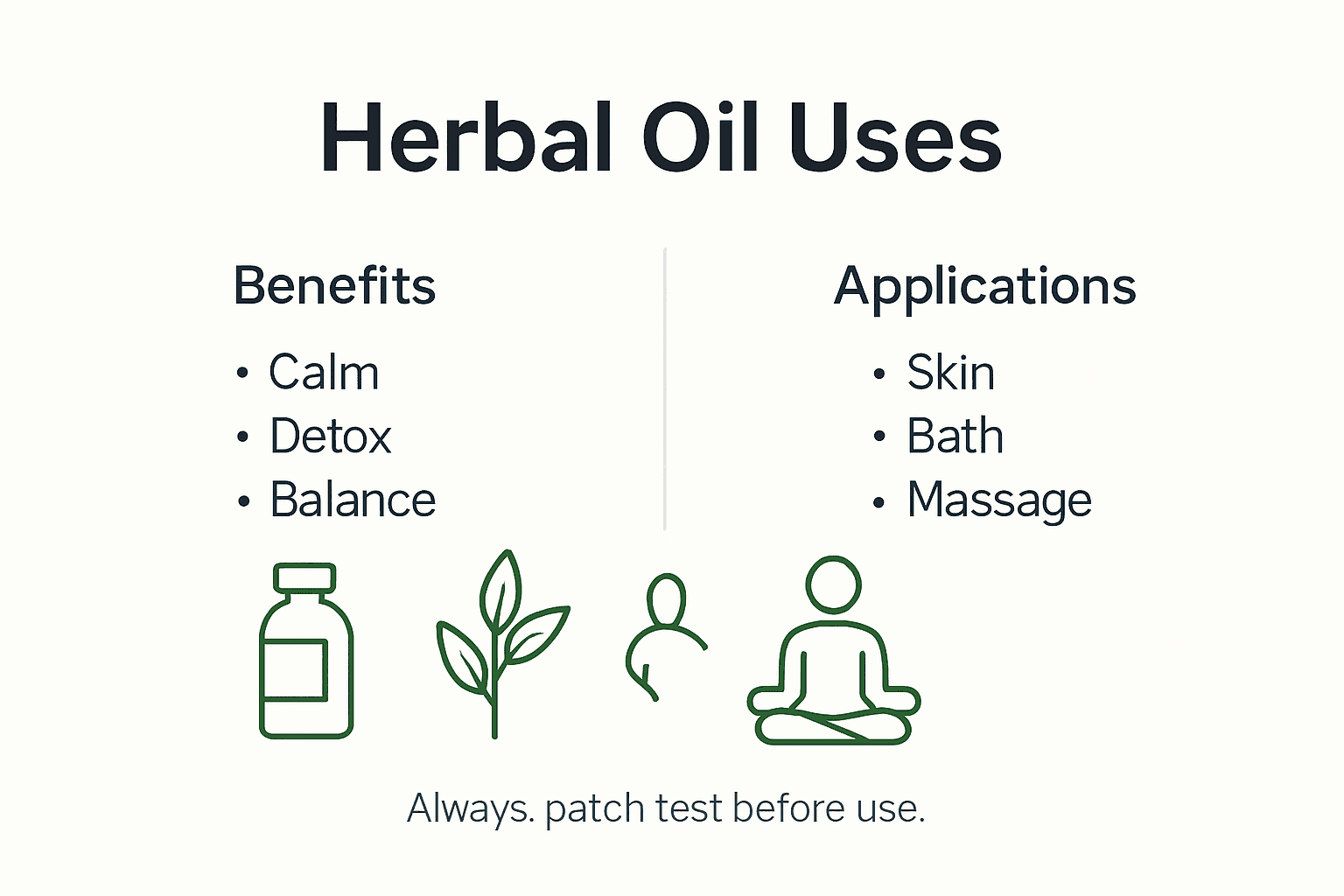
| Lavender | Stress reduction | Diffusion, topical massage |
| Chamomile | Calming inflammation | Skin care, relaxation oils |
| Eucalyptus | Respiratory support | Inhalation, chest rubs |
| Geranium | Immune system modulation | Blended aromatherapy |
| Clary Sage | Hormonal balance | Menstrual wellness, blends |
How Herbal Oils Support Hormonal Balance
Hormonal balance represents a delicate physiological ecosystem where herbal oils can play a nuanced supportive role. Scientific research indicates that certain essential oils demonstrate remarkable interactions with the endocrine system, potentially influencing hormonal regulation through complex biochemical pathways.
Specific herbal oils like lavender, clary sage, and geranium have demonstrated notable hormonal modulation capabilities. Lavender oil, for instance, contains compounds that may help regulate cortisol levels, potentially mitigating stress-induced hormonal disruptions. Clary sage has been traditionally used to support oestrogen balance, while geranium oil might help stabilise insulin sensitivity and manage metabolic hormonal fluctuations.
Natural approaches to hormonal wellness emphasise holistic strategies that extend beyond singular interventions. Herbal oils work most effectively when integrated into comprehensive lifestyle practices, including balanced nutrition, stress management, and targeted botanical support. Understanding individual biochemical responses remains crucial, as hormonal systems vary significantly between individuals.
Pro tip: Consult a qualified herbalist or healthcare professional before implementing herbal oil protocols, ensuring personalised guidance tailored to your specific hormonal profile and wellness objectives.
Legal Safety And Quality Standards In The UK
Herbal medicinal products in the United Kingdom operate under stringent regulatory frameworks designed to protect consumer safety and ensure product integrity. The European Medicines Agency provides comprehensive guidance for assessing, authorising, and monitoring herbal medicinal products, establishing robust standards that directly impact UK herbal oil manufacturing and distribution.
The regulatory landscape encompasses multiple critical dimensions of quality control. Manufacturers must demonstrate rigorous evidence of product safety, including detailed documentation of sourcing, extraction methods, and potential interactions. Specific requirements include standardised production processes, comprehensive ingredient traceability, clear labelling of botanical constituents, and mandatory reporting mechanisms for adverse events. These regulations ensure that herbal oils sold in the UK meet exacting scientific and safety benchmarks.
Compliance extends beyond initial product approval, with ongoing post-market surveillance playing a crucial role in maintaining consumer protection. Herbal oil producers must implement continuous monitoring systems, tracking product performance and potential side effects. This dynamic approach allows regulatory bodies to rapidly identify and address any emerging safety concerns, ensuring that only high-quality, scientifically validated herbal oils reach the marketplace.
Pro tip: When purchasing herbal oils, always verify the manufacturer’s regulatory compliance and look for clear documentation of testing, sourcing, and quality control processes.
Risks, Contraindications, And Common Mistakes
Essential oils represent powerful botanical extracts that demand careful and informed usage. Professional guidelines highlight multiple potential risks associated with improper herbal oil application, emphasising the critical importance of understanding proper usage techniques and individual health considerations.
Common mistakes in herbal oil usage include undiluted topical application, inappropriate dosage, and ignorance of potential drug interactions. Specific risks vary based on individual health conditions, with certain populations facing heightened vulnerability. Pregnant women, individuals with hormone-sensitive conditions, epilepsy patients, and those with compromised immune systems must exercise particular caution. Comprehensive contraindication guidelines recommend thorough professional consultation before implementing any herbal oil protocol.
Key risk mitigation strategies involve careful dilution, patch testing, understanding individual sensitivities, and maintaining strict adherence to recommended application methods. Photosensitising oils require additional precautions, particularly during sun exposure. Users must remain vigilant about potential allergic reactions, systemic interactions, and age-appropriate usage guidelines. Professional guidance becomes paramount when navigating the complex landscape of herbal oil therapeutics.
Pro tip: Always conduct a small patch test and consult a healthcare professional before introducing any new herbal oil into your wellness routine, particularly if you have pre-existing health conditions or are taking prescription medications.
Restore Your Natural Balance with Handcrafted Herbal Oils
If you are seeking effective ways to support your body’s natural balance and enhance your detox routine herbal oils offer a gentle yet powerful solution. This article highlights the importance of precise extraction methods along with the therapeutic benefits of oils like those that help regulate hormones or relieve stagnation. At Gutted™ we understand the need for authentic remedies that connect you with your body’s healing intelligence through carefully crafted botanical blends.
Discover our signature Organic Root Oil Range – Gutted. These small-batch, wild-infused oils are handmade in London to offer you purity and potency in every drop. Whether you are looking to detoxify naturally or relieve everyday stresses our oils are designed with your wellness journey in mind.
Take the first step towards natural balance today by exploring our Wellness Kits & Bundles – Gutted. for curated herbal experiences that enhance detox and hormonal support. Visit https://getgutted.co to embrace authentic self-care rooted in tradition and modern science.
Frequently Asked Questions
What are herbal oils?
Herbal oils are concentrated botanical extracts made from various herbs using techniques like steam distillation or cold pressing, capturing the plant’s essence and therapeutic properties.
How are herbal oils extracted?
Herbal oils can be extracted through several methods, including steam distillation for delicate plants, cold pressing for fruits and seeds, and solvent extraction for fragile botanicals, each method influencing the oil’s quality and potency.
What are the benefits of using lavender and chamomile herbal oils?
Lavender oil is known for its stress-reducing properties, promoting relaxation, while chamomile oil has anti-inflammatory benefits and is often used for skin care and relaxation.
Are there any risks associated with using herbal oils?
Yes, risks may include allergic reactions, improper dosage, or adverse interactions with medications. It is recommended to dilute oils and consult a healthcare professional before use, especially for pregnant women or those with specific health conditions.