

Benefits Of Detox Teas – Natural Support For Balance
Every year, millions of British consumers are drawn to detox teas by promises of rapid cleansing and effortless weight loss. Despite these bold claims, research shows that the human body’s liver and kidneys already perform natural detoxification, making most marketed benefits questionable. Understanding why detox teas are often misunderstood can help you separate fact from fiction, so you avoid common pitfalls and choose wellness practices that genuinely support your health.
Key Takeaways
| Point | Details |
|---|---|
| Detox Teas Are Misleading | Scientific evidence indicates that claims of detox teas providing miraculous cleansing and weight loss benefits are often unsubstantiated. |
| Body’s Natural Detoxification | The human body effectively detoxifies through the liver and kidneys without needing external herbal interventions. |
| Herbal Blends Offer Mild Support | While some herbal blends may provide gentle support, they cannot replace a healthy diet and balanced lifestyle. |
| Quality Matters in Tea Selection | Consumers should prioritise sourcing, testing, and safety when choosing herbal teas to ensure quality and avoid potential health risks. |
Detox Teas Explained And Common Myths
Detox teas have become increasingly popular in wellness circles, promising miraculous cleansing and weight loss benefits. However, scientific evidence suggests these claims are often misleading. Consumer reports from the Federal Trade Commission reveal that many detox tea marketing strategies rely on unsubstantiated health promises rather than proven medical research.
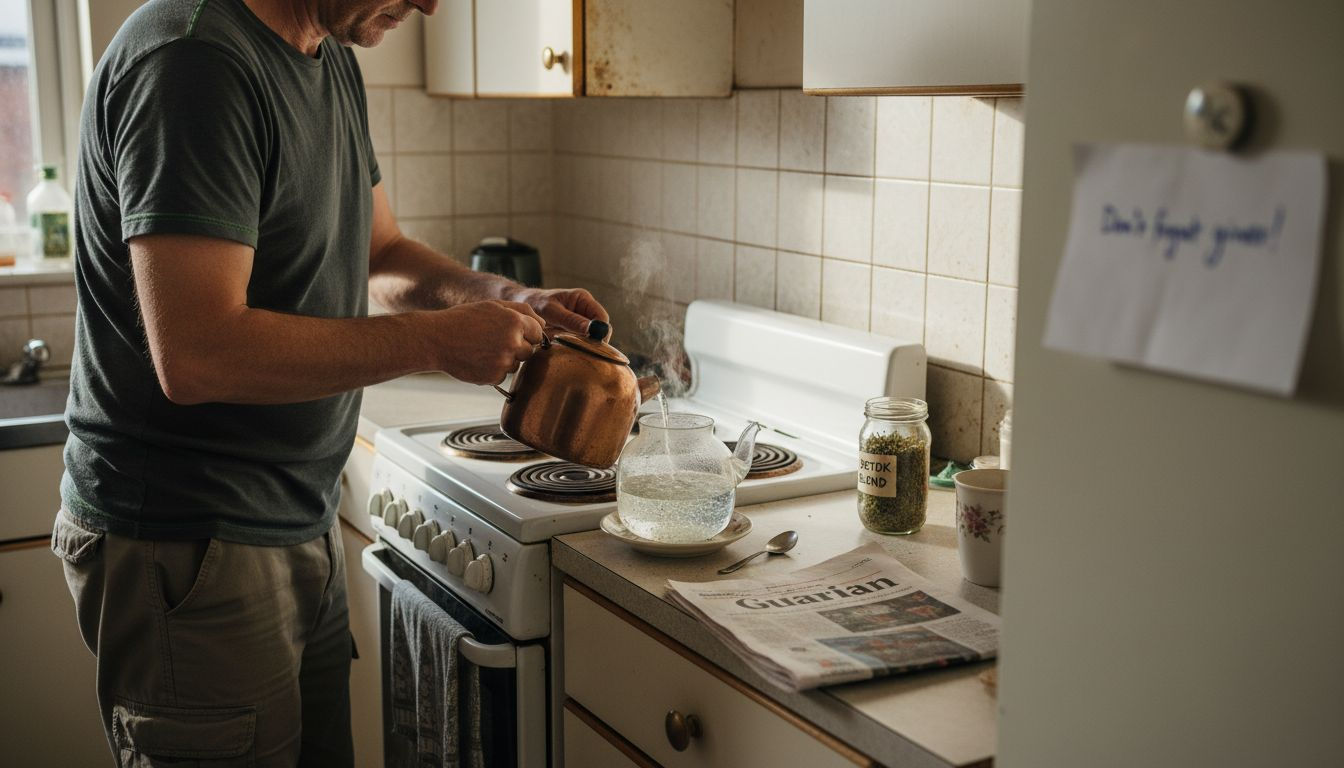
The fundamental misconception about detox teas lies in their core premise. Brown University Health experts emphasise that the human body already possesses sophisticated detoxification systems, primarily through the liver and kidneys. These organs naturally filter toxins and maintain internal balance without requiring external herbal interventions. Many detox teas contain ingredients like senna leaf, a natural laxative that can cause digestive disruption and potentially create dependency.
Key myths surrounding detox teas include:
- Weight loss is guaranteed
- They fundamentally cleanse the body
- All herbal ingredients are inherently safe
- Rapid results are achievable without lifestyle changes
Understanding the limitations of detox teas is crucial for making informed wellness choices. While some herbal blends might offer mild supportive benefits, they cannot replace proper nutrition, hydration, and healthy lifestyle practices.
Here is a summary comparing the body’s natural detoxification versus detox teas:
| Aspect | Natural Body Systems | Detox Teas |
|---|---|---|
| Main Mechanism | Liver, kidneys, lymphatic system | Herbal laxatives and diuretics |
| Scientific Evidence | Strong clinical research supports | Limited and inconclusive |
| Safety | Highly regulated by the body | Variable, often unregulated |
| Long-term Use Impact | Maintains natural balance | May cause dependency and strain |
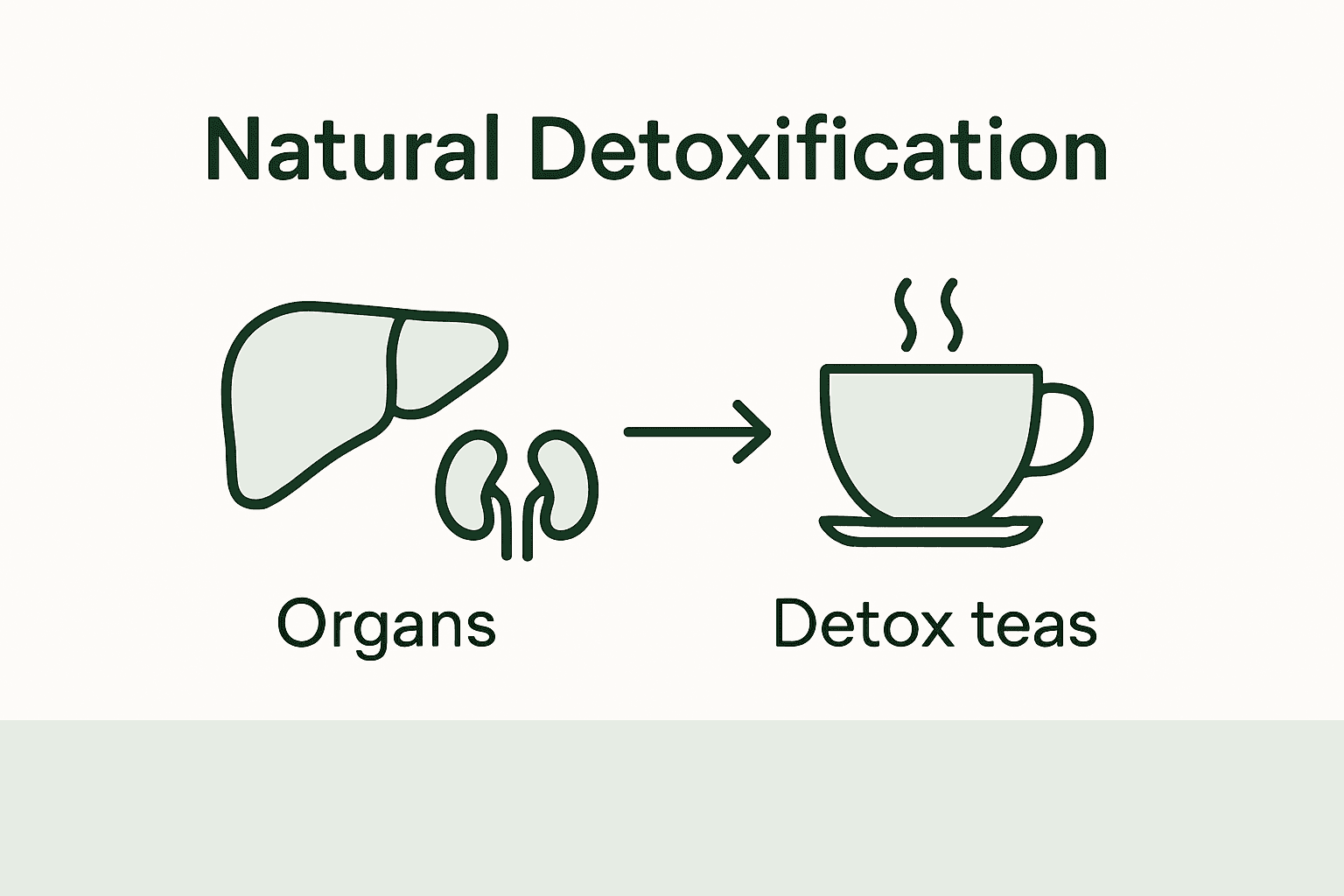
Pro Tip: Natural Detox Approach: Focus on supporting your body’s existing detoxification systems through balanced nutrition, regular hydration, adequate sleep, and moderate exercise rather than relying on quick-fix herbal solutions.
Herbal Blends: Types And Traditional Uses
Herbal blends represent a sophisticated approach to wellness, drawing from centuries of traditional healing practices. Traditional herbal compositions often combine multiple botanical ingredients to create synergistic remedies targeting specific health concerns. These intricate mixtures go beyond simple single-ingredient preparations, carefully balancing different plant extracts to enhance therapeutic potential.
Traditional herbal blends typically fall into several key categories, each designed with specific wellness objectives:
- Respiratory support blends
- Digestive health mixtures
- Immune system boosters
- Stress reduction combinations
- Detoxification preparations
Herbal practitioners understand that comprehensive wellness requires nuanced approaches, recognising that no single ingredient provides a complete solution. Each blend is meticulously crafted to address complex physiological interactions, considering factors like ingredient compatibility, extraction methods, and potential interactions.
Modern herbal wellness emphasises scientific validation alongside traditional knowledge. While ancient healing systems provide foundational wisdom, contemporary research helps refine and substantiate these time-honoured practices. Understanding the intricate relationships between botanical ingredients allows for more targeted, effective herbal interventions.
This table highlights how common herbal blend types correspond to their traditional uses:
| Herbal Blend Type | Primary Traditional Use | Typical Ingredients |
|---|---|---|
| Respiratory Support | Ease breathing, soothe throat | Liquorice, eucalyptus, thyme |
| Digestive Health | Calm stomach, aid digestion | Peppermint, fennel, ginger |
| Immune System Booster | Bolster defences | Echinacea, elderberry, astragalus |
| Stress Reduction | Promote relaxation | Chamomile, lemon balm, lavender |
| Detoxification Mixtures | Support gentle cleansing | Burdock, nettle, dandelion |
Pro Tip: Herbal Wisdom: Always consult qualified herbal practitioners or healthcare professionals before starting any new herbal regimen, ensuring personalised guidance and safe integration with your existing health routine.
How Detox Teas Support Lymphatic Health
Lymphatic health represents a critical yet often overlooked aspect of our body’s natural detoxification system. Research explores how certain herbal teas may support gentle lymphatic function, offering subtle support for the body’s waste elimination processes. The lymphatic system acts as a crucial drainage network, helping remove cellular waste, toxins, and supporting overall immune function.
Key herbal ingredients commonly found in lymphatic support teas include:
- Dandelion root
- Green tea extract
- Burdock root
- Red clover
- Cleavers herb
Health experts caution that while herbal teas can provide potential wellness support, they should not be viewed as miracle solutions. The lymphatic system’s complexity requires a holistic approach, with teas serving as complementary rather than primary interventions. These botanical blends may help stimulate lymph circulation, reduce inflammation, and support the body’s natural detoxification mechanisms.
Optimal lymphatic support extends beyond tea consumption. Proper hydration, regular movement, gentle massage, and a balanced diet play equally important roles in maintaining lymphatic health. Herbal teas can be a supportive element in this comprehensive wellness strategy, providing gentle botanical support to complement lifestyle practices.
Pro Tip: Lymphatic Wellness: Integrate herbal teas as part of a broader wellness routine, combining them with daily movement, adequate hydration, and a nutrient-rich diet to support your body’s natural detoxification processes.
Hormonal Balance, Inflammation And Daily Wellness
Hormonal wellness represents a delicate ecosystem within the human body, intricately connected to overall health and well-being. Scientific research remains sceptical about detox tea claims related to hormonal balance, highlighting the complexity of bodily systems and the limitations of simple dietary interventions. Understanding hormonal regulation requires a nuanced approach that considers multiple physiological factors beyond herbal consumption.
Key factors influencing hormonal balance and inflammation include:
- Stress management
- Quality sleep patterns
- Balanced nutrition
- Regular physical activity
- Emotional well-being
- Consistent circadian rhythms
Consumer health investigations reveal significant concerns about unregulated detox products, warning about potential risks associated with stimulant-laden herbal preparations. While botanical ingredients might offer subtle supportive properties, they cannot replace comprehensive lifestyle strategies for maintaining hormonal equilibrium and managing systemic inflammation.
Natural wellness requires a holistic perspective that integrates multiple health practices. Herbal teas can serve as complementary support, but they should not be viewed as standalone solutions. A balanced approach incorporating nutrition, movement, stress reduction, and mindful self-care provides the most effective pathway to sustainable hormonal health and reduced inflammation.
Pro Tip: Holistic Harmony: Create a personalised wellness routine that balances herbal support with lifestyle practices, focusing on consistent, gentle interventions rather than quick-fix solutions.
Risks, Interactions And Choosing Quality Teas
Quality tea selection requires a discerning approach, particularly when exploring botanical blends marketed as wellness solutions. Consumer investigations reveal significant concerns about unregulated detox tea products, highlighting potential risks associated with poorly manufactured herbal preparations. Understanding these potential pitfalls is crucial for making informed health decisions.
Key considerations when evaluating tea quality include:
- Sourcing of botanical ingredients
- Third-party testing results
- Transparent manufacturing processes
- Detailed ingredient declarations
- Potential interactions with existing medications
- Concentration of active botanical compounds
Health experts warn about the potential dangers of unverified herbal tea products, particularly those targeting vulnerable populations like adolescents and young adults. Potential risks include liver stress, cardiovascular complications, and disruptions to natural bodily processes. Many commercially available detox teas contain aggressive stimulants and laxatives that can cause significant physiological strain.
A responsible approach to herbal wellness requires critical evaluation and professional guidance. Consumers should prioritise evidence-based information, consult healthcare practitioners, and view herbal teas as complementary rather than primary health interventions. Selecting high-quality, ethically sourced botanical blends with clear provenance and minimal processing offers a more sustainable path to wellness.
Pro Tip: Herbal Intelligence: Always research tea ingredients thoroughly, check for third-party testing, and consult a healthcare professional before introducing new herbal preparations into your wellness routine.
Embrace Natural Balance with Expertly Crafted Detox Solutions
The article highlights critical challenges around detox teas such as misleading claims, potential safety risks, and the importance of supporting the body’s natural detox systems like the liver and lymphatic network. If you have been searching for authentic herbal support that honours traditional wisdom while avoiding quick-fix promises, your journey towards natural balance begins here. Our handcrafted remedies focus on trusted botanicals designed to gently relieve stagnation and promote real wellness without harsh stimulants or laxatives.
Discover the power of clean, small-batch blends with our Detox Herbs & Capsules – Gutted. Each preparation is made in London with care to help you reconnect with your body’s own healing intelligence.
Take control of your wellness today by exploring our Wellness Kits & Bundles – Gutted. These thoughtfully combined herbal formulas support your natural detox pathways safely and effectively. Visit Gutted™ now to find your personalised approach to balanced, lasting health and leave behind unreliable detox claims for good.
Frequently Asked Questions
What are detox teas, and how do they work?
Detox teas are herbal blends that claim to support the body’s natural detoxification processes. They often contain ingredients like laxatives and diuretics, which can stimulate elimination and flush out toxins, although their effectiveness is debated.
Are there any risks associated with detox teas?
Yes, detox teas can pose risks, particularly if they contain strong laxatives or stimulants, which may lead to dependency, digestive issues, or strain on the liver. It’s essential to choose high-quality teas and consult a healthcare professional.
How do detox teas compare to the body’s natural detoxification systems?
The human body naturally detoxifies through organs like the liver and kidneys. While some detox teas may support these functions, they cannot replace a balanced diet and healthy lifestyle, which are crucial for overall well-being.
Can herbal teas support lymphatic health?
Certain herbal teas may offer gentle support to the lymphatic system by promoting lymph circulation and reducing inflammation. Ingredients like dandelion root and burdock are commonly used for this purpose, but teas should be viewed as complementary to a holistic lifestyle.