

What Is Poke Root? Detox Support and Herbal Wisdom
Most British herbalists approach poke root with caution, given its reputation for potent compounds and a history of accidental poisonings. This North American native has crossed oceans, finding its way into a range of European traditions, yet its toxic profile means that expert guidance is always essential. With interest in traditional remedies rising, understanding poke root’s origins, uses, and crucial safety concerns is more important than ever. Explore what sets this remarkable plant apart from other botanicals.
Key Takeaways
| Point | Details |
|---|---|
| Poke Root Requires Expert Handling | Poke root contains potent compounds that can be toxic; only qualified professionals should prepare and administer it. |
| Historical and Modern Uses | Traditionally valued for its medicinal properties, poke root is now approached cautiously due to limited scientific evidence supporting its health benefits. |
| Safety Precautions are Essential | Possessing a narrow therapeutic window, poke root can cause severe side effects, necessitating professional medical consultation before use. |
| Safer Alternatives Available | In the UK, practitioners recommend herbal alternatives like Echinacea and Dandelion Root for lymphatic support due to their lower toxicity profiles. |
Poke Root Explained: Botanical Origins and Uses
Poke root (Phytolacca americana) is a fascinating botanical specimen with a rich history of traditional medicinal use across multiple continents. Native to the eastern and southwestern regions of the United States, this perennial flowering shrub has been integral to herbal practices for centuries. Historically documented across North America and parts of Europe, poke root represents a complex plant with profound botanical significance.
The plant’s botanical profile reveals remarkable characteristics that have intrigued herbalists for generations. Standing as a large herb widely distributed through Eastern and Central North America, poke root grows as a substantial flowering shrub with distinctive characteristics. All parts of the plant contain potent compounds that require meticulous preparation, making it a substance that demands careful and knowledgeable handling.
Traditional herbal practices have employed poke root for various therapeutic purposes, though modern practitioners emphasise the importance of professional guidance. Its applications have ranged from acting as a purgative to supporting lymphatic function, with indigenous communities recognising its potential long before contemporary herbal medicine emerged. However, crucial safety considerations mean that untrained individuals should never attempt to process or consume this plant without expert supervision.
Pro Tip: Herbal Safety First: Always consult a qualified herbalist or healthcare professional before incorporating any botanical extract into your wellness routine, especially with potent substances like poke root that require specialised preparation.
Traditional and Modern Applications for Health
Traditional herbal medicine has long recognised poke root for its multifaceted potential in supporting wellness. Historical applications range from addressing chronic rheumatism to treating various skin conditions, revealing the plant’s complex therapeutic profile. Indigenous healing practices often employed poke root as a powerful botanical intervention, understanding its intricate medicinal properties long before modern scientific investigation.
Modern research reveals nuanced perspectives on poke root’s health applications. While traditional uses suggest potential anti-inflammatory and immune-boosting properties, scientific evidence remains limited, necessitating cautious interpretation. Researchers recognise the plant’s potential, yet emphasise the critical need for rigorous clinical studies to substantiate traditional claims about its therapeutic mechanisms.
The plant’s historical medicinal applications have been diverse, including its use as an emetic, purgative, and topical treatment. Practitioners traditionally applied poke root for conditions such as lymphatic congestion, skin disorders, and as a supportive remedy for inflammatory responses. However, contemporary herbal practitioners approach its use with significant caution, recognising the plant’s inherent toxicity and the importance of precise, expert preparation.
Pro Tip: Herbal Wisdom Checkpoint: Always consult a qualified healthcare professional or experienced herbalist before considering poke root as part of your wellness routine, as its potent compounds require expert understanding and careful administration.
Lymphatic and Hormonal Support Benefits
Poke root has demonstrated remarkable potential in supporting lymphatic health, with traditional practitioners recognising its unique capacity to stimulate lymphatic function. Historically used to address lymphatic adenitis and support immune system responses, the plant offers intriguing possibilities for those seeking natural lymphatic support. Its traditional applications include managing inflammatory conditions affecting lymphatic pathways, suggesting a nuanced approach to bodily detoxification.
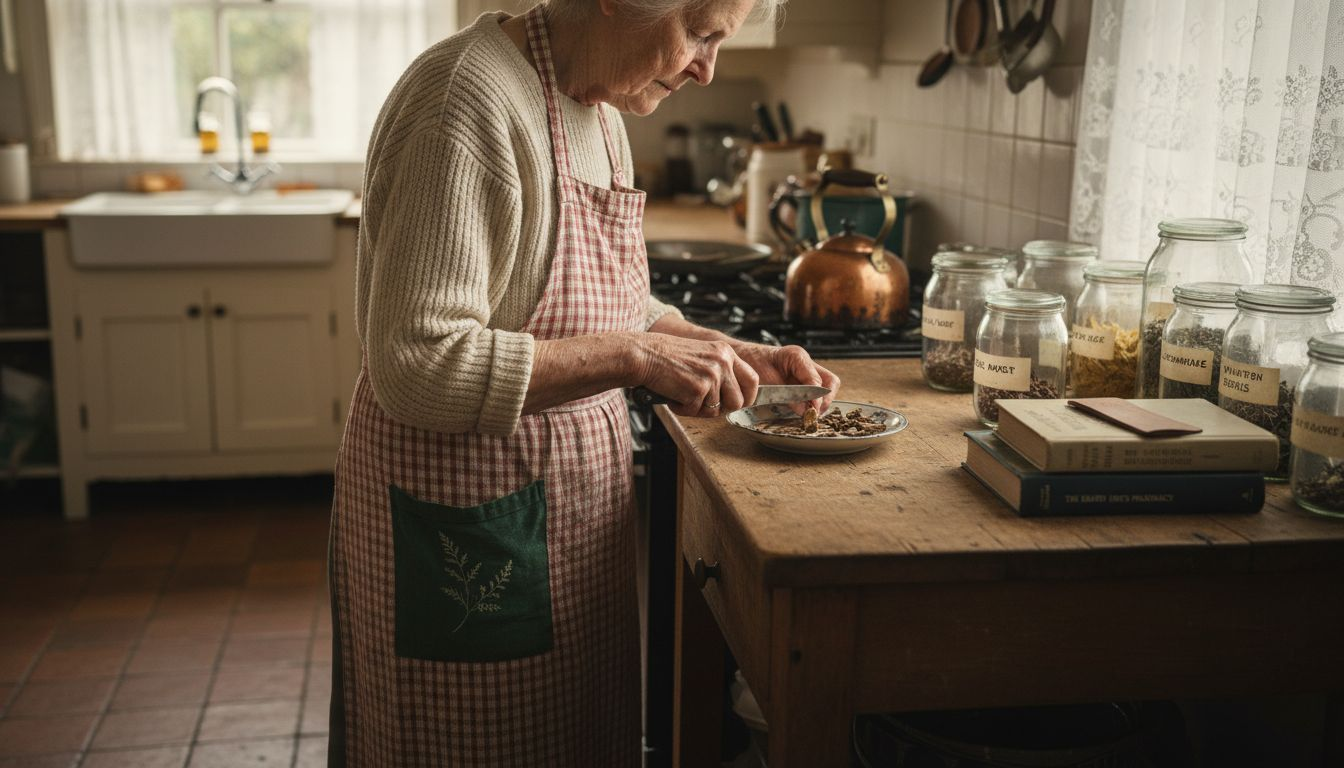
While promising, contemporary research emphasises the critical need for professional guidance due to the plant’s inherent toxicity, particularly when considering lymphatic and hormonal interventions. Practitioners have documented its potential applications in managing conditions such as swollen glands, tonsillitis, and upper respiratory tract inflammation, indicating its complex therapeutic profile. The plant’s interaction with lymphatic systems suggests potential benefits for hormonal regulation and inflammatory responses.
Traditional herbal wisdom highlights poke root’s potential in addressing various lymphatic and hormonal challenges. Its documented uses span a range of conditions, including mastitis, mumps, and laryngitis, demonstrating a holistic approach to supporting the body’s natural healing mechanisms. However, modern herbalists underscore the importance of precise preparation and expert consultation, given the plant’s potent botanical compounds.
Pro Tip: Lymphatic Wisdom Alert: Consult a qualified healthcare professional before integrating poke root into your wellness routine, as its powerful botanical properties require expert understanding and careful, personalised administration.
Safe Use, Dosage and Potential Side Effects
Poke root represents an exceptionally potent botanical substance with significant safety considerations that demand careful understanding. All parts of the pokeweed plant contain inherent toxicity that can trigger severe physiological reactions if improperly administered, making professional guidance absolutely critical for anyone considering its use. The plant’s complex chemical profile means that even minute quantities can provoke substantial bodily responses.
Historical medical documentation reveals widespread poisonings in the 19th century, particularly from antirheumatic tinctures, with outcomes ranging from recovery to potential fatality. The potential side effects are extensive and serious, potentially impacting multiple bodily systems. Gastrointestinal symptoms such as severe vomiting and diarrhoea can emerge, while neurological and cardiovascular systems may also experience significant disruption. Absorption through skin abrasions could potentially trigger hematologic abnormalities, underscoring the plant’s profound biochemical complexity.
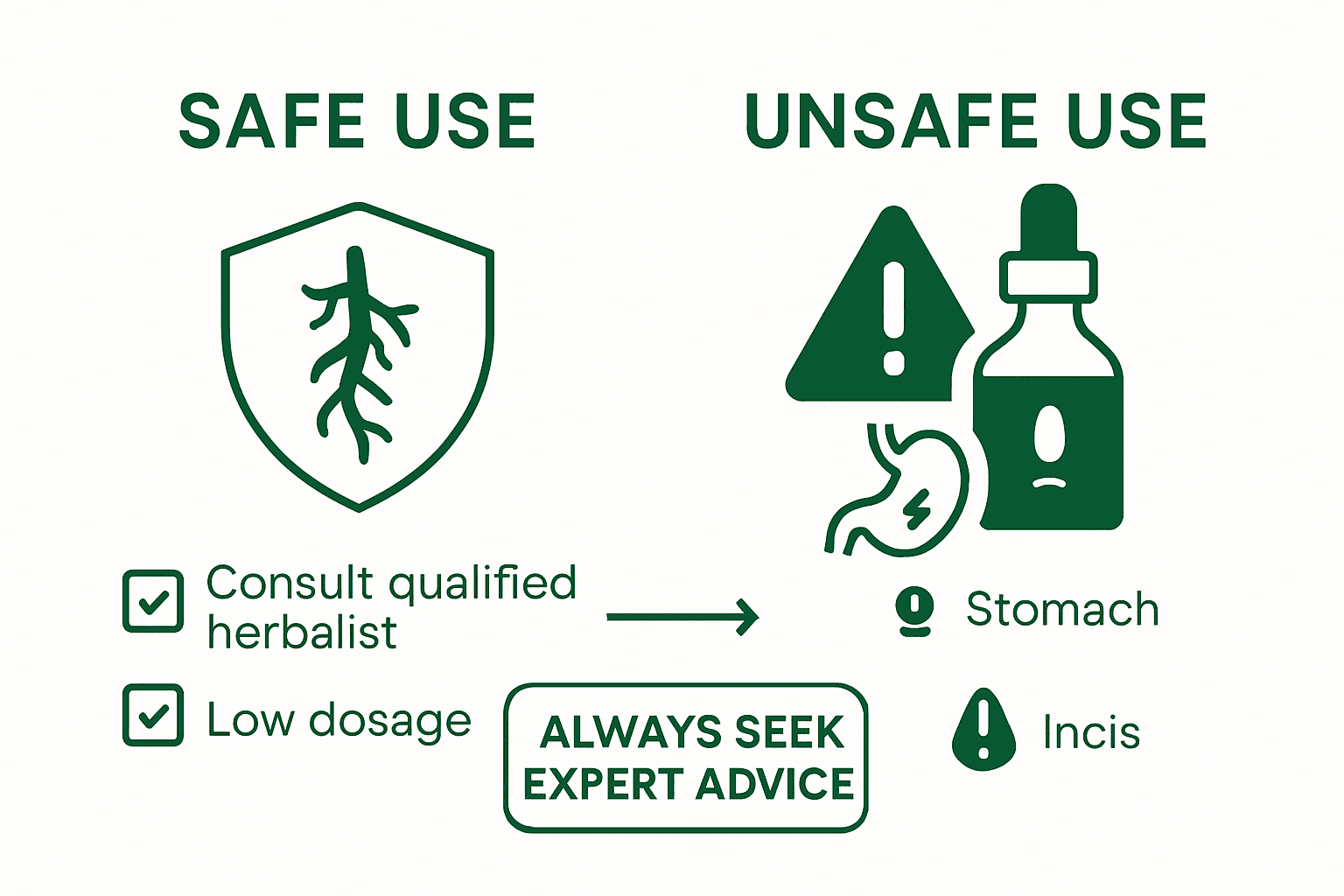
Here is a summary of poke root’s effects on the body and required safety considerations:
| Body System Affected | Potential Effect | Required Safety Precaution |
|---|---|---|
| Gastrointestinal | Severe vomiting, diarrhoea | Only under expert supervision |
| Nervous System | Neurological disturbances | Avoid self-medication |
| Cardiovascular | Heart rhythm disruption | Medical consultation mandatory |
| Haematological | Abnormal blood responses | Skin contact precautions needed |
Professional herbalists and medical practitioners universally emphasise that no standardised safe dosage exists for poke root. The plant’s therapeutic window is exceptionally narrow, meaning the margin between potential benefit and significant harm is microscopic. Individuals with pre-existing health conditions, pregnant or nursing women, and those on concurrent medication should categorically avoid self-administering poke root without comprehensive medical supervision.
Pro Tip: Herbal Safety Protocol: Always obtain professional medical consultation before considering poke root, and never attempt self-preparation or dosage calculation, as the potential risks far outweigh any potential benefits.
Legal Status and Alternatives in the UK
In the United Kingdom, herbal practitioners approach poke root with significant caution due to its complex regulatory status and inherent toxicity. Traditional botanical resources indicate that its use remains extremely limited within British herbal medicine, reflecting a prudent stance towards this potent botanical substance. Regulatory frameworks surrounding herbal remedies prioritise patient safety, leading most UK practitioners to recommend substantially safer alternative treatments.
The legal landscape surrounding poke root is characterised by strict limitations and professional discretion. Herbal practitioners and healthcare professionals overwhelmingly advise against unsupervised usage, emphasising the potential risks associated with self-administration. This cautious approach stems from the plant’s narrow therapeutic window and potential for significant adverse reactions, making it unsuitable for widespread or unregulated consumption.
For individuals seeking lymphatic support and natural detoxification, numerous safer botanical alternatives exist within British herbal traditions. These alternatives offer similar potential benefits without the extreme risks associated with poke root. Practitioners typically recommend gentler herbal interventions such as echinacea, red clover, or dandelion root, which provide supportive lymphatic and immune system benefits with considerably lower toxicity profiles.
The following table compares poke root with common safer herbal alternatives for lymphatic and immune support in British herbalism:
| Botanical | Typical Uses | Toxicity Level | Notes on UK Acceptance |
|---|---|---|---|
| Poke Root | Historical lymphatic and inflammatory support | High – all parts toxic | Limited use due to safety concerns |
| Echinacea | Immune system booster, mild infections | Low – safe for general use | Widely accepted and recommended |
| Red Clover | Lymphatic support, menopausal symptoms | Low – generally safe | Commonly used in herbal blends |
| Dandelion Root | Digestive, liver and lymphatic support | Very low – excellent safety | Popular in detox and wellness regimens |
Pro Tip: Herbal Alternative Strategy: Consult a registered herbal practitioner to identify personalised, safe botanical alternatives that align with your specific health objectives and physiological needs.
Discover Safe and Authentic Poke Root Support for Natural Detox
Navigating the powerful yet complex world of poke root requires expert knowledge and trustworthy solutions. If you are seeking to support your body’s natural detox pathways without risking safety, our Organic Root Oil Range – Gutted. offers meticulously handcrafted poke root formulas designed to harness traditional herbal wisdom safely. Each small-batch product is blended in London to help relieve stagnation, promote lymphatic health and reconnect you with your body’s healing intelligence.
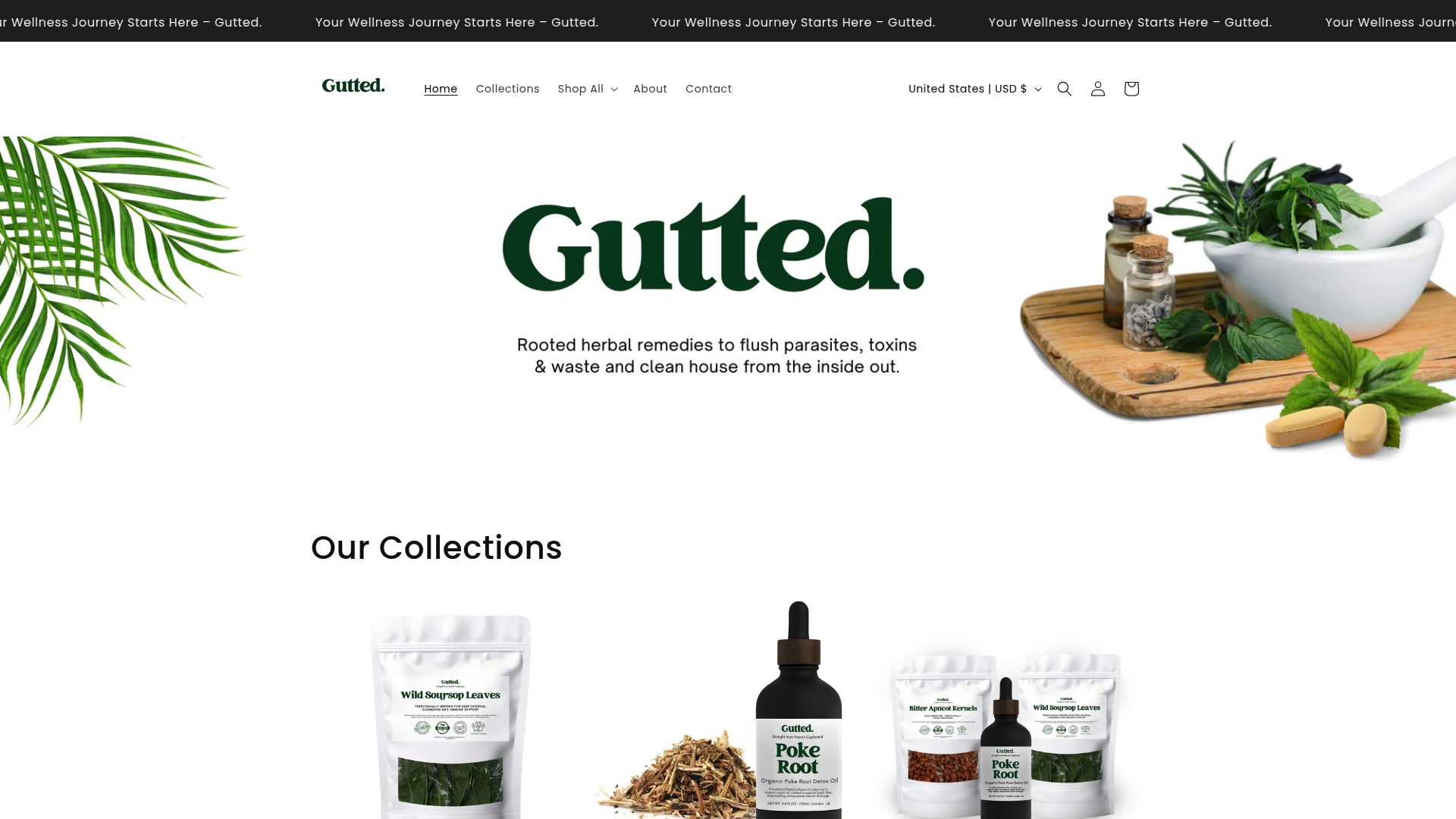
Take control of your wellness journey today and experience how authentic, carefully prepared poke root extracts can fit into your natural self-care. Explore our range and learn more at Gutted™ where herbal potency meets mindful craftsmanship. Your body deserves the best — start your detox support safely with us now.
Frequently Asked Questions
What is poke root and what are its traditional uses?
Poke root (Phytolacca americana) is a perennial flowering shrub known for its historical use in traditional herbal medicine. It has been employed to support various health issues, including lymphatic function, inflammatory conditions, and skin disorders.
Is poke root safe to use?
Poke root is considered very potent and all parts of the plant contain inherent toxicity. It is essential to consult a qualified herbalist or healthcare professional before considering its use to avoid severe physiological reactions.
What are the potential side effects of poke root?
Potential side effects can include severe gastrointestinal symptoms like vomiting and diarrhoea, neurological disturbances, and disruptions to the cardiovascular system. Because of its toxicity, it is critical to use poke root under professional supervision only.
Are there safer alternatives to poke root for lymphatic support?
Yes, there are safer herbal alternatives available, such as echinacea, red clover, and dandelion root. These alternatives are generally considered safe and can provide similar lymphatic and immune support without the risks associated with poke root.