

Types of lymphatic drainage herbs: your complete guide
Lymphatic drainage herbs are botanicals that promote the cleansing and flow of lymph fluid, supporting the body’s natural detoxification and inflammation reduction processes. The types of lymphatic drainage herbs span two major traditions: Western herbalism and Traditional Chinese Medicine, both of which recognise specific plants for their ability to move stagnant lymph, reduce swelling, and support immune function. A 2001 randomised controlled trial found that Centella asiatica extract improved lymphatic function and reduced lymphoedema volume in post-mastectomy patients. That finding gives scientific weight to what herbalists have practised for centuries. Whether you are managing chronic inflammation or simply supporting your body’s natural cleansing, knowing which herbs to reach for makes all the difference.
What are lymphagogue herbs and how do they support lymphatic drainage?
A lymphagogue herb is any botanical that directly stimulates the movement of lymph fluid through the lymphatic vessels. The term comes from the Greek lympha (water) and logos (leading). These herbs work by stimulating smooth muscle contraction in lymphatic vessel walls, which pushes fluid through the system more efficiently. Many also carry anti-inflammatory and mild diuretic properties that reduce the fluid load the lymphatics must process.
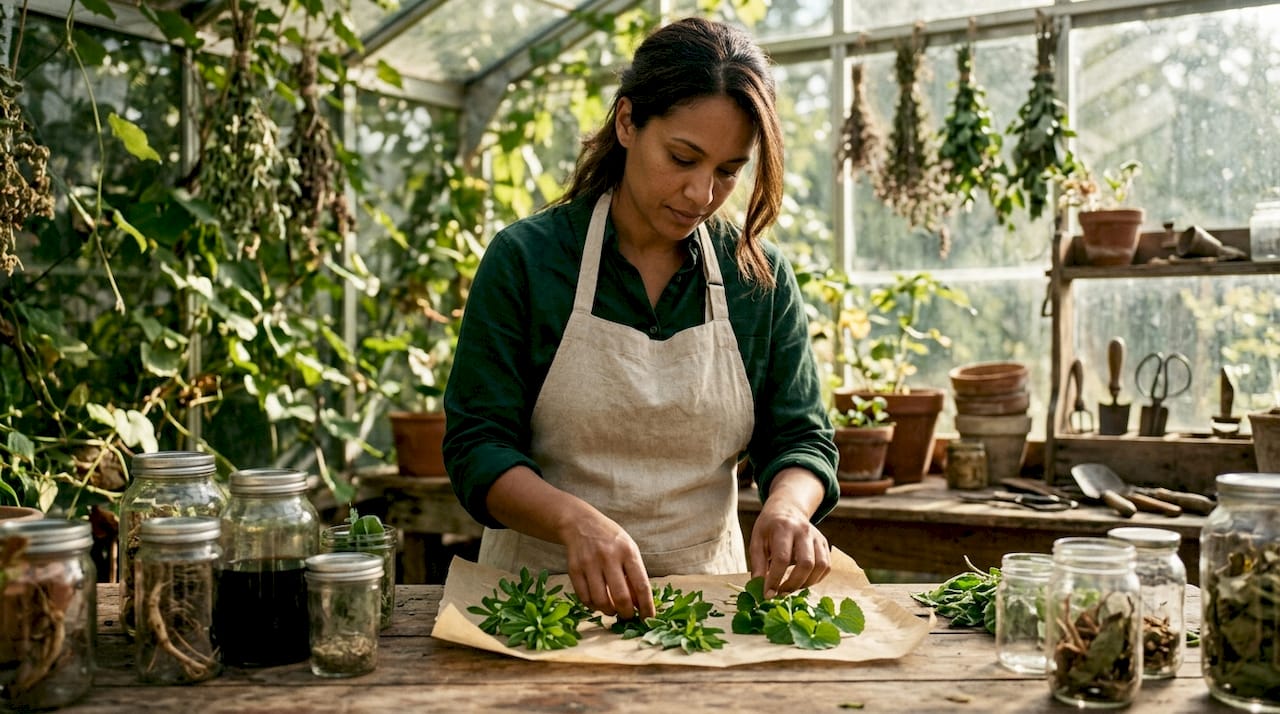
Cleavers (Galium aparine) is the most widely cited lymphagogue in Western herbalism. Its iridoid glycosides and flavonoids stimulate lymphatic flow and reduce congestion in swollen glands. Cleavers does not force the system; it gently encourages it. That distinction matters, especially when the body is already under stress.
Lymphagogue herbs generally work through one or more of the following mechanisms:
- Stimulating lymphatic vessel contraction to push fluid through nodes
- Reducing capillary permeability to limit excess fluid leaking into tissue
- Providing mild diuretic support to reduce the total fluid volume the lymphatics must handle
- Decreasing local inflammation in lymphatic tissue to restore normal flow
Pro Tip: Start with a gentle lymphagogue like cleavers before moving to deeper-acting alteratives. Gentler herbs allow the body to adjust without triggering strong detox reactions.
The lymphatic system sits just beneath the skin and operates at low pressure. Herbs that work gently and consistently tend to produce better long-term results than aggressive botanical protocols.
Top types of lymphatic herbs and their unique benefits
The following herbs represent the most evidence-supported and traditionally validated options across Western and Chinese herbal practice. Each brings a distinct mechanism to lymphatic support.
Gotu Kola (Centella asiatica)
Gotu Kola strengthens lymphatic vessel walls and improves fluid transport. The 2001 RCT cited above confirmed its ability to reduce lymphoedema volume in clinical settings. Its active triterpenoids, including asiaticoside and madecassoside, repair connective tissue around lymphatic vessels. This makes it particularly useful for post-surgical swelling or chronic lymphatic congestion.
Cleavers (Galium aparine)
Cleavers is the foundational lymphagogue herb in Western practice. Its multifaceted mechanism includes stimulating lymphatic pumping, reducing inflammation, and providing mild diuretic support. Herbalists use it as a tea or fresh juice, especially in spring when the plant is most potent. It pairs well with red clover for a broader cleansing effect.
Burdock root (Arctium lappa)
Burdock root is an alterative, meaning it gradually improves tissue nutrition and waste removal. It supports the liver and kidneys alongside the lymphatics, making it a systemic cleanser rather than a targeted lymphagogue. Its inulin content feeds beneficial gut bacteria, which indirectly reduces the inflammatory burden on the lymphatic system.
Dandelion leaf (Taraxacum officinale)
Dandelion leaf acts as a potassium-sparing diuretic, reducing interstitial fluid accumulation without depleting electrolytes. Less fluid in the tissue means less work for the lymphatics. It is one of the safest herbs in this category and works well as a daily tea.
Calendula (Calendula officinalis)
Calendula reduces inflammation in lymphatic vessel walls and supports endothelial integrity. Its triterpenoids and flavonoids mildly stimulate lymph flow in inflamed tissue. Calendula is particularly useful for swollen lymph nodes associated with skin conditions or localised infection.
Butcher’s Broom (Ruscus aculeatus)
Butcher’s Broom takes a different approach. Rather than directly stimulating lymph flow, it reduces capillary permeability and improves venous return, which decreases the lymphatic load. Multiple randomised controlled trials confirm its venotonic effects and its ability to reduce oedema in chronic venous insufficiency. It is especially relevant for people with lower limb swelling.
Red clover (Trifolium pratense)
Red clover is a blood and lymph cleanser with isoflavone content that supports hormonal balance alongside lymphatic function. Herbalists often pair it with cleavers for a gentle but thorough lymphatic cleanse. It works best as part of a longer protocol rather than a short-term fix.
Astragalus (Astragalus membranaceus)
Astragalus comes from Traditional Chinese Medicine, where it is used to promote fluid metabolism and boost immune function. It regulates Qi and supports the body’s ability to clear dampness, the TCM concept closest to lymphatic congestion. Astragalus is best used as a long-term tonic rather than an acute remedy.
Pro Tip: Combine a Western lymphagogue like cleavers with a TCM tonic like Astragalus for both immediate flow support and deeper immune modulation. The two traditions complement each other well.
Chinese herbs including Schisandra and Oldenlandia also support lymphatic health by resolving dampness and cleansing damp-heat. These are best used under the guidance of a qualified TCM practitioner.
How to choose and combine lymphatic drainage herbs effectively
Selecting the right herbs depends on whether you are addressing acute congestion or supporting long-term lymphatic wellness. The two goals call for different herbal protocols.
For acute congestion, such as swollen glands after illness, prioritise gentle lymphagogues and anti-inflammatories. Cleavers, calendula, and dandelion leaf work well together. They reduce fluid load, calm inflammation, and encourage lymph movement without taxing the system.
For long-term wellness, alternating gentle herbs with deeper-acting alteratives like burdock root and red clover produces better systemic results. Practitioners recommend this approach because it balances cleansing without overwhelming the body’s elimination pathways.
The table below compares key attributes of the main herb categories to help you match the right type to your needs.
| Herb category | Potency | Gentleness | Diuretic strength | Immune effect |
|---|---|---|---|---|
| Gentle lymphagogues (e.g. cleavers) | Moderate | High | Mild | Low to moderate |
| Alteratives (e.g. burdock, red clover) | Moderate to high | Moderate | Low | Moderate |
| Venotonics (e.g. Butcher’s Broom) | High | Moderate | Low | Low |
| TCM tonics (e.g. Astragalus) | Moderate | High | Moderate | High |
| Anti-inflammatories (e.g. calendula) | Low to moderate | Very high | Low | Moderate |
Formulation also matters. Teas made from cleavers or dandelion leaf deliver gentle, consistent support. Tinctures of burdock or red clover offer more concentrated doses for deeper cleansing. Topical oils, such as those infused with poke root, work on localised lymphatic congestion through the skin. The Essiac Tea 8-herb detox from Getgutted combines multiple cleansing botanicals in a single formulation, which simplifies multi-herb protocols considerably.
Pro Tip: Rotate your herbal protocol every four to six weeks. The body adapts to repeated stimulation, and rotation keeps the lymphatic response active.
Precautions, contraindications, and complementary practices
Lymphatic herbs are generally safe, but certain groups should seek professional advice before starting any protocol.
- Pregnant or nursing individuals should avoid strong lymphagogues and alteratives unless supervised by a qualified herbalist
- People with kidney conditions should use diuretic herbs like dandelion leaf with caution
- Those on immunosuppressant medication should consult a practitioner before using immune-modulating herbs like Astragalus
- Individuals with sensitive constitutions may experience mild detox symptoms such as temporary fatigue or skin changes when starting a new protocol
Complementary physical practices significantly enhance the effect of lymphatic herbs. Light, rhythmic massage strokes are essential for moving lymph, as the system sits just beneath the skin and responds to gentle pressure. Dry brushing before bathing stimulates superficial lymphatic flow and pairs well with herbal tea protocols. Excessive pressure during massage can damage delicate lymphatic vessels, so technique matters as much as frequency.
Hydration is the most overlooked factor in lymphatic health. Herbs work best when the body is well hydrated, as lymph fluid is primarily water. Aim for consistent daily intake rather than sporadic large volumes.
Key takeaways
The most effective approach to lymphatic support combines gentle lymphagogue herbs with deeper-acting alteratives, matched to your specific needs and adjusted over time.
| Point | Details |
|---|---|
| Start with gentle lymphagogues | Cleavers and calendula are the safest entry points for new herbal protocols. |
| Combine Western and TCM herbs | Pairing cleavers with Astragalus addresses both immediate flow and long-term immune support. |
| Match herb type to your goal | Acute congestion calls for different herbs than long-term wellness maintenance. |
| Use complementary practices | Light massage and dry brushing amplify the effect of any herbal protocol. |
| Rotate protocols regularly | Changing your herb combination every four to six weeks maintains the body’s response. |
What I have learned from years with lymphatic herbs
The most common mistake I see is reaching for the strongest herb first. People read about poke root or red clover and immediately brew a concentrated tincture, expecting fast results. The lymphatic system does not work that way. It responds to consistency and gentleness, not force.
My own starting point is always cleavers. It is unglamorous, widely available, and reliably effective. I have seen it reduce swollen glands within days when used as a fresh plant tea. Nothing in a more complex formula has matched that speed for acute congestion.
The combination of Western and Chinese herbs is where things get genuinely interesting. Astragalus alongside cleavers gives you both the structural lymphatic stimulation and the deeper immune regulation that TCM excels at. Neither tradition alone covers the full picture.
The biggest misconception I encounter is that more herbs mean better results. A two-herb protocol used consistently for six weeks outperforms a ten-herb formula used sporadically. Simplicity and commitment matter more than complexity.
Lifestyle factors are not optional extras. Sleep, movement, and hydration determine how well any herbal protocol performs. Herbs support a functioning system; they cannot replace the basics.
— Mabel
Getgutted’s herbal range for lymphatic support
Getgutted formulates its products specifically for people who take lymphatic health seriously. The Lymphatic Boost Pack combines poke root, apricot, and soursop in a single kit designed for enhanced detoxification and lymphatic drainage support. Each ingredient is sourced to strict organic standards, which matters when you are working with herbs that interact directly with your body’s filtration system.
The herbal teas collection includes blends formulated for lymphatic and systemic wellness, making it straightforward to build a daily tea protocol without sourcing individual herbs separately. Getgutted’s small-batch production means every product reflects the quality standards the brand was built on.
FAQ
What is a lymphagogue herb?
A lymphagogue herb is a botanical that stimulates the movement of lymph fluid through the lymphatic vessels. Cleavers (Galium aparine) is the most widely used example in Western herbalism.
Which herb is best for lymphatic drainage?
Cleavers is the most recommended starting herb for lymphatic drainage due to its gentle, multifaceted action on lymphatic flow, inflammation, and fluid balance. Gotu Kola is the most clinically studied option for reducing lymphoedema.
Can you combine lymphatic herbs with massage?
Yes. Light, rhythmic manual lymphatic drainage massage complements herbal protocols by physically moving lymph through the vessels. The combination of internal herbs and external massage produces better results than either approach alone.
Are lymphatic herbs safe for daily use?
Gentle herbs like dandelion leaf, cleavers, and calendula are safe for daily use in most healthy adults. Stronger alteratives and TCM tonics are better suited to time-limited protocols under professional guidance.
What types of herbal protocols work best for lymphatic health?
Short-term protocols using gentle lymphagogues address acute congestion, while rotating protocols alternating alteratives like burdock root and red clover with lymphagogues like cleavers support long-term systemic lymphatic wellness.