

Herbal oils for lymphatic and inflammation relief
TL;DR:
- Selecting herbal oils requires evidence-based efficacy, purity, and skin safety considerations.
- Lavender, eucalyptus, and ginger are popular for lymphatic support; frankincense and turmeric for inflammation.
- Consistent, proper application and patience are key for herbal oils to produce noticeable health benefits.
Picking the right herbal oil for lymphatic health or inflammation relief is harder than it looks. Walk into any health shop or browse online and you are immediately faced with dozens of options, each promising remarkable results. The problem is that most people choose based on scent or packaging rather than evidence and compatibility with their own body. This guide cuts through the noise. We will walk you through what to look for, which oils genuinely support lymphatic function and reduce inflammation, and how to compare them so you can make a confident, informed choice.
Table of Contents
- Key criteria for selecting herbal oils
- Popular herbal oils for lymphatic health
- Herbal oils for inflammation relief
- Comparing top herbal oils for lymphatic and inflammation support
- Our take on herbal oil selection for lymphatic and inflammation wellness
- How to take your herbal oil journey further
- Frequently asked questions
Key Takeaways
| Point | Details |
|---|---|
| Selection criteria | Choose herbal oils based on scientific evidence, safety, and personal needs for lymphatic or inflammation relief. |
| Top oils identified | Lavender, eucalyptus, ginger, frankincense, and turmeric oils support lymphatic health and reduce inflammation. |
| Comparison guidance | Comparing oils by efficacy, application, aroma, and price helps you find the best fit for your wellness goals. |
| Personalisation matters | Patch testing and considering individual reactions are essential for safe and optimal results with herbal oils. |
Key criteria for selecting herbal oils
Before you spend money on any herbal oil, it pays to know what actually matters. The market is full of products that smell wonderful but deliver little in the way of real therapeutic benefit. Focusing on a few core criteria will save you time, money, and frustration.
Efficacy and evidence should come first. Look for oils with documented benefits for lymphatic support or inflammation relief. Research confirms that EO massage increases infection-fighting lymphocytes in the body, which is a meaningful, measurable outcome. That kind of evidence matters far more than marketing language.
Purity and quality are equally important. Always choose oils that are 100% pure, ideally organic, and free from synthetic additives or carrier oil dilutions that are not clearly labelled. Small-batch, handcrafted products tend to maintain higher potency because they are not mass-produced under heat or pressure that degrades active compounds.
Skin safety is a factor many people overlook until they have already had a reaction. Key considerations include:
- Whether the oil is a known irritant at full concentration
- Your personal history with skin sensitivities or allergies
- Whether the product has been diluted to a safe percentage in a carrier oil
- The reputation and transparency of the brand
Application method also shapes how effective an oil will be. Massage is the most widely used approach for lymphatic support because it physically encourages lymph fluid movement. Topical application works well for localised inflammation. Aromatherapy can support mood and stress reduction, which indirectly benefits the immune system.
Pro Tip: Always patch test a new herbal oil on a small area of skin, such as the inner wrist, and wait 24 hours before applying it more broadly. This simple step can prevent uncomfortable reactions and helps you gauge how your skin responds before committing to regular use.
Popular herbal oils for lymphatic health
With clear criteria in mind, it becomes much easier to evaluate specific oils. Several herbal oils have earned strong reputations for supporting lymphatic function, each with its own profile of benefits and practical uses.
Lavender oil is one of the most studied essential oils available. Beyond its well-known calming properties, lavender has genuine anti-inflammatory effects that make it useful for reducing swollen lymph nodes and supporting recovery after illness or physical exertion. It is gentle enough for most skin types and blends well with carrier oils.
Eucalyptus oil is particularly valued for its ability to support lymphatic drainage. Its active compounds stimulate circulation and help the lymphatic system move fluid more efficiently. Many practitioners use it in chest and neck massage blends specifically to encourage lymph flow in the upper body.
Ginger oil brings a warming quality that enhances circulation throughout the body, including the lymphatic vessels. It is especially useful for people who feel sluggish or whose lymphatic system seems slow to respond. Ginger oil pairs well with a carrier such as castor oil, which itself has a long history of use for lymphatic support.
Key oils for lymphatic health at a glance:
- Lavender: anti-inflammatory, gentle, widely available
- Eucalyptus: stimulates drainage, best for upper body massage
- Ginger: warming, circulation-boosting, good for sluggish lymph
- Peppermint: cooling, supports detoxification pathways
Research supports the value of combining oils in a blend. One study found that the EO massage group had significantly higher infection-fighting lymphocytes compared to those who used plain oil, suggesting that the herbal compounds themselves make a real difference.
Expert note: Combining two or three complementary essential oils in a quality carrier can amplify lymphatic benefits beyond what any single oil achieves alone. The synergy between compounds often produces effects greater than the sum of their parts.
Pro Tip: Try blending eucalyptus and ginger oils in a castor oil base for a warming lymphatic massage blend. Apply it along the sides of the neck and under the arms in gentle, upward strokes to encourage lymph flow toward the major drainage points.
Herbal oils for inflammation relief
Inflammation is the body’s natural response to injury or infection, but when it becomes chronic, it contributes to pain, fatigue, and a wide range of health conditions. Several herbal oils have demonstrated meaningful anti-inflammatory properties.
Lavender oil stands out again here. Research shows that lavender EO reduces IL-6 and TNF-alpha, two key markers of inflammation, in cell models, and also demonstrates anti-inflammatory effects in oedema models in vivo. That is a significant finding for anyone dealing with persistent swelling or joint discomfort.
Frankincense oil has been used for centuries to address chronic inflammation and joint pain. Its active component, boswellic acid, inhibits specific enzymes involved in the inflammatory process. Many people with arthritis or long-term muscular pain find it genuinely helpful when applied regularly.
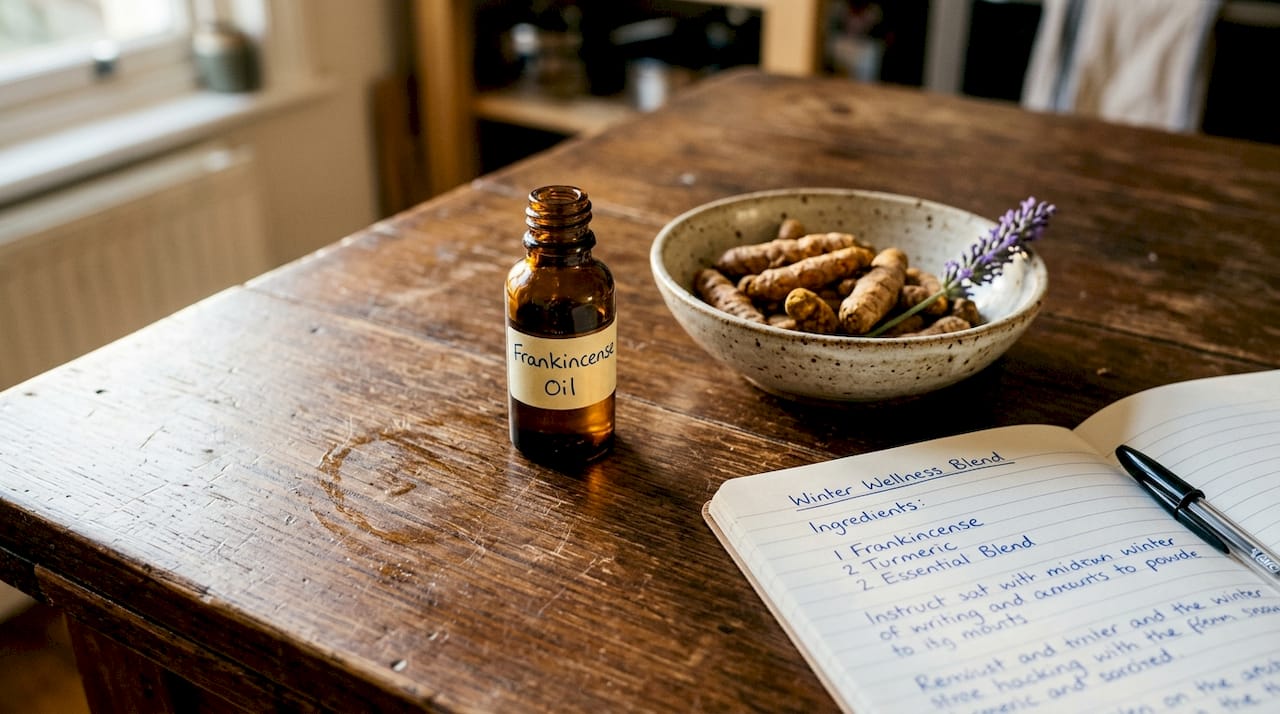
Turmeric oil is gaining increasing attention in the research community. The curcuminoids in turmeric have well-documented anti-inflammatory properties, and the concentrated oil form delivers these compounds directly to affected tissue when applied topically.
Here is a comparison of the top oils for inflammation relief:
| Oil | Inflammation relief | Aroma | Approximate cost | Ease of use |
|---|---|---|---|---|
| Lavender | Strong, well-evidenced | Floral, mild | Low to moderate | Very easy |
| Frankincense | Strong, especially joints | Woody, resinous | Moderate to high | Easy |
| Turmeric | Emerging evidence | Earthy, spiced | Moderate | Easy |
| Peppermint | Moderate, cooling effect | Fresh, sharp | Low | Very easy |
For those dealing with acute inflammation, lavender and peppermint offer fast-acting relief. For chronic inflammation, frankincense and turmeric are better suited to longer-term, consistent use.
Comparing top herbal oils for lymphatic and inflammation support
Now that you have a clear picture of individual oils, it helps to see them side by side. This comparison focuses on the criteria that matter most for your specific wellness goals.
| Oil | Lymphatic support | Inflammation relief | Best application | Suitable for beginners |
|---|---|---|---|---|
| Lavender | Moderate | Strong | Massage, topical | Yes |
| Eucalyptus | Strong | Moderate | Massage, steam | Yes |
| Ginger | Strong | Moderate | Massage | Yes |
| Frankincense | Moderate | Strong | Topical, massage | Yes |
| Turmeric | Low to moderate | Strong | Topical | With guidance |
Studies confirm that EO blends increase lymphocytes and that anti-inflammatory effects have been validated across multiple research models. This gives you a solid evidence base to work from rather than relying on anecdote alone.
To choose the right oil for your needs, follow these steps:
- Identify your primary goal: lymphatic support, inflammation relief, or both.
- Consider your skin type and any known sensitivities before selecting an oil.
- Choose a high-quality, pure oil from a reputable source with clear ingredient labelling.
- Select your application method: massage for lymphatic support, topical for localised inflammation.
- Start with a single oil or a simple two-oil blend, patch test, and monitor your response over two to four weeks.
- Adjust based on results, adding complementary oils as your confidence grows.
Beginners often do best with lavender or eucalyptus because both are gentle, widely available, and versatile. Those with more specific needs, such as chronic joint inflammation, may find frankincense more targeted and effective.
Our take on herbal oil selection for lymphatic and inflammation wellness
Here is something most guides will not tell you: the biggest mistake people make when choosing herbal oils is not picking the wrong oil. It is using the right oil in the wrong way, or abandoning it too soon because they expected instant results.
Holistic wellness does not work on the same timeline as a painkiller. Herbal oils work with your body’s systems gradually, and the lymphatic system in particular responds to consistency over time. We have seen customers make real progress after committing to a simple daily routine for four to six weeks, where previous sporadic use had produced nothing noticeable.
We also think the wellness industry does people a disservice by overcomplicating blending and application. A quality base oil, one or two well-chosen herbal oils, and a consistent massage routine will outperform an elaborate ten-oil blend used irregularly. Simplicity, quality, and consistency are the three factors that actually drive results.
Finally, trust your own body’s feedback above all else. Evidence matters, and we always encourage an evidence-informed approach. But your individual response is data too, and it is data that no study can provide for you.
How to take your herbal oil journey further
If this guide has helped you feel more confident about choosing herbal oils for lymphatic and inflammation support, the next step is finding products that genuinely live up to their promise.
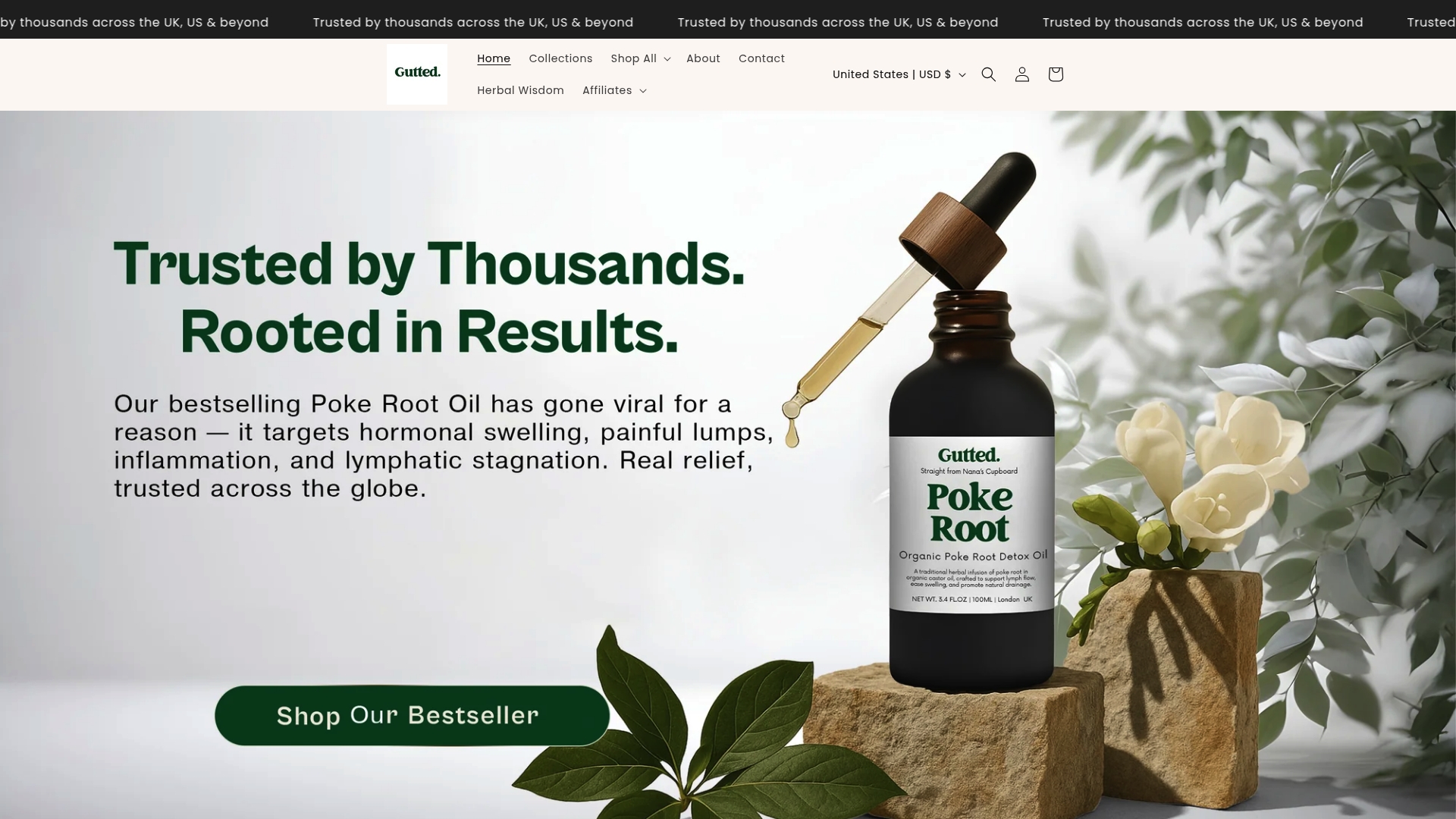
At Getgutted, we have spent years crafting small-batch herbal oils using traditional methods, with a focus on potency and transparency. Our Organic Poke Root Oil infused in Castor Oil was developed specifically for lymphatic support and inflammation relief, and it remains our most trusted product. You can explore our full range of herbal oil solutions including complementary products such as Soursop Leaves and Essiac tea blends. Every product comes with clear guidance so you can use it with confidence from day one.
Frequently asked questions
Which herbal oil is best for lymphatic drainage?
Eucalyptus and ginger oils are especially effective for lymphatic support due to their circulation-boosting properties. Research confirms that EO massage increases infection-fighting lymphocytes, making these oils a well-evidenced choice.
Can herbal oils reduce inflammation naturally?
Yes. Studies show that oils such as lavender, frankincense, and turmeric can lower markers of inflammation, with lavender EO reducing IL-6 and TNF-alpha in both cell and oedema models.
How should herbal oils be applied for best results?
Massage and topical application are the most effective methods. Evidence shows the EO massage group had higher lymphocyte counts than those using plain oil, so technique and the herbal compounds both matter.
Are herbal oils safe for everyone?
Most herbal oils are safe when used correctly, but some individuals may experience sensitivity reactions. Always choose pure, clearly labelled oils and patch test first before wider application.