

Herbal Infusions: Natural Detox and Lymphatic Support
Most people assume herbal infusions are always gentle and safe, but research suggests otherwise. A surprising number of British households rely on these botanical remedies every day, yet few realize that even natural ingredients can cause unexpected side effects or interact with medications. With wellness trends on the rise, understanding the true benefits, risks, and myths about herbal infusions gives you the knowledge needed to make informed choices for your health.
Key Takeaways
| Point | Details |
|---|---|
| Herbal Infusions Require Caution | While herbal infusions are often seen as safe, they can interact with medications and lead to adverse effects, necessitating professional guidance. |
| Personalised Approach Recommended | Individual responses to herbs vary; consulting a qualified herbalist for tailored advice is crucial. |
| Brewing Techniques Matter | Different herbs require specific brewing methods to maximise their therapeutic potential and retain beneficial compounds. |
| Awareness of Risks is Key | Understanding potential allergic reactions and hormonal interactions is essential, especially for those with existing health conditions. |
Herbal Infusions Defined and Common Myths
Herbal infusions represent concentrated botanical preparations that extract medicinal compounds through prolonged steeping in hot water, creating potent liquid remedies designed to support holistic wellness. Unlike quick tea preparations, these infusions involve extended brewing times that allow deeper penetration of plant constituents, releasing essential nutrients and therapeutic compounds.
While many individuals perceive herbal infusions as universally safe, scientific research suggests a more nuanced perspective. Herbal preparations can potentially interact with medications and produce unexpected physiological responses, necessitating careful consideration and professional medical guidance. The complex bioactive compounds within botanical extracts demand respect and informed consumption, challenging the myth of unconditional safety.
Understanding herbal infusions requires distinguishing between different extraction methods and botanical characteristics. Traditional infusions typically involve steeping dried herbs in boiling water for 4-10 minutes, while more concentrated medicinal infusions might require longer brewing periods of 8-12 hours. Key botanical selections like nettle, red clover, and dandelion root offer distinct lymphatic and detoxification properties, each contributing unique therapeutic potential.
Common myths surrounding herbal infusions often oversimplify their complexity. Not all herbs are universally beneficial, and individual physiological responses can vary significantly. Some individuals might experience allergic reactions or unexpected interactions, reinforcing the importance of personalised healthcare consultation.
Pro Tip: Professional Herbal Selection: Always consult a qualified herbalist or healthcare practitioner before incorporating new herbal infusions into your wellness routine, especially if managing pre-existing health conditions or taking prescription medications.
Key Types and Their Herbal Profiles
Herbal infusions represent a diverse world of botanical wellness, with each herb offering unique therapeutic properties and potential health benefits. Scientific research reveals that common herbal infusions like chamomile, peppermint, and hibiscus possess distinct phenolic profiles contributing to their specific health-promoting characteristics.
Key herbal profiles can be categorised into several primary wellness categories, each supporting different bodily systems and health objectives. Lymphatic Support Herbs such as cleavers, red clover, and dandelion root specialise in promoting lymphatic circulation and supporting natural detoxification processes. Calming Herbs like chamomile and lavender offer gentle nervous system support, while Digestive Herbs including peppermint, fennel, and ginger provide targeted gut health benefits.
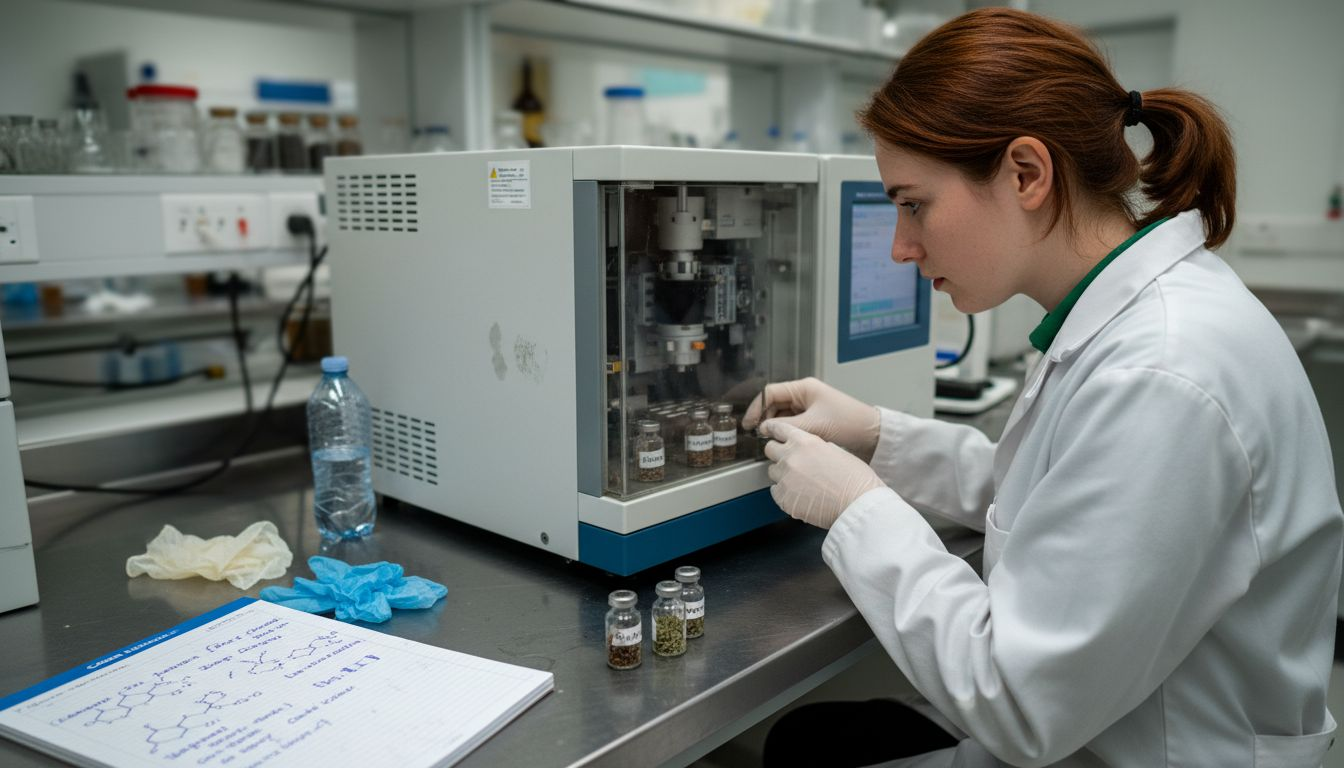
Advanced mass spectrometry analysis demonstrates the complex molecular composition of herbal infusions, highlighting that each botanical selection brings a nuanced array of minerals, phenolic compounds, and therapeutic potential. For instance, green tea contains potent catechins supporting metabolic function, while hibiscus offers remarkable antioxidant properties that may help reduce oxidative stress.
Understanding herbal profiles requires recognising that individual responses can vary. Some individuals might experience more pronounced benefits from specific herbs based on their unique physiological makeup, genetic predispositions, and overall health status. Herbalists often recommend rotating herbal infusions to prevent potential desensitisation and maintain diverse nutritional intake.
Here is a reference guide to selected herbs and their principal wellness functions.
| Herb | Primary System Supported | Notable Compound | Example Benefit |
|---|---|---|---|
| Chamomile | Nervous system | Apigenin | Gentle calming effect |
| Peppermint | Digestive tract | Menthol | Eases bloating and cramps |
| Nettle | Lymphatic, metabolic | Chlorophyll, minerals | Mineral-rich nutritional support |
| Red clover | Lymphatic, hormonal | Isoflavones | May assist detoxification |
| Hibiscus | Cardiovascular | Anthocyanins | Antioxidant support |
Pro Tip: Herbal Rotation Strategy: Develop a diverse herbal infusion rotation, introducing 3-4 different herbs weekly to maximise nutritional diversity and prevent potential immune system adaptation.
How Herbal Infusions Support the Body
Herbal infusions offer remarkable physiological support through their complex biochemical interactions, delivering targeted nutritional compounds that enhance bodily functions across multiple systems. These botanical preparations work synergistically to provide comprehensive wellness benefits, engaging the body’s natural healing mechanisms through powerful phytonutrient profiles.
The primary mechanisms of herbal infusion support involve advanced cellular interactions. Antioxidant Pathways play a crucial role, with herbal compounds neutralising harmful free radicals and reducing oxidative stress. Scientific research demonstrates that certain herbal infusions exhibit remarkable anticarcinogenic properties by inhibiting cell proliferation and reducing inflammatory markers, suggesting profound potential for preventative health maintenance.
Different herbal infusions target specific bodily systems with remarkable precision. Lymphatic herbs like cleavers and red clover support immune function and fluid drainage, while adaptogenic herbs such as ashwagandha help regulate stress responses. Digestive support herbs like peppermint and fennel assist metabolic processes, promoting gut health and nutrient absorption. Nervous system herbs including chamomile and lavender provide gentle neurological support, helping to modulate stress and promote relaxation.
Understanding herbal interactions requires recognising the body’s intricate biochemical networks. Individual responses vary based on genetic predisposition, overall health status, and existing physiological conditions. Herbalists recommend personalised approaches that consider unique metabolic profiles and potential herb interactions.
Pro Tip: Herbal Synergy Strategy: Consult a professional herbalist to develop a personalised herbal infusion protocol tailored to your specific health objectives and physiological requirements.
Brewing Methods and Practical Uses
Herbal infusion brewing involves nuanced techniques that significantly impact the extraction of therapeutic compounds, with temperature, steeping duration, and preparation method playing critical roles in maximising nutritional potential. Understanding these variables allows practitioners to unlock the full spectrum of botanical benefits.
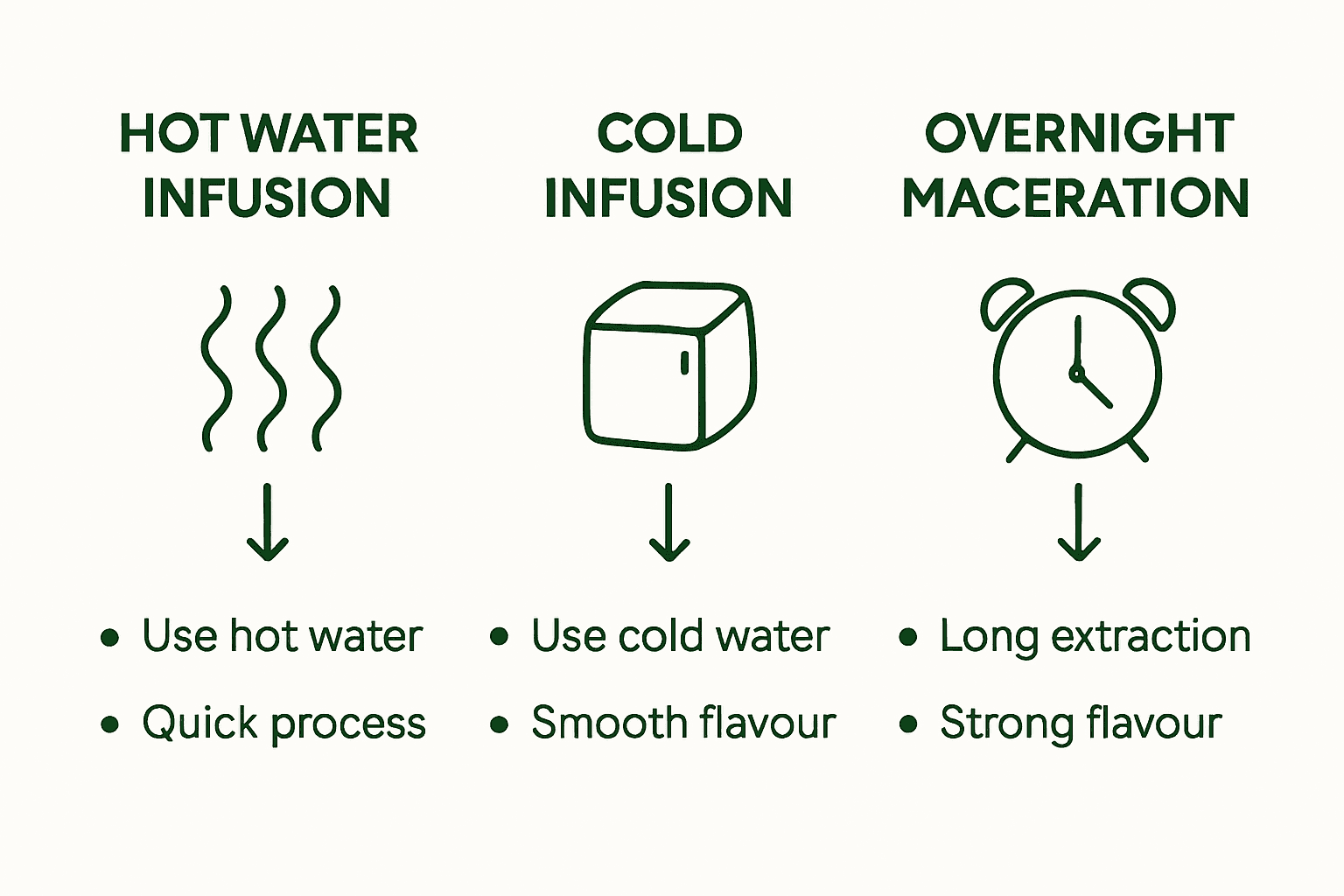
Brewing Techniques vary depending on the specific herbal properties. Hot water infusions remain the most common method, typically involving water temperatures between 80-95 degrees Celsius and steeping times ranging from 5-15 minutes. Practical herbal infusion approaches recognise that different herbs require unique extraction methods to preserve their delicate therapeutic constituents, with some herbs benefiting from cold infusion techniques to maintain their molecular integrity.
The primary brewing methods include hot water infusion, cold infusion, and overnight maceration. Hot water infusion works best for robust herbs like nettle and rosehips, extracting minerals and water-soluble compounds efficiently. Cold infusions prove ideal for delicate herbs such as chamomile and peppermint, preserving volatile essential oils and preventing potential nutrient degradation. Overnight maceration allows for deeper extraction of complex phytonutrients, particularly useful for roots and harder botanical materials.
Below is a summary contrasting primary herbal infusion brewing techniques.
| Brewing Method | Ideal Herbs | Benefits | Potential Limitations |
|---|---|---|---|
| Hot Water Infusion | Nettle, rosehips | Efficient mineral extraction | May degrade delicate compounds |
| Cold Infusion | Chamomile, peppermint | Preserves essential oils | Slower, less suited to roots |
| Overnight Maceration | Dandelion root, burdock | Deep phytonutrient extraction | Time-consuming preparation |
Practical applications of herbal infusions span multiple wellness domains, including daily nutritional support, stress management, and targeted physiological intervention. Individuals can craft personalised herbal protocols by selecting specific herbs that align with their unique health objectives, whether supporting lymphatic function, promoting relaxation, or enhancing metabolic processes.
Pro Tip: Herbal Precision: Invest in a kitchen thermometer to ensure precise water temperatures, as different herbs require specific heat ranges to maximise nutrient extraction and preserve therapeutic properties.
Risks, Safety, and Common Pitfalls
Herbal infusions present complex health considerations that demand careful and informed approach, with potential risks extending beyond their seemingly benign natural origins. While botanical preparations offer remarkable therapeutic potential, understanding their limitations and potential interactions is crucial for safe consumption.
Medication Interactions represent a significant concern in herbal infusion usage. Certain herbs can dramatically alter pharmaceutical metabolisation, potentially reducing medication efficacy or creating unexpected physiological responses. Comprehensive botanical safety assessments reveal multiple potential pitfalls related to herb quality, identification, and standardisation, including risks of contamination, misidentification, and inconsistent preparation methods.
Common safety challenges include potential allergic reactions, hormonal interactions, and unexpected side effects. Individuals with pre-existing health conditions, pregnant women, and those managing chronic illnesses must exercise particular caution. Specific herbs like St John’s Wort can interfere with antidepressants, while others might impact blood sugar regulation or cardiovascular function. Precise identification of botanical sources, understanding individual physiological responses, and maintaining high-quality sourcing become paramount in mitigating potential risks.
Professional guidance remains essential when incorporating herbal infusions into wellness routines. Consulting qualified herbalists or healthcare practitioners allows for personalised assessments that consider individual health profiles, existing medications, and potential contraindications. Developing a nuanced understanding of herbal interactions requires ongoing education and a cautious, informed approach.
Pro Tip: Safety Consultation Strategy: Always disclose your complete medical history and current medication regimen to healthcare professionals before introducing new herbal infusions, ensuring comprehensive evaluation of potential interactions and individual suitability.
Unlock Natural Detox and Lymphatic Support with Gutted™ Herbal Remedies
If you are seeking effective ways to enhance lymphatic circulation and support your body’s natural detoxification, understanding herbal infusions is just the beginning. This article highlights how potent botanicals like red clover and dandelion root play vital roles in cleansing and nourishing the body. At Gutted™, we share your goal to relieve stagnation and reclaim vitality through carefully handcrafted remedies that respect traditional herbal wisdom.
Experience the power of authentic herbal support with our Detox Herbs & Capsules – Gutted. Designed for deep botanical nourishment, these formulations complement extended herbal infusions and provide convenient daily wellness boosts.
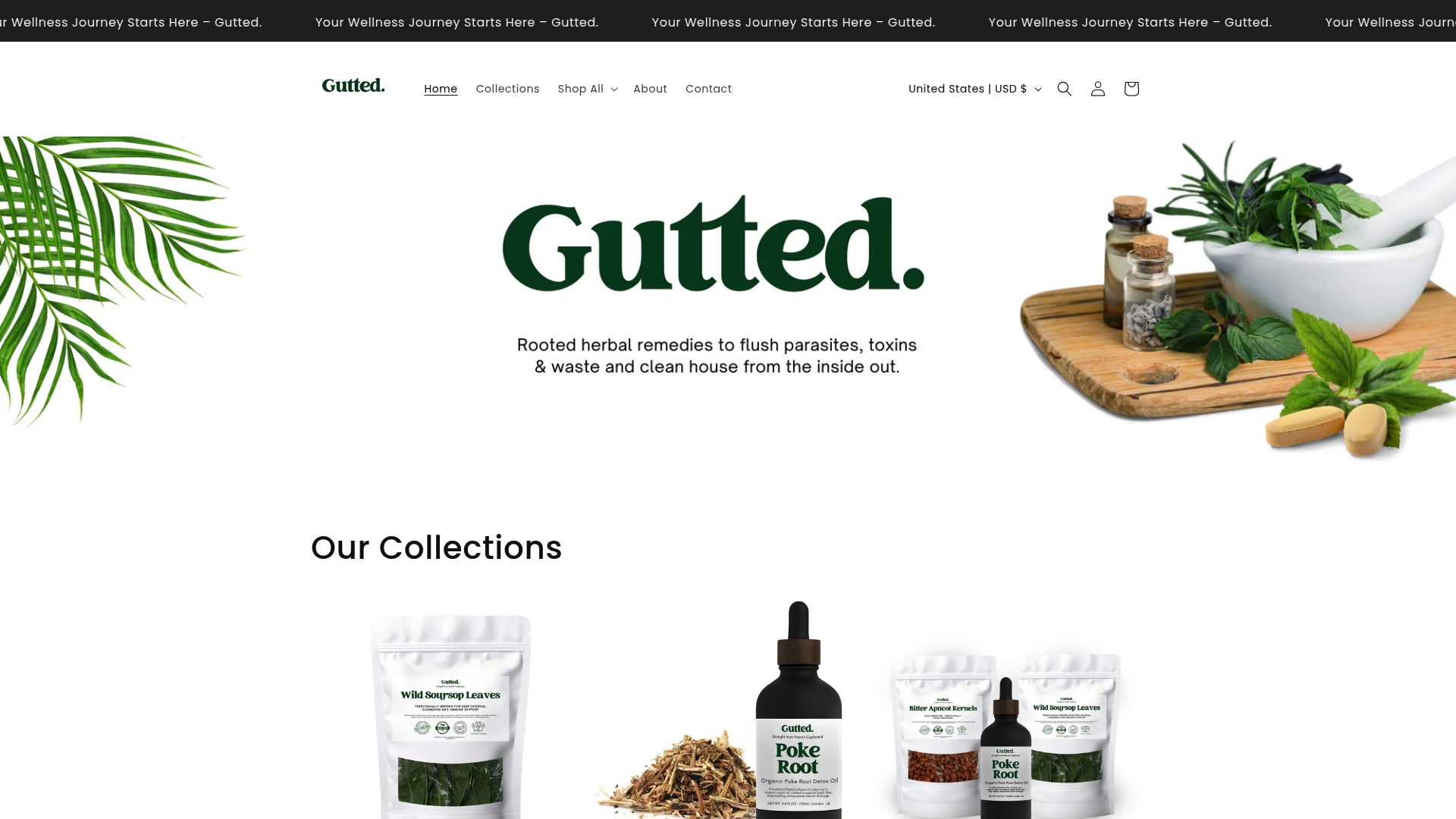
Take control of your health journey today by exploring our bespoke blends and discover why our Organic Root Oil Range – Gutted. has become a favourite for promoting natural detox and lymphatic flow. Visit https://getgutted.co now to find thoughtfully crafted solutions that reconnect you with your body’s healing intelligence. Your natural path to detox and balance starts here.
Frequently Asked Questions
What are herbal infusions and how do they support detoxification?
Herbal infusions are concentrated botanical preparations made by steeping herbs in hot water for extended periods, allowing for the extraction of medicinal compounds. They support detoxification by promoting lymphatic circulation and helping the body eliminate toxins through herbs such as nettle, red clover, and dandelion root.
How long should I steep herbal infusions for optimal benefits?
The steeping time for herbal infusions depends on the type of herbs used. Traditional infusions typically require 4-10 minutes, while medicinal infusions may need 8-12 hours for deeper extraction of therapeutic compounds.
Are there any risks associated with consuming herbal infusions?
Yes, while herbal infusions are generally safe, they can interact with medications and produce side effects. It’s essential to consult with a healthcare professional, especially if you have pre-existing health conditions or are taking prescription medications.
How can I safely incorporate herbal infusions into my wellness routine?
To safely incorporate herbal infusions, consult a qualified herbalist or healthcare practitioner. They can help tailor your herbal selections based on your health objectives and ensure there are no potential interactions with your current medications.